
 Zoe Nora
Audio receiver bluetooth stands at the intersection of technology and lifestyle, redefining how we experience sound in our daily lives. Imagine streaming your favorite music or podcasts effortlessly, without the hassle of tangled wires or complicated setups. Bluetooth audio receivers have revolutionized the way we interact with sound systems, making high-quality audio accessible and convenient for everyone.
These devices serve as the backbone of modern audio systems, enhancing user experience through seamless connectivity and superior sound quality. By incorporating Bluetooth technology, users can enjoy wireless streaming at home or on the go, all while maintaining impressive audio clarity. In the following sections, we will explore the key features, types, advantages, installation tips, and the future of Bluetooth audio technology, ensuring you’re well-informed to make the best choice for your listening needs.
The fundamental features that make audio receivers with Bluetooth technology essential for modern audio systems
In today’s fast-paced digital world, the integration of Bluetooth technology in audio receivers has become a game-changer for music enthusiasts and casual listeners alike. Bluetooth connectivity allows users to effortlessly connect their devices, enhancing the overall audio experience. This feature not only simplifies the setup process but also increases versatility, making it easier to enjoy high-quality sound from various sources without the hassle of wires.
Bluetooth technology has revolutionized the way we consume audio, bringing clear advantages in audio quality and convenience. One of the most significant improvements brought by Bluetooth is the advancement in audio codecs, which play a crucial role in determining sound quality. Modern audio receivers support advanced codecs like aptX HD and LDAC, which allow for higher resolution audio streaming. These codecs compress the audio signal while preserving the details, resulting in a richer listening experience compared to traditional Bluetooth connections. For instance, a user can stream high-fidelity music from a smartphone without noticeable latency or degradation in sound quality.
Additionally, Bluetooth audio receivers often incorporate features such as multi-device pairing, which allows users to connect multiple devices simultaneously. This capability is particularly beneficial in a household where different family members may want to connect their devices to the same audio system. Furthermore, Bluetooth’s range and stability have improved significantly, with many receivers now capable of maintaining a strong connection from distances of up to 100 feet. This means users can move freely throughout their space without losing audio quality, enhancing the overall convenience and user experience.
Key specifications for Bluetooth audio receivers
When selecting a Bluetooth audio receiver, several key specifications should be considered to ensure you get the best performance and features for your needs. These specifications can make a significant difference in both audio quality and usability.
- Audio Codecs: Look for receivers that support advanced audio codecs such as aptX, aptX HD, AAC, and LDAC for improved sound quality and streaming efficiency.
- Bluetooth Version: Ensure the receiver supports at least Bluetooth 5.0, as it provides better range, speed, and stability compared to earlier versions.
- Output Power: Higher output power ratings can lead to improved sound quality and volume levels, ensuring that your audio system performs well even in larger spaces.
- Multi-Device Connectivity: A receiver capable of pairing with multiple devices allows for seamless transitions between sources, enhancing convenience for users.
- Compatibility: Check that the receiver is compatible with a wide range of devices, including smartphones, tablets, and PCs, to maximize versatility.
“Bluetooth technology not only simplifies connections but also enhances the overall audio experience by delivering high-quality sound and convenience.”
The variety of Bluetooth audio receivers available in the market and their unique characteristics
Bluetooth audio receivers have become essential gadgets for those who want to stream music wirelessly without the hassle of tangled cords. With a plethora of options available, it’s important to understand the different types of receivers and their functionalities. Each type offers a unique set of features tailored to various needs, allowing music lovers to enjoy high-quality audio in different environments.
There are primarily two types of Bluetooth audio receivers: portable and stationary. Each type serves distinct purposes and comes with its own set of advantages and drawbacks. Understanding these differences can help consumers make an informed decision based on their lifestyle, usage patterns, and audio requirements.
Types of Bluetooth audio receivers and their primary functions
The market offers a range of Bluetooth audio receivers, each designed for specific uses, whether at home or on the go. Below are the main types and their functionalities:
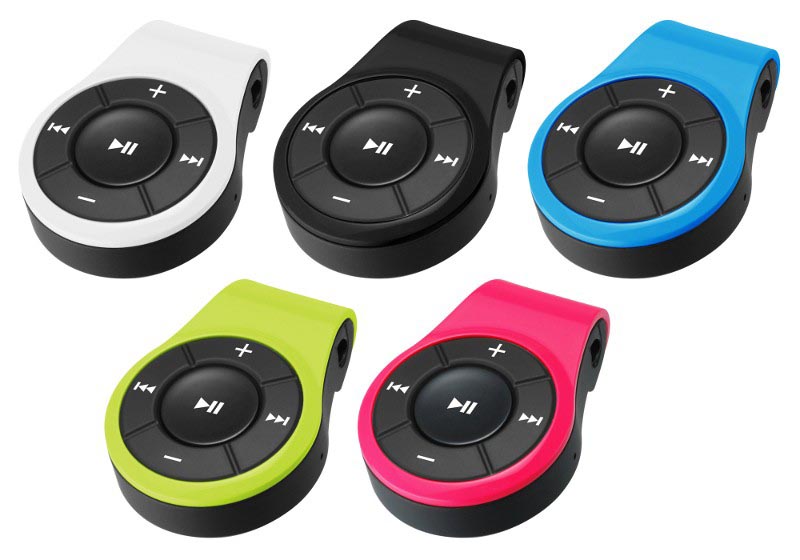
- Portable Bluetooth Audio Receivers: These are compact devices designed for users who need flexibility. They typically feature a built-in battery, enabling them to connect wirelessly to speakers or headphones, making them ideal for travel, outdoor activities, and impromptu gatherings. Many portable receivers also come with additional features such as built-in microphones for hands-free calling and multi-device pairing capabilities.
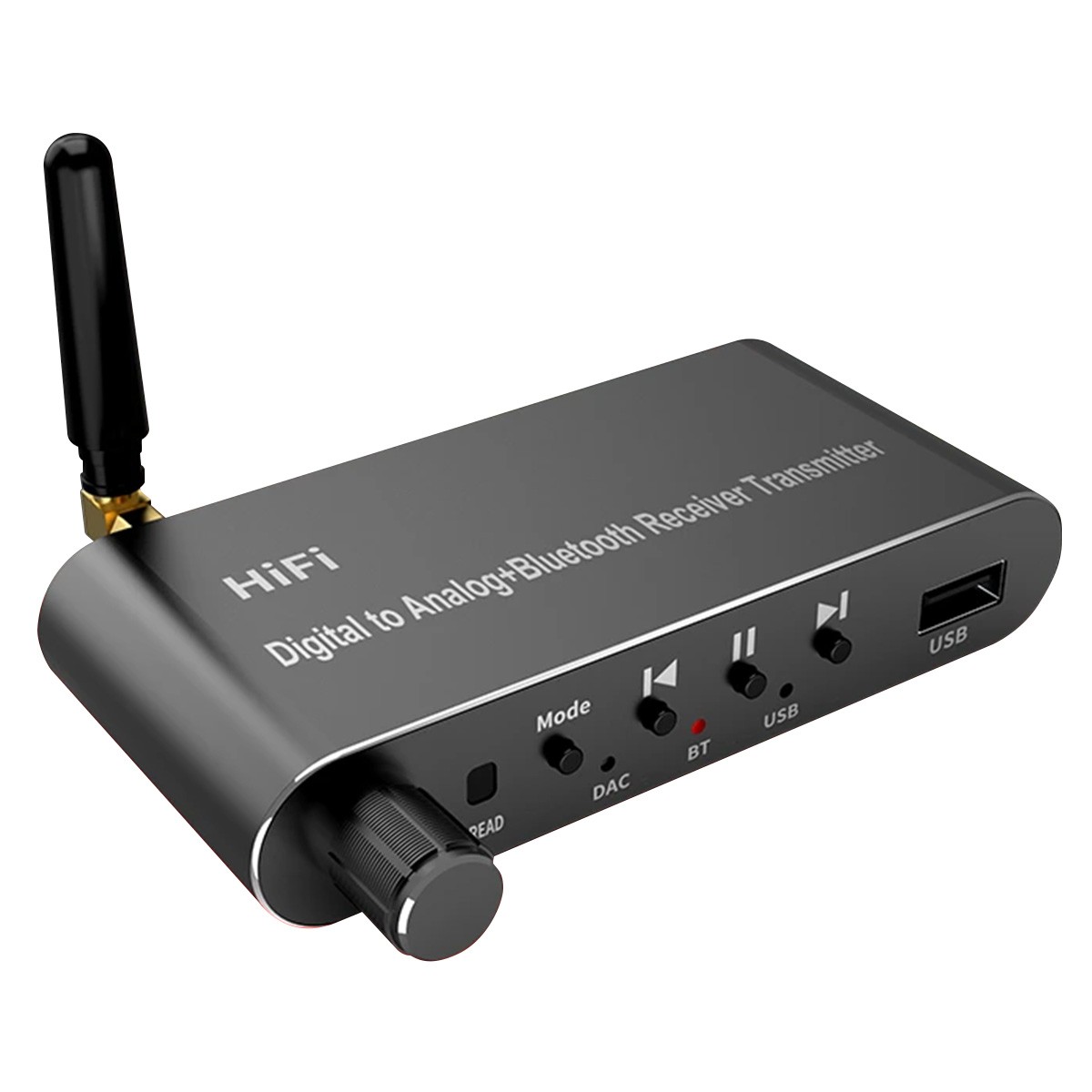
- Stationary Bluetooth Audio Receivers: These receivers are designed to be part of a fixed audio setup, such as home theaters or sound systems. They often connect to powered speakers or amplifiers and require a power source. Stationary receivers usually boast superior sound quality and more robust connectivity options, including support for multiple audio codecs and higher range, making them perfect for home use.
- Car Bluetooth Audio Receivers: Designed specifically for use in vehicles, these receivers can connect to a car’s audio system via the auxiliary input or Bluetooth. Many models come with features such as voice control, navigation prompts, and hands-free calling, enhancing safety and convenience while driving.
Comparison of portable and stationary Bluetooth audio receivers
When evaluating the differences between portable and stationary Bluetooth audio receivers, several key features come into play. This comparison highlights their unique characteristics, ensuring consumers can choose the right fit for their needs.
- Portability: Portable receivers are lightweight and compact, easily fitting into bags or pockets. Stationary receivers, on the other hand, are bulkier and intended for permanent setups, limiting their mobility.
- Power Source: Portable receivers rely on batteries, offering a few hours of playback on a single charge. Stationary receivers are usually plugged into an outlet, guaranteeing unlimited playtime without the need for recharging.
- Sound Quality: While portable receivers can provide decent audio quality, stationary models typically deliver superior sound due to better components and dedicated power systems.
- Connectivity Features: Many stationary receivers support higher-end audio codecs such as aptX and LDAC, ensuring better sound quality during streaming. Portable models may not support these features due to hardware limitations.
- Price Range: Portable receivers typically range from $20 to $150, depending on brand and features. In contrast, stationary receivers can vary from $50 to over $300, depending on audio quality and additional functionalities.
Price range and value proposition of various Bluetooth audio receivers
The price of Bluetooth audio receivers varies significantly based on their type, features, and brand reputation. Consumers can find budget options that provide basic functions or higher-end models that boast advanced features and superior sound quality.
- Budget Options: Entry-level receivers can be found for as little as $20 to $50. These models are suitable for casual listeners who want basic Bluetooth functionality without the need for high-fidelity audio.
- Mid-Range Options: Priced between $50 to $150, these receivers usually offer better sound quality, enhanced battery life, and additional features like aptX support or multi-device pairing.
- High-End Models: For audiophiles, high-quality Bluetooth audio receivers can range from $150 to over $300. These devices often come with premium materials, advanced codec support, and superior sound processing capabilities, delivering an unmatched audio experience.
Overall, the value proposition of Bluetooth audio receivers hinges on the balance between the cost and the features offered. Consumers should evaluate their needs against their budget to find the perfect receiver that complements their audio experience while providing the desired functionality.
The advantages of integrating Bluetooth audio receivers into home entertainment systems
Integrating Bluetooth audio receivers into home entertainment systems offers a seamless and modern approach to enjoying music and audio content. These devices eliminate the need for cumbersome wires and provide a level of convenience that enhances the overall experience. With the ability to connect multiple devices wirelessly, Bluetooth receivers play a pivotal role in creating a streamlined setup that caters to today’s tech-savvy users.
Wireless sound systems deliver several significant benefits when compared to traditional wired systems. Primarily, the absence of cables reduces clutter and enhances the aesthetic appeal of any room. Without wires running between devices, setups look cleaner and more organized. This is particularly advantageous in home theaters or living spaces where visual appeal is a priority.
Moreover, Bluetooth audio receivers allow for greater flexibility in device placement. Users can position speakers, televisions, and other audio components without being restricted by the length of cables. This flexibility not only improves the functionality of a space but also enhances sound quality by enabling optimal placement of speakers based on acoustics and personal preferences.
Another benefit of wireless systems is the ease of connecting multiple devices. Many Bluetooth receivers support pairing with smartphones, tablets, and laptops, making it simple to switch between sources. Users can effortlessly transition from streaming music from a smartphone to watching a movie on a tablet without the hassle of unplugging and re-plugging cables. Furthermore, wireless systems often come equipped with features such as multi-room audio, allowing users to enjoy synchronized music throughout their home.
Compatibility issues and solutions
While Bluetooth audio receivers offer numerous advantages, compatibility with existing devices can sometimes pose challenges. It’s essential to ensure that the Bluetooth receiver is compatible with the audio source and playback devices. To navigate these issues, consider the following:
– Check Bluetooth Versions: Different Bluetooth versions (like 4.0, 4.1, 4.2, 5.0) offer varying ranges and quality. Ensure that both the receiver and the connected devices support compatible versions.
– Look for Codec Support: Audio quality can vary based on the codecs supported by the devices. Check if the receiver supports high-quality codecs like aptX or AAC for better audio performance.
– Use Adapters: For devices that may lack Bluetooth capabilities, using a Bluetooth adapter can provide a straightforward solution. These adapters can connect to older audio equipment, bringing them into the modern wireless era.
– Firmware Updates: Keeping the firmware of the Bluetooth receiver updated can resolve many compatibility issues, as manufacturers often release updates to improve performance and compatibility with new devices.
By understanding these potential issues and employing effective solutions, users can fully integrate Bluetooth audio receivers into their home entertainment systems, maximizing both convenience and sound quality.
The installation process for Bluetooth audio receivers to ensure optimal performance
Installing a Bluetooth audio receiver in your home can significantly enhance your audio experience by allowing wireless streaming from various devices. Proper installation is crucial to ensure optimal performance and avoid common pitfalls. This guide will provide a step-by-step approach to setting up a Bluetooth audio receiver, highlight common mistakes to avoid, and offer tips on placement and connectivity for the best sound quality.
Step-by-step guide for installing a Bluetooth audio receiver
To successfully install a Bluetooth audio receiver in a typical home setup, follow these steps:
1. Choose the right location: Find a central spot in your room that is close to a power outlet and where the receiver has a clear line of sight to your Bluetooth devices.
2. Connect power: Plug the receiver into an outlet using the provided power adapter. Ensure that the power source is stable to avoid fluctuations during operation.
3. Connect to your audio system: Depending on your audio system, use either RCA cables, optical cables, or AUX cords to connect the receiver to your speakers or amplifier. Make sure to insert the connectors firmly to prevent sound issues.
4. Power on the receiver: Once everything is connected, turn on the Bluetooth audio receiver. You should see an LED indicator that shows it’s powered on and ready to pair.
5. Pair your devices: On your smartphone or tablet, go to the Bluetooth settings, and scan for devices. Select your audio receiver from the list to establish a connection.
6. Test the sound: Play some audio from your device to test the connection. Ensure that the sound is clear and there are no interruptions in the playback.
Common mistakes to avoid during the installation process
When installing a Bluetooth audio receiver, it’s essential to avoid certain common errors that can affect performance. Here are some pitfalls to be mindful of:
– Placement issues: Avoid placing the receiver in enclosed spaces, behind furniture, or near other electronic devices that may cause interference. A clear line of sight helps maintain a stable connection.
– Incorrect cable connections: Always double-check that cables are connected to the correct ports. Mismatched connections can lead to poor sound quality or no audio output at all.
– Neglecting firmware updates: Some Bluetooth receivers may require firmware updates for improved performance. Check the manufacturer’s website for any updates after installation.
– Ignoring Bluetooth range limitations: Bluetooth typically has a range of about 30 feet. Ensure your device is within this range to avoid connection drops or sound quality deterioration.
Tips on placement and connectivity to enhance sound quality
Strategic placement and connectivity can significantly impact the sound quality of your Bluetooth audio receiver. Here are some best practices:
– Avoid obstacles: Position the receiver away from walls and large furniture to minimize signal obstructions. The clearer the path, the better the connection.
– Use quality cables: Invest in high-quality audio cables for connecting your receiver to the audio system. Poor quality cables can lead to interference and degrade sound quality.
– Consider using a Bluetooth extender: If your receiver is far from your audio sources, a Bluetooth extender can help maintain a stable connection without sacrificing audio fidelity.
– Experiment with placement: Don’t hesitate to try different locations for your receiver. Sometimes a slight adjustment can drastically improve sound quality.
“Proper installation and strategic placement can turn your audio experience from ordinary to extraordinary.”
The impact of Bluetooth audio receivers on lifestyles and social interactions
Bluetooth audio receivers have significantly altered the landscape of how people engage with music and audio content. By eliminating the constraints of wired connections, these devices have provided users with the freedom to enjoy their favorite tunes in virtually any setting, whether at home, in the park, or at social gatherings. This accessibility has not only changed individual listening habits but also influenced how music is shared and experienced collectively.
The advent of Bluetooth audio receivers has transformed social interactions by fostering environments conducive to shared musical experiences. Imagine a sunny afternoon with friends gathered in a backyard, where a portable Bluetooth speaker effortlessly connects to a smartphone. This scenario exemplifies how these devices encourage spontaneous socialization, allowing groups to harmonize through music. With the ability to quickly switch tracks or create collaborative playlists, individuals can contribute their musical tastes, promoting a sense of community and shared identity.
Additionally, Bluetooth audio receivers facilitate memorable moments during events such as parties, family gatherings, and even outdoor picnics. The ease of sharing audio content encourages people to engage more actively, dancing and singing along, thereby enhancing the overall social experience. Without the limitations of cables, users can move freely, ensuring the music is as dynamic as the gathering itself. This kind of interaction illustrates how Bluetooth technology caters to a more connected lifestyle, enabling users to curate and customize their sonic environments effortlessly.
Activities Enhanced by Bluetooth Audio Receivers
Many activities benefit from the inclusion of Bluetooth audio receivers, enhancing enjoyment and interaction among participants. These activities allow individuals to connect through shared experiences, reinforcing social bonds.
– Picnics in the park: Music elevates the atmosphere, making the experience more enjoyable and lively.
– Home gatherings: Guests can easily connect their devices to share personal playlists, creating a diverse listening experience.
– Outdoor workouts: Bluetooth speakers allow for energizing music during jogging or group fitness sessions, motivating participants.
– Beach outings: Whether it’s a party or a relaxed day by the waves, music from Bluetooth devices enhances the fun and excitement.
– Game nights: Players can set the mood with background music or sound effects, intensifying the competitive spirit.
Overall, Bluetooth audio receivers not only reshape personal audio consumption but also enrich our social interactions, making them more vibrant and connected.
The future trends in Bluetooth audio technology and what they mean for consumers
As Bluetooth audio technology continues to evolve, the future holds exciting possibilities that can enhance the way consumers experience sound. With advancements in wireless technology, the next few years are set to bring remarkable changes in Bluetooth audio receivers that will redefine user experiences. This discussion will delve into emerging technologies, anticipated advancements, and potential challenges that could shape the future landscape of Bluetooth audio.
Emerging Technologies Influencing Bluetooth Audio Receivers
Several cutting-edge technologies are anticipated to play a significant role in the advancement of Bluetooth audio receivers. These technologies aim to enhance audio quality, connectivity, and overall user experience.
– Bluetooth 5.2 and Beyond: The introduction of Bluetooth 5.2 has brought major improvements, including LE Audio, which focuses on lower power consumption and improved audio quality. Future iterations are likely to enhance these features even further, providing consumers with richer sound experiences.
– Adaptive Sound Technologies: Innovations in adaptive audio technologies allow devices to automatically adjust sound settings based on the environment, ensuring optimal audio fidelity whether in a quiet room or a noisy street.
– Spatial Audio: This technology creates a more immersive listening experience by simulating surround sound through stereo headphones. As it becomes more integrated into Bluetooth audio receivers, consumers can expect a cinema-like audio experience at home or on the go.
– Enhanced Codec Support: New audio codecs, like LC3, offer higher quality audio streaming with less latency and greater efficiency. The widespread integration of these codecs means consumers may enjoy superior sound quality without sacrificing battery life.
Predictions for Bluetooth Audio Technology Evolution in the Next Five Years
The next five years are likely to see significant advancements in Bluetooth audio technology that will transform how users interact with their devices. The following predictions illustrate the potential trajectory of this space:
– Improved Battery Life: With ongoing developments in low-power Bluetooth technology and more efficient battery designs, consumers can expect devices that offer longer playtime without frequent recharging.
– Increased Device Interconnectivity: The rise of smart home technology will lead to Bluetooth audio receivers that can seamlessly connect with multiple devices, creating a synchronized audio experience across different rooms and devices.
– Integration with AI: Artificial intelligence is expected to play a vital role in personalized audio experiences. Smart receivers can analyze user preferences and adjust settings accordingly, providing tailored sound profiles for individual users.
– Wider Adoption of Multi-Point Connectivity: As more consumers seek to connect multiple devices to a single audio receiver, multi-point connectivity will become standard, allowing seamless transitions between devices without the need for manual reconnection.
Potential Challenges with Advancements in Bluetooth Technology
While the future appears promising, several challenges may arise as Bluetooth audio technology evolves. Understanding these challenges can help consumers navigate the changing landscape effectively.
– Interference Issues: As more devices utilize Bluetooth technology, the potential for interference may increase, affecting audio quality and connectivity. This can be particularly problematic in crowded environments.
– Compatibility Concerns: The rapid development of new codecs and technologies may lead to compatibility issues between older devices and newer technology, creating hurdles for consumers who wish to upgrade without replacing their entire audio systems.
– Privacy and Security Risks: As devices become more interconnected, the potential for security vulnerabilities rises. Consumers must remain vigilant about privacy and data security when using Bluetooth audio technology in environments where sensitive information could be at risk.
– Market Saturation: With an influx of new products, consumers may face challenges in distinguishing between high-quality devices and mediocre ones, leading to confusion in their purchasing decisions.
Closing Notes
In summary, the integration of audio receiver bluetooth technology into our home entertainment systems marks a significant shift toward convenience, quality, and user satisfaction. As we have discussed, these devices not only simplify setups but also enhance our audio experiences by fostering social interactions and shared moments. Looking ahead, the ongoing advancements in Bluetooth technology promise even more exciting developments, ensuring that the future of audio is bright and full of possibilities.
Answers to Common Questions
What is the range of Bluetooth audio receivers?
The typical range for Bluetooth audio receivers is about 30 feet, but this can vary based on obstacles and the specific technology used.
Can I connect multiple devices to a Bluetooth audio receiver?
Most modern Bluetooth audio receivers allow pairing with multiple devices, but only one device can usually play audio at a time.
Do Bluetooth audio receivers support high-definition audio?
Many Bluetooth audio receivers support high-definition audio codecs such as aptX, which can enhance the listening experience.
Are there any latency issues with Bluetooth audio?
Some Bluetooth audio receivers may experience latency, but options with low-latency codecs can minimize this issue, making them suitable for watching videos.
How do I know if my receiver is compatible with my devices?
Check the Bluetooth version and profiles supported by your receiver and ensure they match your devices to guarantee compatibility.