
 Zoe Nora
Bookshelf sound represents a fascinating intersection of design and audio fidelity, inviting enthusiasts and newcomers alike to explore the nuances of sound reproduction in a compact form. In an era where space is often a premium, bookshelf speakers deliver powerful audio that does not compromise on quality or performance.
The allure of bookshelf speakers lies in their ability to transform any listening environment into an immersive audio experience. Unlike larger floor-standing models, these compact speakers can easily blend into various spaces without losing their sonic impact, making them a popular choice for modern audio setups. Their intricate designs and advanced technologies offer a rich listening experience that caters to diverse musical tastes, providing a perfect balance between size and sound quality.
Understanding the Concept of Bookshelf Sound
Bookshelf sound refers to the audio experience delivered by compact speakers designed to be placed on shelves or furniture, rather than on the floor. These speakers are integral to contemporary audio setups, bridging the gap between full-sized floor speakers and portable sound systems. Their design allows for high-quality sound reproduction in smaller spaces, making them popular among audiophiles and casual listeners alike.
Bookshelf speakers enhance the listening experience significantly. They are engineered to offer a precise balance of bass, midrange, and treble frequencies, which contributes to a more immersive listening experience. The placement of bookshelf speakers can influence soundstage and image quality, allowing users to enjoy a richer, fuller sound. Unlike larger speakers, bookshelf models are versatile and can fit into various home environments while still delivering robust audio performance.
Technical Aspects of Bookshelf Sound
Bookshelf sound is distinguished from other audio formats primarily through its design and acoustic engineering. The following technical aspects play a crucial role in differentiating bookshelf speakers from their counterparts:
1. Driver Configuration: Bookshelf speakers typically feature a two-way or three-way driver configuration, allowing them to handle a wide range of frequencies. The inclusion of woofers for bass, mid-range drivers for vocals, and tweeters for treble ensures a full spectrum of sound. This contrasts with many soundbars or portable speakers, which may only utilize a single driver setup.
2. Cabinet Design: The enclosure design is vital for sound quality. Bookshelf speakers generally have a well-constructed cabinet that minimizes resonance and distortion. Thicker walls and strategic internal bracing can enhance sound clarity and depth, which is often lacking in smaller or less robust speaker designs.
3. Porting Techniques: Many bookshelf speakers employ ported designs to enhance low-frequency response. The bass port allows air to move in and out of the cabinet, providing deeper bass without distortion. This is a significant advantage over non-ported speakers, which may struggle to produce low frequencies effectively.
4. Impedance and Sensitivity: Bookshelf speakers often have a standard impedance of 4 to 8 ohms, making them compatible with a wide range of amplifiers. Their sensitivity ratings can range from 85 to 92 dB, allowing users to achieve greater output levels without needing excessive power.
5. Placement Versatility: Bookshelf speakers can be placed on shelves, stands, or mounted on walls, which provides flexibility in sound positioning. This adaptability allows for optimal listening experiences tailored to the specific characteristics of a room.
Bookshelf speakers blend functionality with performance, making them an ideal choice for both casual listeners and serious audiophiles.
Bookshelf sound, through its thoughtful engineering and design, provides a unique listening experience that can rival larger systems while maintaining a compact footprint. Their technical aspects contribute significantly to making them a favored choice for quality audio in diverse environments.
The Evolution of Bookshelf Speakers Over Time
Bookshelf speakers have undergone significant transformations since their inception, adapting to the changing needs and desires of audio enthusiasts. Initially designed for practicality and space-saving purposes, these speakers have evolved into high-fidelity audio systems that blend seamlessly with modern aesthetics. This historical overview highlights the key developments that have shaped their performance and design over the decades.
The journey of bookshelf speakers began in the mid-20th century when manufacturers focused primarily on compact designs suitable for small living spaces. These early models often sacrificed sound quality for size, utilizing basic materials and technology. However, as audio technology advanced, so did the capabilities and features of bookshelf speakers. The introduction of new materials such as high-quality plastics and composite wood allowed for better acoustic performance and durability.
Technological Advancements Impacting Sound Quality
The evolution of bookshelf speakers is closely tied to key technological advancements that have significantly improved sound quality and user experience. Several milestones are noteworthy:
– Driver Technology: The development of advanced driver materials, including Kevlar and aluminum, has enhanced the accuracy and range of sound reproduction, allowing for richer bass and clearer highs.
– Crossover Design: Improvements in crossover design have optimized the distribution of frequencies between drivers, resulting in a more balanced sound stage and minimizing distortion.
– Digital Signal Processing (DSP): The introduction of DSP technology has enabled more precise sound tuning, allowing users to adjust their listening experience according to personal preferences and room acoustics.
– Wireless Connectivity: The rise of Bluetooth and Wi-Fi enabled bookshelf speakers has transformed how users interact with audio systems, allowing for seamless streaming from various devices.
Modern bookshelf speakers are also designed to cater to contemporary tastes, reflecting a shift in consumer preferences towards aesthetics and versatility. Manufacturers now offer sleek designs that combine functionality with style, ensuring that speakers not only deliver impressive sound but also complement home decor.
The use of minimalist designs, often with rounded edges and a variety of color finishes, is prevalent in today’s bookshelf speaker offerings. Furthermore, the incorporation of smart technology has become a common feature, allowing for voice control and integration with smart home systems. This evolution has not only transformed how we listen to music but has also aligned with our lifestyle preferences, making quality audio more accessible and stylish than ever before.
The Role of Bookshelf Sound in Home Theatre Systems
Bookshelf speakers play a pivotal role in enhancing the home theatre experience, bridging the gap between compact design and high-quality sound output. Their ability to deliver clear and immersive audio makes them a popular choice for cinephiles and casual viewers alike. Unlike traditional floor-standing speakers, bookshelf models are versatile and can blend seamlessly into various room sizes and decor styles, providing an exceptional sound experience without overwhelming your space.
Bookshelf speakers significantly enhance a multi-channel audio setup by delivering precise mid-range and high frequencies that are crucial for dialogue clarity and sound effects. When incorporated into a surround sound system, these speakers can effectively serve as front or rear channels, enriching the audio landscape and ensuring that every sound is heard as intended. This makes them ideal for movie enthusiasts looking to replicate a cinematic experience in their living rooms. Additionally, bookshelf speakers can be paired with subwoofers to handle low-frequency sounds, resulting in a balanced and dynamic audio profile.
Importance of Speaker Placement for Optimal Sound Performance
The placement of bookshelf speakers is critical to achieving the best audio quality in a home theatre setup. Poor positioning can lead to sound distortion and an imbalanced audio experience. To optimize sound performance, consider the following factors:
1. Equidistant Arrangement: Positioning speakers at equal distances from the listening area helps create a balanced soundstage. This ensures that audio reaches your ears simultaneously, preventing any delays that could affect clarity.
2. Height and Angle: The height of the speakers should ideally be at ear level when seated. Tilted or angled speakers can also direct sound waves more effectively, enhancing the listening experience.
3. Room Acoustics: The materials used in your room, such as curtains, carpets, and wall textures, can absorb or reflect sound. Avoid placing speakers too close to walls, as this can cause unwanted bass buildup and muddy sound.
4. Avoiding Obstacles: Ensure there are no objects blocking the path between the speakers and the listening area. Any obstacles can disrupt sound waves, diminishing audio quality.
5. Trial and Error: Each room has its unique characteristics. Therefore, fine-tuning the placement through experimentation can lead to discovering the ideal setup for your specific environment.
By paying close attention to these factors, you can significantly enhance your overall audio experience, making every movie night a captivating event.
Comparing Bookshelf Sound to Other Speaker Types
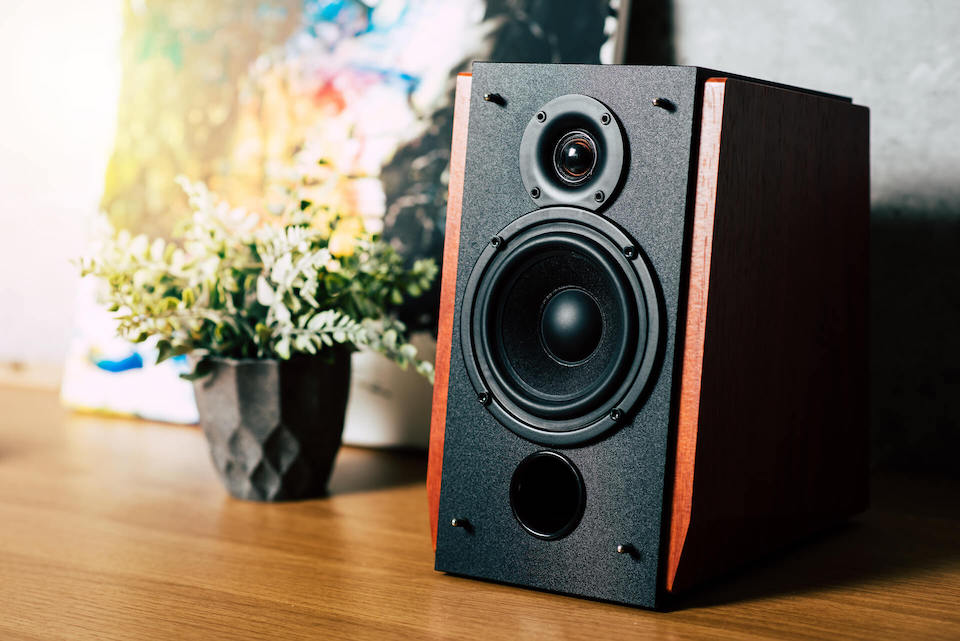
When it comes to choosing the right speakers, understanding the nuances between different types can significantly impact your audio experience. Bookshelf speakers, floor-standing speakers, and satellite speakers all serve distinct purposes and cater to various listening environments. While bookshelf speakers are compact and versatile, the choice between them and other types often comes down to personal preference, room size, and intended use.
Bookshelf speakers are typically designed to be placed on a shelf or stand, making them ideal for smaller spaces. On the other hand, floor-standing speakers are larger and can deliver a fuller sound due to their bigger drivers and cabinets. Satellite speakers are compact, designed to be used in conjunction with subwoofers, and are commonly found in surround sound setups. Here’s a breakdown of their key differences:
Comparison of Speaker Types
Understanding the advantages and disadvantages of each speaker type helps in selecting the right audio solution for your needs. Here’s a closer look:
- Bookshelf Speakers:
- Advantages: Space-efficient, versatile placement options, good audio quality for small to medium-sized rooms.
- Disadvantages: Limited bass response compared to floor-standing speakers, may require stands for optimal performance.
- Floor-Standing Speakers:
- Advantages: Powerful sound with deeper bass, suitable for larger rooms, often feature multiple drivers for detailed audio.
- Disadvantages: Require more space, heavier and less portable, generally more expensive.
- Satellite Speakers:
- Advantages: Compact and lightweight, easy to integrate into home theater systems, ideal for surround sound setups.
- Disadvantages: Often need a subwoofer for full-range sound, limited audio performance on their own.
Personal preference plays a crucial role in speaker selection, as audio quality can be subjective. For instance, audiophiles may prefer the rich soundstage offered by floor-standing speakers, while casual listeners might appreciate the convenience and space-saving benefits of bookshelf models. Room acoustics and furniture layout also influence preferences. A smaller room might benefit from bookshelf speakers, but someone might opt for floor-standing models if they appreciate more profound bass and spacious sound.
When evaluating speakers, consider not just technical specifications, but also how they align with your listening habits, available space, and aesthetic preferences. Remember, the best speaker for you is one that fits seamlessly into your lifestyle while delivering a satisfying audio experience.
Factors to Consider When Choosing Bookshelf Speakers
Selecting the right bookshelf speakers can significantly enhance your audio experience, whether you’re listening to music, watching movies, or playing video games. It’s essential to understand the key specifications and considerations that will ensure your speakers complement your space and equipment perfectly.
Key Specifications to Consider
When investing in bookshelf speakers, knowing what specifications matter is crucial. The following list highlights the essential aspects to keep in mind:
- Frequency Response: This range indicates the lowest and highest frequencies a speaker can reproduce, typically measured in Hertz (Hz). A wider frequency response often results in a more accurate sound reproduction.
- Power Handling: Measured in watts, this specification tells you how much power a speaker can handle without distortion. Pairing speakers with an amplifier that matches their power handling is crucial for optimal performance.
- Sensitivity: Measured in decibels (dB), sensitivity indicates how efficiently a speaker converts power into sound. Higher sensitivity means you can achieve louder volumes with less power.
- Impedance: This is measured in Ohms and affects how much electrical resistance the speaker offers. Most home audio systems are designed for 4, 6, or 8 Ohm speakers, so matching impedance is vital.
- Design and Build Quality: The materials used in the construction of the speaker enclosure and drivers can influence sound quality. Consider options that feature high-quality wood or composite materials for better acoustics.
The Importance of Matching Speakers with Audio Equipment
Matching your bookshelf speakers with the right audio equipment is crucial for achieving a harmonious sound profile. This includes ensuring your amplifier or receiver’s power output aligns with the speakers’ power handling capabilities. An underpowered amplifier may lead to distortion at higher volumes, while an overpowered amplifier could damage the speakers.
Influence of Room Acoustics on Speaker Choice
Room acoustics play a significant role in how bookshelf speakers perform. The size, shape, and materials of your room can impact sound distribution and quality. For instance, smaller rooms may benefit from speakers with a more focused soundstage, while larger spaces might require speakers that can project sound further without losing clarity.
Consider the following factors regarding room acoustics:
– Wall Materials: Hard surfaces like concrete or glass can lead to excessive reflections, making the sound harsh. Conversely, soft furnishings can absorb sound, resulting in a warmer tone.
– Room Layout: The arrangement of furniture can obstruct sound waves, affecting performance. Speakers should be positioned to minimize obstructions and allow for optimal sound dispersion.
– Speaker Placement: Positioning speakers at ear level and away from walls can reduce unwanted bass buildup and enhance overall clarity. This placement ensures that sound waves travel freely, providing a more accurate listening experience.
Ultimately, understanding these factors will enable you to make informed decisions, ensuring that your bookshelf speakers deliver the sound quality you desire while complementing your unique listening environment.
The Impact of Bookshelf Sound on Music Genres
Bookshelf speakers have gained recognition among audiophiles and casual listeners alike for their ability to deliver high-fidelity sound in a compact form. Their versatility makes them suitable for various music genres, enhancing the listening experience by accurately reproducing the nuances of different styles. With an increasing focus on how sound quality influences our enjoyment of music, it’s essential to explore the specific benefits that bookshelf sound reproduction provides across multiple genres.
The relationship between speaker quality and music enjoyment is profound. Quality speakers, such as bookshelf models, play a crucial role in how listeners experience their favorite tracks. The richness of sound, clarity of vocals, and depth of instrumentals can dramatically affect emotional engagement and overall satisfaction. High-quality bookshelf speakers can reproduce a wide frequency range, allowing for a more immersive listening experience. This is particularly important for genres like classical music, where intricate details in orchestration matter, or jazz, where subtle nuances in performances can be lost with inferior equipment.
Bookshelf Speakers for Various Music Genres
Different genres of music can significantly benefit from specific bookshelf speaker models that excel in reproducing their unique characteristics. Below are some examples of how certain speakers align with various genres and why they stand out:
- Classical Music: The Bowers & Wilkins 607 S2 offers exceptional clarity and detail, making it an ideal companion for symphonies. Its ability to deliver crisp highs and rich lows enhances the emotional depth of orchestral music.
- Jazz: The KEF Q150’s Uni-Q driver technology provides a broad soundstage, allowing the listener to appreciate the complexity of jazz ensembles. The speaker excels in rendering the warmth of brass and the subtleties of piano melodies.
- Rock: The ELAC Debut 2.0 B6.2 is known for its powerful bass response and dynamic range, making it perfect for rock music. The speaker can handle high volumes without distortion, ensuring an engaging experience during lively performances.
- Pop: The Klipsch R-41M offers an energetic sound profile that complements pop music’s catchy melodies and beats. Its horn-loaded tweeter provides high efficiency and clarity, enhancing vocal performances.
The correlation between speaker quality and music enjoyment cannot be overstated. Quality bookshelf speakers enhance both the emotional and physical aspects of music, leading to a more fulfilling auditory experience. With the right speakers, listeners can explore the full potential of their favorite genres, discovering new layers of sound and artistry within each song.
Tips for Setting Up Bookshelf Speakers for Optimal Performance
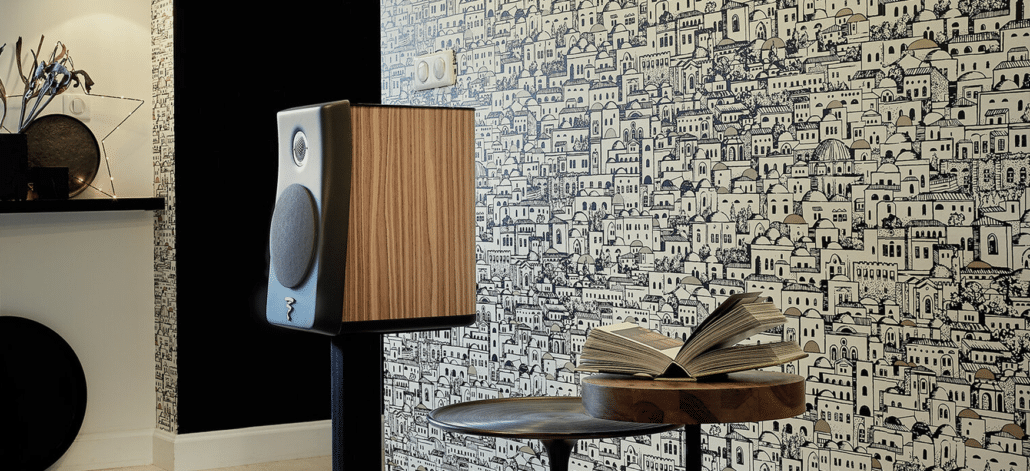
Setting up bookshelf speakers properly is essential for achieving the best sound quality in any audio system. A well-optimized setup enhances the listening experience by ensuring that sound is produced accurately and evenly throughout the room. Here’s a guide to help you position your bookshelf speakers effectively and understand the importance of speaker stands, isolation pads, and room placement.
Speaker Positioning for Best Sound Quality
Positioning your bookshelf speakers correctly is crucial for achieving optimal audio performance. The following steps Artikel the best practices:
1. Height Adjustment: Position speakers so that the tweeter (high-frequency driver) is at ear level when seated. This alignment ensures that the sound is directed towards the listener’s ears for clearer highs and better overall coherence.
2. Distance from Walls: Keep speakers at least 12 inches away from the wall to minimize reflections that can muddy the sound. This distance helps in achieving a clearer and more open soundstage.
3. Toe-In Angle: Angle the speakers slightly towards the listening area. This toe-in helps create a more focused sound image and better stereo separation.
4. Symmetrical Placement: Place the speakers symmetrically in relation to the walls and the listening position. This symmetry promotes balanced sound distribution across the soundstage.
5. Avoid Obstructions: Ensure that there are no obstructions (like furniture) directly between the speakers and the listening area. Clear paths allow for unimpeded sound waves, enhancing clarity and detail.
Importance of Speaker Stands and Isolation Pads
Using speaker stands and isolation pads can significantly improve the performance of bookshelf speakers. Here’s why they are important:
– Speaker Stands: Elevating the speakers off the ground helps in achieving the ideal height for sound projection. Additionally, sturdy stands reduce vibrations that can distort sound quality, ensuring a more accurate reproduction.
– Isolation Pads: Placing isolation pads under speakers minimizes resonance and prevents vibrations from traveling to the surface on which the speakers are placed. This can greatly enhance clarity, especially in the lower frequency ranges, resulting in a tighter bass response.
Role of Room Placement and Furniture in Sound Optimization
Room placement significantly affects the acoustics and overall sound quality produced by bookshelf speakers. The arrangement of furniture and the dimensions of the room play a critical role in shaping the audio experience. Key considerations include:
– Room Size and Shape: Larger rooms may require more powerful speakers or additional subwoofers, while smaller spaces can benefit from compact models. The shape of the room can also affect how sound waves bounce around, influencing the clarity and balance of the audio.
– Furniture Arrangement: Soft furnishings like sofas or curtains can absorb sound, which may help reduce harshness in the audio. Conversely, hard surfaces can reflect sound, potentially leading to echoes or a boomy bass response. Positioning furniture strategically can help in controlling these effects.
– Listening Zone: Establishing a dedicated listening zone in the room can enhance the audio experience. This may involve creating a specific area for seating and ensuring the speakers are directed towards this space for maximum impact.
– Acoustic Treatment: Adding acoustic panels or bass traps can further optimize sound quality by managing reflections and controlling low-frequency response, promoting a clearer and more enjoyable listening experience.
Optimizing the setup of bookshelf speakers involves careful consideration of positioning, the use of stands and isolation pads, as well as awareness of the room’s acoustics and furniture layout. Following these tips will help ensure that you get the most out of your audio equipment.
Future Trends in Bookshelf Sound Technology
The evolution of bookshelf sound technology is continuously shaped by advancements in various fields, including audio engineering and consumer electronics. As we look toward the future, several emerging technologies and market trends are poised to redefine how we experience sound in compact audio systems. This exploration will cover the influence of new technologies, the role of streaming services, and how consumer preferences are driving innovative designs in bookshelf speakers.
Emerging Technologies Influencing Bookshelf Speakers
Innovations in audio technology are leading to the development of next-generation bookshelf speakers that enhance sound quality and user experience. These advancements include:
- Wireless Connectivity: Bluetooth and Wi-Fi capabilities enable seamless streaming from devices, removing the clutter of wires and enhancing user convenience.
- Smart Technology Integration: Voice assistants and smart home compatibility are becoming standard, allowing users to control their sound systems through voice commands and integrate them with other smart devices.
- High-Resolution Audio Support: As more consumers embrace high-resolution audio formats, bookshelf speakers are being designed to support these formats, providing a richer listening experience.
- Advanced DSP (Digital Signal Processing): The use of DSP allows for improved sound calibration, optimizing audio output to suit varying room acoustics and user preferences.
Impact of Streaming Services on Bookshelf Sound Preferences
The rise of streaming services has significantly influenced consumer preferences in audio consumption. Today, platforms like Spotify, Apple Music, and Tidal provide users with unprecedented access to vast libraries of music and audio content. This accessibility has created a demand for speakers that can deliver high-quality sound at competitive price points. The following points highlight this impact:
- Increased Demand for Versatility: Consumers now seek speakers that can easily adapt to different genres and audio formats, prompting manufacturers to focus on versatility in their designs.
- Focus on User Experience: The integration of easy-to-use interfaces and mobile app functionalities has become essential as listeners prefer streamlined control over their audio experiences.
- Emphasis on Aesthetic Design: As streaming services encourage personalized playlists, consumers desire speakers that not only sound good but also complement their home decor.
Consumer Demands Shaping Speaker Design
The demands of consumers are directly influencing the design and functionality of bookshelf speakers. As audiophiles and casual listeners alike express their preferences, manufacturers are adapting to meet these needs. In recent years, there has been a noticeable shift towards more compact and aesthetically pleasing designs without compromising sound quality. Key trends include:
- Compact Form Factors: As urban living spaces become smaller, the demand for compact yet powerful speakers has surged. Manufacturers are harnessing advanced materials and engineering to maximize sound output in smaller enclosures.
- Customization Options: Many brands are beginning to offer customizable finishes and colors, acknowledging that consumers value personalization in their audio equipment.
- Sustainability Considerations: As environmental awareness grows, consumers are gravitating towards brands that prioritize eco-friendly materials and production practices, influencing manufacturers to adopt sustainable methods.
“The future of bookshelf speakers is not just about sound; it’s about delivering a holistic experience that resonates with consumer lifestyles.”
Summary
In conclusion, bookshelf sound is not just about compactness; it embodies a blend of innovation and tradition that enhances our auditory experiences. As we reflect on the evolution and future of bookshelf speakers, it becomes evident that their role in audio systems will continue to grow, shaping how we enjoy music and movies in our homes.
Question & Answer Hub
What are bookshelf speakers typically used for?
Bookshelf speakers are commonly used for music listening, home theater setups, and as part of multi-channel audio systems, offering excellent sound quality in smaller spaces.
Can bookshelf speakers be used for professional audio?
Yes, many bookshelf speakers provide quality enough for professional audio applications, such as studio monitoring, although it’s essential to choose models designed for that purpose.
Do bookshelf speakers require a subwoofer?
While bookshelf speakers can deliver impressive bass, adding a subwoofer can enhance low frequencies and provide a fuller sound experience, especially for genres that rely heavily on bass.
How should bookshelf speakers be positioned for optimal sound?
Bookshelf speakers should be placed at ear level and angled towards the listening area, with enough space around them to avoid obstruction and interference from nearby surfaces.
What should I consider when matching amplifier to bookshelf speakers?
Consider the speaker’s impedance, power handling capabilities, and sensitivity to ensure compatibility with the amplifier for optimal performance and sound quality.