
 Zoe Nora
Ceiling speakers are a game-changer in the realm of home audio systems, seamlessly blending sound with your living space. Imagine enjoying your favorite tunes or movies surrounded by crisp, clear audio that fills the room without bulky equipment cluttering your floors.
These speakers not only elevate the aesthetic of your home but also enhance sound quality and provide a spatial audio experience. Whether you’re setting up a home theater or looking to create a multi-room audio setup, ceiling speakers can transform the way you experience sound in your home.
The Benefits of Ceiling Speakers for Home Audio Systems
Integrating ceiling speakers into a home audio system can significantly elevate the overall audio experience. Unlike traditional floor-standing or bookshelf speakers, ceiling speakers offer a sleek, unobtrusive solution that blends seamlessly with any interior design. They provide a modern aesthetic while delivering high-quality sound, making them an increasingly popular choice for homeowners looking to enhance their audio setup.
One of the primary benefits of ceiling speakers is their ability to create an immersive soundscape. By positioning speakers in the ceiling, sound can propagate more evenly throughout the room, resulting in a distribution that fills the space without the need for multiple speakers cluttering the floor. This layout enhances sound quality and spatial audio experience, allowing for a more natural listening environment. The placement of ceiling speakers allows for sound to be reflected off walls and surfaces, providing depth and dimensionality to audio playback. With the right calibration, these speakers can create a surround sound experience, perfect for watching movies or enjoying music.
Scenarios Where Ceiling Speakers Excel
Ceiling speakers are especially beneficial in various scenarios that require high-quality audio without the clutter of conventional speakers. Here are some examples where ceiling speakers truly shine:
- Home Theaters: In a home theater setup, ceiling speakers can be used to create an immersive audio experience akin to that of a commercial cinema. By positioning speakers around the seating area, sound can envelop viewers, making action scenes more exciting and dialogue clearer.
- Multi-Room Audio Systems: When designing a multi-room audio system, ceiling speakers are an excellent choice. They enable a seamless audio experience across different spaces without protruding wiring and bulky speakers. Whether entertaining guests or relaxing in another room, music can flow effortlessly throughout the home.
- Living Rooms and Open Spaces: In open-concept areas, ceiling speakers can help maintain a clean aesthetic while ensuring sound is evenly distributed. This setup avoids the directional limitations of traditional speakers, allowing guests to enjoy music regardless of where they are located in the room.
- Outdoor Areas: For patios or outdoor gatherings, ceiling speakers can be installed in covered areas, such as porches, to provide high-quality sound that enhances the outdoor experience without taking up valuable space.
In these scenarios, the unobtrusive nature of ceiling speakers, coupled with their ability to provide excellent sound quality, makes them an ideal choice for enhancing the home audio experience. Sound quality is not just about volume; it’s about achieving a rich and balanced auditory environment that ceiling speakers can deliver effectively. Integrating them into your audio system can truly transform how you experience music and sound in your home.
Installation Techniques for Ceiling Speakers
Installing ceiling speakers can significantly enhance your home audio experience, providing immersive sound without sacrificing space. Whether you’re setting up a surround sound system or just adding ambience to a room, understanding the proper installation techniques is crucial for achieving optimal sound quality.
To begin the installation of ceiling speakers, you’ll want to follow a systematic approach to ensure everything is done correctly and securely. This step-by-step guide will cover the necessary tools, the installation process, and common pitfalls to watch out for during your project.
Step-by-Step Installation Process
Before starting the installation, gather all necessary tools. The right equipment can make a significant difference in the ease and success of your project. Typically, you will need:
- Stud finder – to locate joists and avoid drilling into them.
- Drill with appropriate bit sizes – for creating holes for speaker connections and mounting.
- Wire stripper – to prepare speaker wire for connection.
- Level – to ensure that your speakers are perfectly aligned.
- Measuring tape – to accurately place speakers at the desired locations.
- Insulation blade – for cutting through any insulation that may obstruct your installation.
- Screwdriver – for securing speaker brackets or screws.
With tools in hand, it’s time to get started on the installation process:
- Plan Your Speaker Layout: Determine the ideal locations for your ceiling speakers. Consider factors like room acoustics and speaker distance for optimal sound distribution.
- Mark the Speaker Locations: Use your measuring tape and level to mark where each speaker will be installed. Ensure these marks are consistent and symmetrical for an even appearance.
- Cut the Holes: Use the stud finder to check for joists and avoid them when cutting holes. Carefully cut out the marked areas with your drywall saw.
- Run the Speaker Wire: Feed the speaker wire from your receiver to each speaker location. Secure it alongside existing wires to maintain a clean look.
- Connect the Speakers: Strip the ends of the speaker wires and connect them to the speakers as per the manufacturer’s instructions. Ensure proper polarity is maintained (positive to positive, negative to negative).
- Mount the Speakers: Place the speakers into the cutouts and secure them according to the manufacturer’s guidelines, ensuring they are flush with the ceiling.
- Test the Setup: Before finalizing everything, test the sound quality and make adjustments as necessary to achieve the best audio output.
Tools Required and Their Importance
Using the right tools can significantly impact the efficiency and results of your ceiling speaker installation. Each tool listed earlier serves a specific purpose that contributes to a successful setup:
- Stud Finder: Prevents damage to beams, ensuring safety and structural integrity.
- Drill: Facilitates easy access for mounting and wiring, enhancing precision.
- Wire Stripper: Ensures clean connections, improving audio quality.
- Level and Measuring Tape: Guarantees professional aesthetics and sound alignment.
- Screwdriver: Securely fastens materials, ensuring stability and longevity.
Common Pitfalls to Avoid
Being aware of common mistakes can save you time and frustration during installation. Here are some pitfalls to avoid:
- Ignoring Joist Locations: Always check for joists to prevent cutting into them, which can compromise your ceiling’s structure.
- Poor Planning: Skipping the layout planning can lead to uneven sound distribution and aesthetic issues.
- Neglecting Wire Management: Failing to secure wires can lead to a messy appearance and potential hazards.
- Overlooking Sound Testing: Not testing the sound after installation may result in missed opportunities for adjustments that could enhance audio quality.
“Proper installation ensures not just sound quality but also the longevity of your ceiling speaker system.”
Comparing Ceiling Speakers to Other Speaker Types
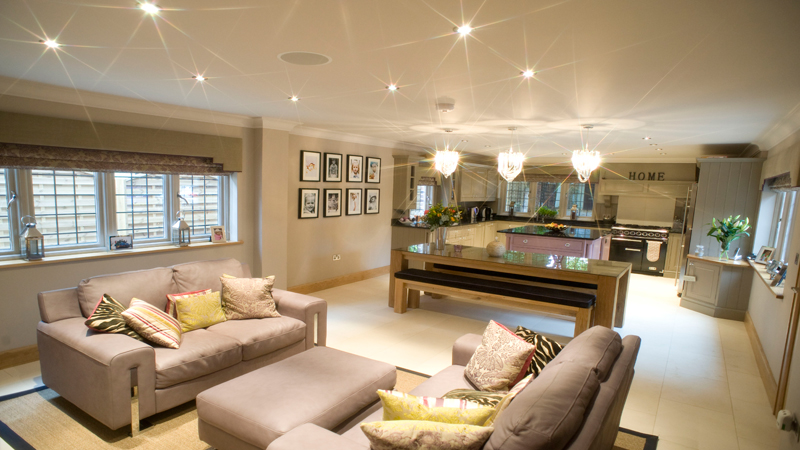
When discussing sound systems in a home environment, one of the key considerations is the choice of speakers. Ceiling speakers, often overlooked, offer unique advantages compared to traditional floor-standing and bookshelf speakers. Understanding the differences in sound delivery, placement, and aesthetics between these types can help you make an informed decision tailored to your space and listening preferences.
Sound Delivery and Placement
Ceiling speakers are designed to deliver sound evenly throughout a room, utilizing the ceiling as a natural reflector. This placement allows for a broader sound dispersion and minimizes the need for specific listening spots. In contrast, floor-standing and bookshelf speakers typically require careful placement to achieve optimal sound quality.
– Ceiling Speakers:
– Excellent for larger spaces where uniform sound distribution is desired.
– Ideal for ambient music, providing a subtle background without dominating the room.
– Floor-Standing Speakers:
– Generally offer a more robust sound experience with deeper bass.
– Best placed in a dedicated listening area where sound can be directed toward the listener.
– Bookshelf Speakers:
– Versatile and can be placed on shelves or stands, providing flexibility in positioning.
– Often deliver a balanced sound, but require strategic placement to avoid sound obstruction from furniture.
Placement of speakers significantly affects the acoustic experience. For instance, ceiling speakers can seamlessly blend into the architecture, maintaining an open and spacious feel, while floor-standing speakers may introduce a more traditional and statement-making element.
Ideal Use Cases in Home Environments
Selecting the right type of speaker often depends on the intended use and the structure of your home. Each speaker type has distinct advantages based on the environment.
– Ceiling Speakers:
– Perfect for home theaters or multi-purpose rooms where space optimization is key.
– Suitable for environments where aesthetics are prioritized, such as modern or minimalist designs.
– Floor-Standing Speakers:
– Recommended for dedicated audio rooms, providing a rich auditory experience for music enthusiasts.
– Great for setups where a powerful bass response is necessary, such as gaming or cinema experiences.
– Bookshelf Speakers:
– Ideal for smaller spaces, offering a compact option without sacrificing sound quality.
– Commonly used in home offices or libraries, where they can blend in with existing furniture and decor.
Aesthetic Advantages of Ceiling Speakers
In terms of room design, ceiling speakers offer distinct aesthetic benefits over traditional speakers. They are often less obtrusive, making them a preferred choice for maintaining the visual integrity of a space.
– Seamless Integration:
– Ceiling speakers can be flush-mounted, creating a clean and unobtrusive look.
– They do not take up floor space, allowing for more furniture layout options.
– Design Flexibility:
– Available in various styles and colors, ceiling speakers can complement any interior design theme.
– They can be installed in a way that highlights architectural features, blending sound with style.
– Minimalist Appeal:
– Ideal for homeowners seeking a modern, uncluttered aesthetic.
– Reduces visual clutter compared to floor-standing or bookshelf speakers, which can dominate a room’s design.
In summary, while ceiling speakers provide unique benefits in terms of sound delivery, placement, and aesthetics, the choice between ceiling, floor-standing, and bookshelf speakers ultimately depends on your specific needs and the characteristics of your home environment.
{Choosing the Right Ceiling Speakers for Your Space}
Selecting the right ceiling speakers is essential for achieving optimal sound quality in your home or office. The choice of speakers can significantly influence your listening experience, making it important to carefully consider your space and audio needs before making a decision. This guide will walk you through key factors to evaluate when choosing ceiling speakers, ensuring you find the perfect fit for your environment.
{Room Size and Speaker Capacity}
The size of your room greatly impacts which ceiling speakers will perform best. Larger rooms require speakers that can handle higher power levels to fill the space without distortion, while smaller rooms may benefit from less powerful models. Understanding power handling and speaker capacity is crucial in matching speakers to your environment.
– Power Handling: This refers to the maximum amount of power a speaker can handle without damage. For larger rooms, look for speakers with higher wattage ratings (e.g., 100 watts or more) to ensure they can produce adequate sound levels.
– Speaker Size: Generally, larger speakers can produce deeper bass and higher volume, making them suitable for bigger spaces. Conversely, smaller speakers can be effective in compact areas where space is limited.
{Frequency Response and Sound Quality}
Frequency response indicates how well a speaker can reproduce different sound frequencies, impacting overall sound quality. When choosing ceiling speakers, consider the frequency range that suits your audio preferences, whether it’s for music, movies, or general background sound.
– Full Range Speakers: These typically cover a broad frequency range (20Hz to 20kHz), allowing for a more immersive listening experience. Ideal for music enthusiasts who require rich sound across various genres.
– Subwoofers: For those who enjoy bass-heavy music or home theater systems, integrating a ceiling subwoofer can enhance low-end frequencies significantly, providing deeper bass that standard speakers might lack.
{Budget and Model Recommendations}
Selecting ceiling speakers also involves considering your budget. Fortunately, there are numerous options available across various price ranges. Here are some top-rated models categorized by budget:
– Budget-Friendly Options:
– Polk Audio RC80i: Affordable, versatile, and well-reviewed for its balanced sound and ease of installation.
– Mid-Range Choices:
– Klipsch R-1650-C: Known for its excellent clarity and dynamic sound, making it a great choice for mid-sized rooms.
– Premium Models:
– Bowers & Wilkins CCM664: Offers superior sound quality and a sleek design, ideal for audiophiles seeking performance.
Ensuring you assess each of these elements will help you decide on the most suitable ceiling speakers for your unique space, maximizing both audio quality and listening enjoyment.
Wiring and Connectivity Options for Ceiling Speakers
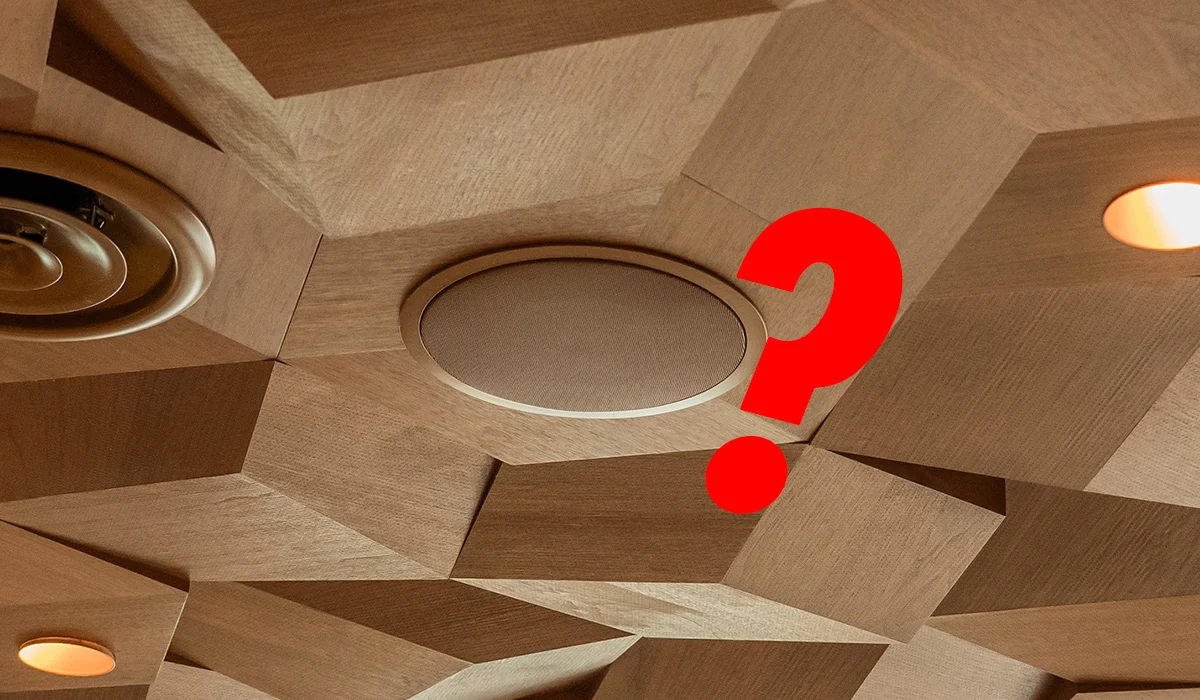
Ceiling speakers are becoming increasingly popular due to their ability to blend seamlessly into the home environment while delivering high-quality audio. However, choosing the right wiring and connectivity options is crucial for maximizing performance and usability. This overview will delve into the various installation methods available, highlighting the significance of proper wiring techniques and innovative connectivity solutions that enhance the overall experience.
Wired and Wireless Setup Options
When it comes to connecting ceiling speakers, there are primarily two options: wired and wireless setups. Each option has its benefits and considerations that can affect sound quality and installation complexity.
Wired setups typically involve running speaker wire from the amplifier or receiver to each individual speaker. This method is preferred for its reliability and sound quality, as wired connections can transmit full-range audio without interference or latency issues. The following points highlight essential aspects of wired systems:
- Sound Quality: Wired connections generally offer superior sound fidelity, ensuring that the audio delivered is rich and clear.
- Power Supply: Traditional wired systems often require access to power outlets for amplifiers, which may influence speaker placement.
- Installation Complexity: Installing wired ceiling speakers can require more labor-intensive efforts, including cutting into ceilings and running cables.
In contrast, wireless setups have gained traction for their ease of installation and flexibility. These systems utilize Wi-Fi or Bluetooth technology to transmit audio signals without the need for physical wiring. Some points to consider include:
- Flexibility: Wireless speakers can be placed anywhere within the range of the network, making it easy to adjust layouts without worrying about cable management.
- Smart Home Compatibility: Many wireless systems integrate with smart home platforms, allowing for voice control and automation.
- Audio Quality: While advancing technology has improved wireless sound quality, it can still be susceptible to interference, particularly in densely populated areas.
Importance of Proper Wiring Techniques
The quality of wiring techniques directly impacts the performance of ceiling speakers. Proper installation ensures not only optimal sound quality but also longevity of the equipment. Here are a few crucial points to keep in mind:
- Wire Gauge: Using the correct gauge of speaker wire is vital, as thicker wires (lower gauge numbers) reduce resistance and improve sound quality over longer distances.
- Connections: Ensure all connections are secure to prevent signal loss. Loose or corroded connections can lead to diminished audio quality.
- Installation Method: Following best practices during installation, such as avoiding sharp bends and ensuring proper insulation, can prevent interference and potential damage.
“Proper wiring is the backbone of any audio setup; neglecting it can lead to disappointing sound performance.”
Innovative Connectivity Solutions
Today’s technology has introduced numerous innovative connectivity solutions that enhance the usability of ceiling speakers. These advancements not only simplify installation but also provide greater control and integration with other systems.
- Smart Home Integration: Many ceiling speakers now come equipped with capabilities to connect to smart home ecosystems like Amazon Alexa or Google Assistant, allowing for voice-controlled audio playback.
- Multi-Room Audio Systems: Technologies such as Sonos and HEOS enable users to play different audio in multiple rooms or sync music across various speakers, creating a cohesive auditory experience.
- Mobile App Controls: Several modern systems offer mobile applications for easy control over volume levels, audio sources, and speaker settings right from a smartphone.
These innovative solutions redefine how we interact with audio in our living spaces, making it possible to enjoy immersive sound experiences with minimal hassle.
Maintenance Tips for Ceiling Speakers
Maintaining ceiling speakers is crucial for ensuring optimal performance and longevity. Like any audio equipment, these speakers require regular care to function at their best. By adhering to a structured maintenance routine, you can prevent common issues, enhance sound quality, and extend the lifespan of your ceiling speakers.
Regular inspection and cleaning play a key role in audio equipment maintenance. Over time, dust and debris can accumulate, affecting sound clarity and performance. Additionally, early detection of any potential problems can save time and money on repairs. The following tips Artikel a comprehensive routine for maintaining your ceiling speakers.
Routine Cleaning Procedures
Establishing a regular cleaning schedule is fundamental to preserving the quality of ceiling speakers. This prevents the buildup of dust and grime that can hinder audio performance. Here are effective cleaning methods to consider:
- Dusting: Use a soft, dry microfiber cloth to gently wipe the surface of the speakers. Avoid using any abrasive materials that can scratch or damage the finish.
- Vacuuming: Utilize a vacuum with a brush attachment to remove dust from the speaker grills. This helps maintain airflow and sound clarity.
- Cleaning Solutions: For tougher stains or marks, use a mild soap solution on a damp cloth. Ensure that no liquid seeps into the speaker components.
- Grill Removal: If possible, carefully remove the speaker grill for deeper cleaning. This allows access to the cone and inner components which can also collect dust.
Troubleshooting Common Issues
Troubleshooting is an essential part of speaker maintenance. Addressing common issues promptly helps in maintaining sound quality and performance. Here are some common problems and their solutions:
- No Sound: Check the connections, ensure the amplifier is functioning, and confirm that the audio source is working correctly.
- Distorted Sound: This might indicate an issue with the speaker itself or the audio source. Check for any loose connections or damaged cables.
- Low Volume: If the sound is noticeably low, check the amplifier settings and ensure that there are no obstructions blocking the speaker output.
- Intermittent Sound: This could be caused by faulty wiring or connections. Inspect all cables and connections thoroughly for tightness and damage.
Significance of Regular Inspection
Regular inspections are vital for the longevity of ceiling speakers. By scheduling periodic checks, you can identify potential issues before they escalate. Here’s why inspection is important:
- Prevention of Damage: Regularly examining your speakers can help detect wear and tear, preventing costly repairs or replacements.
- Performance Optimization: Inspections allow you to adjust settings, clean components, and ensure overall performance remains at its peak.
- Safety: Checking for signs of electrical issues, like frayed wires or overheating, can prevent hazards that might arise from faulty equipment.
- Enhanced Listening Experience: Consistent maintenance leads to better sound quality, providing an enhanced experience whether for casual listening or critical audio work.
Future Trends in Ceiling Speaker Technology
As home audio technology evolves, ceiling speakers are becoming increasingly sophisticated, integrating innovative features and designs that cater to the needs of modern consumers. The future of ceiling speaker technology is set to change the way we experience sound in our living spaces, combining aesthetics with high-performance audio.
Emerging technologies are significantly shaping ceiling speakers, making them more versatile and appealing for various environments. One of the most notable advancements is the integration of smart home features, allowing ceiling speakers to connect seamlessly with home automation systems. This trend not only enhances sound quality but also offers convenience and flexibility for users.
Advancements in Sound Technology
Recent advancements in sound technology are revolutionizing ceiling speakers, ensuring that audio quality is prioritized without compromising on design. The following points highlight key developments in this area:
- Wireless Connectivity: Bluetooth and Wi-Fi capabilities allow for easy streaming from various devices, reducing the clutter of wires and enhancing user experience.
- Beamforming Technology: This innovative approach directs sound to specific areas, improving audio clarity and reducing unwanted noise, which is particularly beneficial in larger spaces.
- Adaptive Sound Adjustment: Some ceiling speakers now feature built-in sensors that analyze room acoustics and automatically adjust sound output for optimal performance, catering to the specific environment.
- High-Resolution Audio Support: As consumers demand higher quality sound, many ceiling speakers now support high-resolution audio formats, ensuring a richer listening experience.
The integration of these advancements not only enhances the overall audio experience but also appeals to consumers looking for high-quality sound solutions that fit seamlessly into their homes.
Influence on Consumer Choices
The trends in ceiling speaker technology significantly influence consumer preferences, shaping their purchasing decisions. Key factors include:
- Aesthetic Integration: Sleek designs that blend with ceilings and interiors attract consumers who value both form and function in their audio devices.
- Smart Features: As smart home technology becomes more prevalent, consumers are leaning towards ceiling speakers that offer compatibility with voice assistants and home automation systems.
- Emphasis on Sound Quality: With the increased availability of high-fidelity sound options, consumers are more likely to invest in speakers that promise superior audio performance.
- Environmental Considerations: Sustainable materials and energy-efficient designs are gaining traction, appealing to environmentally conscious consumers.
As these trends continue to evolve, they will likely reshape the market landscape, prompting manufacturers to innovate and adapt to meet consumer expectations.
The Role of Ceiling Speakers in Surround Sound Systems
Ceiling speakers play a pivotal role in creating an immersive audio environment within surround sound systems. They enhance the listening experience by providing overhead sound, which is essential for an engaging and realistic audio backdrop, particularly in home theater systems. The integration of ceiling speakers allows for an expanded soundstage, making movies, music, and games feel more lifelike, as audio seems to come from all directions.
Integrating ceiling speakers into a surround sound system involves careful planning and consideration of placement and configuration. When strategically positioned, ceiling speakers contribute to a more dynamic sound experience by reproducing sounds from above. Common configurations include using ceiling speakers in conjunction with traditional floor-standing or bookshelf speakers to complement the surround sound setup.
Recommended Configurations for Optimal Sound Distribution
Achieving optimal sound distribution in a home theater system with ceiling speakers requires specific configurations. Here are several recommended setups that can enhance audio performance:
- 5.1 Surround Sound System: In a standard 5.1 setup, ceiling speakers can be added as height channels, enhancing the overhead sound effects that create a more enveloping experience.
- 7.1 Surround Sound System: This configuration can include two ceiling speakers, providing additional sound sources that help create a multi-dimensional audio environment.
- Dolby Atmos Setup: For the most immersive experience, utilize ceiling speakers as part of a Dolby Atmos system. This format allows for precise sound placement in a three-dimensional space, making sounds appear to move overhead.
In each of these configurations, it is crucial to ensure that the ceiling speakers are matched in terms of quality and output with the other speakers in the system. This prevents any imbalance that could detract from the overall audio experience.
Impact of Ceiling Speaker Placement on Audio Experience
The placement of ceiling speakers significantly affects the overall audio experience. Proper placement ensures that sound is evenly distributed across the listening area, enhancing clarity and immersion. Key considerations for placement include:
- Distance from Walls: Ceiling speakers should be positioned at least a few feet away from walls to minimize sound reflection and ensure a cleaner audio signal.
- Aiming Direction: If possible, select adjustable ceiling speakers that can be angled toward the listening area to focus sound where it’s needed most.
- Room Size and Shape: Larger rooms may benefit from multiple ceiling speakers to cover greater areas, while smaller rooms may require fewer speakers to avoid overwhelming the space.
Incorporating these considerations into the design of a home theater system ensures that ceiling speakers contribute to a rich and immersive sound experience, making every audio moment more impactful and engaging.
The Role of Ceiling Speakers in Surround Sound Systems
Ceiling speakers play a vital role in enhancing the audio experience within surround sound systems, offering a unique way to achieve immersive soundscapes. When integrated correctly, these speakers help create a three-dimensional audio field that elevates movie watching and music listening to a new level of enjoyment.
Integrating ceiling speakers into a surround sound system can transform a standard home theater into a truly immersive environment. By positioning speakers above the listening area, sound can be directed in ways that mimic a live performance or cinematic experience. This overhead audio enhances the realism of sound effects and music, allowing the listener to feel surrounded by sound rather than just hearing it from the front or sides.
Recommended Configurations for Optimal Sound Distribution
Utilizing ceiling speakers effectively requires careful planning and configuration. Different setups can lead to varying audio experiences, so it’s crucial to consider the following arrangements to maximize sound distribution.
- 5.1 Surround Sound Configuration: This includes five standard speakers and one subwoofer. Ceiling speakers can be used as height channels, enhancing the immersive experience by adding a vertical dimension to the audio.
- 7.1 Surround Sound Configuration: Similar to the 5.1 setup, but with two additional speakers for improved surround sound. Ceiling speakers in this setup can serve as overhead effects speakers, delivering ambient sounds that elevate the overall experience.
- Dolby Atmos Integration: This advanced configuration allows ceiling speakers to create a three-dimensional sound environment. By supporting height channels, Dolby Atmos can reproduce sounds as if they are coming from above, enhancing the realism of soundtracks and sound effects.
Careful attention to speaker placement is essential to achieve the best results in both configurations.
Impact of Ceiling Speaker Placement on Overall Audio Experience
The placement of ceiling speakers significantly influences how sound is perceived within the listening space. Proper positioning can lead to a more cohesive and enveloping sound field, while poor placement may result in an uneven audio experience.
Considerations for optimal placement include:
- Distance from Walls: Ceiling speakers should be placed away from walls to minimize reflections that could muddle sound clarity. Ideally, they should be positioned at least two feet from the nearest wall.
- Angle and Direction: Speakers should be angled towards the primary listening area. This focus ensures that sound waves are directed where they are most needed, helping to create a more engaging auditory experience.
- Height Considerations: Typically, ceiling speakers should be installed at least seven to nine feet above the floor. This height allows for optimal sound dispersion while minimizing interference from furniture and other obstructions.
To illustrate the importance of placement, consider a home theater that incorporates ceiling speakers for an immersive movie night. If the speakers are positioned correctly, the sound of rain might feel as if it’s falling from above, while a helicopter might sound as if it’s flying overhead. This level of detail in sound placement significantly enhances the viewer’s engagement in the film’s narrative.
“Effective sound placement transforms a basic audio setup into a captivating auditory journey.”
Closure
In conclusion, integrating ceiling speakers into your audio system can significantly enhance your listening experience while adding sophistication to your home decor. Embracing the advantages of this technology not only helps in achieving superior sound quality but also paves the way for future innovations in home audio.
Q&A
What are ceiling speakers best for?
Ceiling speakers are ideal for creating immersive audio experiences in home theaters, living rooms, and multi-room audio setups.
Are ceiling speakers easy to install?
With the right tools and guidance, ceiling speakers can be installed relatively easily, though professional installation is recommended for complex setups.
Can ceiling speakers be used for outdoor spaces?
Yes, certain ceiling speakers are designed for outdoor use, providing durable materials and weather resistance.
How do ceiling speakers compare in sound quality to traditional speakers?
While ceiling speakers offer great sound quality, traditional speakers may provide more direct sound delivery. The choice depends on room design and audio preferences.
Do I need a special amplifier for ceiling speakers?
Depending on the speakers’ specifications, you may need an amplifier that matches their power handling and impedance for optimal performance.
Can I connect ceiling speakers to a smart home system?
Many ceiling speakers can be integrated into smart home systems, allowing for convenient control and connectivity options.