
 Zoe Nora
Center channel speakers play a pivotal role in elevating your home theater experience, providing clarity and depth to audio that transforms simple viewing into an immersive adventure. These speakers are specifically designed to handle dialogue and key sound elements in movies and shows, ensuring you don’t miss a word or sound detail.
By understanding their functionality and importance, you can better appreciate how they fit into your overall audio setup, enhancing every viewing with crisp, clear sound that brings characters and scenes to life.
Understanding the Functionality of a Center Channel Speaker
A center channel speaker plays a pivotal role in the audio landscape of a home theater system. Unlike standard left and right speakers that provide a more dispersed soundstage, the center channel speaker is designed to anchor dialogue and critical audio elements, ensuring that sound is directed towards the viewer. This focus on clarity and precision enhances the overall viewing experience, particularly during movie scenes filled with dialogue or intricate soundscapes.
The primary function of a center channel speaker is to enhance audio clarity, especially in dialogue reproduction. By positioning the speaker centrally, it allows sound to emanate directly from the screen, creating a coherent audio experience that aligns with the visual action. This alignment is crucial in maintaining immersion, as viewers can easily follow conversations and narrative developments without straining to discern spoken words. The center channel speaker often includes multiple drivers and a wider frequency range, which enables it to handle the nuances of human speech effectively.
Dialogue Reproduction in Movies and Shows
One of the most significant contributions of a center channel speaker is its ability to reproduce dialogue with remarkable clarity. The speaker is engineered to deliver vocal frequencies prominently, allowing for enriched dialogue that stands out against background noise and musical scores.
Key features that enhance dialogue reproduction include:
- Driver Configuration: Most center channel speakers are equipped with multiple woofers and tweeters, which work together to produce a balanced sound that is rich in detail.
- Frequency Response: These speakers are typically designed to handle a frequency range that is optimal for human voices, ensuring that dialogue sounds natural and lifelike.
- Positioning: By placing the center channel speaker at ear level and directly below or above the screen, sound appears to originate from the actors on screen, enhancing the realism of the viewing experience.
The effectiveness of a center channel speaker in dialogue reproduction can dramatically alter the impact of a film or television show. For example, in action films where sound effects and music are prevalent, clear dialogue ensures that crucial plot points are not lost. Viewers can feel more engaged when they can easily follow the storyline without distractions.
Common Configurations with Center Channel Speakers
To achieve optimal sound quality, center channel speakers are often integrated into various audio setups alongside other components. The most common configurations include:
- 5.1 Surround Sound Systems: This setup includes five speakers – left, center, right, and two surround speakers – along with a subwoofer. The center channel speaker is essential in this configuration, as it anchors the dialogue and central audio elements.
- 7.1 Surround Sound Systems: An extension of the 5.1 system, this configuration adds two additional speakers for enhanced surround sound. The center channel still plays a critical role in managing dialogue while providing a more immersive audio experience.
- Soundbar Systems: Some soundbars integrate a center channel speaker to improve dialogue clarity. Although soundbars may not provide the same depth as traditional setups, many are designed with technology to simulate surround sound effects.
These configurations exemplify the importance of the center channel speaker in creating a cohesive and immersive home theater experience. Whether it’s a thrilling blockbuster or a quiet drama, having a dedicated center channel speaker ensures that every word is heard clearly, enhancing the overall enjoyment of the content.
The Importance of Speaker Placement for Optimal Sound Quality
Proper speaker placement is crucial in achieving the best sound quality, particularly for the center channel speaker in a home theater system. The center speaker is responsible for delivering dialogue and central sounds, making its positioning vital for an immersive audio experience. The right placement ensures that sounds are directed towards the listener, providing clarity and depth to the overall soundstage.
Room acoustics play a significant role in how the center channel speaker performs. Factors such as room size, furnishings, and wall materials can affect sound reflection, absorption, and diffusion, ultimately impacting audio clarity. A well-placed center channel speaker not only improves dialogue intelligibility but also enhances the listener’s overall experience by creating a seamless audio environment that complements the visual elements of a movie or gaming experience.
Ideal Positioning of a Center Channel Speaker
To achieve optimal sound quality from your center channel speaker, consider the following key factors:
– Height: The center speaker should be positioned at ear level when seated. This typically means placing it on a shelf, table, or mounting it to the wall. If the speaker is too high or too low, it can result in skewed sound perception, where dialogues may sound off or unclear.
– Angle: Aim the center speaker directly towards the listening area. A slight upward angle might be necessary if it’s placed below ear level. Conversely, if it’s above ear level, angling it downward can help direct sound to the listener’s ears.
– Distance from Walls: Keep the center speaker a few inches away from the wall to prevent unwanted reflections, which can muddle the sound. Ideally, the speaker should not be completely enclosed in a cabinet, as this can lead to bass overshadowing dialogue.
The arrangement of furniture and other elements in the room can also impact sound quality. Ensuring that there are minimal obstructions between the speaker and the listening area will facilitate clearer audio transmission.
Assessing Room Acoustics
Understanding how room acoustics affect sound quality is vital for optimizing the center channel speaker’s performance. A few considerations include:
– Room Dimensions: The size and shape of the room can influence sound waves. Larger rooms may require more powerful speakers to fill the space adequately, while smaller rooms need careful placement to avoid overwhelming bass.
– Surface Materials: Hard surfaces, such as tile or hardwood floors, can reflect sound and create echoes. In contrast, softer materials like carpets, curtains, and upholstered furniture tend to absorb sound, reducing echo and improving clarity.
– Listening Position: The position of seating can impact how sound is perceived. Ideally, the main listening position should form an equilateral triangle with the speakers for balanced audio.
To assess the best height and angle for your center channel speaker, consider conducting simple tests by playing familiar audio clips. Adjust the placement while listening for changes in sound clarity and dialogue intelligibility. Ensuring that the speaker is well-placed based on these factors can significantly enhance your audio experience.
Proper speaker placement and room acoustics are as essential as the speaker quality itself for achieving an immersive sound experience.
Comparing Different Types of Center Channel Speakers
When it comes to enhancing your home theater experience, the center channel speaker plays a crucial role in delivering clear dialogue and creating an immersive soundstage. Understanding the different types of center channel speakers available in the market can help you make an informed decision based on your specific needs and preferences.
Center channel speakers primarily come in two types: bookshelf and floor-standing models. Each type has distinct characteristics, including sound performance, aesthetics, and pricing, which can significantly influence your choice.
Types of Center Channel Speakers
The selection of center channel speakers can greatly affect audio quality and the overall look of your entertainment space. Here’s a detailed comparison of the two main types:
- Bookshelf Speakers:
These compact speakers are designed to fit on shelves or furniture, making them ideal for smaller spaces. Despite their size, they can deliver impressive sound performance.
- Floor-Standing Speakers:
These larger models are designed to stand on the floor and often feature multiple drivers, resulting in a richer sound experience. They are suitable for larger rooms but may require more space.
Pros and Cons of Each Type
Evaluating the advantages and disadvantages of bookshelf and floor-standing center channel speakers can guide your purchasing decision. Here’s a breakdown of each type:
| Type | Pros | Cons |
|---|---|---|
| Bookshelf Speakers |
|
|
| Floor-Standing Speakers |
|
|
“Choosing the right center channel speaker can enhance your audio experience and ensure clarity in dialogue and sound effects.”
This comparison highlights the importance of considering both sound performance and aesthetics when selecting a center channel speaker. The decision ultimately depends on the specific requirements of your room setup and your personal audio preferences.
Integrating a Center Channel Speaker with Surround Sound Systems
In the realm of home theater audio, the center channel speaker plays a crucial role, often considered the backbone of a surround sound system. It is primarily responsible for delivering dialogue and central audio elements, which enhances the overall clarity and immersion of the viewing experience. Without a properly integrated center channel speaker, sound can become disjointed, making it difficult to follow conversations or appreciate subtle audio cues.
The connection process for a center channel speaker to an AV receiver or sound system is straightforward but crucial for optimal performance. Most AV receivers come with dedicated outputs for center channel speakers, typically labeled ‘Center’ or ‘C.’ To connect, you will need speaker wire, ensuring that the polarity is correctly matched (positive to positive, negative to negative) to avoid phase issues.
Common Surround Sound Setups Utilizing a Center Channel Speaker
Several popular surround sound configurations effectively leverage the center channel speaker, enhancing audio fidelity and creating a more engaging listening atmosphere. Here are examples of such setups:
- 5.1 Surround Sound System: This is one of the most common setups, incorporating five speakers (two front speakers, two surround speakers, and one center channel) and one subwoofer. The center channel is vital here for clear dialogue and central sounds, while the subwoofer provides deep bass, rounding out the audio experience.
- 7.1 Surround Sound System: In this configuration, the system includes an additional two surround speakers, providing a more immersive experience. The center channel remains essential for maintaining dialogue clarity amidst a richer soundscape.
- Dolby Atmos Setup: This advanced system adds height channels to the surround sound mix, but the center channel’s role is still crucial for directing dialogue and sound effects. The center speaker ensures that sound originates from the screen, enhancing the realism of the overall experience.
In each of these setups, the center channel speaker is not merely an accessory but a fundamental component that significantly impacts the quality of audio playback, ensuring that the listener remains fully engaged with the content.
The center channel speaker is pivotal in delivering clearer dialogue and anchoring sound effects to the visual action on screen.
Evaluating Sound Quality
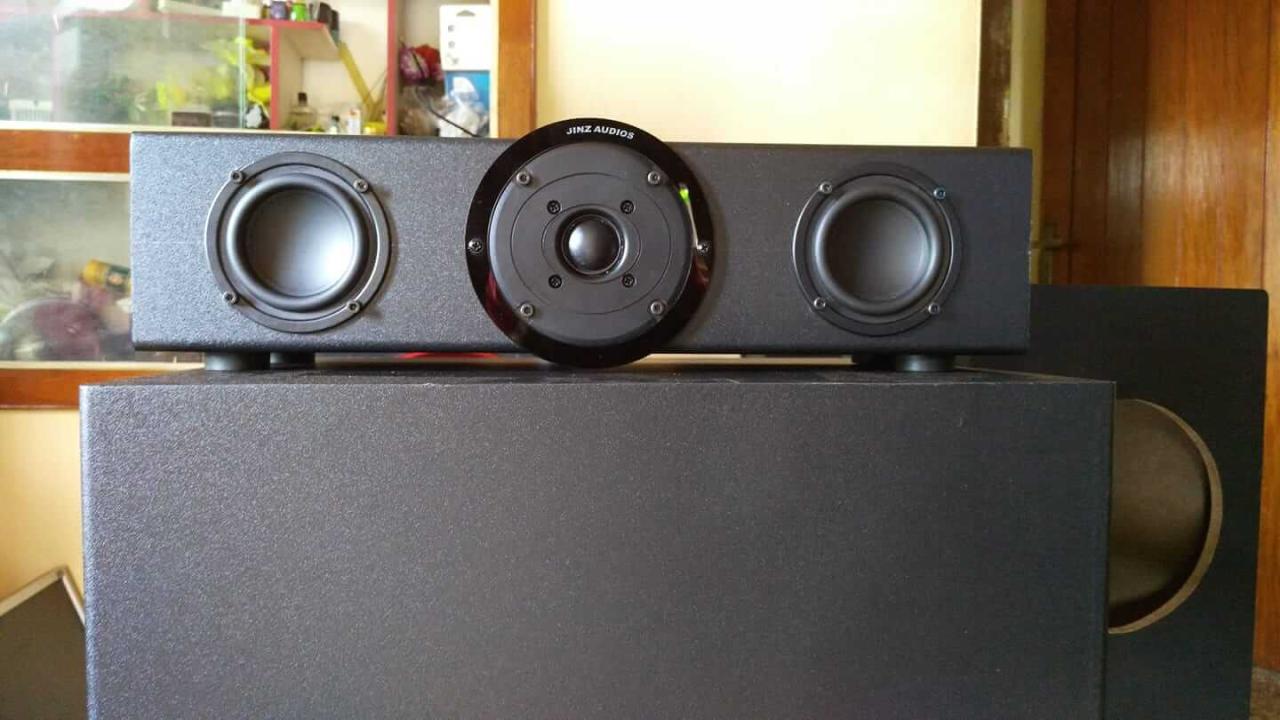
When it comes to selecting a center channel speaker, understanding sound quality is essential. This component plays a crucial role in delivering clear dialogue and enhancing the overall audio experience in home theater systems. Evaluating specific characteristics will help ensure that the speaker meets your listening preferences and fits well within your setup.
Key specifications are the first consideration in sound quality evaluation. Important metrics include frequency response and sensitivity. Frequency response indicates the range of sounds a speaker can reproduce, typically measured in Hertz (Hz). A wider frequency response can provide a more accurate representation of sounds, particularly in the lower ranges that enhance bass response. Sensitivity, measured in decibels (dB), reveals how efficiently a speaker converts power into sound. Higher sensitivity ratings mean that the speaker requires less power to produce the same volume, which can be beneficial in setups with limited amplification resources.
Materials and Design Influence
The materials used for the driver and cabinet construction significantly affect the sound quality of center channel speakers. Different materials offer unique acoustic properties that can alter sound characteristics. For example:
- Driver Materials: Woofers are often made from polypropylene or aluminum, which can influence bass response. Polypropylene is known for its durability and low distortion, while aluminum can provide a crisp, dynamic sound.
- Tweeter Materials: Soft dome tweeters can deliver warm, smooth highs, while metal dome tweeters may offer more detail and brightness in treble frequencies.
- Cabinet Design: The design of the cabinet also impacts sound quality. A well-braced enclosure minimizes unwanted resonances and enhances clarity, while ported designs can improve low-frequency response.
Listening critically is crucial before making a purchase decision. Here are some practical tips to help you evaluate a center channel speaker effectively:
- Use Reference Material: Bring your favorite music, movies, or specific audio clips that you are familiar with, as they will help you gauge the speaker’s sound reproduction capabilities.
- Test Dialogue Clarity: Pay attention to how clearly dialogues are articulated during playback. A good center channel speaker should make every word distinct, even at lower volumes.
- Check for Balance: Ensure that the speaker maintains a balanced sound across different frequencies. A speaker that emphasizes one frequency range can lead to a distorted audio experience.
- Listen at Different Volumes: Evaluate the speaker at various volume levels to see how it performs. Ensure that clarity and fidelity are maintained whether the sound is soft or loud.
- Positioning: If possible, listen to the speaker in a similar location to where you intend to place it in your home. Speaker performance can change significantly based on its environment.
The Impact of Room Size and Layout on Speaker Performance
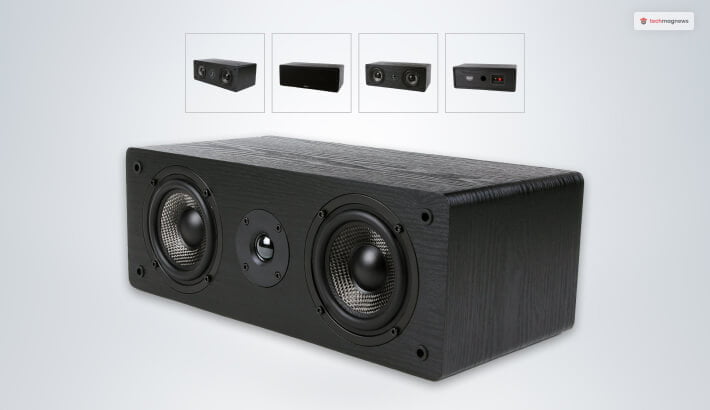
The dimensions and arrangement of a room play a crucial role in determining how effectively a center channel speaker performs. This is because sound waves interact with the environment, leading to variations in audio clarity and balance depending on the space. By examining how room size and layout affect speaker performance, we can better appreciate the need for thoughtful design in home audio systems.
Room dimensions, including ceiling height and wall distance, can significantly influence sound propagation. In larger rooms, sound waves have more space to travel, which can enhance audio depth but may also lead to sound dispersion that diminishes clarity. Conversely, smaller rooms can amplify sound but may cause issues like standing waves and acoustic reflections, which muddle audio quality. Furthermore, furniture placement can obstruct or enhance sound waves, making strategic arrangement essential.
Influence of Room Size on Speaker Performance
The size of a room can dictate the acoustic behavior experienced during sound reproduction. In small spaces, sound may bounce off walls, creating an echo effect that can detract from the audio experience.
- Smaller rooms typically require a center channel speaker to be positioned closer to the listening area to maintain clarity and dialogue intelligibility.
- In larger rooms, speakers should be oriented towards the listening area to avoid sound waves scattering, which can lead to a loss of detail.
To optimize sound performance in both small and large rooms, consider the following strategies:
- In small rooms, placing the speaker at ear level when seated can enhance clarity and minimize echoes.
- In larger rooms, utilizing multiple speakers to create a surround sound environment can improve the immersive experience.
- Experimenting with the speaker distance from walls can help find the sweet spot where bass frequencies are rich but not overpowering.
Room Treatments and Adjustments for Enhanced Audio Quality
Implementing room treatments can greatly enhance audio performance by addressing reflections and resonances. Important considerations for room treatments include:
- Acoustic panels can be strategically placed on walls to absorb unwanted reflections, especially at first reflection points to provide clearer sound.
- Rugs and carpets can help minimize sound reflection on hard surfaces, thus reducing echo and improving overall sound quality.
- Bookshelves or furniture can be used as sound diffusers, breaking up sound waves and preventing them from creating standing waves.
“Thoughtful room design, along with strategic speaker placement, can transform audio performance.”
These adjustments not only enhance clarity but also create a more enjoyable listening experience. By paying attention to room size, layout, and sound treatments, users can significantly improve the effectiveness of their center channel speaker.
Customizing Your Audio Experience with a Center Channel Speaker
A center channel speaker is a crucial component of a home theater system, primarily responsible for delivering clear dialogue and sound effects. Customizing the audio experience involves tweaking various settings on your audio receiver and employing equalization techniques to enhance performance. This personalization not only makes your listening experience more enjoyable but also allows you to adapt to different types of content, from movies to music.
Adjusting Receiver Settings for Enhanced Performance
Configuring your audio receiver settings can significantly improve the performance of your center channel speaker. These adjustments help ensure that dialogues are crisp and clear, and that sound blends seamlessly with the rest of your audio setup.
- Speaker Size Configuration: Set your center channel speaker to “small” if it is not capable of handling low frequencies. This ensures that the receiver redirects bass to your subwoofer, enhancing clarity.
- Volume Level Calibration: Use the receiver’s calibration tool to balance the volume levels across all speakers. This helps to ensure that the center channel does not overpower other speakers and that dialogue remains coherent.
- Distance Settings: Input the distance from your listening position to the center channel speaker. Accurate distance settings allow the receiver to time-align the sound, improving overall coherence.
- Dynamic Range Control: Enable dynamic range compression to enhance dialogue clarity during quiet scenes, making it easier to follow the storyline without increasing the overall volume.
Equalization Techniques for Tailored Audio Output
Equalization allows you to adjust the frequency response of your center channel speaker, tailoring the audio output to your personal preferences and room acoustics. By understanding the specific frequency ranges that affect dialogue clarity, you can create an audio signature that suits your taste.
- Midrange Boost: Increase midrange frequencies (around 1kHz to 4kHz) to enhance dialogue clarity, making speech more intelligible and prominent.
- Low-Frequency Cut: Apply a slight cut to the low frequencies below 100Hz if they cause muddiness in dialogue. This can help keep the sound crisp and focused.
- High-Frequency Adjustment: If the sound is too harsh, gently reduce frequencies above 10kHz to smooth out the audio and prevent fatigue during extended listening sessions.
Benefits of Pairing Additional Audio Equipment
Pairing a center channel speaker with additional audio equipment can create a richer, more immersive sound experience. Enhancements can come from integrating subwoofers or surround speakers, contributing to a well-rounded audio environment.
- Subwoofer Integration: Adding a subwoofer can significantly enrich the audio experience by handling low-frequency sounds, allowing the center channel speaker to focus on dialogue and mid-range content.
- Surround Sound Setup: Incorporating surround speakers enhances positional audio, creating a more immersive environment. This setup allows for a realistic soundstage that replicates how sound is experienced in real life.
- Audio Processors: Investing in an audio processor can help in enhancing the overall sound quality, offering features like room correction and advanced equalization that can refine audio performance even further.
Maintenance and Care for Center Channel Speakers
Regular maintenance and care for your center channel speaker can significantly enhance its performance and longevity. By ensuring that your speaker remains in top condition, you can enjoy clear dialogue and immersive audio experiences for years to come. Below, you’ll find a comprehensive guide on how to clean, troubleshoot, and protect your speaker.
Cleaning and Maintenance Steps
Proper cleaning and maintenance are essential to prevent dust and grime buildup, which can affect sound quality. Here’s a step-by-step guide on how to maintain your center channel speaker:
1. Unplug the Speaker: Always disconnect the speaker from the power source before cleaning to avoid any electrical hazards.
2. Dust Removal: Use a soft, dry microfiber cloth to gently wipe the exterior surfaces. This will help remove dust without scratching the finish.
3. Grille Cleaning: If your speaker has a removable grille, take it off and clean it separately. Use a vacuum with a brush attachment to remove dust, or gently wash the grille with warm, soapy water, ensuring it dries completely before reattaching.
4. Interior Cleaning: For deeper cleaning, open the speaker enclosure (only if you are comfortable). Use a soft brush to clean dust from the internal components, being careful not to touch any sensitive parts.
5. Check Connections: Inspect the speaker wires and connections for any signs of wear or damage. Ensure all connections are secure and free from corrosion.
6. Reassemble and Test: After cleaning, reassemble the speaker and connect it back to the audio system. Play a familiar audio track to ensure everything is functioning correctly.
Troubleshooting Common Issues
Addressing issues promptly can prevent extensive damage to your speaker. Here are a few common problems and their solutions:
– No Sound: This can happen if the speaker is not properly connected. Check all connections, and ensure the audio source is functioning.
– Distorted Sound: Distortion can be caused by a damaged driver or improper placement. Check for physical damage to the speaker and experiment with placement for optimal audio output.
– Connectivity Issues: If using a wireless setup, ensure that the speaker is within range of the transmitter and that there are no obstructions interfering with the signal.
Storage and Protection Tips
When not in use or during relocation, taking care of your speakers is crucial to maintain their condition. Here are some tips for proper storage and protection:
1. Use a Protective Cover: When storing, use a soft cover or cloth to protect against dust and scratches.
2. Avoid Extreme Temperatures: Store the speaker in a climate-controlled environment to prevent damage from excessive heat or humidity.
3. Secure Packing for Relocation: If moving, pack the speaker in its original box if available, or use a sturdy, padded box. Ensure it is secured with enough cushioning material to prevent movement during transport.
4. Positioning: When in use, make sure the speaker is placed on a stable surface. Avoid locations near heat sources or in direct sunlight.
By following these maintenance and care guidelines, you can enhance the performance of your center channel speaker and ensure a fantastic audio experience for many years.
Final Thoughts
In conclusion, investing in a quality center channel speaker can significantly elevate your audio experience, making it essential for true movie enthusiasts. Whether you’re adjusting placement for optimal performance or choosing the right model, a well-integrated center channel speaker can lead to a richer, more engaging soundstage that enhances every viewing experience.
FAQs
What is the purpose of a center channel speaker?
A center channel speaker enhances dialogue clarity and ensures balanced sound in a home theater setup.
Can I use a regular speaker as a center channel speaker?
While it’s possible, a dedicated center channel speaker is designed to better handle speech and improve overall sound quality.
How high should I place my center channel speaker?
Ideally, it should be at ear level when seated for optimal sound alignment.
What types of center channel speakers are available?
They come in various types, including bookshelf, floor-standing, and built-in models, each with distinct advantages.
Do I need a center channel speaker for stereo systems?
It’s not necessary, but adding one can enhance dialogue clarity and improve the overall audio experience.