
 Zoe Nora
Did you know the average American household spends over $2,000 a year on electricity? Yet, many families waste a lot of money on inefficient appliances. Knowing the Wattage/Power needs of your home devices is key to saving on your monthly bills.
Understanding how your appliances use energy is the first step to smart buying. By learning about these basics, you can avoid common mistakes when upgrading your home.
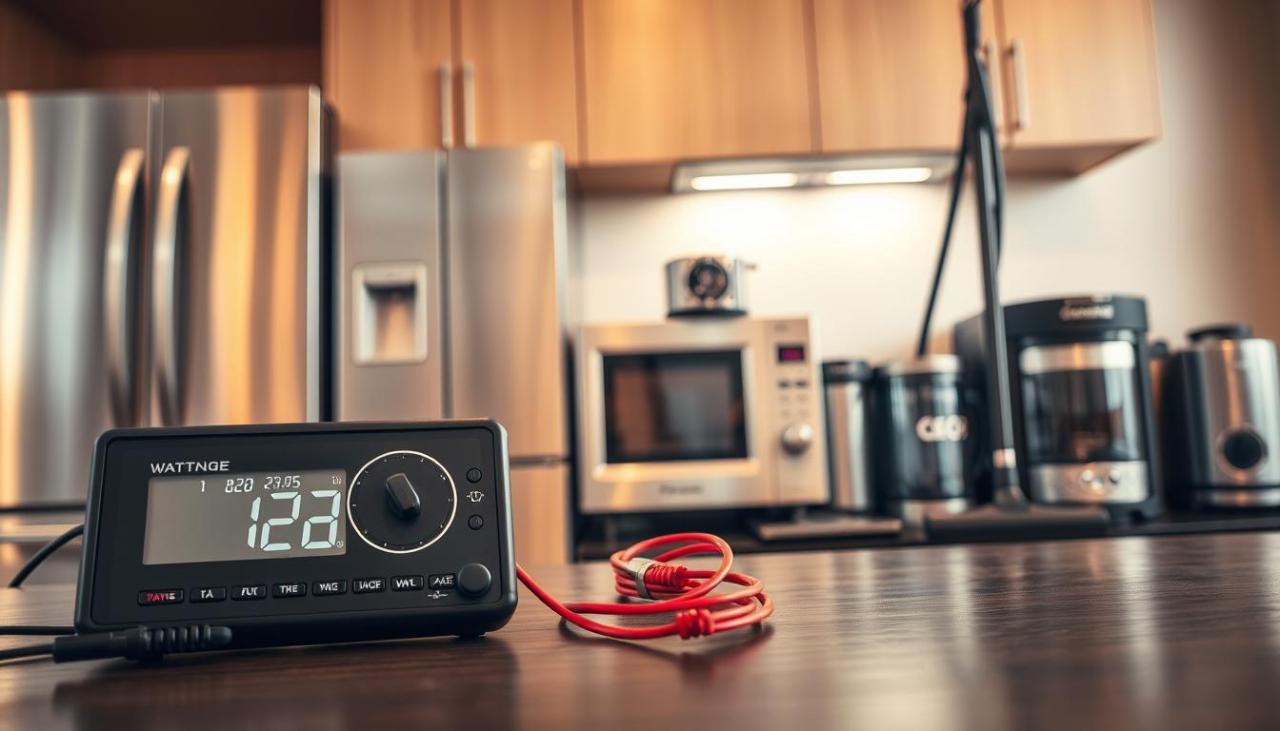
We aim to give you the knowledge to choose appliances that are both powerful and efficient. When you know how to check the Wattage/Power of each item, you keep your home comfortable and affordable for years.
Key Takeaways
- Identify the energy demands of appliances before making a purchase.
- Learn how to read labels to avoid hidden electricity costs.
- Balance high-performance needs with overall energy efficiency.
- Prevent common mistakes when selecting new household equipment.
- Take control of your home energy profile through informed choices.
Understanding Wattage: What Does It Mean?
To make smart choices about your home electronics, you must first understand the fundamental concept of power flow. Think of wattage as the size of a water pipe; it determines how much energy can flow to your device at any given moment. When you learn the electricity basics for data centers and homes, you gain better control over your energy usage.
What is Wattage?
At its core, the term refers to the rate at which an appliance consumes energy. Measured in watts, this value tells us how much work a device performs over time. A higher number generally indicates that the machine requires more energy to function effectively.
How Wattage Affects Performance
Many people assume that power consumption remains constant, but it is actually a dynamic requirement. For instance, a refrigerator compressor needs a burst of roughly 1,200W for a second or two when it kicks on. This maximum power surge is vital for the motor to start, even if the appliance uses much less energy while running steadily.
Understanding these spikes helps you avoid overloading your circuits. When you evaluate your appliances, consider these factors:
- Starting Load: The initial power needed to overcome inertia.
- Running Load: The steady state of energy consumption during operation.
- Peak Demand: The highest level of maximum power required during a cycle.
Common Misconceptions About Wattage
A frequent mistake is believing that the advertised number on a label is the only figure that matters. While manufacturers often highlight a specific rating, your actual usage will fluctuate based on how you use the device. Maximum power is not a static number; it changes as your appliances cycle on and off throughout the day.
Do not rely solely on the sticker on the back of your machine. By tracking your watts in real-time, you can identify which devices are truly driving up your monthly costs. Being informed allows you to make better decisions for your home and your wallet.
Calculating Power Consumption for Appliances
To understand your home’s energy use, you need to track the power consumption of your appliances. Knowing how much energy your devices use helps you use them wisely. This means looking at how much power they use right now and over time.
How to Measure Your Appliance’s Wattage
Most appliances have a label on the back or bottom with their maximum wattage. If you can’t find this, use a plug-in energy monitor to see the actual power use. These tools help you find out which appliances use the most energy.
For those looking to improve their home, finding the best home sound systems means checking their energy needs. Knowing these numbers helps you manage your electrical use better. It’s a key step to a more sustainable and cost-effective home.
Understanding Kilowatt-Hours
Kilowatt-hours (kWh) measure how much energy you’ve used over time. Wattage shows how fast you use energy, but kWh shows the total amount used. For example, a 1,000Wh battery can power a 500W load for about 1.5 to 2 hours, considering efficiency loss.
This calculation is crucial for planning during outages or managing off-grid systems. By tracking your power consumption, you can guess how long your appliances will work. This helps you decide which devices to keep running during emergencies.
Factors That Influence Power Consumption
Many things affect your home’s daily power use. How you use your devices is the biggest factor. Leaving them on standby or using them during peak hours increases your load. The age and upkeep of your equipment also affect efficiency.
| Appliance Type | Average Wattage | Usage Impact |
|---|---|---|
| LED Light Bulb | 10W | Low |
| Laptop Charger | 65W | Moderate |
| Refrigerator | 150W | High |
| Space Heater | 1,500W | Very High |
Checking your power use regularly helps you find energy-wasting devices. By changing your habits and updating old equipment, you can cut your bills. Taking charge of your power consumption makes your home more efficient.
The Importance of Energy Efficiency Ratings
Understanding energy efficiency labels is key when buying home appliances. These labels show how much electrical power different models use. This helps us pick products that don’t waste a lot of electricity over time.
What Are Energy Star Ratings?
Energy Star ratings are a federal standard for efficient appliances. They help us find models that save energy. Choosing these products means we’re helping the environment.
How Ratings Affect Wattage
Efficiency ratings and wattage are closely linked. Better-rated appliances use less electrical power. This means they use less electricity, saving us money on bills.
Choosing Energy-Efficient Appliances
Choosing the right appliances means looking at more than just the price. Check the yellow EnergyGuide labels for estimated costs. This way, we make smart choices that save money and energy for years.
| Appliance Type | Standard Model (Watts) | Efficient Model (Watts) | Annual Savings |
|---|---|---|---|
| Refrigerator | 800W | 450W | $120 |
| Dishwasher | 1500W | 900W | $45 |
| Washing Machine | 1200W | 700W | $60 |
| Dehumidifier | 600W | 350W | $30 |
Selecting Appliances Based on Wattage Needs
Knowing the power needs of your home appliances is key to a balanced electrical system. We need to check the wattage rating of our devices. This ensures our home’s wiring can handle the daily load.
By understanding these needs, we can avoid circuit overloads. This also helps us manage energy better.
Kitchen Appliances: A Wattage Guide
The kitchen often has the highest power output needs in any home. Big appliances like refrigerators and ovens use a lot of energy. But even small gadgets add up to the total wattage capacity.
For example, most rice cookers use between 350W and 950W. This depends on their size and type.
Home Office Equipment Wattage Considerations
Today’s home offices use sensitive electronics that need stable power. While single items like monitors or laptops use less wattage rating, many devices together can quickly add up. It’s wise to use surge protectors to manage power output safely.
This protects your hardware from power fluctuations.
Outdoor and Garden Equipment Power Needs
Outdoor tools often need more wattage capacity for heavy tasks. Electric lawnmowers, leaf blowers, and pressure washers are built for high performance. This means they use a lot of energy.
Always check the manufacturer’s specs. This ensures your outdoor outlets can handle these powerful machines.
| Appliance Category | Typical Wattage Range | Power Intensity |
|---|---|---|
| Kitchen (Small) | 350W – 1,500W | Moderate |
| Home Office | 50W – 400W | Low |
| Outdoor Tools | 1,000W – 2,500W | High |
| Major Appliances | 1,200W – 5,000W | Very High |
Comparing Wattage and Cost Savings
We often overlook how a specific wattage rating can affect our household expenses for years. A shiny new appliance might look appealing, but its true value is in its daily energy use. Making an informed choice means looking beyond the initial price and considering the total cost of ownership.
Initial Cost vs. Long-term Savings
It’s common to be tempted by appliances with a lower upfront cost. But these models often have a higher wattage rating, leading to more electricity use over time. Paying a bit more today can save you money on your monthly bills.
When buying, consider these factors:
- Energy consumption patterns: How often will you use the device?
- Expected lifespan: High-efficiency models last longer and perform better.
- Utility rates: Higher local energy costs make efficiency even more critical.
Wattage as an Investment in Efficiency
Think of your appliance purchase as a long-term financial investment. Choosing a unit with an optimized wattage rating means lower operating costs for its life. This approach helps protect your budget from rising energy prices.
Efficiency is not just about saving a few pennies. It’s about maximizing the performance of every dollar. Low-power consumption reduces strain on your home electrical systems. This often leads to fewer maintenance issues and a more reliable home environment.
Real-life Examples of Cost Savings
To see the impact of a smart wattage rating, look at kitchen appliances. A refrigerator costing $58 a year to power is a better deal than one costing $186. Over a decade, the more efficient choice saves you $1,280 in electricity costs alone.
| Appliance Type | Annual Cost | 10-Year Savings |
|---|---|---|
| High-Efficiency Fridge | $58 | $1,280 |
| Standard Fridge | $186 | $0 |
These numbers show that small differences in power draw add up to big financial benefits. By choosing wisely, you ensure your home stays comfortable and economically sustainable for years.
Wattage and Environmental Impact
Lowering your home’s energy use is a big step towards a greener future. Every time we use an appliance, we use power from the grid, often made from fossil fuels. By controlling our electricity usage, we can cut down on carbon emissions from our daily activities.
How High Wattage Affects Carbon Footprint
High Watts in appliances stress local power plants. When these plants work harder, they burn more coal or gas. This makes your home’s carbon footprint bigger, making it harder to be sustainable.
Choosing efficient devices is a simple way to fight this. Small changes in what you use can greatly reduce harm to the environment. Using lower-wattage models helps lighten the load on the energy grid.

The Role of Renewable Energy Sources
Switching to solar or wind power is a big step for eco-friendly homes. But, the equipment you use is just as crucial. Inverter efficiency is key to converting stored DC power into AC power for your appliances.
Good inverters make sure little energy is lost during conversion. This means you get more from your renewable electricity usage. You can use less traditional grid power and more clean energy from your own system.
Tips for Reducing Your Energy Consumption
You can start reducing your environmental impact today. First, check your home for devices that use too much Watts even when off. Many modern gadgets have “vampire” power draws that add up fast.
- Unplug chargers and small appliances when not in use.
- Switch to LED lighting to lower your power demand.
- Use smart power strips to cut power to idle devices.
- Run heavy appliances during off-peak hours to reduce grid stress.
Adopting these habits helps you live more sustainably. Consistency is the key to making a real difference for the planet. By being mindful of your power use, you help create a healthier, more efficient world.
Common Appliances and Their Average Wattage
Knowing the wattage of your appliances is key to better energy use. By understanding how much energy they need, we can use them smarter. This helps avoid overloading circuits and keeps your home running well.
Refrigerators: Understanding Power Consumption
Refrigerators run all day, every day. Their average power use might seem low, but the compressor cycles to keep the fridge cold. This constant work makes them a big part of your energy bill.
Microwaves and Their Efficiency
Many think a microwave only uses the power listed on it. But, it actually draws 1,200–1,500W from the wall, much more than it uses to cook. It’s important to remember this power consumption when using other high-draw appliances together.
HVAC Systems: Wattage Considerations
Heating and cooling systems use the most energy in most homes. They need a lot of wattage to move air and control temperatures. Since they run a lot during hot and cold weather, they have a big effect on your energy use.
| Appliance | Average Wattage | Usage Impact |
|---|---|---|
| Refrigerator | 150W – 400W | High (Continuous) |
| Microwave | 1,200W – 1,500W | Moderate (Short bursts) |
| Central AC | 3,000W – 5,000W | Very High (Seasonal) |
| Dishwasher | 1,200W – 2,400W | Moderate (Per cycle) |
Smart Appliances: The Future of Wattage
Smart appliances are changing how we use power at home. They use advanced sensors to meet our needs better than ever.
How Smart Appliances Optimize Power Usage
Today’s devices have smart algorithms. They adjust their use based on what’s happening right then. This means they only use power when needed.
These smart changes help your home use just the right amount of energy. It saves energy and makes your appliances last longer.
The Role of IoT in Energy Management
The Internet of Things (IoT) lets your appliances talk to each other and your home network. This creates a system where power is used wisely across all devices.
IoT helps your appliances work together. They do important tasks when energy is cheaper. This makes your home more efficient and saves money.
Smart Meters and Wattage Monitoring
Smart meters and tools let you see your power output in real-time. They show which devices use the most energy.
Knowing this info helps you change your habits. You can find out which devices use too much power. Then, you can use less and make your home more efficient.
Troubleshooting High Power Consumption Issues
Controlling your home’s energy use starts with finding out which appliances cost too much. If your bills go up, it means some devices use too much electrical power. It’s smart to check your gear to make sure it works right.
Identifying Energy Hogs in Your Home
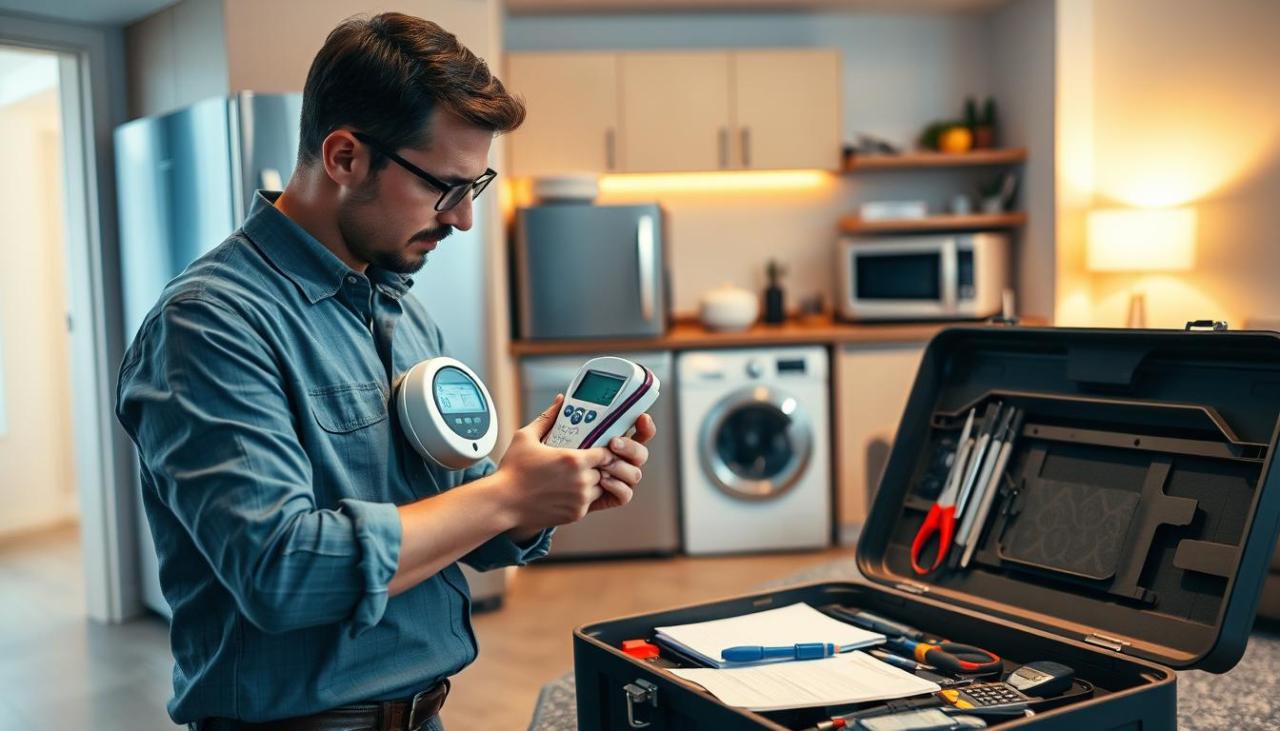
Using a plug-in watt meter, like the Kill-A-Watt, is a great way to find energy wasters. This tool shows how much energy your appliances use. It helps you see if a device is using its maximum power or if it has problems.
Start by testing appliances that are always on, like fridges or dehumidifiers. If a device uses a lot of energy even when it’s not working, it’s an energy hog. Watching these numbers for a few days shows your real energy use.
Solutions for Reducing Power Usage
Once you find the energy hogs, you can take steps to use less. Simple things like cleaning fridge coils or dryer vents can help. Making sure your devices don’t use maximum power when they don’t need to can save you money.
Smart power strips can also help by cutting off power to devices in standby mode. These strips stop phantom loads, which waste electrical power all day. Making small changes in how you use your appliances can make a big difference.
When to Replace Old Appliances
At times, the best thing to do is replace an old, inefficient appliance. If an appliance breaks down a lot or uses a lot of energy, it’s time for a new one. Getting a new appliance can save you money on your bills over time.
| Appliance Type | Typical Power Draw | Efficiency Status | Action Required |
|---|---|---|---|
| Old Refrigerator | High | Poor | Replace Soon |
| Modern LED Lighting | Low | Excellent | Maintain |
| Vintage Space Heater | Very High | Inefficient | Replace Immediately |
| Smart Dishwasher | Moderate | High | Monitor |
Thinking about upgrading your home’s appliances can save you money and help the planet. Replacing old units makes your home more energy-efficient. Making smart choices helps your wallet and the environment.
Planning for Future Power Needs
Our homes are changing how they use power. This change makes our homes more comfortable and cheaper to run. By focusing on long-term efficiency, you can use new tech without overloading your system.
Future Trends in Appliance Wattage
Companies are making appliances that use less energy. They’re making smart appliances that change their wattage based on how much you use them. These changes help save energy and keep your appliances working well.
Preparing for Changes in Energy Prices
Energy prices can change a lot. To keep your budget safe, get appliances with high energy ratings now. This way, you use less energy from the grid and avoid big price jumps.
- Upgrade to LED lighting to lower baseline power usage.
- Install smart thermostats to manage heating and cooling cycles.
- Monitor your total wattage capacity to identify potential savings.
The Impact of Electric Vehicles on Household Wattage
Electric cars are changing how we use home energy. Charging a car at home uses a lot of power. You need to make sure your home’s wattage capacity can handle this extra load safely.
Talking to an electrician before getting a charging station is smart. They can check if your home needs upgrades to avoid overloads. Planning ahead keeps your home ready for the next generation of transportation.
FAQs About Wattage and Appliance Power Selection
Understanding home appliances can be tough for many. We’ve gathered common questions about Wattage/Power to help you shop with confidence. Knowing these basics helps you avoid mistakes and keep your home running smoothly.
Common Questions Answered
Many wonder if more Wattage/Power means better performance. But, it’s not always true. What matters more is how efficient a device is, not just its power.
- Surge Requirements: Some motors need a quick energy boost to start. Always check the “starting” versus “running” specs.
- Runtime: The total energy used also depends on how long you use the device each day.
- Efficiency: Look for models that give the same output but use less energy.
Resources for Further Information
For more detailed info, check out the Energy Star website. It has verified performance data. Your local utility provider also offers tools to estimate the Wattage/Power impact of new appliances on your bill.
Always verify information from manufacturer manuals or independent tests. These sources give unbiased data for comparing brands. This helps avoid buying mistakes.
How to Ask the Right Questions When Shopping
When at a showroom, ask specific questions about the appliances you’re interested in. Talking with sales staff in the right terms shows you’re well-informed. Focus on these key areas to get the best deal:
- Does this model have a high “starting” Wattage/Power requirement that might affect my circuit breaker?
- How does the annual energy cost compare to similar models in this category?
- Are there specific settings that allow me to reduce energy usage during off-peak hours?
By asking these questions, you’ll understand the long-term commitment of your purchase. Remember, Wattage/Power is crucial for a sustainable and cost-effective home.
Conclusion: Making Informed Choices on Wattage
Learning to balance appliance power and energy use changes how we live. Every device we use affects our bills and the planet. It’s a big deal.
We suggest being proactive by learning about watts, amps, and volts before buying. Knowing this helps you avoid wasting energy and keeps your home’s electrical system safe.
Key Takeaways for Efficient Living
Know your home’s total power needs to keep things stable. Choose appliances with clear efficiency ratings. They save you money over time.
The Value of Diligent Research
Take time to read labels and compare specs. A little prep work saves you from high energy bills. It also makes sure your gear fits your needs perfectly.
Building a Sustainable Future
Choosing energy-smart products helps the planet. We hope this guide helps you make your home better for everyone. It’s about comfort, safety, and saving energy.