
 Zoe Nora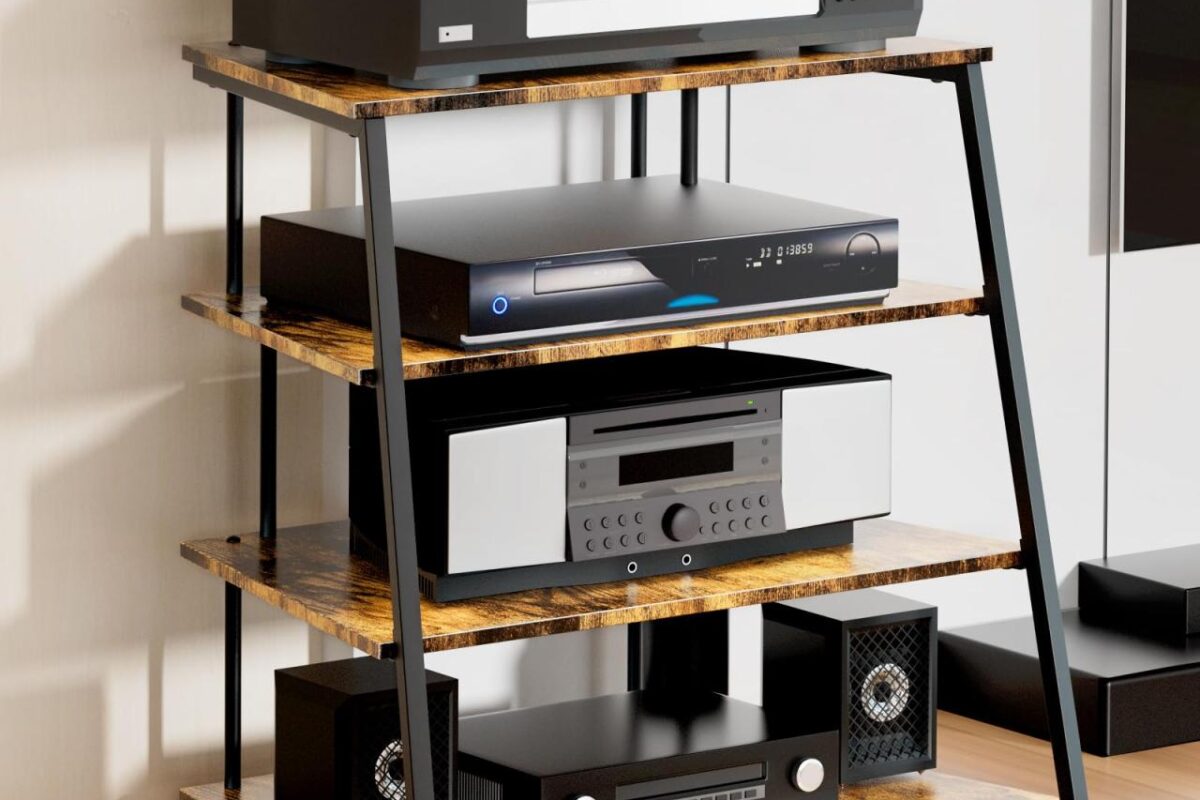
AV rack serves as the backbone of any home theater system, providing not just storage but also enhancing the overall viewing and listening experience. It plays a pivotal role in organizing your devices, allowing for better accessibility and management of components. A well-designed AV rack can significantly contribute to the aesthetics of your space, ensuring that all equipment is neatly arranged while also improving sound and picture quality.
The arrangement of audio-visual equipment can make or break your home theater experience. Proper organization leads to reduced clutter, making it easier to enjoy your favorite movies or games. With the right AV rack, you can ensure that your devices are optimized for performance, allowing you to immerse yourself fully in the entertainment.
The Importance of AV Racks in Home Theater Systems
The role of AV racks in home theater systems extends far beyond mere storage; they are pivotal in enhancing both the functionality and aesthetics of your entertainment setup. An AV rack is designed to accommodate various audio-visual components such as receivers, amplifiers, gaming consoles, and streaming devices. By investing in a quality AV rack, homeowners can create a more organized, efficient, and visually appealing environment that maximizes their home theater experience.
A well-structured AV rack not only houses your equipment neatly but also plays a critical role in the overall performance of your home theater. Improved organization leads to better accessibility and reduces the clutter often associated with cables and devices. This organization allows for better airflow, which can prevent overheating of devices—an essential factor in maintaining performance quality. Furthermore, an organized setup minimizes the risk of damaging cables and equipment due to excessive handling or tangled wires.
Impact of Organization on Functionality and Aesthetics
The organization facilitated by AV racks significantly enhances both the functionality and aesthetics of a home theater setup. Keeping equipment properly arranged offers numerous benefits:
- Improved Accessibility: With each component clearly designated a spot, users can quickly access devices without rummaging through a tangle of wires and equipment.
- Clean Cable Management: AV racks often come with cable management solutions, allowing users to hide unsightly cables, promoting a clean and professional look.
- Enhanced Aesthetics: A streamlined AV rack harmonizes the overall look of the room, making it visually appealing and reducing distractions from the viewing experience.
- Maximized Performance: Proper airflow and organization contribute to optimal performance of audio-visual equipment, ensuring that sound and image quality are not compromised.
The visual quality of your home theater can also be enhanced through careful placement of components. When audio and video devices are properly organized within an AV rack, the layout can promote better sound distribution and clearer image projection.
Many enthusiasts report that a well-structured AV rack leads to noticeable improvements in both sound clarity and visual sharpness.
The arrangement of equipment can also help to reduce interference, allowing for a more immersive experience.
In summary, an AV rack is more than just a storage solution; it is a vital component in achieving a well-functioning, aesthetically pleasing home theater system. By prioritizing organization and structure, homeowners can significantly improve their entertainment experience, ensuring both sound and visuals reach their full potential.
Different Types of AV Racks and Their Specific Uses
AV racks play a crucial role in organizing audiovisual equipment, ensuring both functionality and aesthetics in home theaters, conference rooms, or professional studios. The variety of AV racks available in the market is tailored to different types of equipment, environments, and personal preferences. Understanding these varieties helps users choose the right rack for their specific needs, maximizing performance and convenience.
AV racks come in several designs, each with unique features that serve different purposes. The main types include:
Fixed AV Racks
Fixed AV racks are designed to provide a sturdy and permanent solution for housing audiovisual gear. They are typically made of metal or wood and offer a clean, organized look without the mobility of other options.
- Features: Fixed racks usually come with multiple shelves, ventilation holes, and cable management systems.
- Examples: A fixed rack might be ideal for a home theater setup that houses a TV, stereo receiver, and gaming console.
- Advantages: They provide stability and can support heavy equipment reliably.
- Limitations: Fixed racks are not portable, making them less suitable for environments where equipment needs to be regularly relocated.
Mobile AV Racks
Mobile AV racks are equipped with wheels, allowing for easy maneuverability. They are perfect for settings such as classrooms or conference centers, where equipment needs to be moved frequently.
- Features: These racks often include lockable wheels, ample storage space, and built-in cable management systems.
- Examples: A mobile rack is great for a presentation setup that might move between rooms or locations.
- Advantages: Their mobility makes them versatile for various events or locations.
- Limitations: They may lack the stability of fixed racks, especially when fully loaded with heavy equipment.
Wall-Mounted AV Racks
Wall-mounted AV racks save floor space by being attached directly to the wall. They are commonly used in smaller environments where floor space is limited.
- Features: These racks typically have a sleek, compact design and can include shelves or brackets for mounting equipment directly.
- Examples: A wall-mounted rack is suitable for a compact home audio system or a small media room.
- Advantages: They maximize space and can create a visually appealing display.
- Limitations: Installation can be complex, and they may not support as much weight as freestanding options.
Custom AV Racks
Custom AV racks are tailored specifically for unique equipment needs, allowing users to design a solution that fits their particular setup.
- Features: These can integrate specific measurements, ventilation needs, and cable management solutions according to user specifications.
- Examples: A custom rack may be designed for a high-end recording studio, accommodating unique sound mixing equipment.
- Advantages: They provide a personalized solution that can cater to any equipment type or configuration.
- Limitations: Custom racks can be expensive and time-consuming to create.
Each type of AV rack serves distinct purposes, ensuring that users can find a suitable solution for their specific setup. Understanding these differences allows for informed decisions when investing in AV storage solutions.
How to Choose the Right AV Rack for Your Needs
Selecting the right AV rack is crucial for optimizing your home entertainment system. The right rack not only enhances the aesthetic appeal of your space but also ensures the safety and functionality of your audio and video equipment. With various options available, understanding your specific needs is essential to make an informed decision.
Essential Considerations for AV Rack Selection
When choosing an AV rack, several key factors must be considered to ensure it aligns with your space and equipment requirements.
- Space Availability: Measure your available space carefully. The dimensions of the AV rack should complement the area without overcrowding. Consider the height, width, and depth, keeping in mind the layout of your room.
- Equipment Size: The dimensions of your gear, including receivers, gaming consoles, and media players, will dictate the necessary shelf space. Ensure that the rack has enough shelves to accommodate all your equipment.
- Weight Capacity: Each AV rack has a specific weight capacity. It is important to choose a rack that can support the combined weight of all your devices. Heavy equipment, such as high-end receivers, may require racks with reinforced shelving.
- Material Choices: The material of the AV rack affects both aesthetics and durability. Common materials include wood, metal, and glass. Wooden racks offer a classic look, while metal provides a modern touch and is often more durable.
- Ventilation: Proper airflow is crucial for your equipment to avoid overheating. Look for racks that feature open backs or ventilated shelves, allowing heat to escape efficiently.
Compatibility with AV Devices
Ensuring compatibility between your AV rack and the devices it will hold is critical. Different devices have varied dimensions and cooling needs that must be considered.
- Receivers: Many AV receivers are designed to be larger than traditional media players. Ensure the rack has sufficient space and structural support to hold these heavier devices.
- Gaming Consoles: Consoles like the PlayStation and Xbox are not only bulky but also require space for cooling. Choose a rack that allows for ventilation and has room for accessories.
- Additional Components: If you plan to add more components in the future, such as soundbars or streaming devices, consider a rack with expandable shelving options.
“The right AV rack can elevate your home entertainment experience, balancing aesthetics with functionality.”
The Role of Cable Management in AV Rack Setup
Effective cable management is a crucial aspect of any AV rack setup. It not only enhances the overall appearance of the installation but also plays a significant role in ensuring optimal performance and ease of maintenance. Properly organized cables reduce the risk of signal interference, facilitate easier troubleshooting, and can even prolong the lifespan of both the cables and the connected equipment. A clean and organized rack setup also makes it easier for technicians and users to understand and interact with the system without unnecessary confusion.
The significance of cable management extends beyond mere aesthetics. Disorganized cables can lead to frustrating experiences when trying to troubleshoot a system or replace a component. If cables are tangled or improperly routed, this can cause physical damage to the connectors and the equipment they are attached to. Moreover, certain types of cables, such as HDMI and audio cables, are susceptible to interference and signal degradation, making it vital to keep them neatly arranged and well separated. With thoughtful cable management, users not only enjoy a visually pleasing setup but also enhanced functionality and increased operational efficiency.
Methods for Organizing Cables
There are several effective methods for organizing cables in an AV rack setup that can significantly improve both appearance and functionality. The following strategies can be implemented to ensure that cables are managed effectively:
1. Color Coding: Use different colored cables or labels for various types of connections (e.g., audio, video, power). This makes it easier to identify connections at a glance and simplifies troubleshooting.
2. Cable Ties and Velcro Straps: Use cable ties or Velcro straps to bundle cables together. This prevents tangling and makes it easier to route the cables neatly along the rack’s structure.
3. Cable Management Panels: Install cable management panels or trays within the AV rack to keep cables organized. These panels often have slots or hooks for routing cables and can be a great way to conceal excess length.
4. Cable Sleeves: Consider using cable sleeves to group multiple cables together while providing a clean look. Sleeves can also protect cables from abrasion and general wear.
5. Labeled Connections: Implement a labeling system for both cables and connection points on devices within the rack. This system aids in identification and helps streamline any future maintenance or changes.
6. Keep Power Cables Separate: Run power cables separately from audio and video cables to minimize the risk of interference. Utilizing a dedicated power management system can also help in achieving cleaner setups.
7. Vertical Cable Management: Utilize vertical cable management solutions that allow cables to be routed vertically along the sides of the rack, keeping the rear area clear for airflow and maintenance.
8. Regular Maintenance: Schedule routine checks and maintenance for the cable management system. This helps ensure that cables remain organized and that any wear and tear is addressed promptly.
To implement these methods effectively, it is essential to have the right tools and solutions. Below is a list of recommended tools and solutions for effective cable management in AV racks:
– Cable ties (plastic and reusable Velcro)
– Cable sleeves or conduit
– Cable management panels
– Adhesive cable clips
– Labeling printer or label maker
– Cable trays or rack-mounted organizers
– Cable combs (for grouping cables)
– Heat-shrink tubing (for cable protection)
By employing these methods and tools, you can ensure that your AV rack not only looks professional but also operates efficiently, leading to a more rewarding and functional audiovisual experience.
Popular Brands and Models of AV Racks in the Market
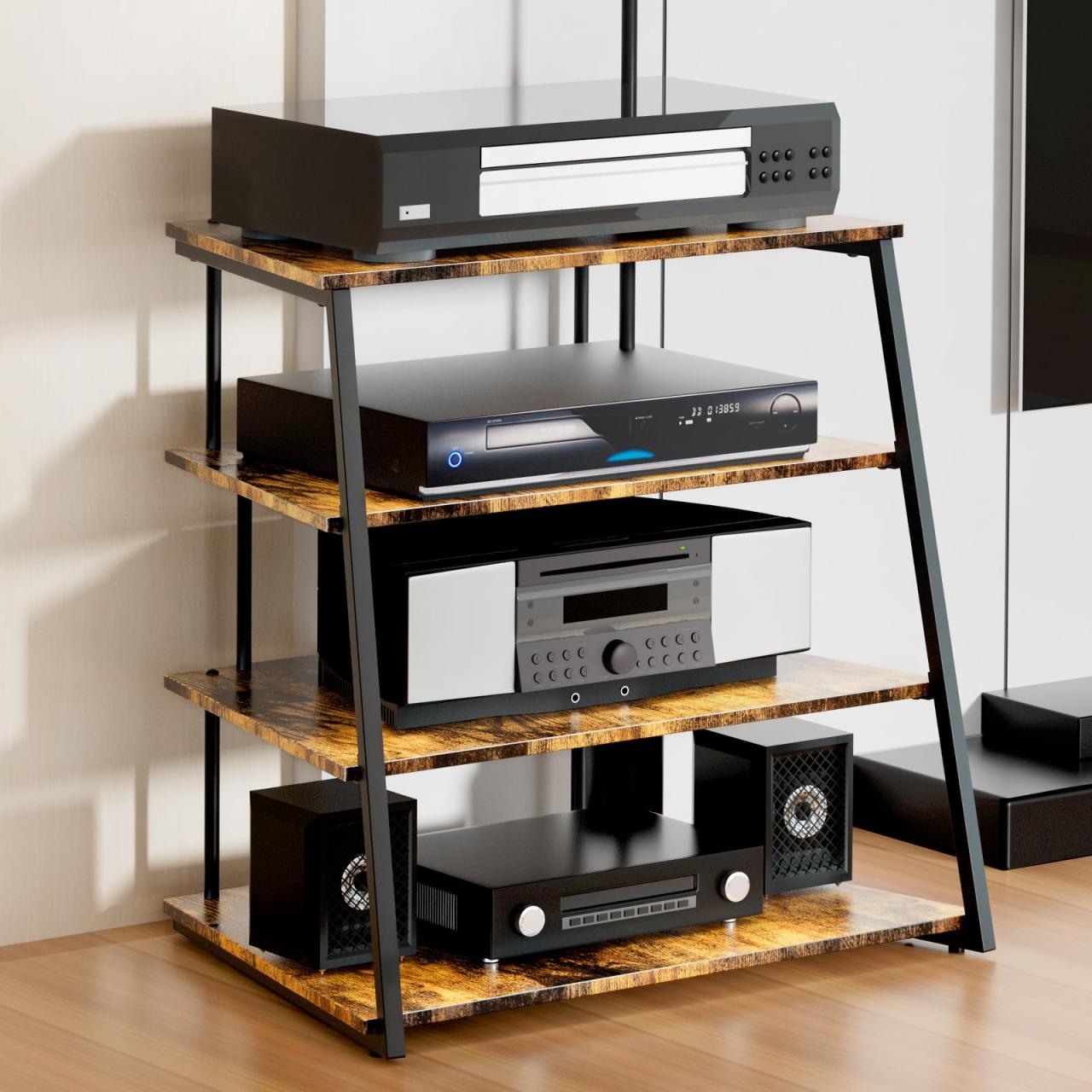
When it comes to organizing audio-visual equipment, choosing the right AV rack is crucial. The market is filled with various brands and models, each offering unique features, quality, and pricing. Understanding these options can help consumers make informed decisions based on their specific needs and preferences.
Among the notable brands in the AV rack market, several have established a reputation for quality and reliability. Below are some of the flagship models and their core features:
Leading Brands and Their Flagship Models
The following brands are well-regarded for their AV racks, offering a range of features that cater to different consumer needs:
- Sanus: Known for its stylish and sturdy designs, Sanus offers the Sanus VLT6-B1, a full-motion TV mount that can support TVs up to 65 inches. It features a cable management system and an easy-to-install design, with pricing around $399.
- Salamander Designs: Their Synergy 400 model stands out for modularity and upscale aesthetics. It supports a wide array of AV components and has a customizable finish. Prices typically start around $1,600.
- AVF: The AVF B1027 model is a budget-friendly option that combines functionality and affordability, featuring a simple design and ample storage for various audio-visual accessories, priced at approximately $199.
- Pinnacle: The Pinnacle 747 is a favorite for its robust build and natural wood finish, accommodating various setups and priced around $899. It also includes adjustable shelves for flexibility.
- Furman: Their Furman M-8X2 is ideal for those who prioritize power management alongside AV storage. This rack includes advanced surge protection and noise filtration for about $200.
Customer reviews often highlight the durability and design of these brands, with many users praising the Sanus VLT6-B1 for its ease of installation and aesthetic appeal. Salamander Designs garners positive feedback for its premium materials and customizable options, although some users find the price point a bit high. The AVF B1027 receives commendations for its affordability and practicality, making it popular among entry-level consumers. Overall, satisfaction levels across these brands are generally high, with customers appreciating both functionality and value for money, ensuring that their AV equipment is not only stored effectively but also looks great in their homes.
DIY Tips for Building Your Own AV Rack
Creating a custom AV rack can enhance your home theater experience while also providing a functional and stylish storage solution for your audio-visual equipment. Constructing your own rack allows you to tailor the size, style, and features to fit your specific needs and space. This guide will walk you through the step-by-step process of building a custom AV rack, detailing the materials, tools required, and essential design considerations.
Step-by-Step Process for Constructing Your AV Rack
Building an AV rack can be broken down into several key steps. First, you need to plan the dimensions based on your equipment and available space. Measure your devices, such as receivers, DVD players, and gaming consoles, to determine the ideal height, width, and depth of your rack.
1. Design Your Rack: Sketch a layout outlining the number of shelves and their respective heights. Consider including cable management features to keep your setup neat.
2. Gather Materials and Tools: The main materials usually include plywood or MDF for the shelves, a sturdy frame for support, screws, and wood glue. You’ll also need tools such as a saw, drill, measuring tape, and level.
3. Cutting the Wood: Using your saw, cut the plywood or MDF to the desired dimensions for the shelves and frame. Ensure that all pieces are cut accurately to fit together seamlessly.
4. Assemble the Frame: Begin constructing the frame by attaching vertical supports to a base. Use screws and wood glue for extra stability. Make sure the frame is square by measuring the diagonals.
5. Attach the Shelves: Once the frame is secure, install the shelves at your desired heights. You can use shelf pins for adjustable heights or attach the shelves directly for added strength.
6. Finishing Touches: Sand down any rough edges and apply a finish, such as paint or varnish, to protect the wood and enhance the appearance. This is also a good time to add any decorative elements you want.
7. Install Cable Management: To keep your setup organized, consider adding cable management solutions like clips or channels.
8. Final Assembly: Once everything is dry and set, place your AV equipment on the rack, ensuring everything is level and secure.
Materials and Tools Required for a DIY AV Rack
For a successful DIY AV rack project, having the right materials and tools is essential. Here’s a comprehensive list:
- Materials:
- Plywood or MDF for shelves
- Wood for the frame (e.g., 2x4s)
- Screws and wood glue
- Varnish or paint for finish
- Furniture pads for feet
- Cable management clips
- Tools:
- Saw (circular or table saw)
- Drill
- Measuring tape
- Level
- Screwdriver
- Sander
Design Considerations for Your Custom AV Rack
When designing your AV rack, consider the following elements to ensure functionality and aesthetics:
– Size and Space: Determine how much space you have available and ensure the rack fits comfortably without overwhelming the room.
– Ventilation: Ensure your devices have proper airflow to prevent overheating. Incorporating gaps or mesh panels can enhance ventilation.
– Weight Capacity: Choose materials that can support the weight of your equipment. Reinforce shelves if necessary.
– Accessibility: Place frequently used devices at eye level or in easily reachable locations to enhance usability.
– Aesthetics: Consider the finish and color of your rack to match your home décor. A well-designed rack can serve as a statement piece.
By keeping these considerations in mind, you can build an AV rack that not only meets your functional requirements but also complements your living space beautifully.
Maintenance and Care for AV Racks
Proper maintenance and care for AV racks play a pivotal role in ensuring the longevity and efficiency of both the rack and the equipment housed within it. Regular attention to these systems helps to prevent potential issues that can arise from neglect, ensuring optimal performance. In this section, we will explore the best practices for maintaining AV racks, effective cleaning procedures, and common issues that may occur along with their solutions.
Best Practices for Maintaining AV Racks
To ensure that AV racks remain in peak condition, consider implementing the following best practices:
- Regular Inspections: Conduct routine checks for any signs of wear, corrosion, or damage to both the rack structure and the equipment. This includes checking for loose screws, damaged panels, and overheating.
- Proper Ventilation: Ensure that there is adequate space around the AV rack to promote airflow. Overheating can severely damage sensitive equipment, so consider using fans or additional vents if necessary.
- Organized Cabling: Maintain an organized cabling system to prevent tangling and damage. Use cable ties and management systems to keep cables neat and accessible.
- Environmental Control: Keep the AV rack in a controlled environment. Avoid placing racks in areas with extreme temperatures or humidity, as these conditions can affect the performance of the equipment.
Cleaning Procedures for AV Racks
Cleaning your AV rack is essential to maintaining its appearance and functionality. Follow these cleaning procedures to protect both the rack and its housed equipment:
- Dusting: Use a microfiber cloth to gently dust the exterior of the rack and the surfaces of the equipment. This helps to prevent dust accumulation which can inhibit ventilation.
- Surface Cleaning: When cleaning surfaces, use a non-abrasive cleaner. Avoid harsh chemicals that could damage the finish of the rack or the equipment.
- Screen Care: If the rack houses screens, use a screen-safe cleaner to protect the display from scratches and streaks.
- Inspecting Filters: Clean or replace any dust filters in ventilation systems regularly to ensure proper airflow and prevent overheating.
Common Issues and Solutions for AV Racks
Several issues can arise with AV racks, and being aware of them can help you address them effectively:
- Overheating: If equipment frequently overheats, ensure that ventilation is adequate and consider repositioning the rack or adding cooling elements.
- Noise: Unusual noises can indicate equipment failure. Investigate and replace any malfunctioning components immediately to prevent further damage.
- Equipment Failure: Regularly monitor equipment performance. Implement a preventive maintenance schedule that includes checking equipment functionality and software updates.
Concluding Remarks
In conclusion, investing in a quality AV rack is essential for anyone looking to elevate their home theater setup. Not only does it improve the functionality of your equipment, but it also enhances the visual appeal of your space. By understanding the various types of AV racks, choosing the right one, and maintaining it properly, you can create an inviting and efficient entertainment environment that you will enjoy for years to come.
Essential Questionnaire
What is an AV rack?
An AV rack is a specialized piece of furniture designed to securely hold audio and video equipment, ensuring organization and optimal performance.
Can I use any rack for my AV equipment?
No, it’s essential to use an AV rack designed specifically for audio-visual equipment to ensure proper support and ventilation.
How do I know what size AV rack to buy?
Consider the dimensions of your equipment and the space available in your home theater when selecting an AV rack.
Are there AV racks with built-in cable management?
Yes, many AV racks come with built-in features to help you manage and conceal cables for a clean look.
How often should I clean my AV rack?
It’s recommended to clean your AV rack regularly to maintain its appearance and prevent dust buildup on your equipment.