
 Zoe Nora
Acoustic panels are a game-changer in the quest for sound clarity and comfort in various environments. They play a crucial role in managing sound waves, reducing echoes, and ensuring that the auditory experience is as enjoyable as possible. In spaces like recording studios, home theaters, and bustling office settings, these panels not only improve sound quality but also create a more inviting atmosphere.
By understanding how acoustic panels absorb sound, we can appreciate their significance across different applications. The science behind sound absorption involves materials that trap and diminish sound waves, making them indispensable in any environment where clear communication or sound fidelity is desired. Whether it’s a lively restaurant or a serene yoga studio, the right acoustic solution can make all the difference.
The Importance of Acoustic Panels in Soundproofing Environments
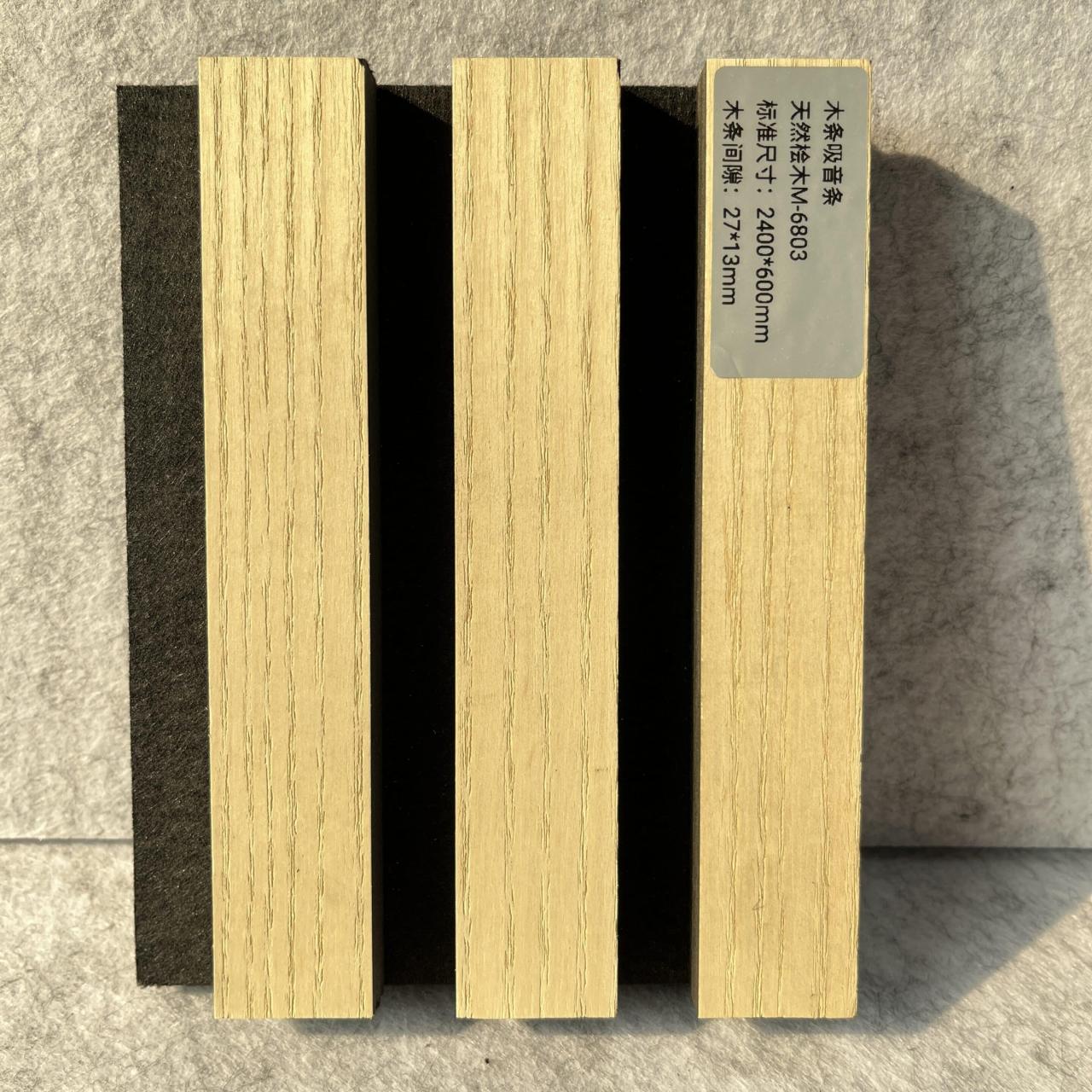
Acoustic panels are integral components in creating soundproof environments. Their primary role is to absorb sound, thereby reducing noise levels and enhancing the quality of sound within a space. This is especially important in environments where clarity of sound is essential, such as in recording studios, home theaters, and open office settings. By strategically placing acoustic panels, one can significantly alter the acoustics of a space, creating an optimal auditory experience.
The science behind sound absorption is rooted in the materials and structure of acoustic panels. These panels are typically made from porous materials that trap sound waves. When sound waves hit the surface of an acoustic panel, they enter the material and lose their energy through friction, which converts sound energy into a small amount of heat. This process effectively reduces the intensity of sound, preventing echoes and reverberations that can distort audio clarity. The absorption coefficient of a material determines how effective it will be at absorbing sound at various frequencies. Therefore, selecting the right type of acoustic panel is crucial for achieving desired soundproofing results.
Acoustic panels are essential components in various locations where soundproofing is crucial:
Applications of Acoustic Panels
In each of the following settings, the use of acoustic panels enhances sound quality and creates a more pleasant auditory environment:
- Recording Studios: In studios, controlling sound reflections is vital to ensure that recordings are clear and free from unwanted noise. Acoustic panels help create a controlled environment that captures audio with precision.
- Home Theaters: For an immersive viewing experience, home theaters benefit from acoustic panels that reduce echo and enhance sound clarity. This allows viewers to enjoy rich, detailed audio without interference from ambient noise.
- Offices: In open office environments, reducing background noise can improve employee focus and productivity. Acoustic panels can help create quieter spaces, allowing for better communication and less distraction.
The effectiveness of acoustic panels in these environments underscores their importance in soundproofing strategies. By absorbing sound and minimizing noise pollution, these panels play a crucial role in enhancing listening experiences across various settings.
Different Types of Acoustic Panels and Their Specific Uses
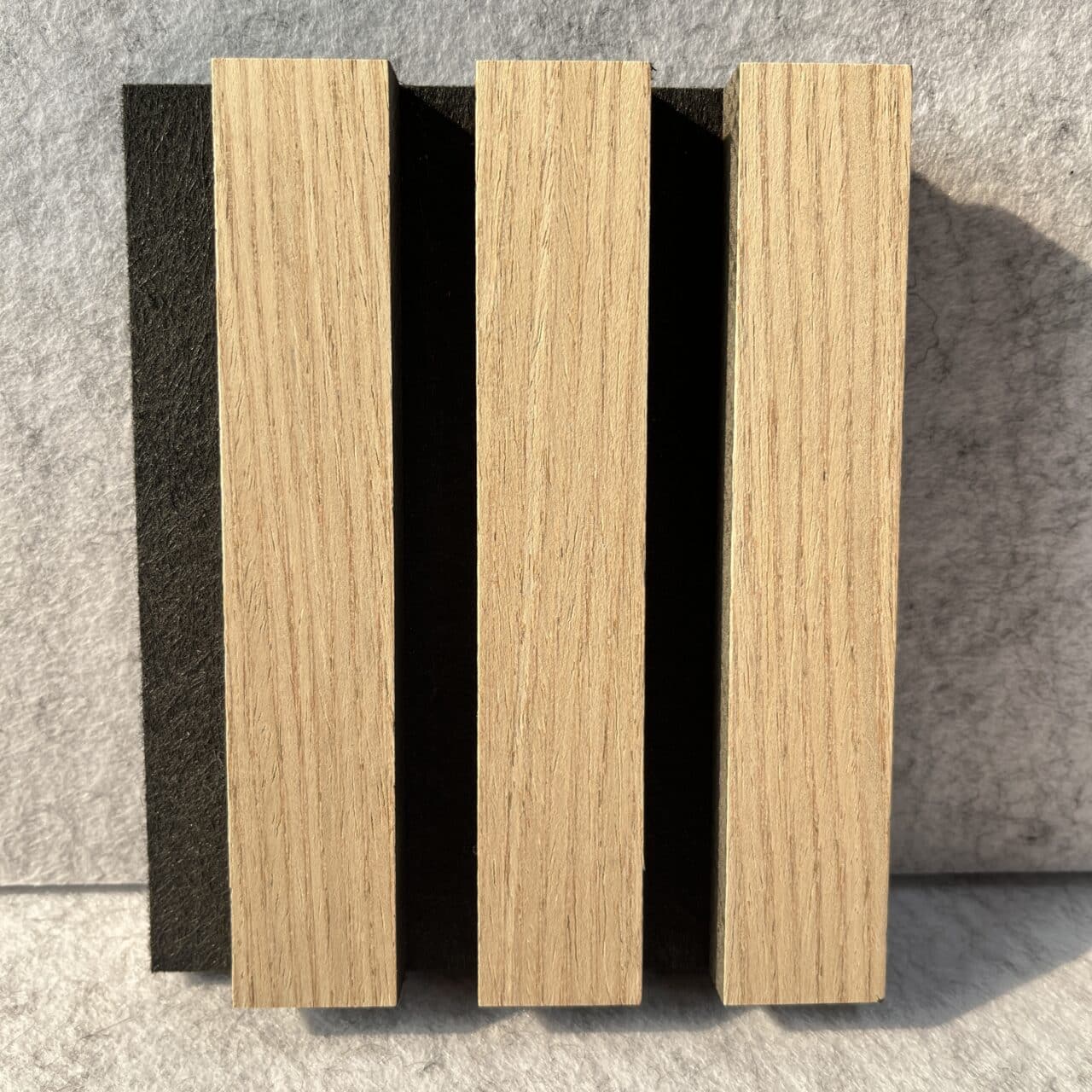
Acoustic panels play a vital role in controlling sound within various environments, enhancing acoustics by reducing noise levels and improving sound clarity. Understanding the different types of acoustic panels available, along with their unique characteristics and applications, is essential for selecting the right solution for any space. This overview examines five types of acoustic panels, their materials, and the considerations for choosing the appropriate panel based on specific use cases.
Foam Acoustic Panels
Foam acoustic panels are among the most common types used in recording studios, offices, and home theaters. Made from polyurethane foam or melamine foam, these panels are lightweight and easy to install. Their unique wedge or pyramid shapes increase surface area, allowing for effective sound absorption across a range of frequencies.
- Material: Typically crafted from high-density foam, which enables effective absorption of mid to high frequencies.
- Applications: Ideal for spaces where echo reduction is crucial, such as vocal booths or rehearsal spaces.
Fabric-Wrapped Acoustic Panels
Fabric-wrapped acoustic panels combine aesthetic value with sound absorption capabilities. These panels are constructed from a core material like fiberglass or mineral wool, wrapped in decorative fabric. They are commonly used in commercial spaces like schools, auditoriums, and corporate offices.
- Material: The inner core often consists of high-density fiberglass which effectively absorbs a wide range of frequencies.
- Applications: Perfect for environments needing both sound management and design appeal, such as conference rooms and theaters.
Perforated Acoustic Panels
Perforated acoustic panels are designed with small holes or slits that enhance their sound absorption properties. Typically made from materials like wood or metal, these panels are excellent for controlling sound in large spaces without compromising aesthetics.
- Material: Often constructed from natural wood or engineered wood with a backing of sound-absorbing material.
- Applications: Commonly used in auditoriums, restaurants, and public spaces where aesthetics and acoustic control are both prioritized.
Cloud Panels
Cloud panels are installed on ceilings and provide an effective way to reduce sound reflections in open spaces. These panels can be made from various materials, including foam or fiberglass, and are often suspended to optimize their performance.
- Material: Generally constructed of lightweight, sound-absorbent materials such as fiberglass or acoustic foam.
- Applications: Frequently used in large rooms such as gyms, theaters, and offices to minimize echo and enhance sound quality.
Bass Traps
Bass traps are specialized acoustic panels designed to absorb low-frequency sound waves. They are typically larger and denser than standard panels, often made from materials like fiberglass or mineral wool, which helps to mitigate bass-related issues effectively.
- Material: Commonly made from high-density foam or a fiberglass core, specifically engineered to absorb low frequencies.
- Applications: Essential in recording studios and home theaters where bass buildup can significantly distort sound quality.
The choice of acoustic panel depends heavily on the environment and the specific acoustic challenges to be addressed.
Choosing the right acoustic panel involves evaluating the intended use case, the type of sound issues present, and the aesthetic needs of the space. Different materials offer varying levels of sound absorption, which should align with the specific acoustic requirements of the environment.
How to Install Acoustic Panels for Maximum Effectiveness
Installing acoustic panels can significantly improve the sound quality in any space by controlling unwanted noise and reverberation. Proper installation is crucial to maximize their effectiveness, ensuring that the panels absorb sound where it’s most needed. Below is a step-by-step guide to help you install acoustic panels efficiently.
Step-by-Step Installation Process
To achieve the best results, the installation of acoustic panels should follow a systematic approach. Here’s a detailed guide to help with the process:
1. Assess Your Room Acoustics: Start by evaluating the room where the panels will be installed. Identify areas with excessive echo or sound reflections, often found in corners, flat walls, and ceilings.
2. Choose the Right Panels: Select panels that suit your needs based on thickness, size, and material. Thicker panels generally absorb lower frequencies better than thinner ones.
3. Gather Tools and Materials: Ensure you have the following tools and materials ready for installation:
– Measuring tape
– Level
– Pencil
– Hammer or drill
– Mounting adhesive or brackets depending on the panel type
– Safety goggles and dust mask (if drilling)
4. Plan Panel Placement: Use your room assessment to mark the optimal locations on the walls for your panels. A common method is to place panels at ear level and in areas that will face the main sound source.
5. Prepare Surfaces: Ensure the walls where you will mount the panels are clean and dry. This ensures that adhesive sticks effectively and reduces dust interference.
6. Mount the Panels: Depending on the method chosen:
– For adhesive: Apply the adhesive on the back of the panel and press firmly against the wall, using a level to ensure correctness.
– For brackets: Secure the brackets to the wall and slide the panels into place.
7. Test and Adjust: After installation, play sound in the room to evaluate the effectiveness. Adjust placements as needed to achieve the desired sound quality.
Common Pitfalls to Avoid
While installing acoustic panels, several common pitfalls can hinder efficiency and effectiveness. Awareness of these can lead to a smoother installation process:
– Ignoring Room Shape: Failing to consider the unique shape and size of the room can lead to ineffective sound treatment. It’s essential to understand how sound waves travel in your specific space.
– Inadequate Adhesive Use: Using too little or the wrong type of adhesive can lead to panels falling. Ensure the adhesive is compatible with the panel material and the wall surface.
– Overloading a Single Area: Concentrating too many panels in one section can create imbalances. Aim for a more distributed approach across the room.
“Properly installed acoustic panels can enhance sound clarity and reduce noise pollution, making a space more comfortable and functional.”
Importance of Room Acoustics
Understanding room acoustics is critical for creating an environment that promotes clarity in sound. Properly installed acoustic panels can lead to notable improvements in various settings, such as recording studios, home theaters, or conference rooms. Here are some key points:
– Sound Absorption: Acoustic panels effectively absorb sound waves, reducing reverberation and controlling how sound interacts in a room.
– Enhanced Communication: In workspaces or meeting rooms, improved acoustics result in clearer conversations, leading to better collaboration and productivity.
– Improved Listening Experience: In entertainment spaces, like home theaters, the right acoustic treatment ensures that sound is balanced, enhancing the overall experience for viewers and listeners.
Considering these aspects during the installation process can significantly improve sound quality and create an inviting atmosphere in any room.
The Aesthetic Appeal of Acoustic Panels in Interior Design
Acoustic panels have increasingly become a staple in contemporary interior design, not merely for their sound-absorbing qualities but also for their capacity to enhance the visual appeal of spaces. They can be designed to seamlessly fit into various decor styles, ranging from minimalistic to industrial, adding an element of sophistication while maintaining functionality. The integration of acoustic panels can transform a bare wall into a stunning focal point, contributing to the overall ambience of any environment.
The design versatility of acoustic panels allows them to be tailored to complement different interior styles. They can be crafted in various colors, shapes, and textures to suit the desired aesthetic, ensuring they not only serve a practical purpose but also enhance the visual narrative of the space. Here are some creative ways to integrate acoustic panels into home and office decor:
Creative Integration of Acoustic Panels
Incorporating acoustic panels into your decor involves more than just mounting them on walls. Thoughtful placement and design can significantly amplify the overall aesthetic. Consider the following ideas when choosing acoustic panels:
- Color Coordination: Select panels that match or contrast with the color scheme of the room. For a cohesive look, muted tones can harmonize with neutral palettes, while bold colors can serve as eye-catching accents.
- Geometric Shapes: Explore panels with unique shapes such as hexagons or triangles. These can create visual interest and add a modern touch to your decor.
- Textured Finishes: Utilize panels with various textures like fabric, wood, or metal. Textured panels can add depth and tactile quality to the environment, making it more inviting.
- Artistic Displays: Design custom panels that resemble artwork. This can turn a functional item into a stunning piece of decor, ensuring it blends seamlessly with the artistic elements of the space.
- Dividers and Partitions: Use larger acoustic panels as room dividers. This not only addresses sound issues but also serves as a stylish partition that enhances privacy without sacrificing design.
The choice of acoustic panels also requires careful consideration of the balance between functionality and style. Depending on the setting, the panels should not only provide adequate sound absorption but should also align with the room’s design ethos. In office environments, for instance, sleek and minimalistic designs may be preferable to maintain a professional appearance, while residential spaces may allow for more playful designs.
“The right acoustic panels can enhance both the sound quality and aesthetic appeal of any interior space.”
Understanding the importance of this balance helps in selecting the appropriate panels that can elevate the space without overshadowing other design elements. Whether for a lively home environment or a focused office setup, acoustic panels can serve as an effective solution that beautifully marries form and function.
Innovative Uses of Acoustic Panels Beyond Traditional Applications
Acoustic panels have long been recognized for their primary role in sound absorption, but their potential stretches far beyond the conventional settings of recording studios and home theaters. These versatile materials are now making waves in various fields, showcasing their innovative applications in unexpected environments. From enhancing public spaces to serving as artistic installations, acoustic panels have proven to be an indispensable asset.
Unconventional Applications of Acoustic Panels
The adaptability of acoustic panels allows them to be utilized in various unconventional environments. Here are three notable applications that demonstrate their innovative potential:
- Office Space Design: Acoustic panels can transform an office environment by reducing noise pollution, thereby increasing employee productivity and comfort. Open-plan offices have embraced these panels to create zones of quiet, allowing for focused work without distractions.
- Healthcare Facilities: In hospitals and clinics, acoustic panels are employed to minimize sound levels, which can enhance patient recovery and overall well-being. Reducing noise in waiting areas and patient rooms can significantly improve the patient’s experience, making them feel more at ease.
- Retail Spaces: Stores and showrooms utilize acoustic panels to create a pleasant shopping experience. By controlling sound levels, these panels help to make conversations clearer between staff and customers, enhancing the overall atmosphere of the retail environment.
Enhancing Auditory Experience in Public Spaces
Public spaces such as restaurants and schools are increasingly adopting acoustic panels to improve sound quality and overall auditory experiences. In busy restaurants, sound can easily become overwhelming, detracting from diners’ enjoyment. By strategically installing acoustic panels, restaurants can create an inviting atmosphere where conversations can flow without interference from background noise.
Schools benefit similarly, as acoustic panels improve the learning environment by reducing echo and background noise. This enhancement aids in clearer communication between teachers and students, fostering better understanding and retention of information during lessons. The thoughtful design of these panels can blend seamlessly with the architecture, ensuring that functionality does not compromise aesthetics.
Artistic Installations Featuring Acoustic Panels
Beyond their functional attributes, acoustic panels can also serve artistic purposes, acting as striking installations in various settings. These examples highlight how acoustic panels can be both functional and decorative:
- Sound Art Installations: Artists utilize acoustic panels to create immersive sound experiences. For instance, interactive installations may invite visitors to engage with sound through physical interaction, while the panels enhance the auditory quality of the experience.
- Architectural Features: In modern buildings, architects incorporate acoustic panels into the design as unique elements. Panels can be arranged in visually appealing ways, adding texture and color to walls while simultaneously improving sound quality.
- Public Art Projects: Some urban art initiatives use acoustic panels to create large-scale murals. These projects not only beautify community spaces but also contribute to noise reduction, transforming busy streets into more serene environments.
The Environmental Impact of Acoustic Panel Materials
The choice of materials used in the production of acoustic panels plays a significant role in determining their environmental impact. As the demand for soundproofing solutions grows, so does the need for sustainable practices in manufacturing. Understanding the sustainability of these materials and their life cycle is crucial for both consumers and producers who aim to minimize ecological footprints.
Many acoustic panels are made from materials like fiberglass, foam, wood, and various composites. Each of these materials has its own environmental implications. For instance, fiberglass is often criticized for its energy-intensive production process and lack of biodegradability. On the other hand, wood-based acoustic panels can be more sustainable if sourced from responsibly managed forests. The use of recycled materials in the production of acoustic panels can also contribute to reducing waste and minimizing the extraction of new resources.
Sustainability of Acoustic Panel Materials
The sustainability of materials used in acoustic panels can be assessed through their sourcing, production processes, and end-of-life options. Here are some factors to consider when evaluating the sustainability of acoustic panels:
- Renewable Resources: Panels made from rapidly renewable materials, such as bamboo or recycled wood, contribute significantly to sustainability.
- Low VOC Emissions: Eco-friendly acoustic panels are designed to emit low or no volatile organic compounds (VOCs), which is vital for indoor air quality.
- Energy Efficiency: Manufacturers that prioritize energy-efficient production processes help reduce the overall carbon footprint associated with acoustic panel production.
- Recyclability: Panels that can be recycled at the end of their lifecycle prevent landfill waste and encourage a circular economy.
In recent years, several brands have emerged as leaders in sustainable acoustic panel production. Companies such as Ecoustic and Baux focus on using environmentally friendly materials and innovative designs that promote sustainability. These brands not only consider the materials they use but also the lifecycle of their products, ensuring that eco-friendly practices are integrated into every step of production.
Recycling and Repurposing Acoustic Panels
At the end of their lifecycle, many acoustic panels can be recycled or repurposed, providing a way to extend their usability and minimize waste. While traditional disposal methods might lead to landfill accumulation, there are several innovative approaches to handling used acoustic panels.
Here are some methods to recycle or repurpose acoustic panels:
- Recycling Programs: Some manufacturers offer take-back programs where they accept returned panels for recycling, ensuring proper disposal and material recovery.
- DIY Projects: Used panels can be transformed into new items, such as art installations, room dividers, or acoustic furniture, allowing for creative reuse.
- Community Initiatives: Local organizations may accept used panels for community projects, such as soundproofing community centers or schools.
By choosing eco-friendly options and understanding how to recycle or repurpose acoustic panels, consumers can actively participate in reducing environmental impact. As awareness grows, sustainable practices in the acoustic panel industry are becoming increasingly vital to creating a greener future.
The Future of Acoustic Panel Technology and Design
As the demand for better sound quality and environmental comfort increases, the future of acoustic panel technology and design is evolving rapidly. Innovations in materials, smart technology integration, and contemporary aesthetic trends are reshaping how we think about noise management in various spaces, from homes to offices and public venues. This discussion will delve into current trends and future possibilities that promise to enhance both performance and user experience in acoustic panels.
Current Trends in Acoustic Panel Technology
Recent advancements in acoustic panel technology focus on improving sound absorption and minimizing sound reflection while maintaining an aesthetically pleasing appearance. The integration of eco-friendly materials is becoming more prominent, with manufacturers exploring options such as recycled textiles and sustainable wood products. These innovations not only contribute to better acoustics but also align with the growing emphasis on sustainability in design.
One noteworthy trend is the development of modular acoustic panels, which allow for customizable configurations to suit specific room dynamics and user preferences. These panels can be easily installed, rearranged, or expanded, providing versatility in design without compromising acoustic effectiveness.
The use of advanced computational modeling tools also plays a significant role in the design process. These tools enable architects and designers to predict sound behavior in a space more accurately, leading to better-informed decisions when selecting and placing acoustic panels.
Integration of Smart Technology in Acoustic Panels
The future of acoustic panel design is set to include smart technology, which will enhance both performance and user interaction. Smart acoustic panels may feature embedded sensors that monitor sound levels and automatically adjust their properties to optimize sound quality in real-time. For instance, panels could become denser in response to increasing noise levels in a room, providing a dynamic solution to sound management.
Additionally, the integration of IoT (Internet of Things) capabilities can facilitate seamless control of acoustic environments through mobile apps or smart home systems. Users could easily adjust settings based on their activities, whether for concentration, relaxation, or entertainment, ensuring a tailored auditory experience.
Innovations such as voice-activated controls and integration with home automation systems are also being explored, allowing users to manage their acoustic environment with ease. This approach not only enhances user interaction but also encourages a more proactive approach to sound management.
Evolving Design Trends Impacting Aesthetics and Functionality
As the aesthetic demands of modern spaces evolve, so too do the design trends for acoustic panels. The emerging focus on minimalism and biophilic design is influencing how panels are conceived, encouraging designs that blend seamlessly into the environment while providing essential acoustic properties.
Textured surfaces, bold colors, and unique shapes are increasingly used to create striking visual statements within a space, making acoustic panels not just functional elements but integral components of interior design. For example, panels that mimic natural forms or incorporate living plants are gaining popularity, appealing to those who value both sound quality and visual harmony with their surroundings.
The combination of functionality and artistry is evident in products that serve dual purposes, such as acoustic wall art or furniture integrated with sound-absorbing materials. These innovative designs cater to the growing need for creative solutions that maintain aesthetic integrity while effectively managing sound.
In summary, the future of acoustic panel technology and design is marked by innovative materials, smart technology integration, and evolving aesthetic trends that prioritize both functionality and visual appeal. As these elements continue to develop, acoustic panels will play a crucial role in enhancing the auditory environment in various spaces.
Conclusive Thoughts
In summary, the versatility and practicality of acoustic panels extend far beyond mere soundproofing; they also enhance the aesthetic appeal of spaces. As we explore innovative designs and sustainable materials, it’s evident that these panels are not just functional but also an integral part of modern interior design. Embracing their use can lead to improved sound quality while contributing positively to the overall ambiance of a space.
FAQ Resource
What are acoustic panels made of?
Acoustic panels are typically made from materials like foam, fiberglass, and fabric, designed to absorb sound waves effectively.
Can I install acoustic panels myself?
Yes, with the right tools and guidance, acoustic panels can often be installed by homeowners themselves.
Do acoustic panels come in different colors?
Absolutely, acoustic panels are available in various colors and designs to suit different interior styles.
How do I know how many panels I need?
The number of panels needed depends on the room size and the specific sound issues you want to address, often calculated through acoustic testing.
Are acoustic panels environmentally friendly?
Many manufacturers offer eco-friendly acoustic panels made from sustainable materials, promoting better environmental practices.