
 Zoe Nora
SPL (Sound Pressure Level) is a fascinating concept in acoustics that measures the intensity of sound. It helps us understand how sound interacts with our environment, influencing everything from urban planning to our daily lives. By exploring SPL, we uncover its significance in various fields, such as healthcare and construction, and how it affects our perception of sound and overall well-being.
This overview will delve into the definition of SPL, its importance in assessing environmental noise, and the technologies used to measure it accurately. We will also discuss the factors that impact sound pressure levels and how industries utilize SPL data to enhance safety and quality.
Sound Pressure Level and its Definition in Acoustics
Sound Pressure Level (SPL) is a fundamental concept in acoustics, reflecting how loud a sound is perceived relative to a standard reference level. Measured in decibels (dB), SPL plays a crucial role in various fields such as audio engineering, environmental noise studies, and occupational safety, allowing us to quantify and compare sound intensities in a meaningful way.
SPL is defined mathematically as:
SPL = 20 * log10(p/p0)
where p is the sound pressure of the sound wave, and p0 is the reference sound pressure, typically set at 20 µPa, which corresponds to the threshold of hearing for humans. Real-world applications of SPL can be observed in settings such as concert venues, where sound engineers monitor levels to ensure clarity without causing hearing damage, or in urban environments where noise pollution assessments are conducted to maintain public health standards.
Relationship Between Sound Pressure and Sound Intensity
Understanding the relationship between sound pressure and sound intensity is essential in acoustics. Sound intensity refers to the power carried by sound waves per unit area, and it is directly proportional to the square of the sound pressure. The relationship can be expressed with the formula:
I = p2 / (ρ * c)
where I is the sound intensity, p is the sound pressure, ρ is the density of the medium (air, for example), and c is the speed of sound in that medium. This equation highlights how an increase in sound pressure leads to a significant increase in sound intensity, indicating that small changes in pressure can result in large variations in perceived loudness.
In practice, this relationship is crucial for applications like designing soundproof rooms or calculating the necessary sound levels for specific environments. For instance, in industrial settings, understanding how sound pressure translates into intensity helps in assessing potential risks to workers’ hearing and in implementing adequate noise control measures.
Measurement of Sound Pressure Level
SPL is measured using a variety of tools that cater to different environments and needs. The most common devices include sound level meters and microphones, which capture sound pressure levels in real-time. Here are some key points about these measurement techniques:
– Sound Level Meters: These handheld devices are equipped with microphones and provide immediate readouts of sound levels. They often include features such as weighting filters (A, C frequencies) to simulate human hearing sensitivity.
– Microphones: Used in recording and broadcasting, high-quality microphones can be calibrated to measure SPL accurately. They are often employed in conjunction with audio interfaces and software for more detailed analysis.
– Dosimeters: These are specialized devices used for long-term monitoring of sound exposure, particularly in occupational settings where workers are exposed to potentially harmful noise levels.
The importance of accurate measurement cannot be overstated, as it informs decisions related to sound design, regulatory compliance, and health standards. Moreover, understanding the different methods of measuring SPL ensures that professionals can choose the right tool for their specific applications.
The Importance of SPL in Environmental Noise Assessment
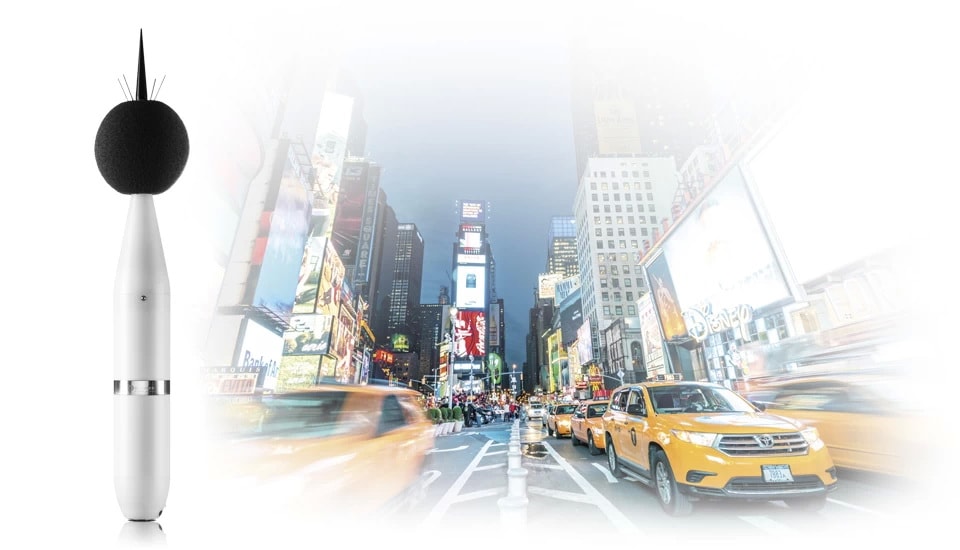
Sound Pressure Level (SPL) is a crucial metric in the evaluation of environmental noise, significantly impacting both human health and ecological systems. As urbanization continues to expand, understanding SPL becomes essential for managing noise pollution and mitigating its adverse effects. Effective assessment of noise levels allows for informed decision-making in urban planning, protecting communities from potential health risks associated with excessive noise exposure.
SPL serves as a critical measurement in assessing noise pollution, particularly in densely populated areas where sound levels can adversely affect quality of life. Elevated SPL can lead to health issues such as hearing loss, sleep disturbances, and increased stress levels, which can further exacerbate mental health problems. Additionally, wildlife and ecosystems are profoundly affected by anthropogenic noise, as it can disrupt communication, mating rituals, and feeding patterns among animals.
Regulations and Standards Related to Acceptable SPL Levels
Various regulations and standards have been established globally to maintain acceptable SPL levels, especially in urban environments. These guidelines help mitigate the impact of noise pollution on human health and the surrounding ecosystem.
Key examples of regulatory frameworks include:
- The Environmental Protection Agency (EPA) in the United States has set guidelines for acceptable noise levels, urging local governments to enforce noise control programs.
- The World Health Organization (WHO) provides recommendations on noise levels to protect public health, suggesting that nighttime noise should not exceed 40 dB to prevent sleep disturbances.
- In the European Union, the Environmental Noise Directive (END) mandates member states to assess and manage noise pollution, requiring them to establish action plans for areas exceeding noise limits.
These regulations underscore the importance of accurately assessing SPL to safeguard public health and preserve the integrity of natural environments.
Methods Used to Assess SPL in Different Environments
Assessing SPL effectively requires a variety of methods tailored to both urban and rural settings, considering the distinct characteristics of each environment.
In urban settings, techniques often include:
- Use of fixed monitoring stations that continuously measure noise levels across different times of day to capture variations in SPL due to traffic, construction, and other activities.
- Mobile monitoring through handheld devices that can provide localized measurements in high-noise areas, allowing for targeted assessments where needed.
- Sound mapping, which utilizes geographic information system (GIS) tools to visualize noise distributions across urban landscapes, helping planners identify high-noise zones.
In rural settings, methods may differ due to lower baseline noise levels:
- Periodic field surveys where trained personnel measure SPL at various locations during different times of the day, capturing the natural ambient noise levels.
- Utilization of portable sound level meters for short-term assessments, particularly in areas where noise from agriculture, industry, or transportation might be a concern.
- Community feedback through surveys that gather residents’ perceptions of noise pollution, providing qualitative data to complement quantitative measurements.
Implementing these assessment methods is vital for understanding the impact of SPL on human health and the environment, facilitating effective noise management strategies.
Measuring and Recording Sound Pressure Levels
Accurate measurement and recording of Sound Pressure Levels (SPL) are crucial in various fields, including acoustics, environmental monitoring, and occupational health. This process requires an understanding of the methodologies and tools involved, as well as the best practices for ensuring reliable data over time.
Measuring SPL involves using sound level meters that can accurately capture the intensity of sound in various environments. The measurement process can differ significantly between controlled settings, like laboratories, and uncontrolled environments, such as outdoor spaces. In controlled environments, conditions like temperature and humidity are regulated, reducing the chances of interference. Conversely, uncontrolled environments introduce variables such as background noise and fluctuating weather conditions, which can complicate measurements.
Procedures for Accurate SPL Measurement
The procedures for measuring SPL should account for both the environment and the objectives of the measurement. Key considerations include:
- Calibration: Ensuring the sound level meter is calibrated correctly before taking readings is essential for accuracy. Calibration should be performed according to the manufacturer’s specifications and checked periodically.
- Positioning: Position the sound level meter at ear height and at least one meter away from reflective surfaces to minimize errors caused by sound reflections. In large spaces, multiple measurements may be required to cover varying sound levels.
- Measurement Time: Utilize an appropriate averaging time for the SPL measurements. A longer measurement time can help average out transient noises, while a shorter time may capture peak levels effectively.
- Frequency Weighting: Choose the correct frequency weighting (such as A, C, or Z weighting) based on the specific characteristics of the sound being measured and the context of the measurement.
Types of Sound Level Meters and Their Applications
Different types of sound level meters are designed for specific applications, ranging from basic to advanced models. Below are some common types:
- Class 1 Meters: High-precision instruments suitable for laboratory and engineering work, typically used for compliance testing and research.
- Class 2 Meters: General-purpose sound level meters appropriate for environmental noise assessments and industrial applications.
- Integrated Meters: Devices that record SPL over time, ideal for long-term monitoring of noise pollution or occupational exposure.
- Smartphone Apps: While not as accurate as dedicated meters, these applications can provide a quick assessment in casual settings.
Best Practices for Recording SPL Over Time
Recording SPL over extended periods requires meticulous attention to detail to ensure data reliability. Essential best practices include:
- Regular Calibration: Perform regular calibration of the sound level meter to maintain accuracy over time.
- Consistent Environment: Whenever possible, maintain a consistent environment for measurements to reduce variability. This includes controlling for temperature, humidity, and wind conditions.
- Data Logging: Utilize sound level meters with data logging capabilities to capture and store measurements automatically, allowing for the analysis of trends over time.
- Documentation: Keep detailed records of the measurement conditions, including time, date, location, and any external factors that may influence sound levels.
Reliable SPL measurements are essential for understanding and managing sound in various contexts, making the use of appropriate methodologies, tools, and best practices vital for any successful acoustic evaluation.
Factors Influencing Sound Pressure Levels
Understanding the factors that influence sound pressure levels (SPL) is essential for various applications, from audio engineering to environmental noise assessments. These factors can significantly alter how sound is perceived, making them critical in both indoor and outdoor settings.
The sound pressure level is not solely determined by the source of sound; several physical and environmental factors play a crucial role in shaping SPL. These include distance from the sound source, temperature, humidity, and the acoustics of the surrounding environment. Each of these elements contributes to the overall sound experience, impacting clarity, volume, and quality.
Distance from the Sound Source
The distance from a sound source is one of the primary determinants of SPL. As sound travels, it spreads out, leading to a decrease in intensity. This decrease follows the inverse square law, which states that SPL diminishes by approximately 6 dB with each doubling of distance. Understanding this relationship is vital in applications like concert sound engineering, where audience placement can greatly affect sound quality.
Temperature and Humidity Effects
Both temperature and humidity influence how sound travels through the air. Warmer air can carry sound waves more effectively than colder air, leading to higher SPL under warmer conditions. Conversely, high humidity levels can increase the density of air, which may also enhance sound propagation. In environments with varying weather conditions, such as outdoor concerts or events, these factors can lead to dramatic changes in perceived sound levels.
Surface and Material Influence
The type of surfaces and materials surrounding a sound source greatly affects SPL. Hard surfaces, such as concrete or tile, reflect sound, potentially amplifying SPL in an environment. In contrast, soft materials like carpets and curtains absorb sound, reducing SPL and creating a more intimate acoustic experience. This is particularly relevant in spaces such as recording studios versus open-air venues, where the intended sound environment varies drastically.
To illustrate the impact of materials:
- Concrete and Glass: High reflection leads to increased SPL and potential echo effects.
- Wood: A balance of reflection and absorption, resulting in warmer sound.
- Soft Fabrics: Significant absorption reduces SPL and enhances sound clarity.
Comparative SPL in Indoor and Outdoor Environments
SPL often varies significantly between indoor and outdoor environments due to factors such as background noise and ambient conditions. Indoor spaces typically have controlled acoustics and reduced background noise, allowing for clearer sound. Outdoor environments, however, introduce variables like wind, traffic, and other natural sounds, which can mask intended audio.
For example, at a music festival, a band may achieve a SPL of 100 dB in an open field, whereas, in a closed venue, the same performance might reach 110 dB due to the contained sound waves. This difference highlights the importance of understanding how the environment affects sound propagation when designing sound systems.
The perceived loudness of sound is significantly affected by the environment, especially regarding distance, temperature, and surface materials.
Applications of SPL in Different Industries
Sound Pressure Level (SPL) is a critical metric across various industries, measuring how loud a sound is in relation to ambient noise. Understanding SPL allows businesses to create safer environments, enhance product quality, and improve user experiences. This discussion will explore how SPL is utilized in industries such as music, construction, and healthcare, highlighting its significance in product development and safety improvements.
Music Industry
In the music industry, SPL measurements are essential for ensuring optimal sound quality during live performances and studio recordings. Sound engineers use SPL data to maintain sound levels within safe limits to protect both performers and audiences from hearing damage. For example, concert venues often monitor SPL to comply with local noise ordinances and implement sound level restrictions.
– Live Concerts: SPL measurements help sound crews adjust levels dynamically to prevent sound distortion and ensure clarity, which is particularly important during high-energy events.
– Recording Studios: Producers utilize SPL data to fine-tune audio recordings, balancing vocals with instruments to achieve the desired sound.
Construction Industry
SPL plays a significant role in construction, where noise pollution can affect nearby communities and worker safety. Monitoring SPL levels helps construction companies adhere to regulations and improve health and safety conditions on-site.
– Noise Mitigation: Construction projects often involve heavy machinery that can create harmful noise levels. By measuring SPL, companies can implement noise barriers and schedule work to minimize disturbances.
– Worker Safety: Continuous SPL monitoring protects workers from prolonged exposure to high noise levels, reducing the risk of hearing loss and creating a more productive work environment.
Healthcare Sector
In healthcare, SPL measurements are crucial for creating comfortable and healing environments in hospitals and clinics. Excessive noise can disrupt patient recovery and staff efficiency.
– Patient Rooms: Hospitals utilize SPL measurements to maintain quiet in patient recovery areas, ensuring that noise levels remain below recommended limits to promote healing.
– Surgical Suites: Operating rooms require strict noise control to avoid distractions during procedures. Monitoring SPL helps maintain an optimal environment for both staff and patients.
Role of SPL in Product Development
SPL data informs product design across various industries, guiding engineers and designers in creating quieter and more efficient products. Businesses incorporate SPL measurements in their design processes to enhance user satisfaction and compliance with regulatory standards.
– Consumer Electronics: Manufacturers of products such as headphones and speakers utilize SPL data to minimize distortion while maximizing sound clarity. By analyzing SPL profiles during the design phase, they can achieve a better audio experience for users.
– Automotive Industry: Car manufacturers measure SPL within vehicle cabins to ensure a pleasant driving experience. By keeping SPL levels low, they can reduce cabin noise and enhance comfort.
Case Studies of SPL Applications
Numerous case studies illustrate the practical applications of SPL measurements in improving safety and quality across various sectors.
– Concert Venue Compliance: A major concert hall implemented a SPL monitoring system, which reduced noise complaints by 50% while still delivering high-quality audio. This was essential in maintaining a positive relationship with the surrounding community.
– Construction Project Success: A construction company deployed real-time SPL monitoring during a high-rise project, resulting in a 30% reduction in noise complaints from nearby residents. This proactive approach not only improved community relations but also increased worker efficiency.
– Hospital Noise Reduction Initiative: A hospital’s noise reduction initiative, guided by SPL data, led to a 40% decrease in noise levels in recovery rooms, significantly improving patient satisfaction scores and recovery times.
SPL and Human Perception of Sound
Sound Pressure Level (SPL) is a crucial aspect of how we experience sound, significantly influencing our perception of loudness. The psychological implications of varying SPL levels are profound, affecting not only our auditory experiences but also our emotional responses to sound. As SPL increases, so does the potential for both physical and psychological effects, which can range from discomfort to even hearing damage.
The relationship between SPL and human perception of loudness can be understood through the concept of hearing thresholds, which refer to the minimum sound pressure levels that a typical human ear can detect. These thresholds are not constant and can vary based on several factors, including individual hearing abilities, environmental conditions, and the frequency of the sound itself.
Hearing Thresholds and SPL Measurements
Hearing thresholds serve as the baseline for understanding SPL measurements. They define the point at which sounds become perceivable to the average listener. The standard reference level for SPL measurements is 0 dB SPL, which corresponds to the faintest sound that a young, healthy human ear can detect.
The following factors are important in understanding hearing thresholds and SPL measurements:
- Frequency Dependency: Human hearing is more sensitive to certain frequencies, particularly those in the 2 kHz to 5 kHz range. SPL levels must be adjusted accordingly to accurately reflect perceived loudness across different frequencies.
- Sound Environment: Background noise can elevate hearing thresholds, making it more difficult to detect softer sounds in noisy environments. This phenomenon can lead to increased SPL levels being necessary for comfortable hearing.
- Age and Hearing Health: As individuals age, their hearing sensitivity often diminishes, raising their hearing thresholds. SPL levels that were previously perceived as comfortable may become overwhelming or painful.
The correlation between SPL and hearing safety cannot be overlooked, as prolonged exposure to high SPL levels can lead to hearing damage or discomfort. The following points highlight various factors that contribute to risks associated with high SPL exposure:
Factors Leading to Hearing Damage or Discomfort
Understanding the risks associated with high SPL levels is essential for protecting auditory health. Continuous exposure to elevated SPLs can result in immediate discomfort or long-term hearing loss.
- Intensity of Sound: Sounds above 85 dB SPL are considered potentially harmful with extended exposure. For example, noise levels from heavy traffic can reach 100 dB SPL, which can cause damage over time.
- Duration of Exposure: The longer an individual is exposed to sounds at high SPL, the greater the risk for hearing damage. A common guideline is the “3 dB rule,” which states that for every 3 dB increase in SPL, the permissible exposure time is halved.
- Type of Sound: Sudden, impulsive sounds, such as gunshots or fireworks, can cause immediate damage at SPL levels exceeding 120 dB, even if the duration of exposure is very brief.
To prevent hearing damage, various proactive measures should be adopted.
- Use of Hearing Protection: Earplugs or noise-canceling headphones can reduce SPL exposure in loud environments, particularly in workplaces or during concerts.
- Regular Hearing Checks: Monitoring hearing health through regular check-ups can help detect early signs of hearing loss and allow for timely intervention.
- Awareness of SPL Levels: Educating individuals about the audible range and SPL levels of various activities can promote safer listening habits.
By understanding the relationship between SPL and human perception, we can better protect our hearing and enjoy sound in a safer, more comfortable way.
Innovations in SPL Measurement Technologies
The field of Sound Pressure Level (SPL) measurement is undergoing significant transformations due to advancements in technology. Traditional methods, while reliable, often face limitations in terms of accuracy, portability, and real-time data processing. Emerging innovations are reshaping the landscape, offering enhanced capabilities that cater to a variety of applications, from industrial monitoring to environmental assessments.
Digital sound analysis has revolutionized SPL measurement by integrating advanced algorithms and sophisticated software. This transition from analog to digital allows for more precise readings and enables the analysis of complex sound environments. Digital analyzers can now provide real-time data processing, which is essential for applications requiring immediate feedback, such as in live sound engineering or environmental noise monitoring.
Emerging Technologies in SPL Measurement
The following technologies represent the forefront of SPL measurement innovations, each bringing unique advantages over traditional methods:
- Smartphone Applications: Many smartphone apps now leverage built-in microphones combined with sophisticated algorithms to measure SPL. While they may not replace professional devices, they offer a convenient solution for quick assessments and can be used in various environments.
- Wireless Measurement Systems: These systems use Bluetooth or Wi-Fi to transmit SPL data in real-time to mobile devices or computers. This enhances flexibility and efficiency in monitoring sound levels without the constraints of wires.
- Microelectromechanical Systems (MEMS): MEMS microphones provide compact and highly sensitive solutions for SPL measurement, ideal for integration into small devices. Their small size and cost-effectiveness make them suitable for widespread use in consumer electronics.
- Artificial Intelligence (AI) in Sound Analysis: AI algorithms can analyze sound patterns and provide insights on noise sources and their impacts. This technology is particularly beneficial in urban planning and environmental monitoring for predicting and mitigating noise pollution.
Digital sound analysis significantly contributes to improving accuracy in SPL measurements. Unlike traditional analog devices that may suffer from interference or calibration issues, digital systems can filter noise and apply algorithms to enhance data integrity. This precision is critical in settings like concert halls or industrial sites, where even minor deviations in sound pressure can have substantial effects.
As we look to the future of SPL measurement technology, several trends are likely to emerge:
Future Trends in SPL Measurement Technology
Anticipated developments in SPL measurement methodologies and devices include:
- Integration with IoT: The Internet of Things (IoT) is set to further revolutionize SPL measurement through interconnected devices that can aggregate data from multiple sources, providing comprehensive sound mapping for urban and rural environments.
- Enhanced User Interfaces: Future measurement devices are likely to feature more intuitive user interfaces, utilizing augmented reality to visualize sound levels in real-time, aiding in immediate decision-making processes.
- Environmental Monitoring Networks: Expansion of SPL monitoring networks will be facilitated through the deployment of smart sensors across cities, enabling continuous tracking of noise pollution and compliance with regulatory standards.
- Data Analytics and Reporting: Advanced data analytics tools will empower users to make informed decisions based on historical SPL data, trends, and predictive modeling, enhancing sound management strategies.
Innovations in SPL measurement technologies not only enhance accuracy but also expand the usability and accessibility of measurements in various fields. As technology continues to advance, we can expect even more sophisticated solutions to emerge, paving the way for improved sound management in our increasingly noisy world.
Final Conclusion
In conclusion, SPL (Sound Pressure Level) is a critical metric that shapes our understanding of sound in various contexts. Its applications extend beyond mere measurement; they play a vital role in safeguarding health, improving design practices, and enhancing our quality of life. As we embrace innovations in SPL measurement technologies, the future promises even greater accuracy and understanding of sound’s effects on our world.
FAQ Guide
What is the unit of measurement for SPL?
SPL is measured in decibels (dB), which quantifies the sound pressure level relative to a reference level.
How does SPL affect human health?
High SPL can lead to hearing damage, stress, and other health issues, making it essential to monitor exposure levels.
What devices are used to measure SPL?
Common devices include sound level meters, dosimeters, and smartphone apps designed for acoustic measurements.
Can SPL levels vary between different environments?
Yes, SPL levels can significantly differ between indoor and outdoor settings due to factors like distance, surface materials, and background noise.
What are some common SPL regulations?
Regulations often set permissible SPL levels for noise in residential areas, workplaces, and near sensitive environments like hospitals.