
 Zoe Nora
Room correction is an essential process that enhances audio quality by addressing the unique characteristics of sound waves in any given space. By understanding how sound interacts with room dimensions and surfaces, listeners can create an environment that improves their overall audio experience.
In this exploration of room correction, we’ll delve into its fundamental principles, examine various techniques, and highlight the importance of acoustic treatments. Whether you’re setting up a home theater or simply want to improve your listening space, this guide will provide valuable insights and practical tips.
Understanding the Basics of Room Correction
Room correction is a critical aspect of achieving high-quality audio in any listening environment. It involves adjusting the audio output to compensate for the acoustic characteristics of the room, ensuring that the sound is clear, balanced, and true to the original recording. This process is essential because sound waves interact with various surfaces in the room, such as walls, ceilings, and floors, which can distort audio performance.
The fundamental principle behind room correction lies in the behavior of sound waves. When sound is produced, it travels through the air and reflects off surfaces within the room. These reflections can create a variety of issues, including standing waves, echoes, and frequency response anomalies. By understanding how sound waves interact with the room’s dimensions and materials, one can implement effective room correction techniques to optimize sound quality.
Types of Room Correction Techniques
There are several techniques used in room correction, each with its own purpose and application. Below are some common methods that practitioners use to enhance audio performance:
- Equalization (EQ): This involves adjusting the balance between frequency components of the audio signal to compensate for room anomalies. It’s often implemented using software or hardware equalizers.
- Acoustic Treatment: This includes the use of materials like acoustic panels, bass traps, and diffusers to modify the room’s acoustics and minimize reflections and standing waves.
- Time Alignment: This technique ensures that sound from different speakers reaches the listener’s ears simultaneously, improving the coherence and clarity of the audio experience.
- Phase Correction: Adjusting the phase relationships between different frequencies can mitigate issues caused by reflections and improve the overall sound quality.
Each of these techniques plays a vital role in achieving an optimal listening experience. The choice of technique often depends on the specific challenges presented by the room and the desired audio outcome.
Common Room Correction Tools and Software
Numerous tools and software are available for implementing room correction. They range from simple manual adjustments to sophisticated automated systems that analyze the room’s acoustics. Here are some examples:
- Room EQ Wizard (REW): A free software tool used for measuring room acoustics and generating correction filters. It provides detailed analysis of frequency response and can help identify problem areas in the room.
- Dirac Live: An advanced room correction software that automatically analyzes the listening environment and applies corrections to improve sound quality. It is known for its effectiveness in handling complex acoustic issues.
- Sonarworks SoundID Reference: This software calibrates speakers and headphones to ensure a flat frequency response, providing an accurate listening experience across different devices.
- Digital Signal Processors (DSPs): Many modern audio systems incorporate DSPs that can perform real-time room correction, allowing for dynamic adjustments based on the listening environment.
Utilizing these tools can significantly enhance audio reproduction, allowing listeners to enjoy a more immersive and accurate sound experience. The choice of tools will depend on the specific requirements and constraints of the listening environment.
The Importance of Acoustic Treatment in Room Correction
Acoustic treatment plays a critical role in achieving optimal sound quality within any space, particularly in environments dedicated to music production, broadcasting, or even casual listening. By addressing the inherent acoustic issues of a room, such as excessive reverberation or problematic bass frequencies, the overall listening experience can be significantly enhanced. This section will delve into the various forms of acoustic treatments and their strategic implementation in room correction.
Role of Acoustic Panels, Bass Traps, and Diffusers
Acoustic panels, bass traps, and diffusers each serve distinct purposes in managing sound within a room. Understanding their individual roles is essential for effective room correction.
- Acoustic Panels: These are typically made from dense foam or fiberglass and are designed to absorb mid to high frequencies. Their placement on walls can greatly reduce echo and reverberation, leading to a clearer sound. For instance, placing these panels at the first reflection points of a room can significantly improve sound clarity and imaging.
- Bass Traps: Bass traps address low-frequency sound issues, which can often lead to an uneven bass response in a room. By placing bass traps in corners where low frequencies tend to accumulate, one can minimize muddiness and enhance overall sound balance. A common practice is to install these traps in all corners of the room, both vertical and horizontal.
- Diffusers: Unlike absorptive treatments, diffusers scatter sound waves, which helps maintain liveliness in a room while reducing harshness. They are particularly effective when placed on the back wall or ceiling to create a more spacious sound. Using diffusers can prevent the sound from becoming overly ‘dead’ while still managing problematic reflections.
Effective Placement of Acoustic Treatment
The placement of acoustic treatment is crucial in maximizing its effectiveness. Here are strategies to consider when setting up your room:
- Identify the first reflection points on the walls and ceiling, as treating these areas can greatly improve sound clarity. To find these points, sit in your listening position and have a friend move a mirror along the wall until you can see the speakers’ reflection.
- Place bass traps in the corners of the room, as these areas naturally accumulate low frequencies. For optimal impact, use floor-to-ceiling bass traps in both vertical and horizontal corners.
- Consider the height and density of your treatment. Use varying heights and different materials to ensure a balanced absorption across frequencies. This variation helps in creating a more natural sound environment.
- Test and adjust the placement of panels and traps as needed. Sometimes, slight adjustments can yield significant improvements in sound quality. Frequent listening tests will guide you in finding the ideal configuration.
Comparison of Passive and Active Acoustic Treatments
In room correction, both passive and active acoustic treatments have their unique advantages and applications.
- Passive Acoustic Treatments: These consist of materials such as foam panels, carpets, and curtains that absorb sound energy. They are effective for controlling reverberation and reducing echoes without requiring power or electronic processing. Passive treatments are generally easier to install and maintain, making them a popular choice for home studios and listening rooms.
- Active Acoustic Treatments: Incorporating technology, these systems utilize microphones and speakers to analyze and adjust sound in real-time. They can adapt to changing conditions and offer precise control over sound waves. While often more expensive than passive treatments, active systems can be particularly beneficial in large or complex spaces where precise acoustic control is essential.
In conclusion, the combination of effective acoustic treatment and strategic placement is vital for achieving the best possible sound quality in any room.
Analyzing Room Acoustics and Their Challenges
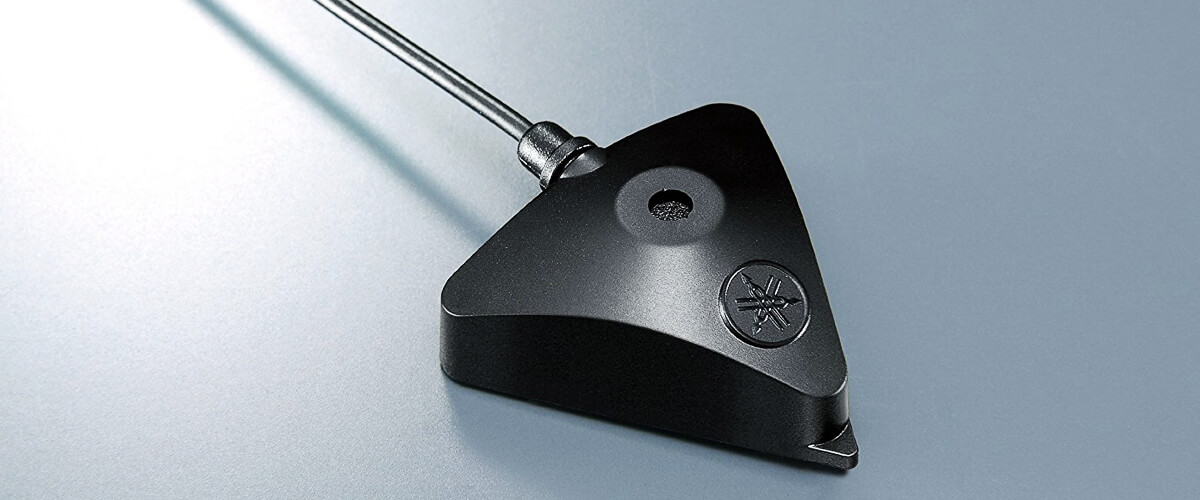
Understanding room acoustics is crucial for achieving optimal sound quality in any environment, whether it’s a home theater, a recording studio, or a concert hall. Various acoustic issues can arise in different types of rooms, which can significantly impact both sound fidelity and the listener’s experience. By identifying and addressing these challenges, one can enhance the overall audio experience.
Common acoustic issues encountered in various room types include reflections, echoes, and standing waves. These problems arise from the interaction of sound waves with surfaces in the room, leading to undesirable effects that can distorts sound. Reflections occur when sound waves bounce off walls, ceilings, or floors, causing certain frequencies to amplify or diminish, resulting in an imbalanced sound. Echoes can create delays in sound reaching the listener, leading to a muddled audio experience. Standing waves occur when sound waves reflect back and forth between parallel surfaces, which can create a “boominess” in certain low frequencies, negatively affecting bass response.
Measuring Room Acoustics
To accurately assess room acoustics and identify specific challenges, various measurement techniques can be employed. Utilizing tools like room analyzers and calibrated microphones allows for a detailed analysis of the acoustic properties of a space. These tools can help in visualizing the sound waves within the environment and identifying problematic frequencies that require correction. Here are several key techniques used in measuring room acoustics:
- Room Analyzers: These devices can capture and analyze sound within a room, providing graphical representations of frequency response, decay times, and more. This data is invaluable for pinpointing issues such as resonant frequencies and echo patterns.
- Microphone Measurement: A calibrated microphone can be used to record sound in various locations throughout the room. By analyzing the frequency response of these recordings, one can determine how sound behaves in different areas and where adjustments may be needed.
- Room Modes Calculation: This involves calculating the room’s dimensions to identify standing wave frequencies. The formula for calculating the fundamental frequency of standing waves is given by:
f = c / (2 * L)
where f is the frequency, c is the speed of sound, and L is the room dimension.
- Impulse Response Measurement: This technique captures how sound decays in a room over time, providing insights into the reverb characteristics and helping to identify areas where absorption or diffusion materials may be beneficial.
By utilizing these measurement techniques, individuals can gain a comprehensive understanding of room acoustics, enabling them to take informed steps toward optimizing sound quality and enhancing listener experiences in various environments.
The Role of Technology in Modern Room Correction
Advancements in technology have significantly transformed the field of room correction, enabling both audiophiles and casual listeners to optimize their listening environments with remarkable ease. These innovations not only enhance sound quality but also make sophisticated audio adjustments accessible to a broader audience, thus reshaping the listening experience.
Digital Signal Processing (DSP) has played a pivotal role in this evolution. By utilizing algorithms and computational techniques to manipulate audio signals, DSP allows for the real-time adjustment of sound characteristics based on the unique acoustics of a room. This technology enables users to correct frequency imbalances, reduce unwanted echoes, and even tailor sound profiles to individual preferences. The integration of DSP into consumer audio equipment has made it possible for users to achieve professional-level sound correction without the need for extensive knowledge or equipment.
Software Solutions in Room Correction
Innovative software solutions have revolutionized how users implement room correction. These programs simplify the calibration process through user-friendly interfaces and automated functions. Instead of manually adjusting equalization settings or relying on trial and error, users can now leverage software that analyzes room acoustics and applies necessary corrections.
Key features in popular room correction software include:
- Automatic Calibration: Many software tools can automatically analyze the acoustics of a room using microphones to measure frequency response and make real-time adjustments.
- Customization Options: Users can often customize their corrections, enabling detailed adjustments to suit their preferences, whether for music, movies, or gaming.
- Graphical User Interfaces: Intuitive visual displays allow users to visualize soundwave patterns and frequency response, making it easier to understand the effects of their adjustments.
- Multi-Room Functionality: Some software solutions support adjustments across multiple rooms and setups, providing a cohesive audio experience throughout a home.
Popular examples of room correction software include:
- Dirac Live: Known for its precise impulse response correction, Dirac Live enhances the clarity and spatial accuracy of sound reproduction.
- IK Multimedia ARC System: This software features advanced room analysis capabilities and offers both automatic and manual tuning options for personalized correction.
- Sonic Studio Amarra: Focusing on high-resolution audio, Amarra provides sophisticated tools for fine-tuning audio playback in a variety of environments.
These advancements in technology not only elevate the listening experience but also empower users to take control of their audio environments, ensuring that sound quality is maximized regardless of room acoustics. The synergy between hardware and innovative software solutions is paving the way for a new era in home audio systems, making room correction an integral part of achieving optimal sound fidelity.
Implementing Room Correction in Home Theaters
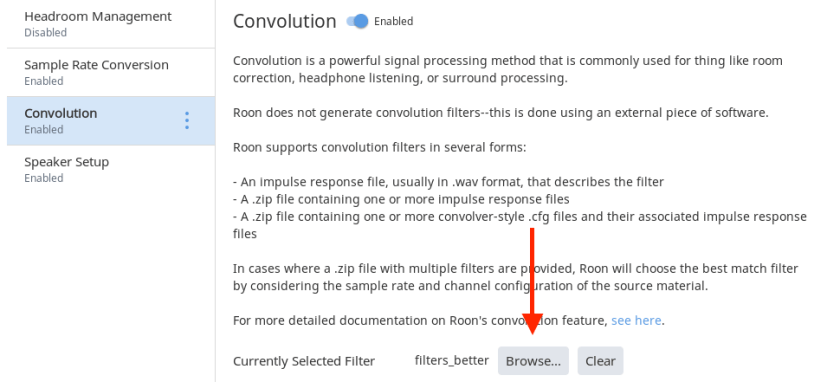
Establishing an optimal audio experience in a home theater relies heavily on effective room correction. This process adjusts and enhances the sound to counteract the unique acoustical challenges posed by your specific environment. By understanding how to implement room correction, you can transform your audio setup into a powerful and immersive sound experience.
Successful room correction involves a systematic approach to adjust sound within your home theater. It addresses the unevenness in sound caused by various factors, including room dimensions, furnishings, and speaker placement. Here’s a step-by-step guide to getting started with room correction in your home theater:
Step-by-Step Guide for Setting Up Room Correction
Implementing room correction involves several important steps to ensure that your audio system performs at its best. Follow these stages to achieve optimal results:
- Assess the Room: Measure the dimensions of your home theater and take note of any irregularities, such as angled walls or large furniture that could affect sound.
- Choose the Right Equipment: Select a room correction system compatible with your audio setup. Options include built-in calibration tools in AV receivers or external systems like equalizers.
- Speaker Placement: Position your speakers according to best practices, considering distance from walls and corners to minimize reflections and resonances.
- Perform Calibration: Use a calibrated microphone to measure the acoustic response of the room. Most calibration systems will guide you through positioning the microphone at various listening positions.
- Analyze the Results: Review the measurements provided by the calibration system, which may include frequency response graphs and recommendations for adjustments.
- Make Adjustments: Apply the suggested corrections, which typically involve equalization settings. You may also need to tweak speaker distances and levels based on the calibration data.
- Test and Refine: After adjustments, play a variety of audio content to evaluate the sound. Take notes on any areas that may still need improvement and repeat the calibration if necessary.
Challenges of Room Correction in Multi-Purpose Rooms
Room correction in multi-purpose rooms presents unique challenges due to the versatility these spaces require. The need to accommodate various activities can complicate audio performance. Here are some key challenges and solutions:
Flexibility in sound management is crucial for multi-purpose rooms to cater to diverse usage while achieving optimal audio quality.
- Variable Use: Multi-purpose rooms often host different events, which can affect acoustics. To combat this, invest in adjustable acoustic treatments that can be repositioned or modified based on use.
- Furniture Arrangement: Frequent rearrangement of furniture can impact sound quality. Consider furniture with sound-absorbing materials or movable elements that can accommodate various setups.
- Mixed Equipment Types: Different audio systems may not integrate seamlessly. Ensure that your room correction system can support various types of equipment, or opt for a universal solution that adapts to multiple setups.
Integrating Room Correction with Existing Sound Systems
Proper integration of room correction with your existing sound system can significantly enhance audio performance. Here are practical tips to ensure smooth integration:
Room correction works best when it complements your current hardware rather than replaces it, leading to a harmonious audio environment.
- Check Compatibility: Ensure that the room correction software or hardware is compatible with your existing audio equipment, including amplifiers and speakers.
- Utilize Existing Features: Many modern AV receivers come with built-in room correction features. Explore and utilize these options before investing in external solutions.
- Streamline Connections: Use high-quality cables and connections to minimize signal loss and interference, which can undermine the effectiveness of room correction.
- Regular Updates: Keep your audio equipment’s firmware up to date to ensure that room correction algorithms function optimally and take advantage of new features.
Evaluating the Effectiveness of Room Correction Methods
Evaluating the effectiveness of room correction methods is vital for ensuring that the sound quality in a space meets the listener’s expectations. With the right assessment criteria and effective listening tests, one can determine if the corrections made truly enhance the auditory experience. Moreover, being aware of common pitfalls helps in refining the approach to achieve optimal results.
Criteria for Assessing Sound Quality
To evaluate the success of room correction efforts, a set of criteria can guide the assessment process. These criteria help in determining whether the desired sound quality has been achieved. The significance of each criterion should be understood as it contributes to the holistic evaluation.
- Frequency Response: The accuracy of sound reproduction across various frequencies is fundamental. A flat frequency response indicates that no particular frequency is overemphasized or suppressed.
- Phase Coherence: Ensuring that sound waves reach the listener’s ears simultaneously improves clarity and spatial imaging, making music sound more authentic.
- Room Modes and Resonances: Identifying and mitigating problematic room modes can enhance the overall listening experience, reducing unwanted peaks and dips in sound levels.
- Dynamic Range: The ability to reproduce quiet and loud passages without distortion is essential for maintaining the integrity of the audio.
- Listener Fatigue: An effective room correction should minimize listener fatigue, allowing for extended listening sessions without discomfort.
Conducting Listening Tests
Listening tests are essential for evaluating changes in sound quality before and after room correction. A structured approach to these tests can yield more reliable results.
The process involves selecting a variety of audio tracks that cover different genres and dynamics. It is also important to create a controlled environment where external noise is minimized. Following this, a comparison can be made between the uncorrected and corrected states.
- Blind Testing: Using a blind testing method, where listeners are unaware of which version they are hearing, can eliminate bias and provide more authentic feedback.
- Subjective Feedback: Gathering qualitative feedback from listeners can provide insights into their perceptions of clarity, detail, and overall enjoyment.
- Quantitative Measurements: Utilizing audio measurement tools to capture before-and-after data can provide objective evidence of the effectiveness of room correction.
Common Pitfalls and How to Avoid Them
While implementing room correction, certain common pitfalls can hinder the expected outcomes. Acknowledging these and knowing how to circumvent them can lead to optimal results.
- Overcorrection: Excessive adjustments may create an unnatural sound profile. A balanced approach is necessary to maintain the natural characteristics of the audio.
- Ignoring Room Acoustics: Neglecting the physical characteristics of the room, such as reflections and diffusions, can result in ineffective corrections. It is crucial to account for these factors during the correction process.
- Inconsistent Listening Environments: Failing to maintain a consistent listening environment can lead to variable outcomes. Ensuring that the listening conditions remain unchanged is essential for reliable assessments.
- Neglecting Speaker Placement: Positioning speakers improperly can limit the effectiveness of room correction. Adhering to optimal placement guidelines can significantly enhance audio performance.
- Relying Solely on Software: While software tools are valuable, human judgment and listening experience should guide the final adjustments. Combining technical and subjective assessments leads to better results.
Case Studies of Successful Room Correction Projects
Room correction has proven to be a transformative process in various environments, enhancing audio quality and optimizing the listening experience. By analyzing different case studies, we gain valuable insights into the challenges faced during implementation and the effective strategies employed to overcome them. Here, we explore specific instances of room correction projects that have achieved notable success.
Residential Home Theater System Implementation
In a residential setting, a family sought to optimize their newly constructed home theater. The room had high ceilings and large windows, leading to significant acoustic challenges, including echoes and bass deficiency. The project began with an analysis that revealed standing waves and uneven frequency response across the seating area.
To address these challenges, the following steps were taken:
- Acoustic Treatment: The installation of bass traps in the corners and acoustic panels on the walls reduced echo and reverberation.
- Speaker Placement: The speakers were strategically repositioned based on room dimensions and listening positions to achieve a balanced sound stage.
- Room Correction Software: Advanced DSP (Digital Signal Processing) was utilized to analyze sound characteristics and apply corrective equalization.
Through this process, the family reported a significantly improved audio experience, with clearer dialogue and a more immersive sound environment. This project highlighted the importance of understanding room acoustics and the effective use of technology to overcome spatial challenges.
Commercial Recording Studio Renovation
A recording studio faced ongoing issues with sound fidelity, leading to dissatisfaction among musicians and engineers. The space was originally designed without sufficient consideration for acoustics, resulting in inconsistent sound quality during recordings.
The renovation involved a comprehensive assessment, revealing multiple problem areas:
- Reflection Points: Identifying key reflection points helped in placing absorptive materials to mitigate unwanted echoes.
- Monitoring Position: The mixing console and speakers were relocated to an optimal position that reduced interference from reflective surfaces.
- Calibration: The studio utilized room correction tools to calibrate monitors and ensure accurate playback across different frequencies.
As a result of these enhancements, the studio experienced improved sound clarity and reliability, leading to a surge in client satisfaction and repeated bookings. This case underscored the significance of tailored acoustic solutions in professional settings.
Educational Facility Auditorium Upgrade
An educational institution aimed to enhance the audio experience in its auditorium, where lectures and performances frequently took place. Feedback indicated issues with speech intelligibility and uneven sound distribution.
The project involved several key actions:
- Sound Analysis: Initial measurements identified problematic reverberation times that hindered clarity.
- Seating Layout Adjustment: Rethinking the seating arrangement allowed for better sightlines and sound coverage.
- Integrated Sound System: An upgraded sound system featuring adaptive room correction technology was installed, optimizing playback for various events.
The upgrades resulted in a marked improvement in speech clarity and audience engagement. This case demonstrated the importance of incorporating acoustical considerations in multi-purpose spaces to meet diverse user needs.
“Effective room correction is not just about technology; it is about understanding the unique characteristics of each space.”
These case studies illustrate the multifaceted approach required for successful room correction projects. By addressing unique challenges with targeted solutions, enhanced audio quality can be achieved across various environments, serving as a best practice blueprint for future endeavors.
Conclusion
In conclusion, room correction is not just about adjusting sound; it’s about transforming your listening experience by addressing the distinct challenges of your environment. By leveraging technology, acoustic treatments, and effective evaluation methods, you can achieve remarkable improvements in sound quality, ensuring every note and dialogue resonates as intended.
FAQ
What is room correction?
Room correction is a process that optimizes audio playback by addressing the effects of a room’s acoustics on sound quality.
How does room size affect sound?
Room size influences sound waves, leading to reflections, resonance, and potential dead spots that can distort audio quality.
Can I do room correction myself?
Yes, many tools and software are available that enable users to implement room correction techniques on their own.
What types of software are best for room correction?
Popular software options include Dirac Live, Room EQ Wizard, and Sonarworks, each offering unique features for optimizing sound.
Is acoustic treatment necessary for room correction?
Yes, acoustic treatment, such as panels and bass traps, is crucial for effectively managing sound waves and improving room acoustics.