
 Zoe Nora
Kicking off with Equalizer (EQ), this tool is essential in the realm of audio production, allowing sound engineers and music producers to shape the auditory experience by adjusting frequency levels. It plays a pivotal role in enhancing clarity, depth, and overall quality in both music production and live sound settings.
The mechanics behind an equalizer are fascinating, as they enable manipulation of sound frequencies in various ways, whether through graphic or parametric styles. Understanding these principles opens up a world of possibilities for creating rich and balanced mixes.
Understanding the Fundamental Concepts of Equalizers
Equalizers (EQ) are essential tools in audio production, allowing sound engineers to manipulate audio frequencies to achieve a desired sound. By adjusting the levels of specific frequency ranges, equalizers help in correcting imbalances, enhancing clarity, and tailoring the audio to fit the context of a mix. Understanding the principles of how equalizers function is crucial for anyone involved in sound engineering or music production.
The basic principle behind equalizers is the adjustment of frequencies within an audio signal. Frequencies are measured in hertz (Hz) and encompass a wide range from low bass sounds (20 Hz) to high treble sounds (20 kHz). Equalizers function by boosting or cutting these frequencies, allowing engineers to shape the sound to their liking. For instance, increasing the bass frequencies can add warmth and depth to a track, while cutting mid-range frequencies can clear up muddiness in the mix.
Types of Equalizers
Equalizers come in various forms, each serving unique purposes in audio processing. The main types include graphic equalizers and parametric equalizers, each with distinct functionalities.
Graphic Equalizers typically consist of a series of sliders representing different frequency bands. Users can easily visualize and adjust the levels, making them user-friendly for real-time adjustments during live performances or mixing sessions.
Parametric Equalizers, on the other hand, offer more precision and flexibility. They allow users to select specific frequencies to boost or cut, control the bandwidth (Q factor), and adjust gain. This level of control provides sound engineers the ability to fine-tune their audio more meticulously, whether it’s for vocal clarity or instrument definition.
The role of equalizers in audio production is pivotal. They help in achieving a balanced mix, where each element occupies its sonic space. Proper EQ can enhance the listener’s experience, ensuring that each sound is clear and distinct. Additionally, equalizers can be used creatively to shape the overall character of a track, influencing its emotional impact and engagement with the audience.
“Equalization is about creating clarity in a mix. It is the art of sculpting sound.”
In conclusion, understanding these fundamental concepts of equalizers is vital for anyone looking to refine their audio production skills. Utilizing the right type of equalizer effectively can significantly enhance the quality of sound, making it an indispensable tool in the sound engineer’s arsenal.
Exploring Different Types of Equalizers Used in Audio Engineering
Equalizers (EQ) play a crucial role in audio engineering, enabling engineers to shape the tonal quality of sound. By adjusting the amplitude of specific frequency ranges, equalizers help achieve a balanced mix, enhance clarity, and eliminate undesirable frequencies. Understanding the various types of equalizers—both analog and digital—provides insights into their unique characteristics and applications in different scenarios.
Different types of equalizers can be categorized based on their design and functionality. The two main categories are analog equalizers, which utilize physical components to manipulate sound, and digital equalizers, which rely on software algorithms. Each type comes with its distinct advantages and disadvantages that can significantly impact audio production quality.
Characteristics of Analog Equalizers
Analog equalizers are traditionally used in professional audio settings and are characterized by their warm, natural sound. They typically consist of passive and active components that work together to alter audio signals in real-time. Common types include:
– Parametric Equalizers: These allow for precise control over frequency selection, bandwidth, and gain. Ideal for targeted corrections.
– Graphic Equalizers: Employ a series of fixed frequency bands, providing a visual representation of the EQ curve. Useful for broad adjustments.
– Shelving Equalizers: Boost or cut frequencies above or below a specific point, effective for overall tonal shaping.
The advantages of analog equalizers include their warm sound and tactile interface, which many engineers prefer for hands-on adjustments. However, they can be limited in flexibility and precision compared to their digital counterparts and are often bulkier and more expensive.
Characteristics of Digital Equalizers
Digital equalizers utilize software algorithms to process audio signals, offering extensive flexibility and precision in sound shaping. They can be found in digital audio workstations (DAWs) and often come with features such as:
– Infinite Bands: Allowing for a virtually unlimited number of frequency adjustments.
– Dynamic EQ: Automatically adjusting frequency levels based on input signal levels to maintain consistency.
– Filters and Effects: Integrating various processing tools for more creative sound design.
Digital equalizers provide the advantage of recallable settings, ease of use, and integration with other digital tools. However, some engineers argue that they lack the warmth and character of analog devices, often introducing a more sterile sound.
Comparative Analysis of Equalizer Types
The following table summarizes the key features and applications of analog and digital equalizers, highlighting their differences:
| Type | Characteristics | Advantages | Disadvantages | Applications |
|---|---|---|---|---|
| Analog Equalizer | Warm sound, tactile operation | Natural sound quality, hands-on control | Less precise, bulkier | Live sound, studio recording |
| Digital Equalizer | Flexible, software-based | Precise adjustments, recallable settings | Can sound sterile, requires learning curve | Post-production, mixing, sound design |
Understanding the characteristics, advantages, and disadvantages of each type of equalizer allows audio engineers to select the right tool for their specific needs. In practice, many professionals often utilize a combination of both types to leverage the unique benefits each offers, ensuring optimal sound quality in their productions.
The Impact of Equalization on Music Production
Equalization (EQ) is a fundamental tool in music production, influencing how a track sounds overall and how its components interact with one another. By adjusting the frequency response of different elements, producers can enhance the quality and clarity of a mix, ensuring that each instrument and vocal sits well within the soundscape. Whether used subtly or dramatically, EQ shapes the listener’s experience by emphasizing certain frequencies while reducing others.
Equalization can significantly affect the final sound of a music track, transforming a muddled mix into a polished production. It allows producers to carve out space for each element, ensuring that sounds are distinct and cohesive. By understanding frequency ranges and their emotional impacts, producers can manipulate elements to evoke specific feelings and reactions from listeners.
Examples of Tracks with Notable Equalization
Several iconic tracks illustrate the transformative power of equalization in music production. Tracks like “Billie Jean” by Michael Jackson showcase precise EQ techniques that highlight the bassline and vocals, creating a driving rhythm that grabs attention. Another example is “Get Lucky” by Daft Punk, where the use of EQ helps to define each instrument, allowing the shimmering guitars and synths to coexist harmoniously. These tracks exemplify how EQ can significantly enhance the mix, resulting in memorable and impactful listening experiences.
Techniques for Using Equalization in Complex Arrangements
In complex arrangements, effective equalization is crucial for achieving clarity. Here are some techniques producers can use to enhance definition:
- Cut Unnecessary Frequencies: Identify and reduce frequencies that cause muddiness in the mix. For instance, cutting low frequencies from guitars allows the bass and kick drum to occupy that space without conflict.
- Boost Key Frequencies: Gently boost frequencies that enhance the character of an instrument or vocal. For example, a slight boost around 3 kHz can add presence to vocals, making them more forward in the mix.
- Use High-Pass Filters: Implementing high-pass filters can remove low-end rumble from non-bass instruments, helping to create a cleaner mix. This technique is particularly effective for vocals and guitars.
- Employ Notch Filters: Utilizing notch filters can help eliminate problematic frequencies that cause harshness. This is especially useful for live recordings where certain frequencies may resonate undesirably.
- Apply Dynamic EQ: Dynamic EQ allows for frequency adjustments that respond to the audio signal in real-time. This technique is beneficial for managing frequency build-ups during certain passages, maintaining clarity throughout the track.
“Equalization is not just a tool for correcting problems, but a means to create an artistic statement.”
By employing these techniques, producers can achieve a more balanced and professional sound in their mixes, ensuring that every element has its place and the overall production shines.
Techniques for Effective Equalization in Mixing and Mastering

Effective equalization (EQ) is a cornerstone of music mixing and mastering, enabling engineers to sculpt sound and create a balanced mix. Mastering the art of EQ involves understanding the context of each sound within a mix, which allows for more nuanced and effective application. This section delves into advanced techniques that can elevate the quality of your mixes by focusing on both subtractive and additive equalization strategies.
Advanced Techniques in Equalization
An essential technique in effective equalization during mixing is the use of EQ in context. This means considering how each element of the mix interacts with others. For example, boosting the bass frequencies of a kick drum might make it sound fuller, but if the bass guitar overlaps in the same frequency range, it can lead to muddiness. By applying EQ thoughtfully, such as cutting certain frequencies from the bass guitar to allow the kick drum to shine through, clarity can be achieved.
Another advanced technique is dynamic EQ, which allows for frequency adjustments to react to the audio signal in real-time. For instance, using dynamic EQ to control sibilance in vocals can make the mix smoother without sacrificing the brightness of the voice. This approach can enhance the overall sound quality, making it more polished and professional.
Subtractive Versus Additive Equalization
Understanding the difference between subtractive and additive equalization is crucial for achieving optimal sound quality.
Subtractive equalization involves cutting frequencies that are problematic or muddy, rather than boosting others to compensate. For example, if a guitar has an overly resonant mid-frequency around 300 Hz, applying a cut of 3-6 dB in that range can clarify the sound without adding unnecessary energy elsewhere. This technique can often lead to a more natural and open mix.
In contrast, additive equalization involves boosting specific frequencies to enhance certain characteristics of a sound. An example would be boosting the high frequencies of a vocal track around 8 kHz to add brightness and presence. However, this can easily lead to harshness if overdone, so it’s essential to use moderation and rely on ear training to identify the right amount.
Common Pitfalls in Equalization
Avoiding common pitfalls in equalization is vital for maintaining sound quality in a mix. Below are some frequent mistakes and suggestions on how to steer clear of them:
- Overuse of Boosting: Excessive boosting can lead to a harsh, unbalanced mix. It’s important to prioritize cuts over boosts to maintain a natural sound.
- Ignoring Context: Applying EQ settings in isolation can result in a disjointed mix. Always listen to the entire mix to ensure that each element fits harmoniously.
- Neglecting Low-End Clarity: Low frequencies can easily clash. Cutting unnecessary low-end from non-bass instruments can improve clarity and allow the bass instruments to stand out.
- Static EQ Settings: Failing to adapt EQ settings to various parts of the song can lead to a stale mix. Use automation to adjust EQ throughout the track to accommodate dynamic changes.
- Poor Monitoring Environment: Mixing in an untreated room can mislead your decisions about EQ. Investing in acoustic treatment or quality headphones can significantly improve your accuracy.
Real-World Applications of Equalizers in Different Genres
Equalizers play a crucial role in shaping the sound of music across various genres, enhancing the listening experience by adjusting the frequency balance. Each genre has unique characteristics, and equalization strategies are tailored to highlight these elements. By understanding how equalizers are used in different musical styles, audio engineers and producers can create more impactful mixes that resonate with their intended audience.
In music production, the way equalizers are utilized varies significantly depending on the genre. While some genres emphasize specific instruments or vocal clarity, others may lean towards creating a fuller, more immersive sound. The following sections explore equalization strategies used in rock, classical, electronic, and hip-hop music, highlighting how these approaches define each genre’s unique sonic identity.
Equalization Strategies in Various Genres
Understanding the nuanced application of equalizers in different genres is essential for producing high-quality audio. Here’s an overview of how each genre typically employs equalization techniques.
- Rock:
Rock music often features a strong emphasis on guitars and vocals. Equalizers are used to enhance the brightness of electric guitars, typically boosting frequencies around 3 kHz to 5 kHz. Vocals are also boosted in the midrange to ensure they cut through the mix, while low-end frequencies might be tamed to prevent muddiness. - Classical:
In classical music, equalization is applied more subtly to maintain the natural sound of instruments. The focus is on clarity and dynamic range. Engineers often boost the high frequencies around 10 kHz to enhance the brilliance of strings and woodwinds, while ensuring that the lower register maintains warmth without overpowering the harmony. - Electronic:
Electronic music utilizes equalizers to sculpt sounds dramatically. Sub-bass frequencies are typically enhanced to give tracks a powerful low-end presence. Additionally, high-pass filters are frequently applied to synths to remove low-end rumble, allowing other elements to shine. Frequency sweeps and resonant boosts can also create unique sound textures. - Hip-Hop:
In hip-hop, the kick drum and bass lines are foundational, so equalizers are often used to boost low frequencies around 60 Hz to 100 Hz for a punchy impact. Vocals may be treated with a slight boost in the 2 kHz to 5 kHz range for clarity, while cutting unnecessary low frequencies to reduce background noise and ensure a clean mix.
Case Study: “Billie Jean” by Michael Jackson
A quintessential example of effective equalization can be found in Michael Jackson’s “Billie Jean.” The track exemplifies the mastering of EQ techniques that enhance its iconic sound. The song features a tight bassline that is clearly defined, achieved by boosting the low frequencies while carefully cutting competing ranges.
The equalization techniques used in “Billie Jean” include:
– A prominent boost in the 60 Hz to 80 Hz range to emphasize the bass guitar, creating a strong foundation for the rhythm.
– The snare drum is highlighted with a boost around 200 Hz for a punchy presence, while the high frequencies are accentuated around 3 kHz to allow for clarity in the percussion.
– Vocals are processed with an emphasis around 2 kHz, ensuring they remain distinct and forward in the mix against the backdrop of the instrumentation.
This meticulous approach to equalization not only contributes to the song’s infectious groove but also showcases how effective EQ can bring elements together to form a cohesive and engaging track.
The Future of Equalization Technology and Its Evolution
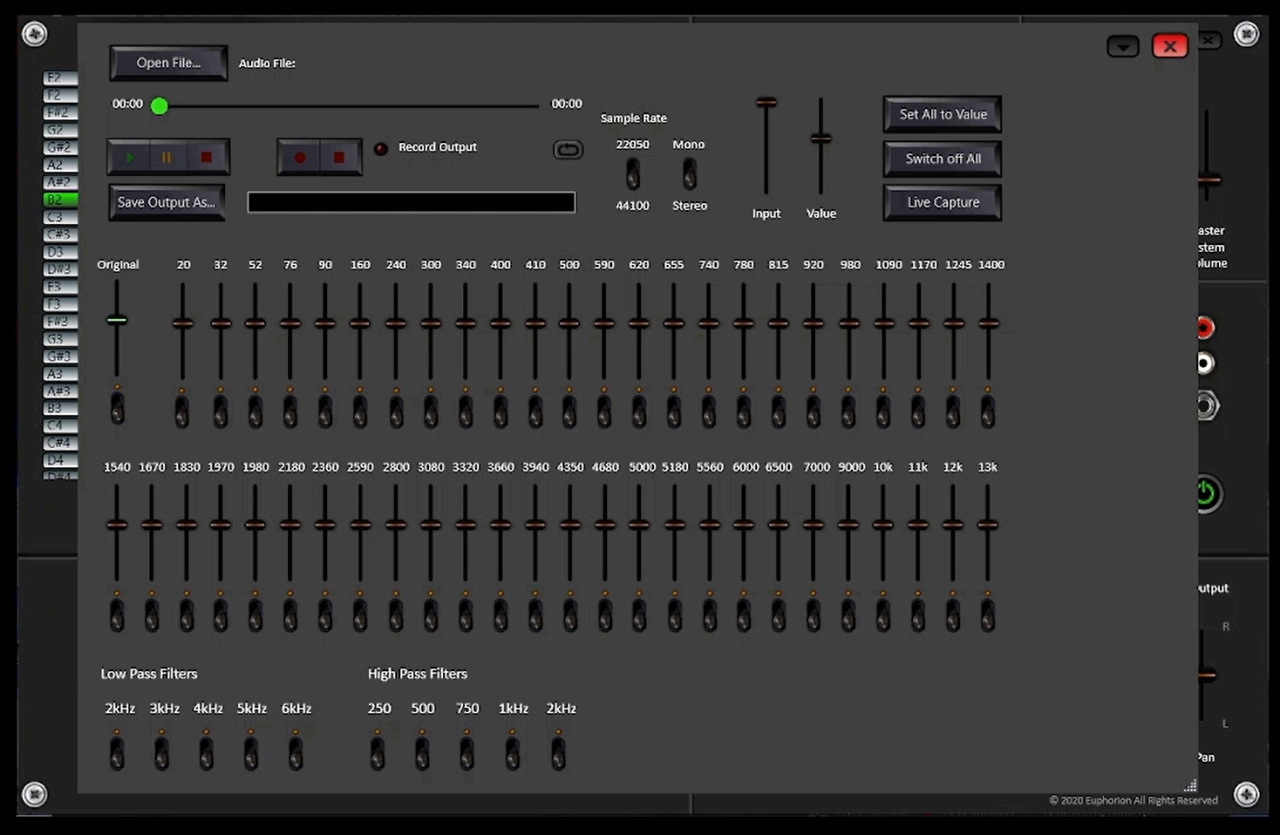
The field of equalization technology is witnessing substantial advancements that are shaping the landscape of modern audio production. As audio production becomes increasingly sophisticated, equalizers are evolving not just in terms of functionality but also in how they integrate with other elements of sound design. This evolution reflects a broader trend towards greater flexibility, precision, and user-friendliness in audio processing.
The influence of advancements in equalization technology on modern audio production is substantial. From the introduction of digital signal processing (DSP) to the rise of artificial intelligence (AI), these innovations play a critical role in enhancing sound quality and editing capabilities. Traditional analog equalizers are being complemented and, in some cases, replaced by digital alternatives that offer more features and greater precision. This shift enables sound engineers to manipulate frequencies with unprecedented accuracy, allowing for intricate soundscapes that were previously unattainable.
Emerging Trends in Equalizer Design and Functionality
The development of equalizers is being driven by several emerging trends that aim to improve usability and performance. These trends include:
- Dynamic Equalization: This approach allows for frequency adjustments based on the input level, making it easier to manage fluctuating sound sources while maintaining clarity and balance.
- AI-Driven Equalization: Algorithms powered by machine learning are being developed to analyze audio content and automatically optimize EQ settings, thus streamlining the mixing process.
- Modular Equalizers: The trend towards modular audio systems is allowing equalizers to be used as individual modules within larger setups, offering customizable signal paths and greater versatility.
- Visual Feedback and Integration: Many modern equalizers feature advanced visual interfaces that provide real-time visual feedback, enhancing the user experience and improving control over adjustments.
These advancements are not only enhancing how sound is manipulated but also improving the overall workflow for audio professionals. The integration of these technologies into everyday production practices leads to a more intuitive and creative sound design process.
Potential Future Developments in Equalization
The potential for future developments in equalization technology is vast, promising to change the way sound is manipulated significantly. One notable direction is the increased use of immersive audio formats, such as Dolby Atmos. Equalizers will need to adapt to manage the complexities of spatial audio, ensuring that sound clarity is maintained even in multi-dimensional soundscapes.
Other potential developments may include:
- Real-Time Collaboration Tools: As remote collaboration becomes more common, future equalization tools may allow multiple users to adjust settings on the same audio project simultaneously, enhancing teamwork and creativity.
- Integration with Virtual Reality (VR): Equalizers may evolve to cater specifically to VR environments, where sound placement and movement are critical for an immersive experience.
- Enhanced User Interfaces: The development of intuitive interfaces that utilize touch, gesture, or even VR controls can make equalization more accessible to users at all skill levels.
- Increased Customization: Future equalizers may allow deeper customization options, enabling users to create personalized presets that cater to unique audio preferences and specific sound environments.
The trajectory of equalization technology suggests a future where sound manipulation is not only more precise but also more aligned with the creative processes of audio production. The innovations on the horizon promise to redefine workflows, enhance collaboration, and elevate the overall quality of sound in various media.
Troubleshooting Common Equalization Problems
Equalization (EQ) is an essential tool in audio production, allowing for the shaping and enhancement of sound. However, even experienced audio engineers can encounter problems during the equalization process. Understanding these common issues and how to resolve them can lead to a cleaner, more professional sound. This section discusses frequent EQ challenges and practical solutions to overcome them.
The use of reference tracks is crucial when troubleshooting equalization problems. Reference tracks provide a benchmark for tonal balance and overall sound quality, helping you identify issues with your mix. By comparing your mix to a professionally produced track, you can discern whether certain frequencies are overpowering or lacking, guiding you to make more informed EQ decisions.
Common Equalization Issues and Solutions
Several common issues can arise when applying EQ in audio mixing. Below are specific challenges along with step-by-step solutions to address them effectively.
1. Muddiness in the Mix
Muddiness often occurs when there is an overabundance of low-mid frequencies (typically around 200-500 Hz). To resolve muddiness, follow these steps:
– Use a high-pass filter to remove unnecessary low frequencies from non-bass instruments.
– Identify the specific frequency range causing muddiness using a spectrum analyzer.
– Apply a gentle cut (3-6 dB) in the 200-400 Hz range to clear up the mix.
2. Harshness and Sibilance
Harshness can be present in vocals and certain instruments, usually in the upper mid-range (around 2-4 kHz). To alleviate this issue:
– Utilize a notch filter to precisely target and reduce the offending frequencies.
– Apply a de-esser on vocals to manage sibilance in the 5-8 kHz range by attenuating specific peaks.
– Consider using a gentle dynamic EQ for more control over harsh frequencies.
3. Lack of Clarity in Vocals
When vocals sound buried in the mix, clarity can be improved through targeted EQ adjustments:
– Apply a high-pass filter to remove low-frequency rumble that may obscure vocal clarity.
– Boost frequencies around 3-5 kHz to enhance the presence and articulation of vocals.
– Ensure appropriate space by cutting competing frequencies in other instruments, especially in the mid-range.
4. Over-compression Artifacts
Over-compression can lead to a lifeless mix, often requiring careful EQ adjustments:
– Use a low-shelf filter to add warmth by boosting low frequencies and counteracting the effects of compression.
– Apply cuts around 200-400 Hz to help restore some natural dynamics.
– Experiment with subtle boosts in the high frequencies (8 kHz and above) to add airiness back into the mix.
5. Uneven Frequency Response
An uneven frequency response can make it difficult to achieve a balanced mix. Address this with the following steps:
– Analyze your mix with a frequency analyzer to identify frequency imbalances.
– Apply corrective EQ cuts or boosts strategically to create a more even response.
– Regularly reference your mix against known tracks to ensure evenness across the spectrum.
Incorporating these solutions into your mixing process can greatly enhance your ability to troubleshoot EQ challenges effectively. By maintaining awareness of common problems and utilizing reference tracks, you can achieve a more polished and professional sound.
Outcome Summary
In summary, the Equalizer (EQ) is not just a tool, but a vital instrument in the art of sound engineering that has evolved significantly over the years. Whether you’re mixing a rock anthem or a delicate classical piece, knowing how to leverage an EQ effectively can transform your tracks and elevate your sound to new heights.
Detailed FAQs
What is the difference between graphic and parametric equalizers?
Graphic equalizers provide fixed frequency bands that you can adjust, while parametric equalizers allow you to customize frequency, bandwidth, and gain, giving you more control over the sound.
How does equalization affect live sound versus recorded sound?
In live sound, equalization is used to adapt to the venue’s acoustics, while in recorded sound, it helps achieve a polished and balanced mix during post-production.
Can equalizers be used creatively in music production?
Absolutely! Equalizers can creatively shape sounds, emphasize certain frequencies, and even carve out space for instruments in a mix, enhancing the overall sonic landscape.
Are there any common mistakes to avoid when using an equalizer?
Yes, common mistakes include over-equalizing, neglecting context when applying EQ, and failing to use reference tracks to gauge the effectiveness of your adjustments.
What role does equalization play in mastering music?
In mastering, equalization ensures that the final mix translates well across all playback systems, enhancing tonal balance and clarity for the listener.