
 Zoe Nora
Streaming audio devices have ushered in a new era of music and podcast consumption, transforming how we engage with sound. Gone are the days of physical media; now, with just a few taps on a screen, we can access vast libraries of content that suit our every mood. These devices not only enhance our listening experience but have also reshaped the music industry, creating new opportunities for artists and listeners alike.
The technology behind streaming audio devices is both sophisticated and user-friendly, offering seamless connectivity and compatibility with various audio formats. As we delve into the design and features of these devices, we’ll discover how they cater to diverse preferences, making it easier than ever to enjoy audio content in any setting.
{Streaming audio devices have transformed how users consume music and podcasts.}
The way we consume audio has undergone a seismic shift with the advent of streaming audio devices. Gone are the days of physical media and limited access; now, listeners can seamlessly access an enormous library of music and podcasts from virtually anywhere. This transformation is not just about convenience; it’s about a complete redefinition of our audio consumption habits and the industries surrounding them.
Streaming audio devices have played a crucial role in this evolution, facilitating a transition from ownership to access. Users can stream their favorite songs, albums, or podcasts on-demand, leading to a broader exploration of genres and creators. This shift has also influenced the music industry significantly; artists now often release tracks directly to streaming platforms, bypassing traditional distribution channels.
{Impact on the Music Industry}
The rise of streaming audio devices has brought profound changes to the music industry. These devices have not only altered how music is distributed but also how it is consumed, leading to shifts in revenue models and artist relationships. The following points illustrate the significant impact:
– Revenue Models: Streaming services like Spotify and Apple Music have shifted the traditional revenue streams for artists. Instead of relying solely on physical album sales, artists now earn through streams. This has led to a new discussion about fair pay and royalties.
– Access to Diverse Music: With streaming, users can discover a wide array of music that previously might have remained inaccessible. This democratization of access allows niche genres and independent artists to thrive.
– Data Insights: Streaming platforms provide artists with data about listener habits, which can inform marketing strategies and tour planning. This data is invaluable for understanding audience preferences.
– Simplified Sharing and Collaboration: Artists can easily share their music across platforms, collaborate remotely, and reach global audiences without the constraints of geographical boundaries.
{Types of Streaming Audio Devices}
Today, there is a wide variety of streaming audio devices designed to enhance the listening experience. These devices cater to different preferences and settings, making audio consumption more versatile than ever. Below is a breakdown of the main types of streaming audio devices available:
– Smart Speakers: Devices like Amazon Echo and Google Nest provide an integrated voice assistant experience, allowing users to stream music and podcasts through simple voice commands. These devices often feature high-quality speakers and can connect to various streaming services.
– Portable Speakers: Brands like JBL and Bose offer portable Bluetooth speakers that allow users to stream audio from their phones or other devices. These speakers are ideal for on-the-go listening, with options for rugged designs and water resistance.
– Streaming Media Players: Devices such as Roku or Amazon Fire TV can stream audio in addition to video. They enable users to access music services on larger screens or through connected sound systems, providing a complete home entertainment experience.
– Wireless Headphones: Brands like Sony and Apple (with AirPods) have developed headphones that support streaming audio directly from devices without the need for wires. These headphones often come with noise-cancellation features to enhance the listening experience.
– Preamplifiers and DACs: High-fidelity streaming audio devices target audiophiles, enabling superior sound quality through digital-to-analog conversion. These devices can connect to high-quality speakers or headphones, offering an enriched audio experience.
The technology behind streaming audio devices offers various functionalities.
Streaming audio devices have revolutionized the way we consume music and audio content, providing seamless access to a vast library of sounds from various platforms. The technology behind these devices combines advanced components and connectivity options to deliver an enhanced listening experience to users. Understanding how these elements work together helps appreciate the innovation behind modern audio streaming.
Components of Streaming Audio Devices
Streaming audio devices consist of several key components that work together to produce high-quality sound and facilitate connectivity. The primary components include:
- Digital Signal Processor (DSP): This chip processes audio signals, enabling features like equalization, sound enhancement, and noise cancellation to improve overall audio quality.
- Audio Codec: The codec compresses and decompresses audio files, allowing for efficient streaming without significant loss of quality. Common codecs include AAC, MP3, and FLAC.
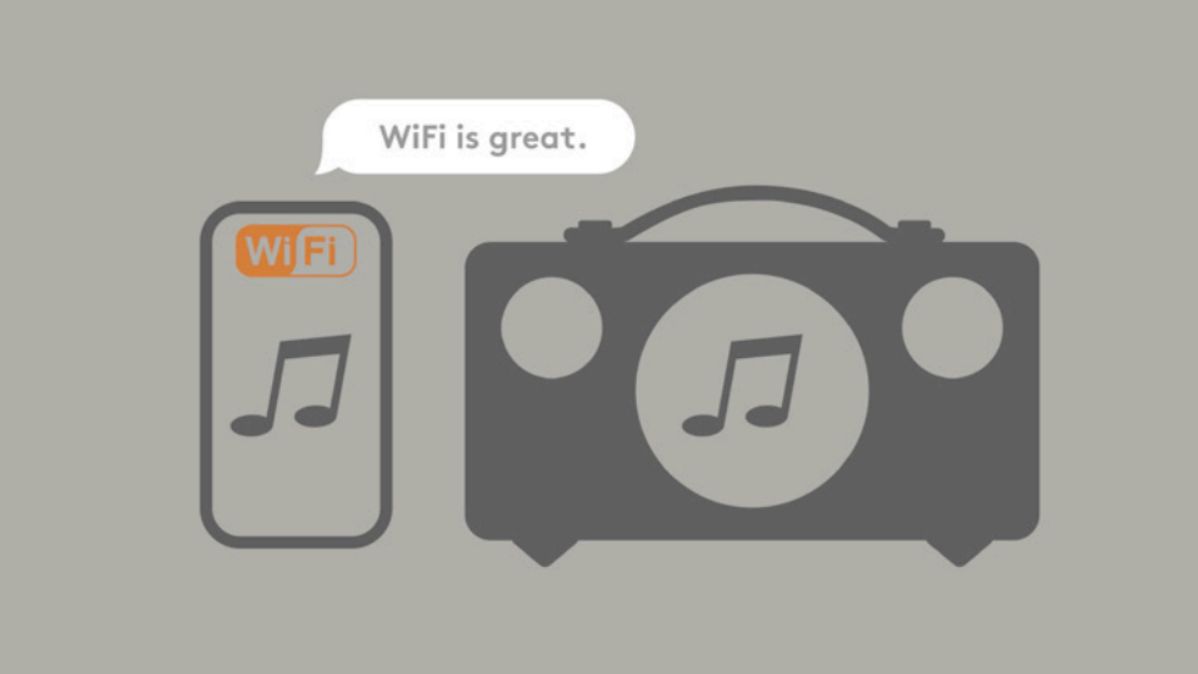
- Wi-Fi Module: This component connects the device to the internet, facilitating access to streaming services and online music libraries.
- Bluetooth Module: Bluetooth allows for wireless connection to smartphones, tablets, and other devices, enabling users to stream audio directly without cables.
- Power Supply: This ensures that the device operates smoothly, providing the necessary power for all components, especially during high-performance tasks.
Wi-Fi and Bluetooth Connectivity
Wi-Fi and Bluetooth are essential for enhancing the user experience with streaming audio devices. Their roles include:
- Wi-Fi Connectivity: By leveraging Wi-Fi, streaming devices can access high-quality audio streams from various platforms without interruption. This allows for multi-room setups and seamless integration with smart home systems.
- Bluetooth Connectivity: Bluetooth facilitates quick pairing with compatible devices, making it easy to stream audio on the go. It is particularly useful for portable speakers, allowing users to enjoy music from smartphones and tablets effortlessly.
Supported Audio Formats
Modern streaming audio devices support a range of audio formats, ensuring versatility and compatibility with different audio sources. Some of the common formats include:
- MP3: A widely accepted format known for its balance of quality and file size.
- AAC: Advanced Audio Codec offers better sound quality than MP3 at similar bit rates, commonly used in streaming services.
- FLAC: Free Lossless Audio Codec provides lossless compression, retaining the original quality of the audio, favored by audiophiles.
- WAV: This uncompressed format delivers the highest quality sound, though it requires more storage space, making it less practical for streaming.
User experience is a critical factor in the design of streaming audio devices.
The user experience (UX) serves as a cornerstone in the design and functionality of streaming audio devices. A seamless and intuitive experience not only enhances user satisfaction but also fosters loyalty to the brand. As streaming audio technology continues to evolve, prioritizing user experience becomes increasingly essential to meet the expectations of modern consumers.
Designing streaming audio devices involves several critical features that enhance user interaction. These features are not just about aesthetics but also about functionality, accessibility, and engagement. A few of the essential features that elevate the user experience include:
- Intuitive User Interface: A clean and simple UI allows users to navigate easily without confusion, making the overall experience more enjoyable.
- Voice Control: Incorporating voice-activated features provides hands-free convenience, ensuring that users can interact without needing to physically engage with the device.
- Multi-Room Audio Setup: The ability to play music across multiple rooms synchronously enhances the usability for gatherings and events, allowing for a shared experience.
- Personalization Options: Features that allow users to customize their playlists or recommend music based on listening habits enrich the user experience.
- Integration with Smart Home Systems: Compatibility with devices such as smart speakers and home assistants provides an added layer of convenience and control.
Comparison of User Interfaces of Popular Streaming Audio Devices
Different brands have adopted unique approaches to user interface design, each impacting user experience in distinct ways. Notable devices include the Amazon Echo, Google Nest Audio, and Apple HomePod.
The Amazon Echo boasts a straightforward interface, easily accessible through voice commands, allowing users to control music playback with minimal effort. The visual element is enhanced through its app, which provides a comprehensive view of music libraries and playlists.
On the other hand, the Google Nest Audio offers a visually rich interface, integrated with Google Assistant, which enables users to manage tasks, control smart home devices, and enjoy seamless music streaming. Its layout is designed for quick accessibility to various functionalities, making it user-friendly.
Apple’s HomePod emphasizes a sleek and minimalist design, focusing on high-quality audio performance. Its interface, while simple, prioritizes deep integration with Apple Music, making it ideal for users within the Apple ecosystem. The device’s touch controls add an interactive element that aligns with Apple’s design philosophy.
Importance of App Availability and Compatibility with Streaming Audio Devices
The availability of apps and their compatibility with streaming audio devices significantly influences user experience. A wide range of supported apps ensures that users can access their favorite streaming services effortlessly.
The integration of popular music streaming platforms such as Spotify, Apple Music, and Amazon Music creates an ecosystem that enhances user satisfaction. Users benefit from the ability to switch between services seamlessly, which is particularly important as preferences and subscriptions change.
The compatibility of streaming audio devices with mobile apps extends the user experience beyond the device itself. Features such as remote control, playlist management, and personalized recommendations create a cohesive and enjoyable environment for users.
Additionally, frequent updates and the addition of new features through these apps ensure that users have access to the latest functionalities, keeping their experience fresh and engaging.
In summary, focusing on user experience in streaming audio device design is vital. The essential features, varied user interfaces, and robust app ecosystem all play a crucial role in shaping how users interact with their devices, ultimately impacting satisfaction and brand loyalty.
Streaming audio devices cater to different preferences and needs.
Streaming audio devices have revolutionized how we consume music, podcasts, and other audio content, accommodating various listener preferences and requirements. With an array of options available, users can find devices that suit their specific audiophile levels, preferences for sound quality, or integration into their homes. As the market continues to evolve, it is essential to understand how these devices can be tailored to meet diverse listening needs.
Streaming audio devices can be tailored for different audiophile levels, from casual listeners to dedicated music enthusiasts seeking the best sound quality. Entry-level devices often provide basic streaming capabilities and user-friendly interfaces, appealing to those who prioritize convenience over high-fidelity audio. On the other hand, more advanced options feature high-resolution audio formats, customizable equalizers, and support for various streaming services, catering to audiophiles who require superior sound quality and the ability to fine-tune their listening experience.
Multi-room audio setups with streaming devices
Multi-room audio setups allow users to enjoy a seamless listening experience throughout their homes by utilizing streaming audio devices. This setup enables different rooms to play the same audio source or individual tracks, creating a versatile atmosphere for any occasion. Many modern streaming devices offer intuitive apps for managing these configurations, allowing users to control audio playback from their smartphones or tablets.
Typically, multi-room systems use Wi-Fi connectivity to link various speakers and devices, ensuring high-quality sound without the limitations of wired connections. This versatility is ideal for entertaining guests, creating ambiance during dinner parties, or simply enjoying music while moving around the house.
Top streaming audio devices for specific use cases
When choosing a streaming audio device, it is essential to consider the intended use case. Below is a curated list of top devices tailored for specific scenarios:
1. Home Theater:
– Sonos Arc: A premium soundbar that supports Dolby Atmos and integrates seamlessly with other Sonos products for an immersive home theater experience.
– NAD T758 V3i: An AV receiver that offers exceptional audio fidelity and multi-room capabilities, perfect for audiophiles seeking high-quality surround sound.
2. Portable Use:
– Bose SoundLink Revolve+: A portable Bluetooth speaker known for its 360-degree sound and long battery life, making it ideal for outdoor gatherings or travel.
– JBL Charge 5: This rugged Bluetooth speaker provides powerful sound and a built-in power bank to charge devices on the go.
3. Casual Listening:
– Amazon Echo Dot: A smart speaker that offers voice control, access to various streaming services, and a compact design, suitable for casual listeners.
– Google Nest Audio: Delivers impressive sound quality in a sleek design, providing easy access to streaming services via voice commands.
4. Audiophile Level:
– Auralic Aries G2.1: A high-end streaming transport that supports a wide range of high-resolution formats and offers extensive customization options for serious audiophiles.
– Bluesound Node: This device combines streaming capabilities with high-quality audio output, making it an excellent choice for music enthusiasts looking to upgrade their setups.
“The right streaming audio device can significantly enhance your listening experience, whether at home or on the go.”
The future of streaming audio devices is filled with innovations and trends.
The landscape of streaming audio devices is evolving rapidly, driven by technological advancements and shifting consumer preferences. As we look to the future, several emerging technologies and trends are poised to redefine how we experience audio streaming, enhancing both the quality and accessibility of music and spoken word content.
Advancements in artificial intelligence (AI) and machine learning are expected to play a substantial role in shaping the future of streaming audio devices. These technologies can personalize user experiences by analyzing listening habits and preferences, leading to more accurate recommendations. Additionally, the rise of 5G technology will significantly enhance connectivity, allowing for higher-quality audio streaming without the interruptions that can occur with current mobile networks.
Upcoming Technologies Influencing Streaming Audio Devices
Several groundbreaking technologies are on the horizon, which will likely influence the development of future streaming audio devices. Understanding these technologies is crucial for both consumers and manufacturers as they navigate this quickly changing landscape.
- Spatial Audio Technology: This immersive audio experience replicates a three-dimensional sound environment, allowing users to feel as though they are in the center of the audio. Consumer interest in virtual reality and gaming has sparked advancements in this area, signaling that future devices will incorporate spatial audio capabilities for enhanced realism.
- Voice Recognition Improvements: Smart assistants are becoming more integrated into audio devices, with enhanced voice recognition technologies allowing for hands-free control and personalized responses. This trend will continue to grow, making interactions more seamless and user-friendly.
- Integration of Smart Home Features: As smart home technology becomes more prevalent, future streaming audio devices will likely be designed to work cohesively with other smart home devices, creating a unified ecosystem that enhances user control over their environment.
- High-Resolution Audio Streaming: With increasing demand for higher quality audio, streaming services are likely to offer lossless audio formats, necessitating devices that can support and deliver this level of quality to meet consumer expectations.
Predictions on User Preferences Shaping Future Devices
Consumer preferences are expected to significantly influence the design and functionality of future streaming audio devices. As users become more discerning about audio quality and personalization, manufacturers will need to adapt accordingly.
- Personalization: Users are increasingly seeking tailored experiences. Streaming services that can provide customized playlists and recommendations based on individual listening habits will likely gain traction.
- Sustainability Concerns: As environmental consciousness grows, consumers are expected to favor brands that demonstrate eco-friendly practices, pushing manufacturers to innovate with sustainable materials and energy-efficient technologies.
- Versatility and Portability: The demand for devices that can easily transition between different environments is rising. Future products may lean towards more portable designs that do not compromise on sound quality.
Challenges for Manufacturers in the Evolving Audio Landscape
As the audio streaming market evolves, manufacturers will face numerous challenges that could impact their ability to thrive.
- Competition and Differentiation: With many players entering the audio streaming space, distinguishing products in a crowded market will be a significant challenge, requiring innovation and strategic marketing.
- Adapting to Rapid Technological Changes: Staying ahead of technological advancements will be vital. Manufacturers must continuously invest in research and development to incorporate the latest features that consumers demand.
- Maintaining Quality and Affordability: Striking the right balance between high-quality audio and affordability will be crucial. As consumer expectations increase, manufacturers must ensure their products remain accessible while still delivering exceptional performance.
Streaming audio subscription services have a significant influence on device functionality.
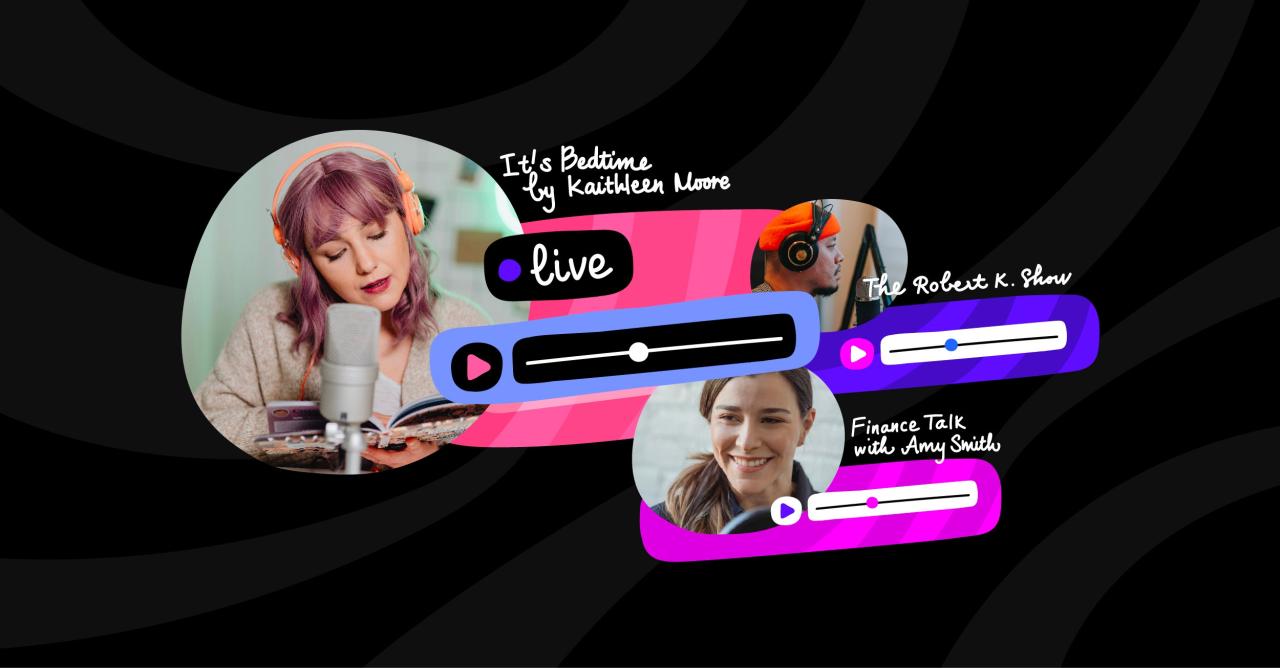
The rise of streaming audio subscription services has transformed the landscape of how consumers access music and audio content. These services not only change user behaviors but also dictate the capabilities and functionalities of the devices designed to deliver this content. As a result, audio devices are increasingly being tailored to enhance the user experience associated with these subscription models.
Subscription models significantly affect the performance and offerings of streaming audio devices by dictating the features that manufacturers prioritize. For instance, devices that integrate seamlessly with popular subscription services tend to offer enhanced functionalities such as voice control, personalized playlists, and algorithm-driven recommendations. This alignment is crucial as streaming services frequently update their offerings, and devices must adapt to support these changes, ensuring a smooth and user-friendly experience. Furthermore, the ability to access high-resolution audio or exclusive content directly influences the development of sound quality features in new audio devices.
Comparison of Major Streaming Services and Their Device Integration
In the market, several major streaming services stand out due to their unique features and compatibility with various devices. Understanding how these services integrate with audio devices is essential for consumers looking to maximize their audio experiences.
The following points highlight key comparisons between major streaming services:
- Spotify: Known for its vast music library and personalized playlists, Spotify integrates seamlessly with a wide range of devices, including smart speakers, TVs, and smartphones. Its Connect feature allows users to control playback from their mobile devices.
- Apple Music: This service offers exclusive releases and high-resolution audio options. It integrates best with Apple devices, taking advantage of AirPlay technology for seamless streaming across platforms.
- Amazon Music: With its deep integration into the Amazon ecosystem, including Alexa-enabled devices, Amazon Music provides users with voice command functionality, making it convenient for hands-free listening.
- YouTube Music: Offering a blend of official songs and user-generated content, YouTube Music caters to diverse listening preferences and pairs well with devices that support video capabilities, enhancing the audio-visual experience.
The integration of these services into various devices demonstrates how manufacturers align their product development to create a cohesive audio ecosystem that enhances user satisfaction and engagement.
User Retention Strategies for Streaming Services
To maintain user engagement and retention, streaming services employ various strategies that significantly enhance device usage. These strategies often focus on personalization, exclusive content, and community engagement.
An overview of effective user retention strategies includes:
- Personalized Recommendations: By utilizing algorithms to analyze listening habits, services offer tailored playlists and suggestions, keeping users engaged and satisfied with their content choices.
- Exclusive Content: Offering exclusive tracks, albums, or podcasts creates a sense of value that encourages users to maintain their subscriptions and continue utilizing compatible devices.
- Community Features: Integrating social features, like sharing playlists or collaborating on music lists, fosters a sense of community among users, making the service more appealing to stay connected through their devices.
- Flexible Subscription Models: Providing options like family or student plans can attract a broader audience, encouraging long-term commitment to the service as users find plans that suit their needs.
In summary, the innovations in streaming audio subscription services fundamentally shape device functionality, ensuring that users receive an increasingly sophisticated and enjoyable audio experience, tailored to their preferences and habits.
The environmental impact of streaming audio devices should be considered.
Streaming audio devices have transformed how we consume music and audio content, providing convenience and accessibility. However, the environmental implications of manufacturing and disposing of these devices deserve careful consideration. From the materials used to the processes involved in their production, streaming devices can have a significant ecological footprint. It is essential to address these factors to understand better the impact of our digital habits on the planet.
The manufacturing of streaming audio devices typically involves various materials such as plastics, metals, and electronic components. Commonly used plastics include polycarbonate and acrylonitrile butadiene styrene (ABS), which provide durability but are derived from petroleum. Additionally, metals like aluminum and copper are often utilized in the circuitry and casing. The processes involved in manufacturing these devices can be energy-intensive, contributing to greenhouse gas emissions. Moreover, the mining of raw materials can lead to environmental degradation and pollution.
Sustainability efforts by manufacturers
In response to growing environmental concerns, many manufacturers are taking steps towards creating eco-friendly streaming devices. These sustainability efforts include using recycled materials, reducing energy consumption during production, and designing devices that are easier to recycle at the end of their lifecycle.
Manufacturers may implement the following strategies to enhance sustainability:
- Incorporating recycled plastics and metals into device construction to minimize resource extraction.
- Utilizing renewable energy sources in the manufacturing process to reduce carbon emissions.
- Designing products with modular components that can be easily repaired or upgraded, extending the device’s lifespan.
- Implementing take-back programs that allow consumers to return old devices for recycling or proper disposal.
Efforts to promote sustainability are increasingly becoming a competitive advantage in the market, reflecting a growing consumer demand for environmentally responsible products.
Responsible recycling and disposal of old streaming audio devices
Consumers play a vital role in reducing the environmental impact of streaming audio devices through responsible recycling and disposal practices. It is crucial to ensure that old devices do not end up in landfills, where toxic materials can leach into the soil and water supply.
Here are some effective ways consumers can responsibly recycle or dispose of old devices:
- Participating in local e-waste recycling programs that safely handle electronic waste and recover valuable materials.
- Utilizing manufacturer take-back schemes designed to facilitate the recycling of their products, often incentivizing participation with discounts on future purchases.
- Donating functional devices to charities or organizations that can repurpose them for educational or community use.
- Following local guidelines for electronic waste disposal, as regulations may vary by location.
By adopting these practices, consumers can contribute to reducing the environmental impact of streaming audio devices, promoting a more sustainable future for technological advancements.
Epilogue
In conclusion, streaming audio devices represent a significant leap forward in how we experience music and podcasts. With ongoing innovations and an ever-evolving landscape, these devices continue to adapt to user needs while addressing environmental concerns. As we look to the future, the possibilities are endless, promising an even more immersive and enjoyable audio journey.
Top FAQs
What are streaming audio devices?
Streaming audio devices are gadgets that allow users to access and play audio content directly from the internet, typically via Wi-Fi or Bluetooth.
Can I use streaming audio devices for video content?
While primarily designed for audio, some streaming audio devices offer the ability to sync with video platforms for a complete entertainment experience.
Do streaming audio devices require a subscription?
Many streaming audio devices work with subscription services, but there are also options that allow you to play local files without a subscription.
How do I set up a multi-room audio system?
To set up a multi-room audio system, you’ll need compatible streaming audio devices and a network connection, allowing you to control audio playback across multiple rooms simultaneously.
Are there eco-friendly streaming audio devices available?
Yes, several manufacturers are focusing on sustainability, offering streaming audio devices made from recycled materials and designed for energy efficiency.