
 Zoe Nora
Hi-res audio players are redefining how we experience music, bringing forth a level of detail and clarity that traditional formats simply cannot match. As we journey through the evolution of audio technology, it’s fascinating to see how these players have emerged from humble beginnings, transforming the music landscape for enthusiasts and casual listeners alike.
High-resolution audio technology has seen significant advancements, transitioning from analog to digital formats, which has drastically improved audio quality. This shift not only marks a pivotal moment in audio history but also highlights the importance of high-resolution audio in modern consumption, appealing to those who seek an elevated listening experience.
The evolution of audio players leading to high-resolution technology
The journey of audio players has been marked by remarkable developments, transitioning from simple mechanical devices to sophisticated digital players capable of delivering exceptional sound quality. This evolution has significantly influenced how we consume music, shifting from basic playback to high-resolution audio formats that promise an immersive listening experience.
The history of audio players can be traced back to the late 19th century with the invention of the phonograph, which played recorded sounds on physical media. This analog technology laid the groundwork for future audio devices. The introduction of magnetic tape in the mid-20th century revolutionized audio recording and playback, allowing for higher fidelity sound and convenient recording capabilities. As technology progressed, the compact disc (CD) emerged in the 1980s, marking a pivotal milestone with its digital format that improved audio quality by reducing noise and distortion prevalent in analog formats.
Key milestones in audio technology influencing high-resolution formats
Several significant advancements have propelled the audio industry towards high-resolution formats. These milestones include the development of digital audio converters (DACs), which play a crucial role in converting digital signals into analog sound waves, thereby impacting audio fidelity. Another landmark was the introduction of lossless audio codecs like FLAC (Free Lossless Audio Codec) and ALAC (Apple Lossless Audio Codec), which allow for the compression of audio files without losing quality. Additionally, the rollout of high-definition audio formats, such as DSD (Direct Stream Digital) and high-res PCM (Pulse Code Modulation), has provided audiophiles with superior sound quality, surpassing the capabilities of traditional CD audio.
The transition from analog to digital audio has had a profound impact on audio quality. Analog recordings, while warm and rich, often suffered from limitations such as background noise and a restricted dynamic range. Digital technology has enabled recordings to capture a broader range of frequencies and dynamics, resulting in clearer, more precise audio. The ability to store vast amounts of data in digital formats has also facilitated the emergence of lossless audio options, catering to audiophiles who demand high-resolution sound.
As we reflect on this evolutionary path, it becomes evident that the advancements in audio technology are not just incremental; they represent a significant leap towards achieving a more authentic auditory experience. With each milestone, audio players have evolved to meet the growing expectations of listeners, ultimately leading to the high-resolution audio players we enjoy today.
The significance of high-resolution audio in modern music consumption
High-resolution audio (HRA) has emerged as a vital component of modern music consumption, particularly for audiophiles and music enthusiasts who seek an immersive listening experience. Unlike standard audio formats, high-resolution audio delivers a richer and more detailed sound, allowing listeners to appreciate the nuances of their favorite tracks. As music consumption evolves with technology, high-resolution audio stands out as a significant improvement, catering to a demographic that values quality over convenience.
High-resolution audio enhances the listening experience in several ways. Traditional audio formats, such as MP3, compress sound files to reduce their size, often resulting in the loss of vital audio information. In contrast, high-resolution audio files maintain a higher bit depth and sample rate, capturing a broader frequency range and providing a more dynamic soundstage. This increased fidelity means that listeners can hear subtle characteristics of instruments and vocals that may be lost in lower-quality formats. For instance, the crispness of a cymbal crash or the warmth of a guitar strum becomes more pronounced, creating an auditory experience that feels more realistic and engaging. The clarity offered by high-resolution audio not only makes the music more enjoyable but can also evoke deeper emotional responses, allowing listeners to connect with the music on a more profound level.
Genres Benefiting from High-Resolution Audio
Certain music genres particularly benefit from high-resolution audio technology due to their complexity and rich soundscapes. These genres include:
- Classical: Orchestral music often features a wide variety of instruments, intricate compositions, and dynamic range. High-resolution audio allows listeners to hear the subtleties in the orchestration, from the delicate strings to the powerful brass sections, enhancing the overall experience.
- Jazz: The improvisational nature of jazz relies heavily on the nuances of each musician’s performance. High-resolution audio captures the distinct tonal qualities of instruments like saxophones and pianos, allowing listeners to appreciate the intricate interplay between musicians.
- Rock: Rock music often incorporates multiple layers of sound, including various guitar effects and vocal harmonies. High-resolution audio provides clarity and separation between these layers, making it easier for listeners to discern individual elements within the mix.
- Electronic: From ambient to techno, electronic music relies on detailed sound design and high-frequency sounds. High-resolution audio ensures that all frequencies, including the subtle details of synths and beats, are reproduced accurately, enhancing the overall impact of the music.
- Folk and Acoustic: The organic nature of folk and acoustic music shines through high-resolution audio, where the warmth of vocals and the texture of acoustic instruments can be fully appreciated, offering a more intimate listening experience.
The significance of high-resolution audio in modern music consumption is profound, as it not only elevates the quality of sound but also enriches the overall experience for listeners, making music a more immersive art form.
Features and specifications of high-resolution audio players
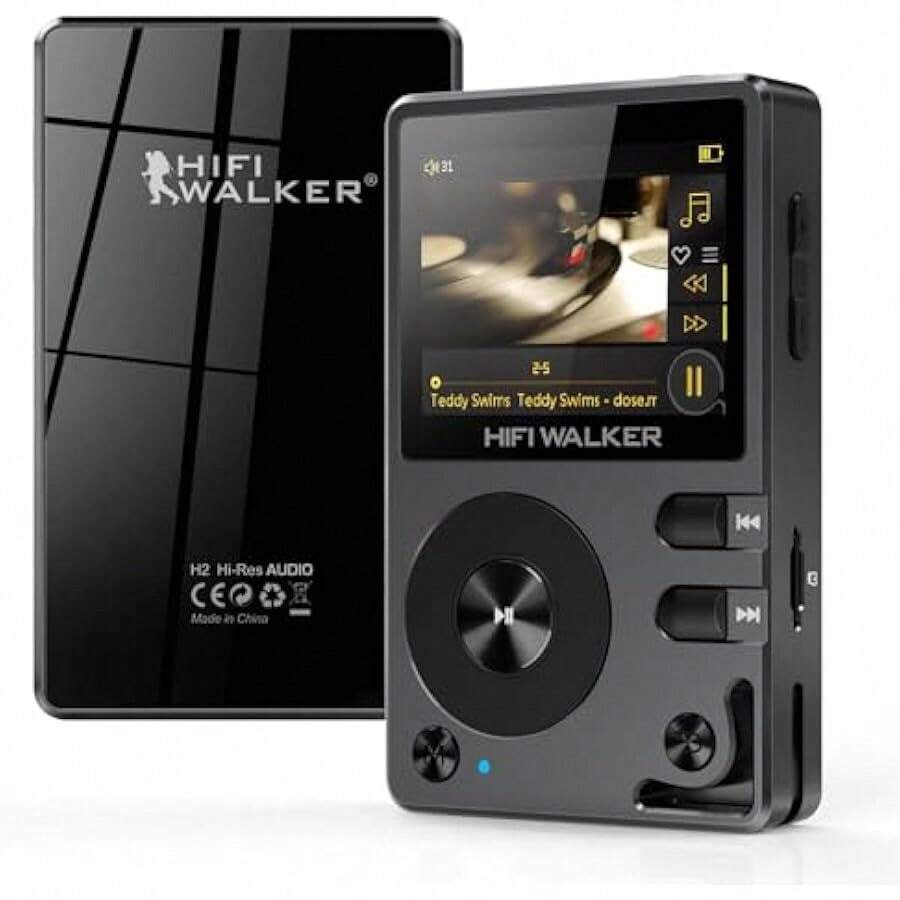
High-resolution audio players have revolutionized the way music enthusiasts experience sound. These devices are engineered to deliver superior audio quality that goes beyond standard CD-quality audio. With advancements in technology, high-res audio players are equipped with features that enhance the listening experience, providing rich and detailed sound that many audiophiles crave.
One of the defining features of high-resolution audio players is their ability to support various audio formats, including FLAC, ALAC, DSD, and more. This compatibility ensures that users can enjoy their music in the highest quality possible, regardless of the file format. Additionally, high-resolution audio players typically support high sample rates and bit depths, often exceeding 24-bit/192 kHz, which captures more detail in the audio compared to traditional formats.
Specifications and Comparison of Different Models
When exploring the specifications of high-resolution audio players, several key aspects are important to consider, including storage capacity, battery life, display quality, and connectivity options. Here’s a comparison of popular models available in the market today:
| Model | Storage Capacity | Battery Life | Display | Connectivity |
|———————-|—————–|——————-|————————|———————-|
| Astell&Kern A&norma | 256 GB | Up to 20 hours | 5-inch touchscreen | Wi-Fi, Bluetooth |
| Sony NW-ZX507 | 64 GB | Up to 20 hours | 3.6-inch LCD | Wi-Fi, Bluetooth |
| FiiO M11 Pro | 64/128 GB | Up to 13 hours | 5.15-inch touchscreen | Wi-Fi, Bluetooth, DLNA |
| Cowon Plenue D2 | 64 GB | Up to 20 hours | 2.8-inch color display | Bluetooth |
These specifications highlight the diversity in high-resolution audio players, catering to different user needs. For instance, Astell&Kern A&norma offers extensive storage, making it ideal for users with large music libraries. On the other hand, FiiO M11 Pro’s advanced connectivity options provide flexibility for users looking to integrate their music player with other audio devices.
Importance of DAC in High-Resolution Audio Players
The Digital to Analog Converter (DAC) plays a crucial role in high-resolution audio players. It is responsible for transforming digital audio signals into analog signals that can be played through speakers or headphones. The quality of the DAC directly impacts the sound quality, making it an essential component for achieving high-resolution audio.
High-end audio players often feature advanced DACs such as the ESS Sabre or AKM chips, which are known for their precision and low distortion. A superior DAC delivers clearer and more accurate sound reproduction, allowing listeners to experience the full depth and nuances of their music.
Moreover, the implementation of high-performance DACs can significantly affect the dynamic range and overall audio clarity. Players equipped with top-tier DACs can handle higher bit rates without compromising audio fidelity, making them ideal for audiophiles who demand the best sound quality.
In summary, high-resolution audio players are characterized by their extensive features tailored for optimal sound quality. The specifications of different models indicate diverse capabilities, while the quality of the DAC is paramount to delivering an exceptional listening experience.
The role of file formats in high-resolution audio quality
High-resolution audio has gained popularity due to its ability to deliver superior sound quality compared to standard formats. The file formats used in high-resolution audio play a significant role in achieving this quality. Understanding these formats helps audiophiles choose the right one for their listening experience, ensuring they take full advantage of the high-resolution audio capabilities of their systems.
There are several file formats commonly associated with high-resolution audio, each with unique characteristics that contribute to sound quality. The most notable formats include FLAC, ALAC, DSD, and WAV. Each format has its strengths and weaknesses when it comes to audio fidelity, storage efficiency, and compatibility with various audio devices.
Key high-resolution audio file formats and their characteristics
The following sections explore the primary high-resolution audio file formats, their compatibility with audio players, and their respective advantages and disadvantages.
- FLAC (Free Lossless Audio Codec):
FLAC is a popular lossless format that compresses audio without sacrificing quality.
It retains the original sound data, making it ideal for high-resolution audio. FLAC files are compatible with many audio players and devices, including smartphones and computers.
- Advantages: Excellent sound quality, open-source, and supports tagging.
- Disadvantages: Larger file size compared to lossy formats.
- ALAC (Apple Lossless Audio Codec):
ALAC provides lossless audio compression and is optimized for Apple devices.
Like FLAC, it maintains audio quality while providing a smaller file size. ALAC is widely supported in Apple’s ecosystem, making it a favorite among Mac and iOS users.
- Advantages: Seamless integration with iTunes and Apple devices.
- Disadvantages: Limited compatibility with non-Apple devices.
- DSD (Direct Stream Digital):
DSD uses a unique modulation technique to achieve high-resolution audio quality.
Known for its rich and detailed sound, DSD is used primarily in audiophile circles. However, compatibility is limited; not all audio players support DSD playback.
- Advantages: Exceptional sound quality, favored by audiophiles.
- Disadvantages: Larger file sizes, limited playback options.
- WAV (Waveform Audio File Format):
WAV files are uncompressed and provide excellent sound quality.
They are widely compatible with various media players and devices. However, the uncompressed nature results in larger file sizes compared to other formats.
- Advantages: High-quality audio, universal compatibility.
- Disadvantages: Bulky file size, no metadata support.
In summary, the choice of file format significantly impacts the quality and experience of high-resolution audio playback. Understanding the characteristics, compatibility, advantages, and disadvantages of each format enables listeners to make informed decisions, ensuring they enjoy the best possible sound quality.
The impact of streaming services on high-resolution audio adoption
The rise of streaming services has fundamentally transformed the way we consume music, and high-resolution audio is becoming an increasingly important part of that landscape. As listeners seek better sound quality and fidelity, streaming platforms are adapting their offerings to meet this demand. This transition not only reflects advancements in audio technology but also caters to a growing audience that recognizes the value of high-resolution audio.
Streaming platforms have made significant strides in integrating high-resolution audio into their services. Companies like Tidal, Qobuz, and Amazon Music HD have emerged as leaders in this space, providing users with access to lossless audio formats that capture the nuances and details of recordings in ways that traditional streaming services do not. For example, Tidal’s “Master Quality Authenticated” (MQA) tracks offer high-resolution audio that allows listeners to enjoy recordings as they were intended by the artists. Similarly, Qobuz markets its library as offering “studio quality” music, appealing to audiophiles who prioritize sound quality.
Comparison of Major Streaming Services
The competition among streaming services to offer high-resolution audio has resulted in distinctive service offerings. The following points summarize how some of the major platforms compare in this regard:
- Tidal: Known for its extensive catalog of high-resolution tracks, Tidal offers MQA streaming, which compresses studio-quality sound without sacrificing quality.
- Amazon Music HD: This service provides a vast library of songs in HD (16-bit/44.1 kHz) and Ultra HD (24-bit/192 kHz), making it accessible to a wide range of listeners.
- Qobuz: Primarily targeting audiophiles, Qobuz offers high-resolution audio streaming and downloads, emphasizing its extensive selection of albums in lossless formats.
- Apple Music: Recently, Apple Music introduced lossless audio and spatial audio features, aligning itself with the current trend toward higher-fidelity music consumption.
- Spotify: Although Spotify has announced plans to introduce high-resolution audio, it has not yet implemented these features, placing it behind its competitors in this area.
As high-resolution audio becomes more mainstream, users must consider the implications of streaming in terms of data usage and sound quality. Streaming high-resolution audio requires significantly more bandwidth and data compared to standard-resolution tracks. For instance, while streaming a standard track may consume around 1 MB per minute, high-resolution audio can use up to 10 MB or more per minute, depending on the bitrate and format. This increased data consumption can impact users’ mobile data plans and necessitate discussions about the feasibility of high-resolution streaming, especially in areas with limited internet connectivity.
Moreover, the improvement in sound quality is a crucial factor driving the adoption of high-resolution audio. Many listeners report a noticeable difference in clarity, depth, and overall listening experience when switching from standard to high-resolution formats. As more streaming services adapt to include high-resolution audio, the shift toward enhanced audio experiences is likely to continue, ultimately reshaping listener expectations and industry standards.
User experience and interface design in high-resolution audio players
The significance of user experience (UX) and interface design in high-resolution audio players cannot be overstated. With the rise of digital music consumption, especially in high-resolution formats, the ability for users to navigate and interact with their audio players smoothly has become crucial. A thoughtfully designed interface not only improves user satisfaction but also enhances the overall listening experience, making it easier for users to access and enjoy their favorite high-fidelity music without unnecessary hurdles.
Effective UX and interface design focus on creating an intuitive and aesthetically pleasing experience for users. Key design elements that enhance usability and accessibility include clarity, responsiveness, and customization options. A clear layout allows users to have a straightforward understanding of functionalities, whereas responsive designs ensure that the audio player performs well across different devices and screen sizes. Furthermore, offering customization features lets users tailor the interface to their personal preferences, enhancing their engagement and enjoyment.
Key design elements for usability and accessibility
In the realm of high-resolution audio players, several design elements play a pivotal role in ensuring that the user experience is both enjoyable and efficient. Here are essential aspects to consider:
- Simplicity: A clean, uncluttered interface allows users to focus on what matters—the music. Essential functions like play, pause, and skip should be easily accessible without convoluted menus.
- Visual Hierarchy: Important features should stand out through size, color, or placement. For instance, a prominent play button makes it easy for users to control playback quickly.
- Touchscreen Optimizations: For mobile devices, touch targets need to be large enough to interact with easily, reducing the chance of mis-taps.
- Dark Mode: Many users prefer dark mode for its aesthetic appeal and eye comfort, especially in low-light environments. Implementing this option can cater to user preferences while reducing eye strain.
- Accessibility Features: High-resolution audio players should incorporate features for users with disabilities, such as voice commands, screen readers, and customizable fonts for better readability.
- Search Functionality: An effective search tool enables users to find music quickly, especially beneficial for those with extensive libraries.
Examples of well-designed high-resolution audio players include the Astell&Kern A&norma SR25 and the Sony NW-ZX507. The Astell&Kern device features a sleek, ergonomic design with an intuitive touchscreen interface, promoting easy navigation through its extensive high-resolution library. The Sony NW-ZX507, on the other hand, combines a user-friendly interface with high-quality hardware, ensuring robust playback of high-res audio formats. Both devices exemplify how thoughtful design and user experience can elevate the listening journey.
In summary, the design of high-resolution audio players significantly impacts usability and accessibility. By implementing key design elements that prioritize user experience, manufacturers can create products that delight audiophiles and casual listeners alike.
The future of high-resolution audio technology
As technology continues to evolve, high-resolution audio (HRA) is poised for significant advancements that could reshape the listening experience. The future of HRA technology is not only about better sound quality but also about enhanced accessibility and integration into daily life. Innovations in digital-to-analog converters (DACs), streaming services, and audio codecs will play key roles in shaping how we consume music and engage with sound.
Emerging technologies promise to further elevate the quality and availability of high-resolution audio. For instance, advancements in machine learning and artificial intelligence could optimize sound processing, allowing for real-time enhancements to audio tracks. Additionally, the development of lossless audio codecs, such as the Advanced Audio Coding (AAC) and MPEG-H, will facilitate the compression of high-resolution files without sacrificing quality. These technologies will ensure that users can stream high-res audio with minimal buffering and data usage, streamlining the listening experience for the average consumer.
Challenges and barriers to mainstream adoption
Despite the promising advancements, several challenges remain that could hinder the widespread adoption of high-resolution audio players. One significant obstacle is the lack of compatible hardware among consumers. Many existing audio systems may not support high-resolution formats, limiting access to potential users. Additionally, the perception of high-res audio as a luxury product can deter average listeners from investing in specialized equipment.
Another barrier is the availability of content. While streaming services are beginning to offer high-resolution tracks, the selection is often limited compared to standard formats. This could lead to frustration for consumers who desire a comprehensive library of high-res music. Moreover, the costs associated with producing and distributing high-resolution content can also be prohibitive for smaller artists and labels, leading to a disparity in available high-quality options.
Emerging trends in audio consumption
Several trends are shaping the future landscape of audio consumption that may influence the trajectory of high-resolution audio. One notable trend is the increasing popularity of immersive audio formats, such as Dolby Atmos and Sony 360 Reality Audio, which provide a more engaging listening experience by adding spatial elements to music. As consumers become more accustomed to these experiences, their expectations for sound quality will likely rise, pushing the demand for high-resolution audio.
Additionally, the rise of portable audio devices, including smartphones and high-res digital audio players, is making high-quality sound more accessible. With improvements in battery life and storage capacity, users can enjoy high-resolution audio on the go without sacrificing quality. The integration of HRA technology into everyday devices will contribute to a more widespread embrace of superior sound.
In summary, the future of high-resolution audio technology is bright, fueled by technological advancements, evolving consumer preferences, and the continuous quest for superior audio experiences. However, challenges related to hardware compatibility and content availability must be addressed to realize its full potential in mainstream audio consumption.
Final Summary

In conclusion, high-resolution audio players represent the pinnacle of audio technology, promising unparalleled sound quality and an immersive listening experience. As streaming services adapt to incorporate high-res audio and manufacturers innovate their designs, the future of music consumption looks bright. Embracing these advancements will undoubtedly enhance our connection to the music we love.
Common Queries
What is high-resolution audio?
High-resolution audio refers to audio files that have a higher sampling rate and bit depth than standard CD quality, resulting in more detail and a richer sound.
Do I need special headphones for hi-res audio?
While you don’t need special headphones, using high-quality headphones can enhance your listening experience, allowing you to fully appreciate the benefits of hi-res audio.
Can I play hi-res audio files on my regular audio player?
Not all regular audio players support hi-res formats, so you may need a dedicated hi-res audio player or compatible software to enjoy the full quality.
Are there any streaming services that offer hi-res audio?
Yes, several streaming services, such as Tidal, Qobuz, and Amazon Music HD, offer high-resolution audio options for subscribers.
What are the common file formats for hi-res audio?
Common hi-res audio file formats include FLAC, ALAC, DSD, and WAV, each offering different advantages in terms of sound quality and compatibility.