
 Zoe Nora
Delving into Digital music streamer, this introduction immerses readers in a unique and compelling narrative, highlighting how these platforms have transformed the way we consume and interact with music. The evolution from physical media to streaming services marks a significant shift, making music more accessible than ever before.
With advancements in technology and the rise of independent artists, digital music streamers not only cater to consumer convenience but also reshape the music industry landscape. By offering various features such as personalized playlists and high-definition audio, these platforms engage users while providing artists with new opportunities for exposure and revenue.
The evolution of digital music streamers and their impact on the music industry
The rise of digital music streamers has transformed the music landscape over the past two decades. From the early days of MP3 file-sharing services to the sophisticated platforms we see today, the evolution of music streaming technology has reshaped how artists share their work and how fans consume music. This shift has not only influenced listening habits but has also prompted significant changes in revenue models for artists and the broader music industry.
Historical Progression of Music Streaming Technology
The journey of music streaming technology began in the late 1990s with platforms such as Napster, which introduced the concept of peer-to-peer sharing. Although it faced legal challenges, it paved the way for the digital music revolution. In the early 2000s, the rise of iTunes allowed users to purchase individual songs, shifting the focus from albums to single tracks. By the late 2000s, streaming services like Spotify and Pandora emerged, offering users access to vast libraries of music without the need to own files. Today, platforms such as Apple Music and Tidal provide high-fidelity streaming and exclusive content, emphasizing the ongoing innovation in this space.
Impact on Traditional Music Consumption
Digital music streamers have fundamentally altered traditional music consumption patterns. The shift from physical formats to digital has promoted increased accessibility and convenience. Users can now explore music across various genres and artists with just a few clicks. This access has led to a decline in physical album sales and a rise in streaming subscribers. Notably, the Recording Industry Association of America (RIAA) reported that in 2020, streaming accounted for over 80% of the U.S. music industry’s revenue, highlighting a significant shift in consumer behavior.
Shift in Artist Revenue Models
The advent of streaming platforms has revolutionized the way artists earn money. Traditionally, revenue was primarily derived from album sales and live performances. Today, artists earn through streaming royalties, which are calculated based on the number of streams their songs receive. Although this model can provide exposure to a broader audience, it has also introduced challenges. On average, platforms pay artists a fraction of a cent per stream, leading to concerns about fair compensation. For instance, an artist would need millions of streams to earn a sustainable income, prompting many to explore alternative revenue streams such as merchandise sales, touring, and fan subscriptions through services like Patreon.
“The transition from ownership to access has fundamentally changed how artists and fans interact in the music ecosystem.”
Features that define an effective digital music streamer
In the evolving landscape of digital music streaming, user experience is paramount. Several key attributes contribute to an effective platform that not only caters to listeners’ preferences but also enhances their overall interaction with music. The importance of these features cannot be overstated, as they underpin the elements that keep users engaged and coming back for more.
Key attributes that enhance user experience in music streaming services
A seamless user experience is crucial for any digital music streaming service. Factors such as intuitive interface design, personalized playlists, and cross-device compatibility significantly affect user satisfaction. Here are some essential attributes that elevate the user experience:
- User-friendly interface: An easy-to-navigate interface allows users to find their desired music quickly, reducing frustration and enhancing enjoyment.
- Personalized playlists: Tailoring music suggestions based on listening habits creates a more engaging environment, making users feel understood and valued.
- Offline listening: The ability to download tracks for offline access ensures that users can enjoy their favorite music anywhere, anytime, regardless of connectivity.
- Social sharing features: Allowing users to share their favorite songs or playlists fosters community and encourages interaction among users.
Importance of algorithm-driven recommendations in user engagement
Algorithm-driven recommendations play a pivotal role in enhancing user engagement by providing a customized listening experience. These systems analyze user behavior, preferences, and listening history to curate music that resonates with individual tastes. The effectiveness of these recommendations can be summarized in the following points:
- Increased discovery: Users are more likely to explore new genres and artists they wouldn’t have found on their own, broadening their musical horizons.
- Higher user retention: A personalized experience keeps users engaged, reducing churn rates as they find exactly what they want without manually searching.
- Real-time feedback: Algorithms continuously learn from user interactions, allowing for ongoing refinement of recommendations to better suit changing tastes.
Advantages of high-definition audio quality in digital streaming platforms
High-definition audio quality is becoming an increasingly important feature for music streaming services, especially among audiophiles and discerning listeners. The benefits of offering high-definition audio are substantial and include:
- Enhanced listening experience: High-definition audio provides a richer, more detailed sound, allowing listeners to experience music as the artist intended.
- Competitive advantage: Platforms offering superior audio quality can differentiate themselves in a crowded market, attracting users who prioritize sound fidelity.
- Growing demand: As technology improves, listeners are more inclined to invest in high-quality audio equipment, creating a market for platforms that deliver exceptional audio experiences.
The quality of sound can significantly alter the emotional impact of music, making high-definition audio a compelling feature for any music streaming service.
The role of digital music streamers in promoting independent artists
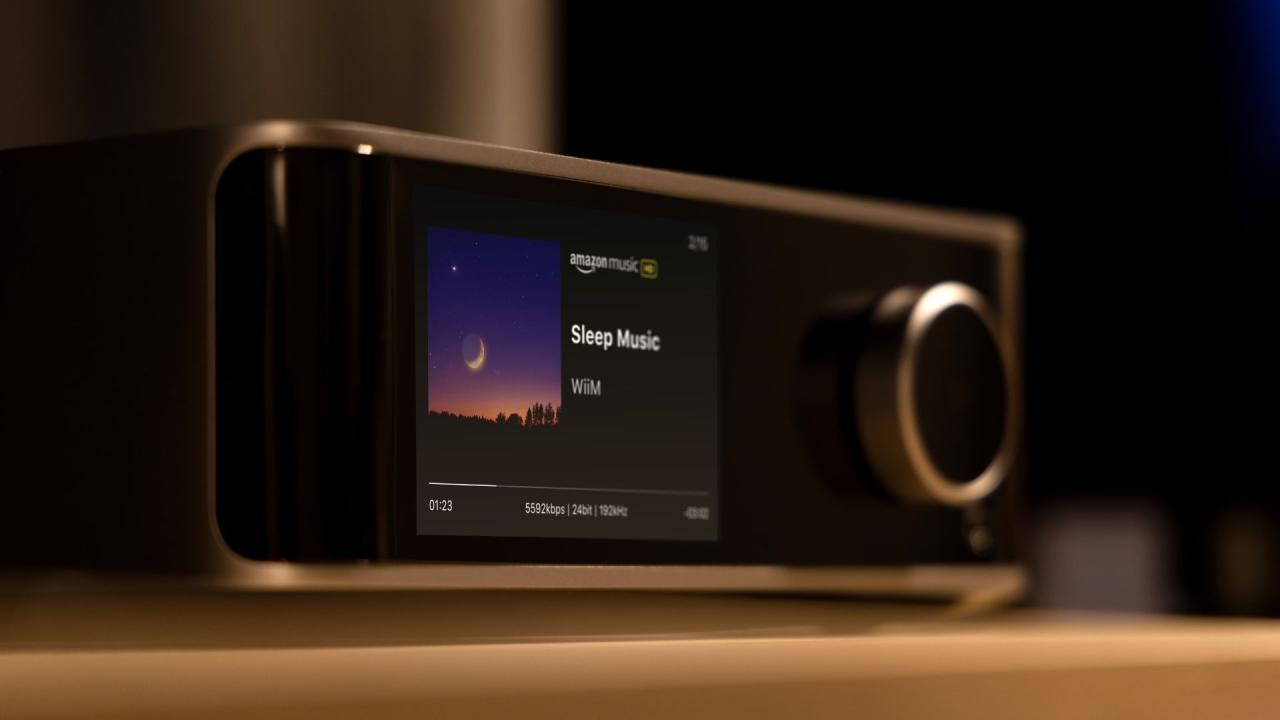
Digital music streaming platforms have revolutionized the music industry, particularly for independent artists seeking to share their work with a global audience. Unlike traditional music distribution channels, digital streamers provide a low-barrier entry point for musicians to showcase their talent without the backing of major record labels. This empowerment fosters a diverse music landscape where emerging artists can find their unique sound and build dedicated fanbases.
Streaming platforms such as Spotify, Apple Music, and SoundCloud have transformed how music is consumed, allowing independent musicians to reach broader audiences. These platforms leverage algorithms and playlists to promote new tracks, giving lesser-known artists a chance to be discovered by listeners worldwide. Notably, playlists curated by both the platform and users can lead to significant increases in streams, creating opportunities for viral success that were previously unattainable.
Tools for promotion and fan engagement
Digital music streamers equip independent artists with a range of tools that enhance their ability to promote their music and engage with fans effectively. These tools are essential for building a sustainable career in the competitive music landscape.
One of the primary tools available is the ability to create artist profiles, where musicians can share their bios, photos, and links to their social media accounts. This central hub helps fans connect with the artist on multiple levels. Additionally, features such as direct messaging and social sharing buttons facilitate meaningful interactions between artists and listeners.
The following are some key promotional tools provided by streaming platforms:
- Playlist Inclusion: Getting featured on popular playlists can significantly boost an artist’s visibility and streaming numbers.
- Release Radar and Discover Weekly: These personalized playlists automatically promote new music to users who have shown interest in similar genres.
- Analytics Dashboard: Artists can access data on listener demographics, track performance, and engagement metrics, allowing them to tailor their marketing strategies effectively.
- Social Media Integration: Easy sharing options on social platforms enhance the reach of new releases and engagement with fans.
- Live Performance Streams: Platforms like Instagram Live or Twitch provide opportunities for artists to perform live, directly engaging with fans in real-time.
The challenges independent artists face within the streaming ecosystem are significant. Despite the advantages, artists often struggle with issues related to revenue distribution, as streaming payouts are typically low, requiring millions of streams to generate substantial income. The highly competitive nature of the platform also means that standing out can be challenging, with major label artists often receiving more promotional focus. Additionally, navigating the complexities of copyright and licensing can pose further hurdles for independent creators.
“The digital landscape offers unprecedented access to audiences, yet independent artists must navigate a labyrinth of challenges to thrive.”
The technological advancements sustaining digital music streamers
The digital music streaming landscape has undergone significant evolution, driven by continuous technological advancements. These innovations not only enhance performance but also make music more accessible to audiences around the globe. As we delve into the specifics, we will explore how streaming technology has transformed the way users experience music, the role of data analytics in improving these experiences, and the profound impact of artificial intelligence on music curation and personalization.
Innovations in Streaming Technology
The advancements in streaming technology have greatly influenced how music is delivered to consumers. High-definition audio streaming has become a standard, with services like Tidal and Amazon Music HD offering lossless audio quality. Such enhancements allow listeners to enjoy music as the artists intended, with richer and more detailed soundscapes. Additionally, adaptive bitrate streaming technology dynamically adjusts the quality of audio based on the user’s internet speed, ensuring uninterrupted playback even in less-than-ideal conditions.
Streaming platforms have also embraced cloud computing, enabling them to store massive libraries of music that can be accessed anytime, anywhere. This has eliminated the need for physical media, making it easier for users to discover new artists and genres. Furthermore, the integration of mobile technology has allowed for seamless listening experiences on various devices, including smartphones, tablets, and smart speakers, highlighting the importance of accessibility in today’s digital age.
Utilization of Data Analytics
Data analytics plays a crucial role in enhancing user experiences on music platforms. Streaming services analyze vast amounts of user data to understand listening habits, preferences, and trends. By assessing factors such as play counts, skips, and the time spent on specific tracks, platforms can tailor recommendations and create personalized playlists that resonate with individual users.
The importance of data-driven insights can be illustrated through the success of Spotify’s algorithmically generated playlists such as “Discover Weekly.” This feature analyzes a listener’s history and compares it with others who have similar tastes, resulting in a unique playlist every week. As a result, users feel a deeper connection to the platform, often leading to increased engagement and satisfaction.
Impact of Artificial Intelligence on Music Curation
Artificial intelligence has revolutionized music curation and personalization, allowing streaming platforms to offer highly tailored experiences. AI algorithms can analyze audio features, such as tempo, key, and energy levels, to categorize music and create playlists that match specific moods or activities. This capability enhances the user experience by providing curated selections that are not only enjoyable but also contextually relevant.
Moreover, AI-driven recommendation systems, like those employed by Apple Music and Pandora, use machine learning to continuously improve their suggestions. They learn from user interactions and adapt over time, making the recommendations more precise and aligned with evolving user tastes. The potential of AI in music curation is further amplified by its ability to predict future trends, enabling platforms to introduce listeners to emerging artists before they break into the mainstream.
“AI technology in music streaming is redefining how users connect with their favorite sounds, ensuring a more personalized journey through the vast ocean of musical content.”
The future of digital music streaming and potential disruptions
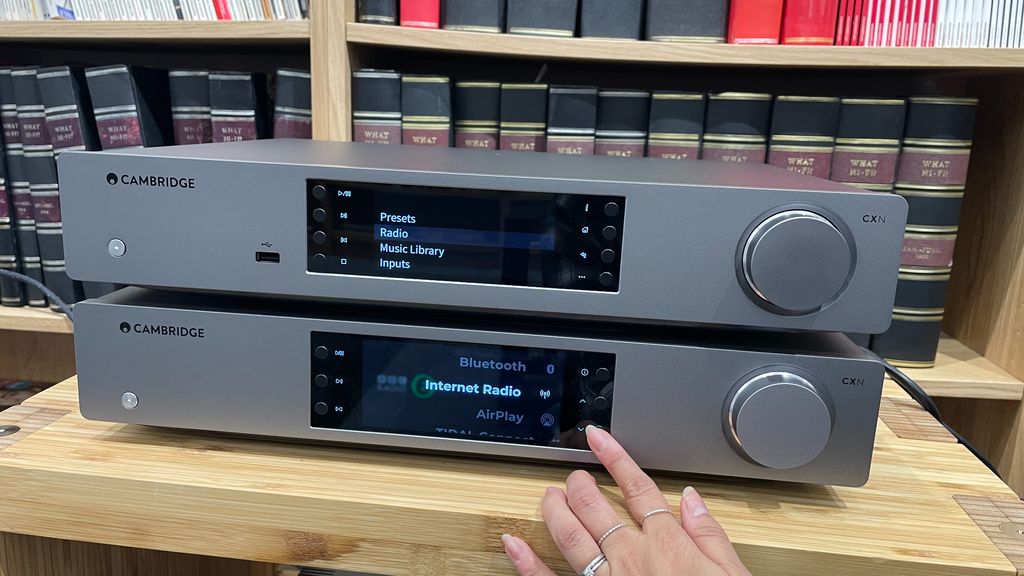
As the digital music industry continues to evolve, several trends and technologies are poised to reshape the landscape of music streaming. These changes will not only enhance user experiences but could also introduce new challenges and competitors into the market. Understanding these potential disruptions is key for artists, listeners, and industry stakeholders alike.
One of the most significant trends emerging in the digital music streaming sector is the growing emphasis on personalized and interactive music experiences. This includes the rise of AI-generated playlists that adapt to users’ moods and preferences in real-time. Additionally, the integration of augmented and virtual reality into music streaming platforms could create immersive experiences that transport listeners into virtual concerts or music videos, changing how audiences connect with music and artists.
Emergence of new entrants in the music streaming market
The likelihood of new players entering the music streaming market is increasing, driven by advancements in technology and shifting consumer preferences. These new entrants could disrupt established platforms by offering innovative features or niche services that cater to specific audiences.
Factors influencing the emergence of new competitors include:
- Technological advancements: Improved streaming technology can lower barriers for new entrants, enabling them to offer high-quality audio and unique features.
- Niche markets: Emerging platforms may focus on specific genres or community-driven experiences, catering to underserved audiences and fostering loyalty.
- Partnership opportunities: Collaborations with social media or gaming platforms could provide new streaming services with immediate access to large user bases.
As the market becomes more saturated, established players may need to adapt by enhancing their offerings or pursuing acquisition strategies to retain their user base.
Influence of blockchain technology on music rights and payments
Blockchain technology presents potential solutions for various challenges within the music industry, particularly regarding rights management and payment systems. By leveraging blockchain, artists and producers can benefit from more transparent and efficient processes for tracking music ownership and ensuring fair payments.
Key influences of blockchain in music include:
- Smart contracts: These self-executing contracts automatically enforce terms of agreements, ensuring artists receive payments directly when their music is streamed or downloaded.
- Decentralized platforms: Music distribution through blockchain can reduce reliance on intermediaries, allowing artists to retain a higher percentage of their earnings.
- Enhanced transparency: Blockchain’s immutable ledger can provide clear visibility into music sales and royalties, promoting trust between artists, labels, and platforms.
These advancements could lead to a more equitable music industry where creators are fairly compensated, ultimately benefiting the entire ecosystem.
The societal implications of digital music streamers
The rise of digital music streaming platforms has significantly transformed the landscape of music consumption, influencing cultural interactions and the way individuals discover music. These platforms have democratized access to a vast array of musical genres and artists, fostering a global community bonded by shared musical interests. As music becomes more accessible, the implications extend beyond mere consumption; they touch on mental health, social connectivity, and even music education.
Cultural interactions and music discovery
Digital music streamers have reshaped how we engage with music and each other. With personalized playlists and algorithm-driven recommendations, listeners can easily discover new genres and artists that align with their tastes, effectively broadening cultural horizons. This has led to the emergence of diverse musical fusions as artists from different backgrounds collaborate and create unique sounds, further enhancing cultural exchange.
The ability to share music through social media platforms has also strengthened social bonds. Friends can curate and share playlists, creating shared experiences even when physically apart. For instance, platforms like Spotify allow users to add songs to collaborative playlists, enhancing interactivity. In this way, music serves not only as entertainment but also as a medium for social engagement and connection.
Mental health and social connectivity
The relationship between music and mental health is well-documented, with streaming services playing a pivotal role in this dynamic. Music has therapeutic qualities that can alleviate stress, anxiety, and depression. For many, creating personalized playlists can serve as a form of emotional expression or a coping mechanism during hard times.
Streaming services provide access to a variety of calming and uplifting genres, which can positively impact listeners’ moods. Moreover, shared listening experiences can foster connections and reduce feelings of loneliness. For example, virtual concerts and listening parties enable fans to come together, providing a sense of community even in the digital realm.
“Music can change the world because it can change people.” – Bono
Contributions to music education and awareness
Streaming platforms are uniquely positioned to promote music education and awareness. Many services offer curated playlists that highlight particular genres, historical contexts, or influential artists, which can serve as educational tools for listeners. By showcasing the evolution of music styles and the stories behind them, these platforms can enhance understanding and appreciation of music’s rich history.
Additionally, educational initiatives such as podcasts and documentaries available on these platforms allow users to delve deeper into the mechanics of music creation and the lives of artists. For example, platforms like Apple Music have produced original content that explores the craft of songwriting and production, encouraging aspiring musicians to learn from industry professionals.
In summary, the societal implications of digital music streamers extend far beyond the act of listening. They shape cultural interactions, contribute to mental well-being and social connectivity, and facilitate music education and awareness, ultimately creating a more interconnected and informed musical community.
Summary
In summary, the journey of digital music streamers illustrates the profound changes in the music industry, from the way we listen to music to how artists thrive in a competitive environment. As technology continues to evolve, the future promises even more exciting developments that will redefine our musical experiences and connections.
Quick FAQs
What is a digital music streamer?
A digital music streamer is an online service that allows users to listen to music on demand without needing to download files, often featuring vast libraries of songs and personalized recommendations.
How do digital music streamers make money?
They generate revenue primarily through subscription fees, advertising, and partnerships with record labels and artists.
Can independent artists upload their music to these platforms?
Yes, many digital music streamers provide tools for independent artists to upload their music and promote their work to a global audience.
What are the benefits of high-definition audio quality?
High-definition audio provides a richer and clearer sound experience, enhancing the listening satisfaction for audiophiles and casual listeners alike.
How do recommendations work in digital music streaming?
Many platforms use algorithms that analyze user behavior and preferences to suggest songs, artists, and playlists that users are likely to enjoy.