
 Zoe Nora
CD players have revolutionized the way we experience music, bridging the gap between analog and digital realms. They emerged as a response to the limitations of vinyl records, offering a new level of convenience and sound quality. This journey through the evolution of CD players reveals how they became a staple in music consumption, showcasing various models that not only defined eras but also shaped our listening habits.
From their inception in the 1980s to their current place in a digital world, CD players have undergone significant advancements. This exploration will delve into their technical components, compare them with modern streaming services, and highlight the enduring appeal of collecting CDs and players as a hobby.
The Evolution of CD Players Throughout the Decades
The journey of the CD player is a fascinating tale of innovation and transformation in the music industry. It all began in the late 20th century, a time when vinyl records dominated the market, capturing the hearts and ears of music lovers. However, as technology advanced, the demand for a more convenient and higher-quality audio format emerged. This evolution led to the development of compact discs and their players, which revolutionized how people consumed music.
The transition from vinyl to CDs marked a significant shift in the music landscape. Vinyl records, while cherished for their warm sound quality and nostalgia, had limitations. They were bulky, fragile, and offered a finite listening experience due to their susceptibility to scratches and wear. The idea of digital audio emerged in the 1970s with the advent of optical disc technology, paving the way for the compact disc. The first commercially available CD player, the Sony CDP-101, was released in 1982, ushering in a new era of music consumption.
The introduction of the CD player was not just about convenience; it also brought unparalleled sound quality and durability. CDs offered a clearer, more dynamic sound compared to vinyl, and they eliminated issues like surface noise and wear over time. As the 1980s progressed, the popularity of CDs soared, with manufacturers racing to build better and more affordable players. Innovations such as the introduction of multi-disc changers and portable CD players further enhanced the user experience.
Notable CD Player Models and Their Impact
Through the years, several CD player models have left an indelible mark on the industry and shaped music consumption habits. Here are some key players that exemplify significant technological advancements and popularity:
- Sony CDP-101 (1982) – As the first-ever CD player, it set the standard for future designs. Its introduction marked the beginning of the digital music revolution.
- Pioneer’s PD-91 (1991) – Known for its high-quality sound and advanced features, this model was a favorite among audiophiles and showcased the potential for high-fidelity listening experiences.
- Philips CD-100 (1983) – Partnering with Sony, Philips released this CD player, contributing to the widespread acceptance of CDs in households around the globe.
- Panasonic SL-SX430 (1999) – A notable portable CD player, it was among the first to incorporate anti-skip technology, making it ideal for on-the-go listening.
- Denon DCD-1520AE (2007) – This model represented the culmination of years of engineering to deliver high-resolution audio playback, appealing to serious music enthusiasts.
The CD player not only made music more accessible but also transformed the way music was produced and marketed. The transition to a digital format allowed for easier distribution and led to the birth of the modern music industry as we know it today. With each technological advancement, from the introduction of the first CD player to the inclusion of advanced sound processing technologies in contemporary models, the impact of CD players on music consumption remains profound and enduring.
The Technical Components of a CD Player
A CD player is a sophisticated device that combines various technical components to reproduce high-quality sound from compact discs. Understanding its essential parts is crucial for grasping how these devices function. The primary components include the laser, motor, and digital-to-analog converter (DAC). Each plays a vital role in reading the disc and converting the digital audio data into audible sound waves. Let’s delve into how these components work together seamlessly to achieve this transformation.
Essential Components and Their Functions
The interplay of the key components in a CD player is intricate yet elegantly designed. Each part contributes importantly to the overall operation, ensuring a smooth and efficient audio playback experience. Below are the crucial components and their respective functions:
- Laser: The laser is a critical element that reads the information encoded on the CD. It emits a fine beam of light that scans the disc’s surface. The CD consists of millions of tiny pits and lands, which represent the digital data. As the laser beam strikes these pits, it reflects differently compared to the flat lands. This variation in reflection is converted into a digital signal, a process called optical reading. The precision of the laser is essential in determining the clarity and accuracy of the audio playback.
- Motor: The motor is responsible for spinning the compact disc at a consistent speed. This ensures that the laser can read the data accurately as the disc rotates. Typically, a CD spins at about 500 to 2000 RPM, depending on the location of the laser on the disc. The motor’s ability to maintain a steady rotation is crucial for synchronized playback, helping to prevent skips or interruptions in the audio output.
- Digital-to-Analog Converter (DAC): After the laser reads the digital information, the DAC takes on the vital task of converting that digital signal into an analog signal. This conversion is essential since our ears perceive sound in an analog format. The DAC processes the digital data stream and generates a continuous audio signal, which can then be amplified for output through speakers or headphones. The quality of the DAC significantly influences the sound quality, with higher-end models yielding richer and more accurate sound reproduction.
The collaboration of these components creates a seamless audio experience. The laser reads the data from the CD, the motor ensures the correct speed for reading, and the DAC translates the data into sound. This collaboration allows CD players to deliver high-fidelity audio that is faithful to the original recording.
In terms of mechanics, the internal layout of a CD player typically includes a tray, where the CD is placed, the optical pickup unit containing the laser and focusing lens, and the electronic circuits that house the DAC and other processing components. Visually, a simplified diagram might showcase the CD player divided into sections: the disc tray, the spindle motor, the laser assembly, and the output connections leading to the speakers. This conceptual representation is crucial for understanding how each part integrates into the whole system, ensuring the smooth playback of your favorite music or audio books.
The precise interaction of the laser, motor, and DAC defines the efficiency and quality of audio playback in a CD player.
CD Player vs. Digital Streaming Services
The advent of digital streaming services has transformed how we consume music, presenting an interesting comparison with traditional CD players. While both formats offer their unique listening experiences, they cater to different preferences and needs. Understanding the advantages and disadvantages of each can help listeners make informed choices about their music consumption.
Sound Quality and Accessibility
When it comes to sound quality, CD players typically provide a higher audio fidelity compared to streaming services. CDs utilize 16-bit/44.1 kHz audio quality, which delivers clear and detailed sound. In contrast, many streaming platforms compress audio files, often resulting in a loss of quality. For example, Spotify’s standard streaming quality is 160 kbps, while their premium service offers up to 320 kbps. This compression can impact the listening experience, particularly for audiophiles and those using high-end audio equipment.
However, the accessibility of streaming services is a significant advantage over CD players. With platforms like Spotify, Apple Music, and Tidal, users can access vast libraries of millions of songs instantly, often for a monthly subscription fee. In 2023, reports indicate that nearly 80% of music consumers prefer streaming over physical formats, showcasing a dramatic shift in consumption habits. This shift is largely attributed to the convenience of not needing to carry physical media and the ability to create personalized playlists.
Here are some key points that highlight the strengths and weaknesses of both formats:
- Advantages of CD Players:
- Higher sound quality with lossless audio.
- Ownership of physical media, which can also include artwork and liner notes.
- No reliance on internet connectivity.
- Disadvantages of CD Players:
- Physical storage space required for discs.
- Limited music libraries compared to streaming services.
- Less convenience in accessing a wide range of music.
- Advantages of Digital Streaming Services:
- Access to extensive music libraries at any time.
- Ability to create and share playlists easily.
- Features like personalized recommendations and radio stations.
- Disadvantages of Digital Streaming Services:
- Potential loss of audio quality due to compression.
- Requires a stable internet connection for optimal use.
- Monthly subscription fees can add up over time.
Listening preferences vary widely, with some users valuing the tactile experience of CDs while others find the convenience of streaming more appealing. According to a recent study, as of early 2023, approximately 60% of music listeners are now regularly using streaming services, compared to just over 30% who still enjoy CDs. This trend indicates a significant cultural shift toward digital consumption, influenced by the accessibility and vast options that streaming platforms provide.
In summary, while CD players remain a cherished format for some music enthusiasts, the growing trend toward digital streaming services demonstrates a clear preference for the convenience and varied offerings of modern technology. With each option providing distinct advantages and drawbacks, the choice largely depends on individual listening habits and priorities.
The Importance of CD Quality in Audio Playback
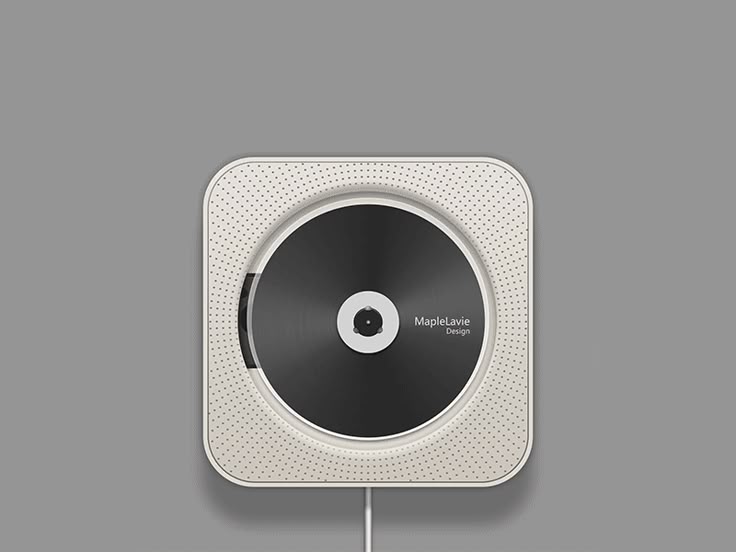
Audio quality plays a pivotal role in music production, influencing how listeners experience sound. A well-produced track can lose its essence if the playback medium does not fully capture the richness and nuances of the original recording. CD players are designed to deliver sound of high fidelity, adhering to specific standards that significantly enhance the listening experience. This discussion highlights the significance of CD audio quality and compares it with other formats such as MP3 and vinyl.
The digital audio quality provided by CDs is defined by the Red Book standard, which specifies a sampling rate of 44.1 kHz and a bit depth of 16 bits. These specifications allow for a frequency response that covers the audible spectrum up to 22 kHz and a dynamic range of about 96 dB. In contrast, MP3 files utilize lossy compression to reduce file size, often sacrificing audio fidelity. The maximum bitrate for MP3s can reach 320 kbps, but even then, the loss of data can lead to a noticeable degradation in sound quality, especially in complex musical passages. Vinyl records, while often celebrated for their warm analog sound, face their own set of limitations. The dynamic range of vinyl is typically around 70 dB, and factors like the condition of the record and quality of the turntable can significantly affect playback fidelity.
When comparing these formats, it becomes evident that CDs provide a more consistent and higher quality listening experience. Unlike MP3, which can vary in quality depending on compression settings, CDs maintain their integrity regardless of playback device. Furthermore, while vinyl enthusiasts may argue for the charm of analog sound, CDs offer clarity and precision that can often be lacking in analog formats. The ability of CD players to reproduce sound accurately and consistently makes them an excellent choice for serious listeners who prioritize audio quality.
Here’s a detailed comparison of the technical specifications of different audio formats to illustrate these differences:
| Audio Format | Sampling Rate | Bit Depth | Dynamic Range | Compression |
|---|---|---|---|---|
| CD | 44.1 kHz | 16 bits | 96 dB | Uncompressed |
| MP3 (320 kbps) | Up to 48 kHz | 16 bits (variable) | 90 dB (estimated) | Lossy |
| Vinyl | N/A | N/A | 70 dB | Analog (not compressed) |
“CDs offer a clarity and precision that can often be lacking in analog formats.”
In summary, while various audio formats have their unique characteristics, CDs stand out for their ability to deliver high-quality sound that remains true to the artist’s original intent. This fidelity ensures that listeners can appreciate the full scope of music production, making CD players a valuable asset for audiophiles and casual listeners alike. The combination of CD technology and careful audio production creates an optimal listening environment that remains difficult to replicate with other formats.
Collecting CDs and CD Players as a Hobby
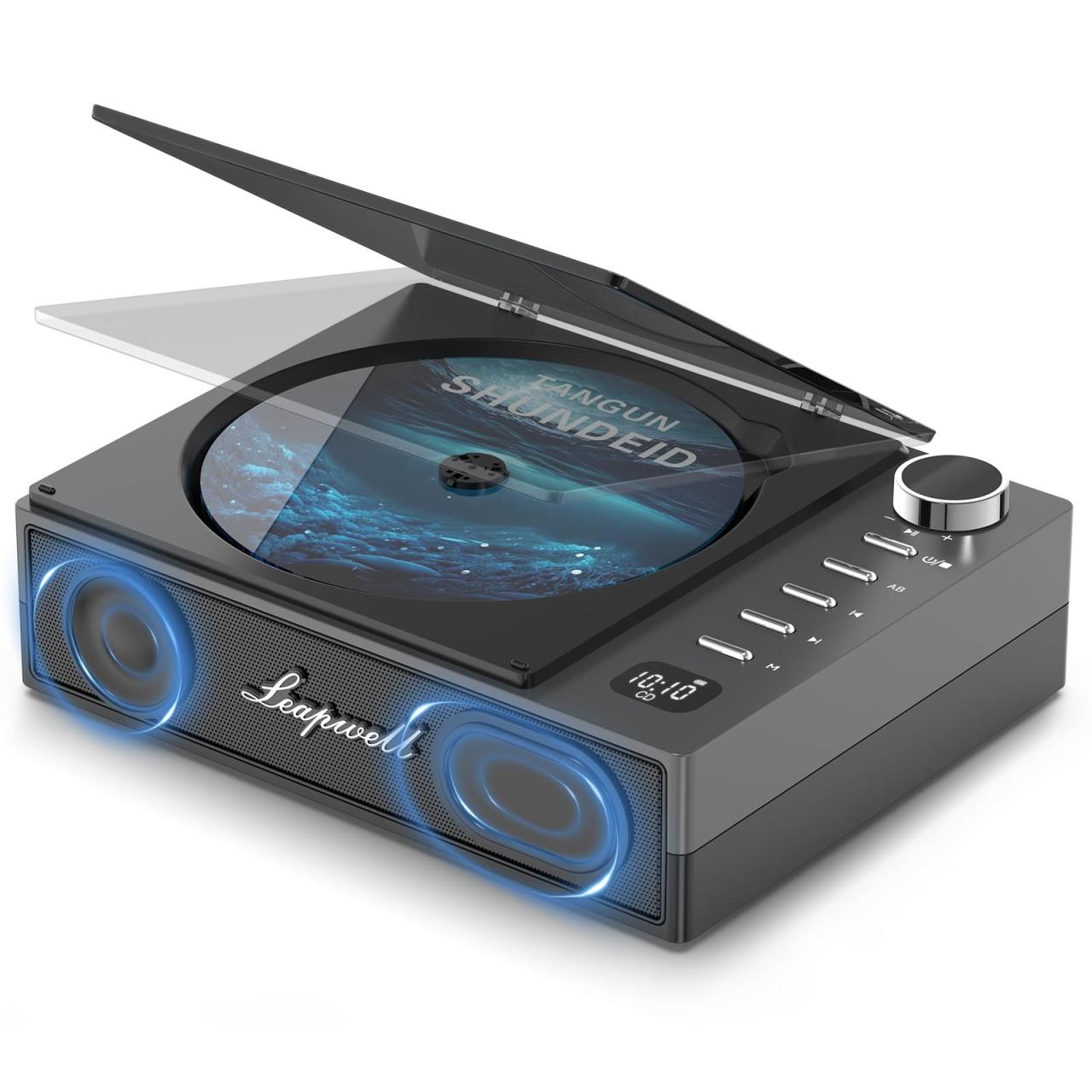
Collecting CDs and CD players has emerged as a compelling hobby for audiophiles and music enthusiasts alike. The allure of tangible music collections harks back to a time when physical media were essential to music consumption. Each disc and player tells a story, allowing collectors to immerse themselves in the rich history of music and audio technology. Collecting not only provides a sense of nostalgia but also offers a personal connection to the music that has shaped lives and cultures.
The thrill of hunting for rare discs and vintage players cannot be understated. The searching process is akin to a treasure hunt, with each find adding to the excitement. Audiophiles scour thrift shops, flea markets, and online databases, hoping to unearth hidden gems—be it a limited edition album or a classic player that once graced the homes of music lovers. The sense of achievement when discovering a sought-after item, such as a first-press vinyl or a discontinued CD, brings an exhilarating rush. The community surrounding this hobby is vibrant, with collectors often sharing stories and tips on forums and social media platforms, forming a camaraderie that enriches the experience.
Starting and Maintaining a CD Collection
Embarking on the journey of CD collecting requires some thoughtful planning and organization. Below are key practices to help you start and maintain a thriving collection.
To begin, it’s essential to establish a foundation for your collection:
- Define Your Focus: Decide if you want to collect specific genres, artists, or labels. A clear focus can help guide your purchases and make the hunt more enjoyable.
- Budgeting: Set a budget for your collecting activities. Prices for CDs and players can vary widely, so it’s wise to plan how much you’re willing to invest.
- Research: Familiarize yourself with valuable releases and artists. Use websites like Discogs to get an idea of values and market trends.
Once you’ve started collecting, proper care and storage are vital to maintaining your CDs and players:
- Storage Solutions: Invest in sturdy shelving or storage boxes that protect your CDs from sunlight, moisture, and dust. Vertical storage is recommended to prevent warping.
- Handling: Always handle CDs by the edges to avoid fingerprints and scratches. This ensures longevity and the best possible audio quality.
- Cleaning: Use a soft, lint-free cloth to clean your discs. For serious cleaning, specialized CD cleaning kits are available to restore the surface.
The essence of collecting lies not just in acquisition but in the stories and memories attached to each piece.
By following these guidelines, you can cultivate a collection that not only serves as a reflection of your musical taste but also becomes a cherished part of your personal history.
The Future of CD Players in a Digital Age
As the world becomes increasingly digital, the fate of CD players has been a subject of much debate. With the rise of streaming services and digital downloads, the traditional CD player has seen a significant decline in sales. However, the technology isn’t entirely obsolete, and there are several potential future developments that could breathe new life into this format. Companies are exploring ways to innovate and adapt CD player technology, focusing on enhancing user experience while maintaining the essence of physical media.
The continuing relevance of CD players in today’s digital landscape is notable, as they offer unique advantages that digital formats can’t fully replicate. Many audiophiles and music enthusiasts appreciate the tangible nature of CDs, finding satisfaction in collecting physical albums. Moreover, the sound quality of CDs is often superior to compressed digital files, providing a richer listening experience. In addition, a significant demographic still values the physical ownership of music, which CDs provide, ensuring that they remain an important part of the music consumption landscape. The nostalgia associated with CD collection can evoke emotional connections that streaming simply cannot match.
Emerging Trends Influencing the CD Player Market
The CD player market may experience several emerging trends that will shape its future. These trends reflect both technological advancements and shifts in consumer preferences, which could pave the way for a resurgence of CD players:
– Hybrid Technology: The integration of CD players with streaming capability is becoming more common. Devices that combine physical media playback with wireless streaming options can appeal to a broader audience, allowing users to enjoy both formats seamlessly. This hybrid approach caters to traditionalists while attracting digital natives.
– High-Resolution Audio Formats: The demand for higher sound quality is driving innovations in CD technology. New formats that offer enhanced audio resolution could entice audiophiles to continue purchasing CDs. For instance, Super Audio CDs (SACDs) provide superior sound, and manufacturers are increasingly focusing on producing quality sound systems that support these formats.
– Retro Revival: There has been a growing trend toward retro products, as younger audiences seek vintage experiences. This nostalgia can lead to a resurgence in interest in CD players, especially if marketed as stylish, collectible items. Limited editions and collaborations with artists can enhance this appeal.
– Niche Markets: The emergence of niche markets, particularly in genres like classical music, jazz, and vinyl collecting, can sustain CD sales. Record labels targeting these specific audiences might produce exclusive CD releases, fostering a sense of community among collectors and enthusiasts.
– Environmentally Friendly Options: Increased awareness of environmental issues may lead to the development of eco-friendly CD players and materials. Companies focusing on sustainable practices could attract environmentally conscious consumers, potentially revitalizing interest in physical media.
The future of CD players lies in their ability to adapt and innovate within an ever-changing digital landscape.
DIY Repairs and Maintenance for CD Players
CD players are cherished devices that offer a tangible connection to music, but they can encounter a range of issues over time. Being equipped to troubleshoot and perform basic repairs can not only save you money but also enhance your understanding of the technology. This guide will help you navigate the common problems faced by CD players, the essential tools for maintenance, and proactive measures to extend their lifespan.
Common Issues and Troubleshooting for CD Players
Several common issues can arise with CD players, often triggering frustration for users. Recognizing these problems and having a troubleshooting strategy in place is vital. Below are some frequent concerns and potential solutions:
- Skipping Tracks: This could be due to scratches on the CD or a dirty laser lens. Cleaning your CDs and using a lens cleaner can often resolve this issue.
- Inconsistent Sound Quality: Ensure that the connections are secure. If the cables are damaged, replacing them can restore sound clarity.
- Unable to Read CD: Dust or debris on the laser lens can obstruct reading. Use a soft cloth or a lens cleaning disc to remove dirt.
- Power Issues: Check the power cord and outlet. If the outlet is functional, the internal fuse might need replacement. This requires opening the player, so proceed with caution.
Tools and Techniques for Basic Repairs
The right tools are essential for performing DIY repairs and maintenance on your CD player. Here’s a list of tools that can make your repair tasks easier:
To effectively perform repairs and maintenance on a CD player, you will need:
- Small Screwdrivers: A set of precision screwdrivers, including Phillips and flat-head, is necessary for opening the device.
- Compressed Air Canister: This is effective for blowing away dust from the interior components without causing damage.
- Lens Cleaning Kit: A specialized cleaning kit can help maintain the laser lens, ensuring optimal reading capability.
- Multimeter: Useful for testing electrical connections and identifying power issues.
- Soft Cloth: Ideal for gently cleaning the exterior and any sensitive internal parts.
Using these tools correctly can help you perform various maintenance tasks and minor repairs without the need for professional assistance. For example, you can open the CD player to clean the internal components or replace a blown fuse if you identify electrical issues. Always ensure that the device is unplugged before attempting any repairs.
Preventive Measures and Product Recommendations
To prolong the lifespan of your CD player, adopting preventive measures is key. Not only do these practices enhance performance, but they also help mitigate the need for repairs. Here are some effective strategies:
- Regular Cleaning: Clean the player and discs periodically using a lens cleaning kit and microfiber cloth. This prevents dust from accumulating.
- Proper Storage: Keep the CD player in a cool, dry place and avoid exposure to direct sunlight or humidity, which can affect electronic components.
- Limit Use: While it’s tempting to play CDs frequently, giving your player occasional breaks can reduce wear on mechanical parts.
- Use Quality Discs: Invest in good-quality CDs. Cheap discs may cause more wear and tear on the laser and internal mechanisms.
Consider products such as Disc Repair Kits and Microfiber Cleaning Cloths that are specifically designed for electronic maintenance. These tools can help ensure your CD player remains in optimal condition.
“A little bit of preventive care goes a long way in extending the life of your CD player.”
Outcome Summary
In summary, the CD player has not only contributed to the evolution of music formats but continues to hold relevance in today’s fast-paced, digital landscape. As we reflect on its impact, it’s clear that the combination of quality sound and tangible media has created a unique niche for audiophiles and casual listeners alike. Whether through collecting or enjoying the rich sound of a CD, the legacy of the CD player will undoubtedly remain a cherished part of music history.
Question & Answer Hub
What is a CD player?
A CD player is an electronic device designed to play music CDs, utilizing a laser to read the data stored on the disc.
How does a CD player work?
It uses a laser to read the digital information encoded on the CD, converting it into an analog signal for audio playback.
Are CD players still popular?
While digital streaming has become more prevalent, many audiophiles and collectors still appreciate CD players for their sound quality.
Can CD players play other formats?
Some CD players can also play MP3 or WMA files if they are encoded on a CD, but standard CD players primarily play audio CDs.
How can I maintain my CD player?
Regular cleaning of the lens, ensuring proper storage, and avoiding exposure to extreme temperatures can help maintain your CD player’s functionality.