
 Zoe Nora
The SACD player has emerged as a pivotal innovation in the realm of audio playback, offering audiophiles an unparalleled listening experience. Originating in the early 2000s, SACD players have consistently evolved, incorporating advanced technologies that elevate sound quality and expand the possibilities of music enjoyment. With their unique ability to produce rich, high-resolution audio, SACD players stand out as a bridge between traditional formats and the digital age, capturing the attention of both casual listeners and dedicated enthusiasts alike.
This exploration into SACD players delves into their fascinating history, the cutting-edge technology behind their design, and the numerous benefits they offer over standard audio formats. As we examine the popular titles that have defined this medium and provide practical tips for optimal setup, it becomes clear that the SACD player is more than just a device—it’s a gateway to an immersive musical journey.
The history of SACD players
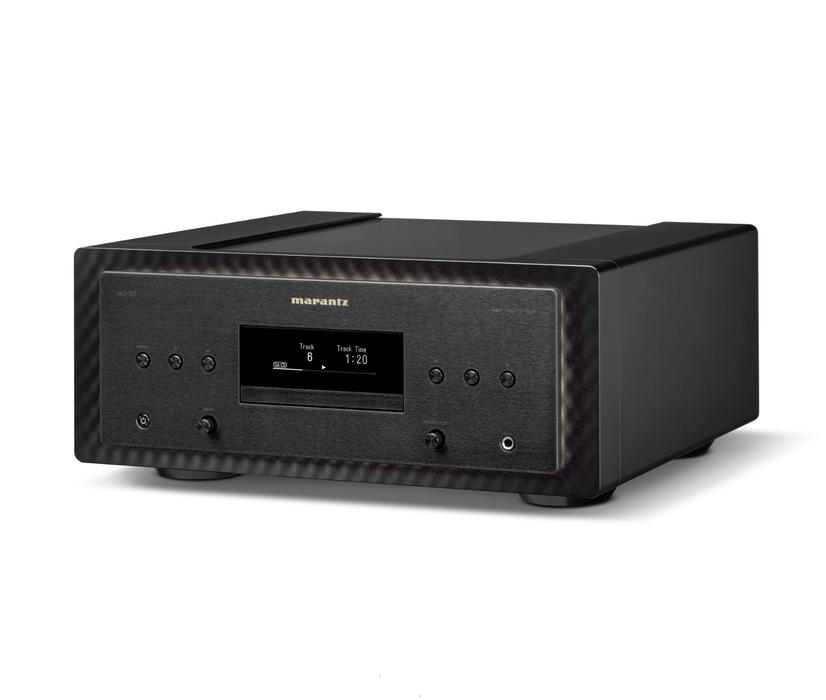
The Super Audio CD (SACD) player has evolved significantly since its introduction in the early 2000s, representing a notable advancement in the digital audio format landscape. Developed to provide superior sound quality, SACDs utilize a high-resolution audio format that surpasses the traditional Compact Disc (CD) in fidelity. The journey of SACD players begins with the collaboration between Sony and Philips, two giants in the audio industry, who aimed to create a format that could deliver audio experiences akin to analog vinyl records but with the convenience of digital storage.
Initially launched in 1999, SACD players used Direct Stream Digital (DSD) technology, which samples audio at a higher bit rate than standard CDs. This innovation allowed for greater dynamic range and detail in sound reproduction. Over the years, advancements in digital signal processing and improved audio decoding technologies have played a crucial role in enhancing the performance of SACD players, making them more appealing to audiophiles and music enthusiasts.
Technological advancements in SACD players
The evolution of SACD players has been closely tied to several technological advancements that have shaped their development and capabilities. These include:
- High-Resolution Audio Support: SACD players are designed to handle high-resolution audio formats, allowing for playback of multichannel audio and stereo tracks at higher bit rates. This capability is essential for audiophiles seeking the best sound quality.
- Improved DAC Technology: Digital-to-Analog Converters (DACs) have seen significant improvements, enabling SACD players to deliver clearer and more accurate sound reproduction. Modern DACs reduce distortion and enhance the overall listening experience.
- Enhanced Build Quality: Manufacturers have focused on building robust SACD players with high-quality components, including precision mechanisms for disc reading and superior power supplies, ensuring longevity and reliability.
- Streaming Capabilities: Many contemporary SACD players now incorporate streaming technologies, allowing users to access high-resolution audio files from online services, thereby broadening their functionality beyond physical discs.
- User Interface Improvements: With advancements in user interface design, modern SACD players feature intuitive controls and displays, making navigation easier for users while enhancing the overall user experience.
Key manufacturers have significantly contributed to the SACD player market, each bringing unique innovations and designs. Companies like Sony, which pioneered the SACD format, have consistently released high-quality players that leverage their proprietary technologies. Other notable manufacturers, including Marantz, Denon, and Cambridge Audio, have also produced esteemed models that cater to audiophile preferences, ensuring the continued vitality of the SACD format in a digital age dominated by streaming services.
The technology behind SACD players
SACD, or Super Audio CD, represents a leap in audio technology compared to traditional CD players. The core of this advancement lies in the method of audio encoding and playback. While standard CDs use a 16-bit PCM (Pulse Code Modulation) format, SACD employs a much more sophisticated system, which is pivotal in delivering high-resolution sound. This difference in technology not only enhances the audio quality but also provides a more immersive listening experience for audiophiles.
The fundamental aspect that sets SACD apart from conventional CD players is its use of Direct Stream Digital (DSD) technology. Unlike PCM, which samples audio waveforms at discrete intervals, DSD records audio as a continuous stream of single-bit data. This method captures audio frequencies with remarkable precision, producing a sonic experience that closely resembles the original sound. DSD uses a 1-bit delta-sigma modulation process, which means it samples audio at a much higher rate, typically at 2.8224 MHz for SACDs, compared to the 44.1 kHz standard used in CDs. This high sampling rate allows SACD to reproduce high frequencies more accurately and minimizes quantization noise, resulting in clearer and more detailed sound reproduction.
Decoding audio formats and the importance of sampling rates
SACD players are engineered to decode different audio formats while maximizing the advantages of DSD technology. They can read not only high-resolution DSD tracks but also traditional PCM formats, which is essential for compatibility with existing audio libraries. The decoding process involves converting the DSD data back into analog signals that can be amplified and played through speakers.
The sampling rate plays a crucial role in audio quality, influencing everything from the fidelity of sound reproduction to the richness of the audio experience. Higher sampling rates translate into a more accurate representation of the original audio waveform. For SACD, the industry-standard sampling rate is 2.8224 MHz for stereo and 5.6448 MHz for multi-channel formats. This is contrasted sharply against the 44.1 kHz sampling rate of CDs, emphasizing the superior audio quality delivered by SACDs.
In addition to sampling rates, the architecture of SACD players also contributes to their high-quality sound. Many models employ advanced digital-to-analog converters (DACs) that are designed to handle high-resolution audio signals, further enhancing sound clarity and detail.
“The leap from traditional CD to SACD technology exemplifies the pursuit of audio perfection, where every note can be experienced as it was intended.”
This technological advancement in audio playback not only showcases the evolution of sound reproduction but also illustrates the commitment to providing listeners with an unparalleled musical experience.
The benefits of using an SACD player
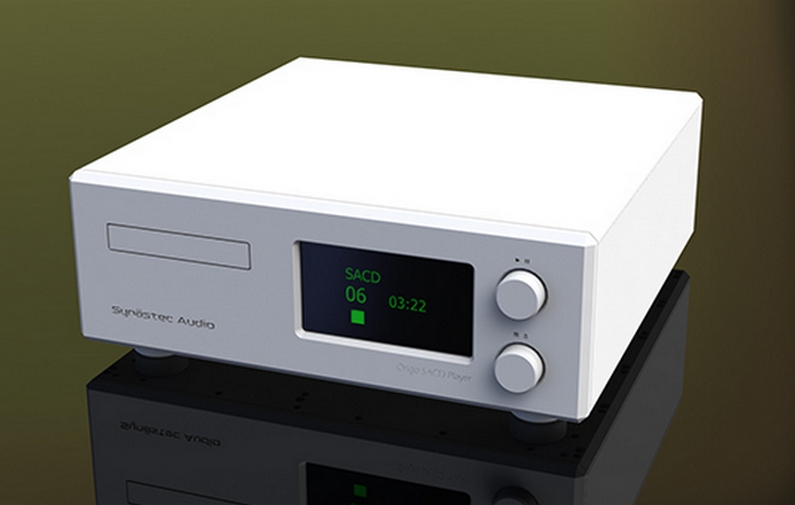
SACD players represent a significant leap in audio technology, offering listeners a multitude of benefits over traditional formats such as CD and digital downloads. One of the most notable advantages is the enhanced audio quality that SACD provides, which stems from its superior sampling rates and bit depth. This results in audio that is richer, more detailed, and more dynamic, allowing listeners to experience music in a way that closely resembles a live performance.
Audio quality improvements
The audio quality improvements offered by SACD players are primarily due to their ability to support high-resolution audio. Unlike standard CDs that are limited to 16-bit depth and 44.1 kHz sampling rate, SACDs can deliver up to 24-bit depth and 192 kHz sampling rate, significantly increasing the amount of audio information captured. This translates into a wider dynamic range and a more natural sound.
Listeners can expect the following enhancements:
-
Increased frequency response: SACD can reproduce frequencies extending beyond 20 kHz, resulting in clearer highs.
-
Lower distortion levels: The digital encoding used in SACDs minimizes digital noise, allowing for a purer sound.
-
Improved soundstage: The spatial imaging of instruments and vocals becomes more precise, creating an immersive listening experience.
Immersive experience of multi-channel SACD recordings
One of the standout features of SACD technology is its multi-channel capability, which allows for a surround sound experience. Unlike traditional stereo recordings, multi-channel SACD recordings envelop the listener with sound from multiple directions, creating an immersive environment. This format is particularly effective for genres such as classical music, jazz, and film scores, where the spatial arrangement of instruments can significantly impact the listening experience.
The benefits of multi-channel SACD recordings include:
-
Enhanced realism: Listeners are placed within the performance, experiencing the spatial relationships between instruments and vocals.
-
Dynamic sound placement: Sounds can shift seamlessly around the listener, replicating the experience of being in a live venue.
-
Greater emotional impact: The richness and depth of multi-channel audio can evoke stronger emotional responses from listeners.
Longevity and durability of SACD media
SACD media is designed with durability in mind, often outperforming traditional CDs and other formats in terms of lifespan. The physical construction of SACDs, which includes a protective layer over the data, makes them less susceptible to scratches and environmental damage. This robustness ensures that the audio quality remains intact over time, rarely deteriorating compared to CDs, which can become easily scratched and affected by wear.
The advantages pertaining to the longevity of SACD include:
-
Scratch resistance: The protective layer helps maintain the integrity of the disc.
-
Stable playback: High-quality materials reduce the risk of playback issues over time.
-
Long shelf life: SACDs tend to remain playable for decades, preserving their high-resolution audio quality.
Popular SACD titles and their significance
SACD (Super Audio CD) has garnered acclaim for its high-resolution audio capabilities, offering an enriched listening experience that many audiophiles cherish. The format supports multi-channel sound and higher bit rates, which together create a more immersive and detailed soundstage. Various titles in different genres have made significant contributions to the SACD landscape, showcasing the technology’s potential while also enhancing the musical experience. Below, we explore some must-have SACD titles that stand out for their artistry and technical excellence.
Must-Have SACD Titles
The following titles have not only achieved critical acclaim but also serve as excellent demonstrations of the SACD format’s capabilities. These albums have been selected for their audio quality, musical significance, and the way they utilize the unique features of SACD technology.
- Pink Floyd – The Dark Side of the Moon: This iconic album, known for its conceptual depth and sonic experimentation, is a benchmark for audio quality. The SACD version enhances the original recording’s complexity, showcasing the subtleties in sound layering that the format enables.
- Miles Davis – Kind of Blue: The SACD edition of this classic jazz masterpiece offers an unparalleled listening experience. The clarity and depth of the trumpet and saxophone solos are accentuated, allowing listeners to appreciate the subtleties of Davis’s improvisation.
- Norah Jones – Come Away With Me: Featuring a blend of jazz, pop, and country, this album’s SACD release highlights Jones’s smooth vocals and the rich instrumentation. The surround sound feature immerses listeners in a cozy, intimate setting.
- Beethoven – Symphony No. 9 – Berliner Philharmoniker, conducted by Herbert von Karajan: The SACD release delivers a stunning representation of orchestral music. The multi-channel audio enhances the spatial quality of the symphony, allowing listeners to feel the grandeur of the performance.
- Steely Dan – Aja: This album is celebrated for its complex arrangements and exceptional musicianship. The SACD format brings a clarity to the intricate musical layers, making it a must-have for fans of rock and jazz fusion.
- Bob Dylan – Blood on the Tracks: As a significant work in Dylan’s discography, the SACD version intensifies the emotional impact of the storytelling through its high-fidelity sound, capturing every nuance of his voice and acoustic guitar.
“The SACD format provides a remarkable clarity and depth, making it a favorite among audiophiles and casual listeners alike.”
Certain recordings have been released exclusively on SACD, further solidifying the format’s niche in the audiophile community. For instance, the original recordings by the label Analogue Productions have released a series of jazz albums on SACD that are highly sought after. Titles like “John Coltrane – A Love Supreme” and “Bill Evans – Sunday at the Village Vanguard” are examples of exclusive releases that have become classics within the SACD realm.
These titles not only highlight the versatility of SACD across genres but also underline its ability to elevate the listening experience to new heights, making them essential additions for anyone looking to explore the full potential of high-resolution audio.
Tips for setting up and optimizing an SACD player
Setting up an SACD player correctly is essential for maximizing its performance within your home audio system. Proper placement and connection not only enhance sound quality but also ensure the longevity of your equipment. When integrating your SACD player, consider the following best practices.
Optimal placement and connection
Positioning your SACD player in a suitable location will minimize interference and optimize audio output. Ensure the player is placed on a stable, vibration-free surface away from other electronic devices that may cause interference. Keep the player well-ventilated to avoid overheating during extended use. For connections, utilize high-quality RCA cables for stereo output or HDMI cables for multi-channel audio.
Consider the following aspects when connecting your SACD player:
- Distance: Keep cable runs as short as possible to reduce signal loss. Longer cables can introduce noise and degrade audio quality.
- Isolation: Use isolation pads or a dedicated rack to keep your SACD player separate from other devices, which can help minimize vibration and interference.
- Grounding: Ensure that all components are properly grounded to eliminate hum and noise.
Importance of cables and accessories
The right cables and accessories are crucial for enhancing SACD playback. High-quality cables can significantly affect sound clarity and detail. For optimal results, consider upgrading to audiophile-grade interconnects and speaker wires, which are designed to minimize resistance and improve signal transmission.
Additionally, using a power conditioner can help filter out electrical noise, providing cleaner power to your SACD player. A dedicated power cable can also contribute to better performance by reducing interference from other devices.
Adjusting settings for best audio quality
Many SACD players come with adjustable settings that can be fine-tuned for optimal audio quality. Start by ensuring your player is set to output in the highest resolution supported by your audio system. If available, enable features like Direct Mode or Pure Audio to bypass unnecessary processing.
Experiment with the following settings to tailor your listening experience:
- Sampling rate: Adjust the sampling rate settings to match your audio system’s capabilities.
- Digital filters: Many players offer different digital filter settings; try each to find the one that best suits your preferences.
- Gain settings: Adjust the gain to ensure that your audio output matches the other components’ levels without distortion.
The future of SACD players in the digital age
As we navigate through the digital era, SACD (Super Audio CD) players face significant challenges due to the overwhelming dominance of digital media. The rapid evolution of streaming services and high-resolution digital audio formats presents stiff competition. This shift has led to a decline in sales for physical media, including the SACD format. However, enthusiasts and audiophiles continue to seek high-quality sound experiences, suggesting that while SACD players may be struggling in the mainstream market, they could still carve out a niche in the future.
One of the main challenges for SACD players is the convenience and accessibility of digital formats. Streaming platforms like Tidal and Qobuz offer high-fidelity audio that can be easily accessed on various devices without the need for physical storage. Furthermore, the prevalence of smartphone technology and wireless audio solutions has made it increasingly easy for consumers to listen to high-quality music on the go, leaving SACD players looking somewhat outdated. Additionally, the production costs associated with SACD discs and players can be higher than their digital counterparts, making it difficult for manufacturers to justify their place in a market that favors affordability and convenience.
Potential innovations and advancements for SACD technology
Despite these challenges, there are numerous innovations that could enhance the SACD format and extend its relevance. The introduction of hybrid SACDs, which combine standard CDs with high-resolution audio, is one way to appeal to a broader audience. Also, advancements in digital-to-analog conversion technology can greatly improve the playback experience, making SACD players more competitive against digital alternatives.
Another potential innovation is the integration of streaming capabilities directly into SACD players. By enabling consumers to access both physical and digital formats seamlessly, manufacturers could create a hybrid device that caters to both audiophiles and casual listeners. Additionally, partnerships with music labels to produce exclusive SACD releases of popular albums could rekindle interest in the format.
Niche markets sustaining SACD players
While SACD players may struggle in the mass market, there are specific niches that keep them relevant. Audiophiles and collectors are a dedicated audience that values high-fidelity sound and the physical aspect of music collection.
Key factors supporting this niche include:
- Collector’s Editions: Limited edition SACDs of classic albums are often sought after by collectors, driving demand for specialized releases.
- High-End Audio Systems: Many audiophiles invest in high-end audio equipment where the superior quality of SACD playback shines, ensuring a dedicated market.
- Home Theater Systems: SACDs offer multi-channel audio that enhances the home theater experience, appealing to cinema enthusiasts looking for immersive sound.
- Music Enthusiasts: Some genres, such as classical and jazz, benefit greatly from the nuances captured in high-resolution formats, keeping SACD players relevant among genre-specific listeners.
Epilogue
In conclusion, the SACD player represents a remarkable blend of past innovations and future potential within the audio landscape. As we navigate a world increasingly dominated by digital formats, SACD players continue to captivate audiophiles and music lovers with their superior sound quality and longevity. By embracing the essence of high-fidelity audio, these players not only preserve the richness of music but also pave the way for future advancements that promise to keep this format alive and thriving in niche markets.
FAQ Summary
What is the main advantage of an SACD player?
The main advantage of an SACD player is its ability to deliver superior sound quality through high-resolution audio formats, providing a more immersive listening experience.
Can SACD players play regular CDs?
Yes, most SACD players are designed to be backward compatible and can play standard CDs.
What does DSD stand for in SACD technology?
DSD stands for Direct Stream Digital, which is the encoding method used in SACD format that allows for high-resolution audio playback.
Are SACDs more durable than regular CDs?
Yes, SACDs are generally more durable due to their protective coating, making them less prone to scratches and degradation over time.
Will SACD players become obsolete with digital streaming?
While digital streaming dominates, there is still a dedicated market for SACD players among audiophiles who value high-fidelity sound, ensuring their relevance.