
 Zoe Nora
High-end turntable enthusiasts know that the journey into premium audio is as rich and textured as the music itself. From their historical roots to modern innovations, high-end turntables represent a fusion of art and technology that captivates audiophiles around the globe. The evolution of these devices not only showcases their resilience through trends but also highlights how they have transformed the way we experience sound.
As we dive into the world of high-end turntables, we will explore the significance of materials, the intricate components that enhance audio quality, and the role they play in music appreciation. With a nod to their future in the digital age, this exploration reveals why high-end turntables remain a cherished choice for discerning listeners seeking the ultimate auditory experience.
{The history and evolution of high-end turntables is an essential topic to explore.}
The journey of high-end turntables is a fascinating tale that intertwines innovation with the art of sound reproduction. Originating in the late 19th century, turntables have evolved dramatically, reflecting changes in technology, music consumption, and audio fidelity. As we delve into their history, it becomes apparent how these devices have transcended their initial purpose, becoming coveted pieces of audio equipment for enthusiasts around the world.
Technological advancements have been pivotal in the evolution of high-end turntables. Early models operated on mechanical principles, primarily using a simple stylus to read grooves in a vinyl record. However, as electronic components began to emerge in the mid-20th century, turntables incorporated motors, better materials, and refined playback techniques. This transition not only enhanced sound quality but also significantly improved usability, leading to an explosion in popularity during the vinyl renaissance of the 2000s.
{Origins of Turntables}
The first iteration of the turntable can be traced back to the phonograph, invented by Thomas Edison in 1877. This machine played back sound by using a needle that traced the grooves on a rotating cylinder. Over the years, innovations such as the introduction of flat discs and the gramophone led to a more practical playback system, allowing for better audio quality and easier mass production.
{Technological Advancements}
The transition from mechanical to electronic mechanisms marked a significant turning point for high-end turntables. Key improvements include:
- Belt Drive and Direct Drive Systems: Belt drive systems provide better isolation from motor vibrations, while direct drive systems offer more precise speed control.
- Improved Cartridges and Stylus Designs: Advancements in cartridge technology, including moving coil and moving magnet designs, have led to finer sound reproduction.
- Materials and Construction: The use of materials like high-density MDF, aluminum, and carbon fiber has enhanced resonance control and durability in construction.
{Key Milestones in Development}
Significant milestones in the evolution of high-end turntables include:
- 1931: The introduction of electrical playback systems transformed the listening experience.
- 1950s: The advent of stereo sound brought about the first stereo turntables, allowing for a richer, more immersive audio experience.
- 1970s: The launch of direct drive turntables, notably by Technics, revolutionized DJing and home audio with their speed and reliability.
- 2000s: The vinyl revival and emergence of high-end audiophile turntables, incorporating advanced technology and design for the discerning listener.
The evolution of high-end turntables illustrates not only a technological journey but also a cultural shift towards valuing high-fidelity audio experiences. As these devices continue to advance, they remain a symbol of artistry and craftsmanship in the world of music.
The significance of materials in the construction of high-end turntables is worth analyzing.
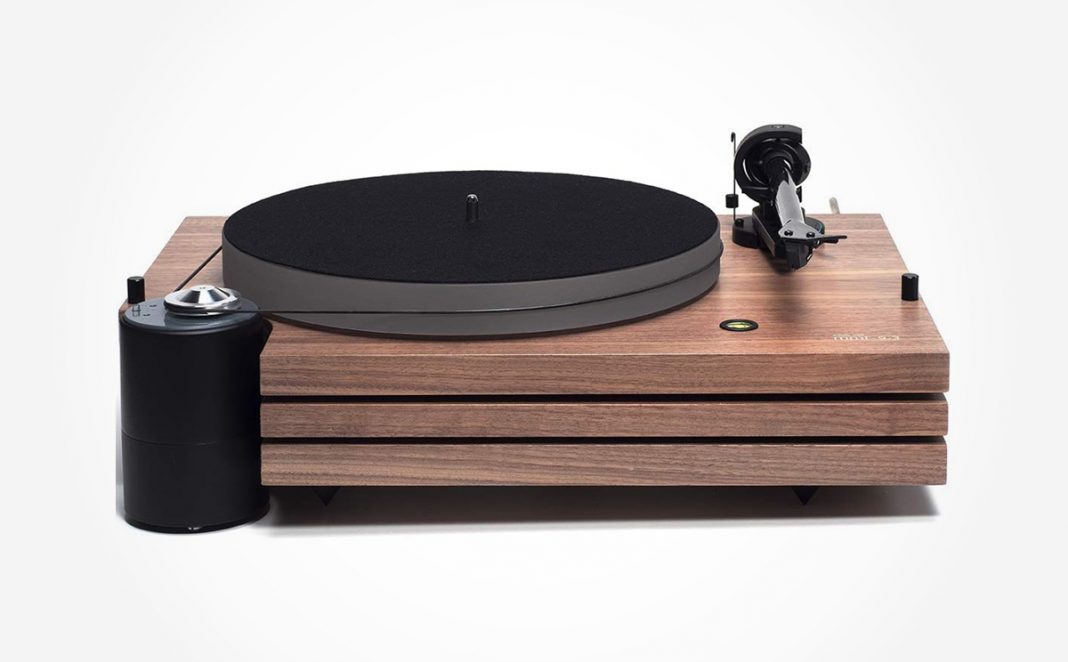
The materials used in high-end turntables play a crucial role in determining their sound quality, durability, and overall performance. This analysis not only highlights the physical characteristics of these materials but also delves into how their unique properties can affect the listening experience for audiophiles. Understanding these materials can help consumers make informed decisions when investing in high-quality audio equipment.
Different materials contribute distinct benefits to the overall performance of a turntable. Each material interacts with sound vibrations differently, affecting resonance, damping, and noise isolation. The construction of a turntable often involves a combination of wood, metal, and acrylic, each chosen strategically to enhance the device’s capabilities. The choice of materials can lead to a more accurate playback of the audio, providing a richer and more nuanced listening experience.
Materials Used in High-End Turntables
The significance of material selection in high-end turntables revolves around their impact on sound quality and structural integrity. Below is a detailed examination of commonly used materials and their respective effects.
- Wood: Often used for the plinth and tonearm, wood provides natural damping properties that help absorb unwanted vibrations. The density and type of wood, such as maple or birch, can influence tonal characteristics, leading to warmer sound profiles.
- Metal: Commonly used for components like the platter and tonearm, metals such as aluminum or brass enhance stability and minimize resonance. Metal construction can lead to improved tracking and reduced distortion during playback.
- Acrylic: Known for its clarity and rigidity, acrylic is often used for platters or as a base material. It has excellent vibration damping properties, providing a clean sound with minimal colorization, making it a popular choice among high-end manufacturers.
The selection of materials can present both benefits and drawbacks, influencing the turntable’s performance.
| Material | Benefits | Drawbacks |
|---|---|---|
| Wood | Natural damping, warm sound | Potential for warping, heavier |
| Metal | Stability, low distortion | Can resonate if not designed properly |
| Acrylic | Clear sound, excellent damping | Can scratch easily, heavier construction |
In high-end models, the precise engineering of these materials can elevate the listening experience. For instance, a turntable with a solid wooden base may produce a warmer audio signature, while one with an aluminum platter can deliver enhanced clarity and detail. The combination of these materials must be carefully balanced to achieve the desired sonic signature, showcasing the artistry and technical expertise that goes into crafting premium turntables.
Understanding the importance of the turntable’s components is critical for enthusiasts.
For vinyl enthusiasts, the quality of the turntable directly impacts the listening experience. High-end turntables consist of several essential components that work in harmony to produce the best possible sound. Among these, the platter, tonearm, and cartridge are fundamental in shaping the audio output. Understanding how each of these components functions and influences sound quality is vital for any serious audiophile.
The platter serves as the foundation of the turntable and plays a crucial role in rotational stability and sound fidelity. It is typically made of heavy materials such as acrylic or aluminum, which help dampen vibration. A stable platter ensures that the vinyl records spin without wobble, reducing distortion and enhancing sound clarity. The tonearm, which holds the cartridge, is another significant component. It must be precisely engineered to track the grooves of the record accurately, allowing for consistent sound reproduction. Lastly, the cartridge converts the mechanical vibrations from the stylus into electrical signals. The quality of the cartridge greatly affects the tonal balance and detail in the music playback.
Platter
The platter is more than just a surface for the vinyl record; it is essential for achieving optimal sound. Its mass and material influence how vibrations are handled during playback. Here are some key points regarding the platter’s importance:
- Material Influence: Different materials absorb vibrations differently. For instance, a dense acrylic platter may provide a warmer sound, while a heavy aluminum platter might offer a more neutral tonality.
- Weight: A heavier platter helps maintain stable rotation, reducing wow and flutter, which can adversely affect sound quality.
- Surface Texture: The finish on the platter can impact how well the record sits on it, influencing both stability and sound performance.
Tonearm
The tonearm is a critical conduit for sound, directly affecting how accurately the cartridge tracks the record grooves. An effective tonearm is engineered for precision and minimizes resonance. Key factors include:
- Length and Geometry: The arm’s length impacts the tracking error; longer arms can potentially reduce this error, enhancing sound quality.
- Weight and Balance: Properly balancing the tonearm is essential for optimal tracking force, which ensures the stylus remains in contact with the record grooves without excessive wear.
- Material: The choice of materials for the tonearm affects rigidity and resonance. Carbon fiber and aluminum are common, each providing unique sonic characteristics.
Cartridge
The cartridge is often considered the heart of the turntable, as it directly converts physical vibrations into electrical signals that drive amplification. Its construction and design play a vital role in sound reproduction. Important aspects include:
- Type of Cartridge: Moving magnet (MM) and moving coil (MC) cartridges offer different sound signatures; MC cartridges usually provide greater detail but at a higher cost.
- Stylus Shape: The design of the stylus affects tracking ability and sound quality. Advanced shapes like MicroLine or Shibata can extract more detail from the grooves.
- Output Voltage: Cartridges with higher output voltages can drive standard phono preamps without the need for additional gain, simplifying the setup.
Maintenance and Optimization
To ensure each component performs at its best, regular maintenance and optimization are necessary. This includes:
- Platter Care: Keep the platter clean and free of dust to prevent any interference with playback.
- Tonearm Calibration: Periodically check the tracking force and anti-skate settings to maintain optimal performance.
- Cartridge Cleaning: Regularly clean the stylus with a dedicated brush to prevent buildup that could affect sound quality.
Regular maintenance of your turntable components ensures longevity and preserves the quality of your vinyl listening experience.
The role of high-end turntables in music appreciation and collecting is a fascinating subject.
High-end turntables play a crucial role in the world of audiophiles and music collectors, providing an unparalleled listening experience that elevates the enjoyment of music. These sophisticated machines are designed to extract the finest details from vinyl records, offering listeners a deep connection to the music in a way that digital formats often cannot replicate. The intricate mechanics and high-quality materials used in these turntables contribute significantly to the overall sound quality, making them essential for those who truly appreciate music.
The relationship between vinyl records and high-end turntables is pivotal in preserving music quality. Vinyl records have a unique ability to convey warmth and depth in sound, qualities that high-end turntables are built to enhance. The precision of the turntable’s components, such as the tonearm, cartridge, and platter, directly affects how faithfully the music is reproduced. With a high-end turntable, every nuance, from the faintest whisper of a vocalist to the intricate textures of an orchestral arrangement, can be captured and enjoyed. This captures the essence of the original recording, ensuring that listeners experience music as it was intended by the artists and producers.
Importance of Turntables in Vinyl Collecting Culture
Turntables are not just playback devices; they are central to the vinyl collecting culture, which has seen a remarkable revival in recent years. A high-end turntable can transform the act of listening into a ritual, deepening the appreciation for both the music and the physical medium of vinyl itself. Collectors often see their turntables as a key investment, and many take great pride in showcasing them as part of their audio setups.
The significance of high-end turntables in vinyl collecting culture can be highlighted through several key points:
- Enhancing audio fidelity: High-end turntables enable collectors to experience the full dynamic range and depth of their vinyl collections, resulting in a richer and more immersive listening experience.
- Preserving music history: Collectors appreciate the tactile nature of vinyl records, and high-end turntables help to preserve the quality of these records, allowing them to be enjoyed for generations.
- Creating a community: The passion for high-quality sound and vinyl collecting fosters a sense of community among enthusiasts, leading to events such as record fairs and listening parties, where turntables often take center stage.
- Reviving classic albums: As vinyl’s popularity grows, high-end turntables play a role in reviving interest in classic albums, encouraging both new listeners and seasoned collectors to explore the rich discography of various artists.
In conclusion, high-end turntables are far more than just audio equipment; they are vital components of a culture that values the artistry of music and the experience of listening. Their ability to enhance sound quality while preserving the authenticity of vinyl records contributes to a deeper understanding and appreciation of music for collectors and audiophiles alike.
{Exploring the price ranges and value proposition of high-end turntables is essential for buyers.}
The world of high-end turntables is as diverse as it is exciting, offering audiophiles an array of options that cater to varying demands and budgets. Understanding the price ranges within this category allows buyers to make informed decisions and appreciate the value offered at each level.
Several factors contribute to the higher pricing of high-end turntables compared to their entry-level counterparts. These include the quality of materials used, precision engineering, advanced technology, and additional features that enhance the listening experience. High-end models often feature components such as precision-machined platters, high-quality tonearms, and superior cartridge systems, all of which contribute to enhanced sound fidelity. Moreover, brands often invest in research and development to create innovative technologies that improve performance, which can raise the price point significantly.
{Price Segments Within High-End Turntables}
When delving into the high-end turntable market, it is important to understand the various price segments and the features that typically accompany them. The range can be broadly divided into three categories: entry-level high-end, mid-range high-end, and ultra-high-end.
- Entry-Level High-End (Approx. $1,000 – $2,500)
- Features modestly priced cartridges and tonearms.
- Good build quality that enhances sound performance.
- Basic yet effective speed control and motor systems.
- Mid-Range High-End (Approx. $2,500 – $5,000)
- Incorporates advanced materials like aluminum or composite platters.
- Typically includes better tonearms and replaceable cartridges.
- Improved isolation and vibration control for better audio clarity.
- Ultra-High-End (Above $5,000)
- Offers bespoke craftsmanship and materials, including exotic woods and metals.
- Highly sophisticated engineering with precision components.
- Often features custom-designed cartridges and advanced tracking systems.
Evaluating the value of a high-end turntable requires an understanding of personal preferences and listening habits. Audiophiles should consider factors such as the type of music they listen to, their preferred listening environment, and how much they prioritize sound quality versus aesthetics. For instance, a listener who enjoys classical music may benefit from a turntable with superior sound staging and detail, while a casual listener might find that a mid-range model meets their needs adequately.
“Investing in a high-end turntable is not just about purchasing a device; it’s about enhancing your entire listening experience.”
Moreover, it’s essential to factor in potential upgrades and maintenance costs over time. Turntables often require additional purchases, such as high-quality cartridges, phono preamps, or isolation platforms, which can add to the overall investment. Therefore, buyers should evaluate how these factors align with their audio goals and lifestyle to gauge true value in their purchase.
The future of high-end turntables in the digital age presents intriguing possibilities.
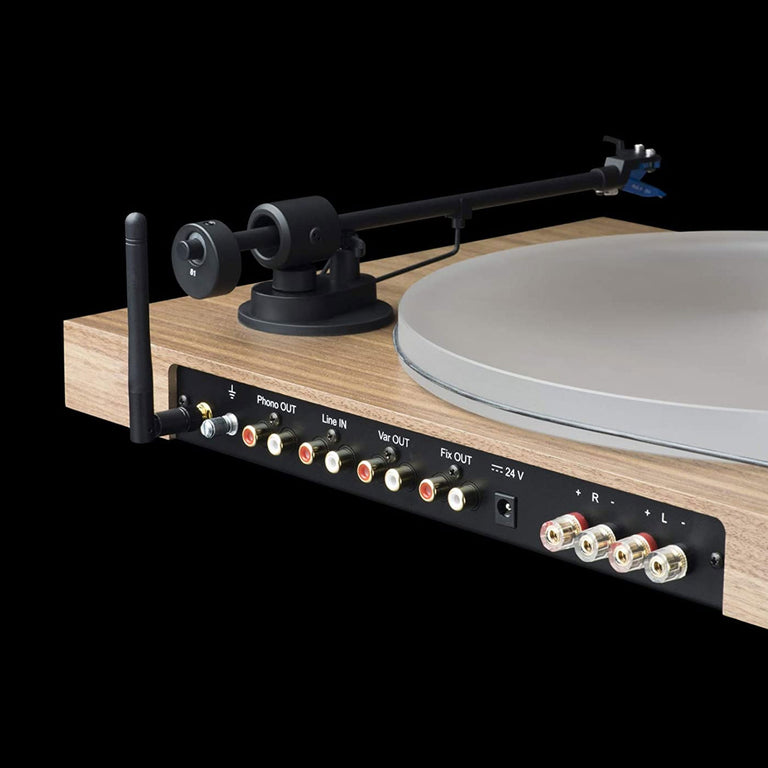
The evolution of music consumption has seen a significant shift, with digital formats gaining prominence. Yet, high-end turntables remain cherished by audiophiles and enthusiasts alike. As we look ahead, the confluence of digital technology and traditional audio equipment suggests a fascinating future for turntables that bridges classic craftsmanship with modern innovation.
Digital technology is expected to bring about transformative changes in the design and functionality of high-end turntables. One of the key predictions is the incorporation of advanced digital features that enhance sound quality and user experience. For instance, manufacturers may start integrating high-resolution digital audio converters (DACs) directly within turntables, allowing for seamless playback of both vinyl and digital formats without compromising audio fidelity. Additionally, improvements in materials and engineering, such as the use of carbon fiber and advanced vibration-dampening technologies, will likely continue to enhance sound performance.
Integration of Smart Technology
The potential for smart technology integration into traditional turntable setups is becoming increasingly apparent. As audio enthusiasts seek convenience along with quality, smart features are likely to enhance user interaction with their equipment. Smart turntables could include functionalities such as Bluetooth connectivity, allowing users to stream music wirelessly from their devices while still enjoying the warmth of vinyl playback.
Moreover, features like automatic speed adjustment and built-in streaming services could revolutionize how users experience their music collections. Such advancements will keep high-end turntables relevant in an age dominated by instant access to digital libraries.
The adaptation of high-end turntables to meet the needs of a modern audience, while maintaining their classic appeal, is evident in the recent trends observed in the market. Manufacturers are focusing on sleek, minimalist designs that appeal to contemporary aesthetics without sacrificing the nostalgic charm of vinyl. For example, brands are now offering customizable finishes and modern interfaces that cater to a younger demographic, blending the old with the new.
Additionally, the resurgence of interest in vinyl records has prompted high-end turntable makers to not only sustain their traditional craftsmanship but also innovate in ways that resonate with today’s consumers. This dual approach ensures that as technology advances, the essence and soul of vinyl listening remain intact, captivating both seasoned audiophiles and newcomers to the format.
Epilogue
In summary, high-end turntables are more than just audio equipment; they are a bridge to a deeper appreciation of music. Their rich history, carefully selected materials, and thoughtfully engineered components elevate the listening experience, making them a worthy investment for collectors and audiophiles alike. As technology continues to evolve, high-end turntables will adapt, ensuring their place in both modern and classic music enjoyment for generations to come.
Question Bank
What is a high-end turntable?
A high-end turntable is a premium audio device designed for superior sound quality and performance, often featuring advanced materials and components.
How do I choose the right high-end turntable for me?
Consider your listening preferences, budget, and the features that matter most to you, such as build quality, sound performance, and design aesthetics.
Are high-end turntables suitable for beginners?
While they can be more complex, many high-end turntables offer user-friendly features that make them accessible to beginners willing to learn.
Do high-end turntables require special maintenance?
Yes, regular maintenance such as cleaning the stylus, calibrating the tonearm, and ensuring proper setup is essential to maintain optimal performance.
Can I connect a high-end turntable to modern audio systems?
Absolutely! Many high-end turntables come with built-in preamps or can be connected to external ones to integrate with modern audio setups.