
 Zoe Nora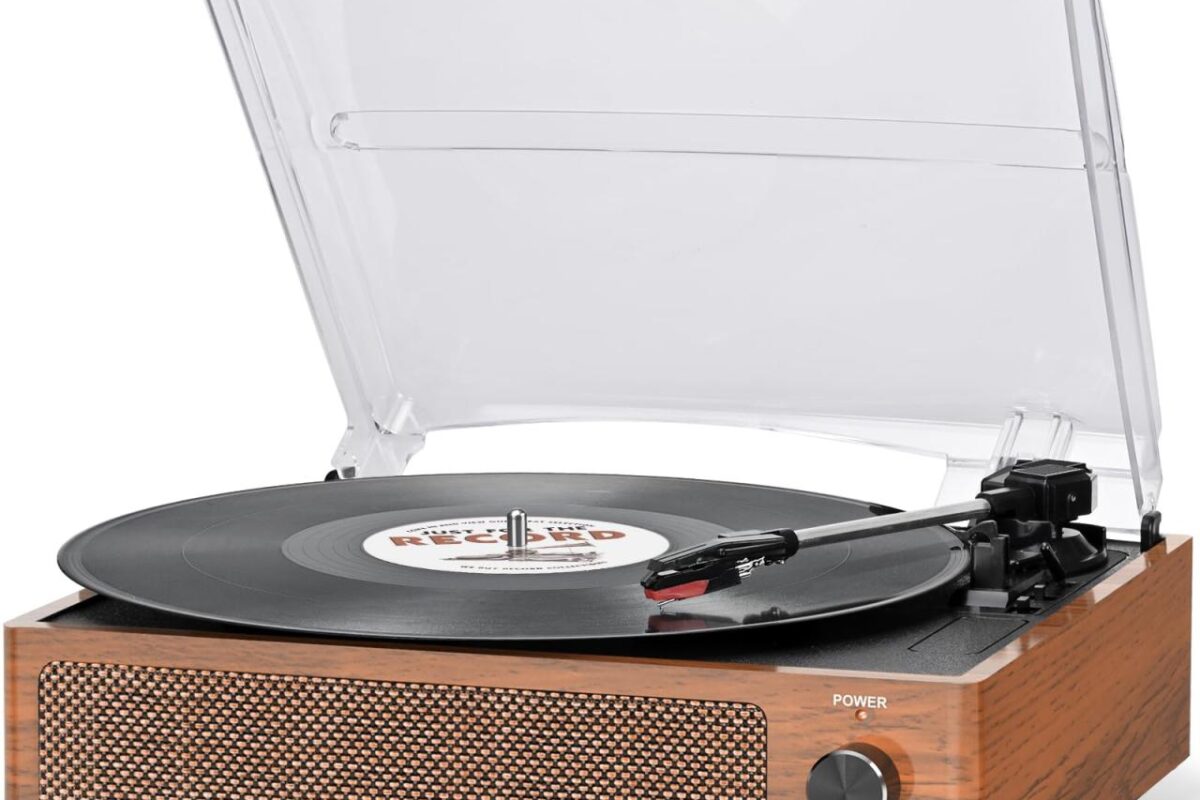
Vinyl record players have made a remarkable comeback, captivating both nostalgic enthusiasts and a new generation of music lovers. These iconic devices not only play records but also offer an immersive listening experience that transcends the simplicity of digital formats. With their unique warmth and depth, vinyl players invite us to explore a rich history of sound, technology, and artistry.
The evolution of vinyl record players is a fascinating tale that mirrors changes in music consumption and technology over the decades. From their humble beginnings to the modern innovations we see today, these players have undergone significant transformations while retaining the charm that draws listeners to them. As we dive into the world of vinyl, we’ll uncover the mechanics behind these devices, the reasons behind their resurgence, and the tips for choosing and maintaining one for years of enjoyment.
The Evolution of Vinyl Record Players
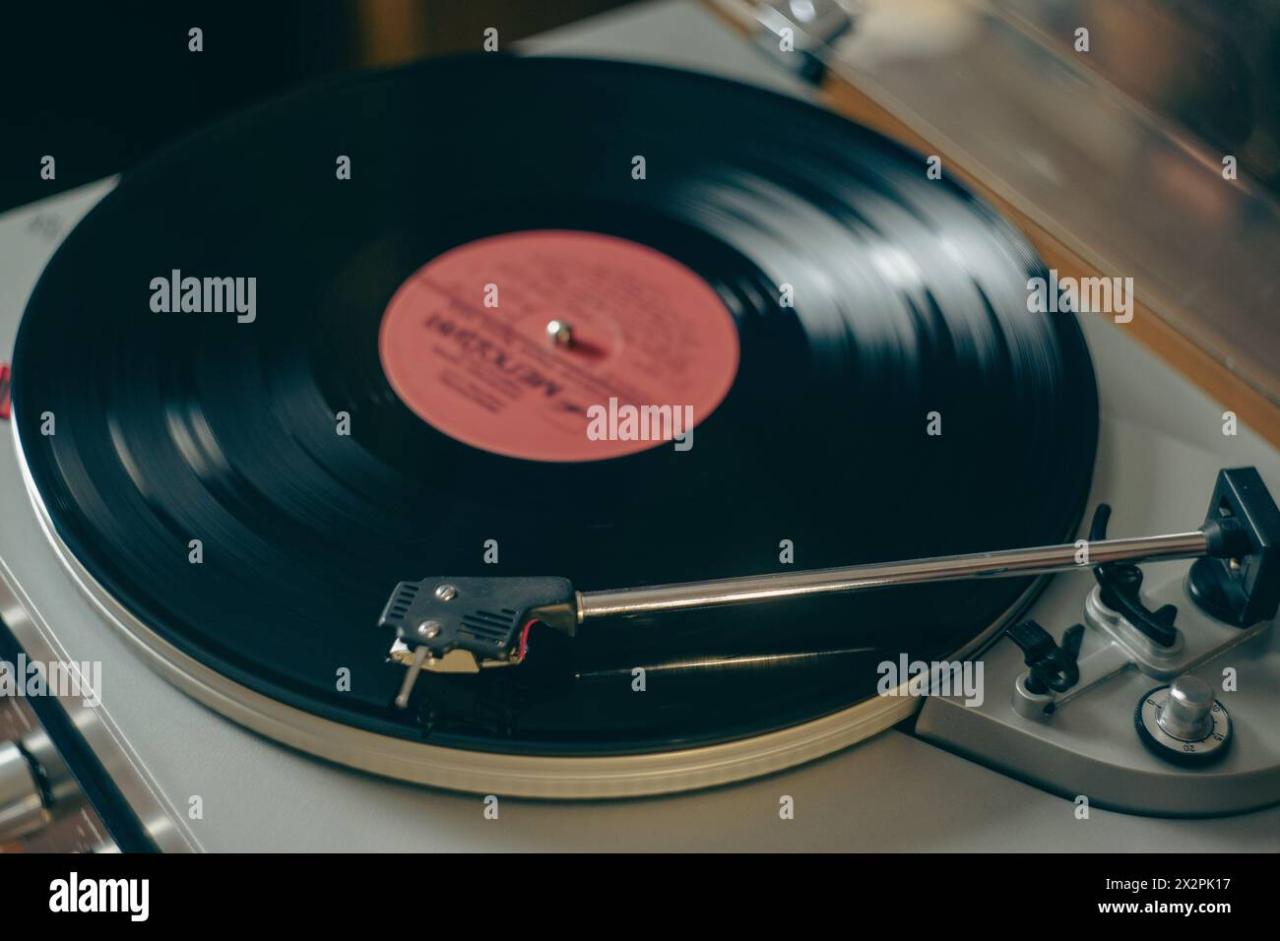
The journey of vinyl record players is a fascinating tale of innovation and cultural transformation that has greatly influenced how we consume music. From their humble beginnings in the late 19th century to the sophisticated machines of today, record players have undergone significant changes that not only enhance sound quality but also reflect the evolution of technology and consumer preferences.
The inception of the vinyl record player dates back to Thomas Edison’s phonograph in 1877, which was the first device to record and reproduce sound. Initially made of tin foil, the capacity for sound quality was limited. However, the introduction of shellac records in the early 1900s marked a significant turning point, leading to the first commercial record players. These early devices were entirely mechanical, relying on hand-crank mechanisms for operation. The evolution continued with the introduction of electrically powered turntables in the 1920s, which brought about the ability to amplify sound and led to the creation of the first high-fidelity systems in the 1950s.
Technological Advancements in Design and Functionality
The technological advancements in record players over the decades have drastically changed their design and functionality. One of the most notable milestones was the shift from shellac to vinyl records in the late 1940s. This transition not only improved the sound quality due to the material’s flexibility and durability but also allowed for the production of 33 1/3 RPM long-playing records, which could hold more music than previous formats.
With the advent of stereo sound in the 1950s, record players transitioned into stereo systems that provided a richer and more immersive listening experience. The introduction of the automatic turntable in the 1960s improved user convenience by allowing records to be played with minimal manual intervention. These advancements led to a booming vinyl market, especially with iconic brands like Technics and Thorens producing high-end models that appealed to audiophiles.
The digital revolution in the 1980s presented challenges for vinyl record players, as cassette tapes and later CDs dominated the music industry. However, the resurgence of interest in vinyl in the early 2000s brought about a revival in design and technology. Modern models now incorporate features such as USB connectivity for digitizing records, built-in preamps, and Bluetooth capabilities, allowing users to connect wirelessly to speakers.
Prominent brands like Pro-Ject and Audio-Technica continue to innovate, producing belt-driven and direct-drive turntables that cater to both casual listeners and serious collectors. The aesthetics of record players have evolved too, with designs that blend retro charm with contemporary style, appealing to a new generation of music lovers.
Key milestones in the industry, such as the launch of the first portable turntable by Sony in the 1960s and the resurgence of vinyl records in the 2000s, have significantly shaped today’s models. Overall, the evolution of vinyl record players not only showcases technological advancement but also reflects our ongoing love affair with music, making these devices timeless pieces of art that continue to resonate in today’s digital age.
Understanding the Mechanics of Vinyl Record Players
Vinyl record players, often celebrated for their warm sound and nostalgic charm, are intricate devices that work through a combination of mechanical components. Each part plays a crucial role in converting the physical grooves of a vinyl record into audible sound. Understanding these components not only enhances appreciation for the medium but also informs choices when selecting or maintaining a record player.
The principal components of a vinyl record player include the platter, tonearm, and cartridge. Each of these elements contributes significantly to the overall playback performance and sound quality.
Components and Their Functions
The platter is the circular platform on which the vinyl record sits. It rotates at a consistent speed, typically 33 1/3 or 45 RPM, depending on the record format. The quality and weight of the platter influence stability and vibration dampening, which are vital for maintaining sound fidelity. A heavier platter is often preferred as it can minimize unwanted resonance, leading to clearer audio playback.
The tonearm is a pivotal component that holds the cartridge and stylus. Its primary role is to track the grooves of the record as it spins. The design and materials of the tonearm affect how well it can follow the record’s grooves. A well-balanced tonearm reduces the risk of skipping and enhances the tracking ability, ensuring that the cartridge accurately reads the information encoded in the grooves. The length of the tonearm can also impact tracking accuracy; longer arms generally provide better tracking but require careful setup.
At the end of the tonearm, the cartridge houses the stylus, commonly known as the needle. The cartridge converts the mechanical vibrations from the stylus moving through the grooves into electrical signals. The type of cartridge—moving magnet (MM) or moving coil (MC)—plays a critical role in sound quality. Moving magnet cartridges are often more user-friendly and cost-effective, while moving coil cartridges can provide superior sound quality but typically require a more complex setup.
Each of these components interacts intricately with one another. For instance, a high-quality cartridge paired with a poorly designed tonearm can result in subpar sound performance, no matter how good the platter is. Therefore, selecting components that complement each other is essential for optimal playback.
In summary, the mechanics of a vinyl record player are essential for achieving the desired sound quality. Understanding the functions of the platter, tonearm, and cartridge illuminates how these mechanics work together to enhance the listening experience. The nuances in each component’s design and function can significantly impact the warmth, clarity, and overall performance of the music playback.
The Revival of Vinyl
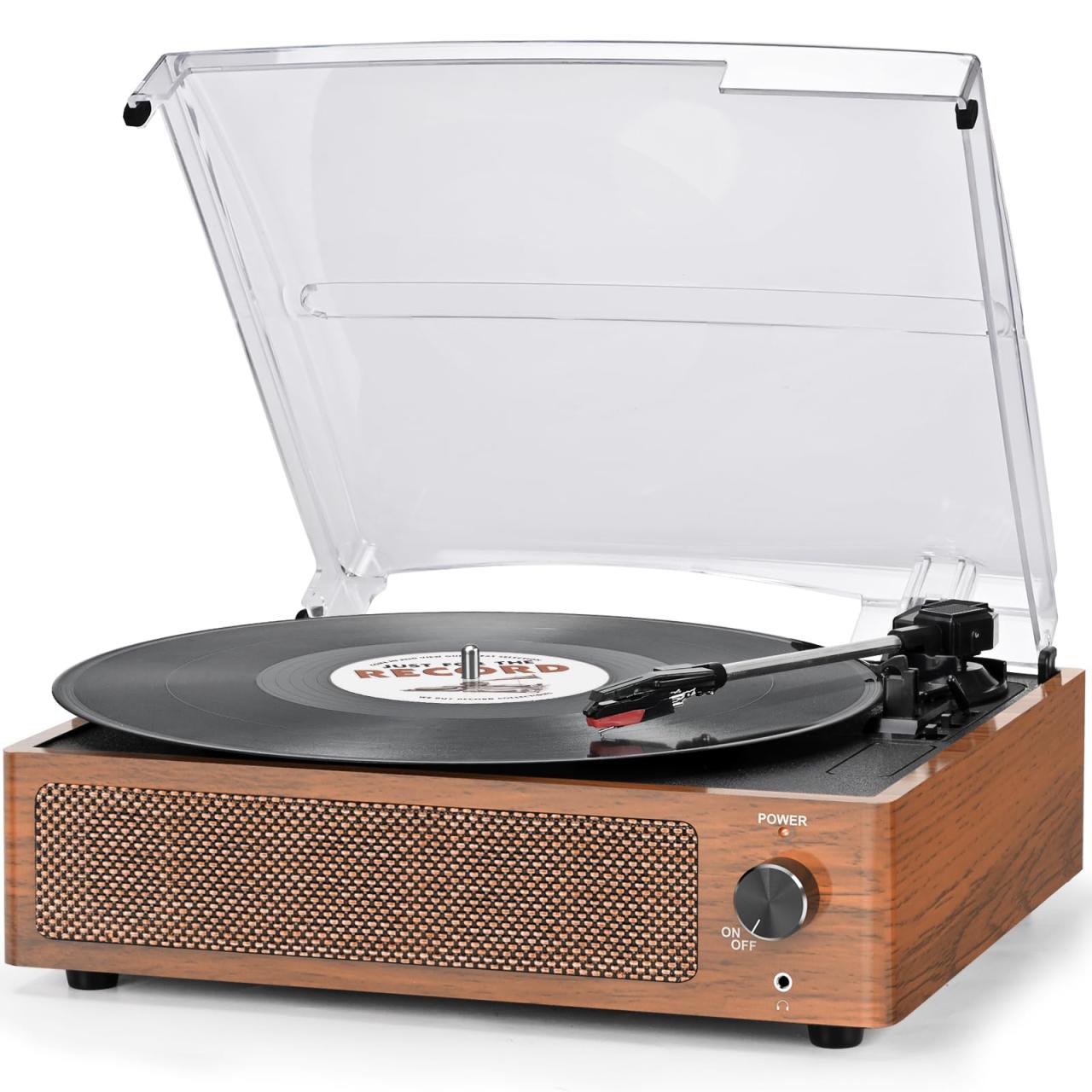
In recent years, the resurgence of vinyl records has captivated music lovers and collectors alike. Once thought to be a relic of the past, vinyl has made a remarkable comeback, drawing in both nostalgic older generations and curious younger listeners. This revival can be attributed to various cultural factors that reflect changing attitudes towards music consumption and appreciation.
The emotional and nostalgic ties that music lovers have with vinyl records play a significant role in this revival. For many, the act of playing a vinyl record is steeped in personal memories and experiences. It evokes a sense of warmth and authenticity that digital formats often lack. The tactile nature of handling records, from flipping through album covers to carefully placing the needle on the vinyl, creates a more immersive experience. Each pop, crackle, and hiss carries with it stories of the past, allowing listeners to connect on a deeper level with the music they cherish. This connection is particularly strong among those who grew up in the era of vinyl, as it represents a time when music was more than just background noise; it was a significant part of their lives.
Experience of Listening to Vinyl Versus Digital Formats
The difference in the experience of listening to vinyl versus digital formats is substantial, particularly in terms of sound quality and listener engagement. Vinyl records are analog, meaning they capture sound waves in a way that is often regarded as warmer and more natural compared to digital formats, which can sometimes sound sterile or compressed. Audiophiles frequently argue that the dynamic range and depth of sound produced by a vinyl record delivers a richer listening experience. The physicality of vinyl also engages listeners in a unique manner; one must actively participate in the process of playing a record, which can lead to a more focused and intentional listening session.
When examining sound quality, it’s crucial to consider the equipment used. A high-quality turntable paired with good speakers can elevate the listening experience, making it feel as if the artist is performing live in the room. Digital music, while convenient and portable, often sacrifices some of this depth due to compression algorithms designed to save space.
In addition to sound quality, the engagement level differs greatly between formats. With vinyl, listeners often enjoy the ritualistic aspects of playing a record—selecting an album, preparing the turntable, and savoring the anticipation as the needle drops. This contrasts sharply with digital music, where playlists are easily shuffled and songs skipped, often resulting in a more fragmented listening experience. The revival of vinyl underscores a broader cultural desire for authenticity and connection in a world that increasingly feels fast-paced and disposable.
Choosing the Right Vinyl Record Player for Beginners
As the resurgence of vinyl records captivates music lovers worldwide, many newcomers are eager to join this classic audio experience. Selecting the right vinyl record player can seem daunting, especially for those who are just stepping into the vinyl scene. This guide aims to simplify your decision-making process by highlighting key features to consider, as well as the impact of price, brand reputation, and user-friendliness.
When choosing your first vinyl record player, several factors come into play that can significantly influence your purchase. It’s important to balance features with affordability, as entry-level models often provide a great introduction without overwhelming the budget. Additionally, brand reputation can guide you towards quality products, while user-friendliness ensures you’re not bogged down by complex setups or functionalities.
Essential Features to Consider
Understanding the essential features will enhance your listening experience. Here are several key aspects to look for:
- Drive Type:
Most beginner turntables come with either belt-driven or direct-drive systems. Belt drives tend to absorb vibrations better, providing improved sound quality, while direct drives are preferred for DJs due to their quick start-up time. - Built-in Preamp:
A built-in preamp allows you to connect your turntable directly to speakers without requiring an external amplifier, simplifying the setup process. - Speed Options:
Ensure your record player supports both 33 1/3 RPM and 45 RPM speeds to accommodate different vinyl formats. - Build Quality:
A sturdy construction minimizes vibrations that can negatively affect sound quality. Look for models with a solid base and tonearm. - Cartridge and Stylus:
Consider whether the player comes with a good quality cartridge and stylus, as these components can influence sound clarity.
Comparison of Entry-level Vinyl Record Players
To aid your selection, here’s a comparison table of popular entry-level vinyl record players:
| Model | Key Features | Pros | Cons |
|---|---|---|---|
| Audio-Technica AT-LP60X | Belt-driven, built-in preamp, automatic | Affordable, easy to use, good sound quality | Limited upgrade options |
| Pro-Ject Debut Carbon | Belt-driven, carbon fiber tonearm, manual | High-quality sound, stylish design | More expensive, manual operation may be complex |
| U-Turn Orbit Basic | Belt-driven, customizable options | Great sound quality, aesthetically pleasing | No built-in preamp, requires assembly |
“Choosing the right vinyl record player involves balancing features, price, and ease of use to ensure a satisfying musical journey.”
Maintaining Your Vinyl Record Player for Longevity
Taking care of your vinyl record player is essential to ensure its longevity and optimal performance. Regular maintenance not only enhances your listening experience but also protects your investment in music and technology. By implementing some best practices, you can keep your turntable in top shape for years to come.
One of the most critical aspects of maintaining a vinyl record player is regular cleaning. Dust and dirt can accumulate on both the records and the player itself, leading to poor sound quality and potential damage. Additionally, proper storage and handling of records play a significant role in preserving their condition. Storing them upright in a cool, dry place prevents warping and scratches, while handling them with care prevents fingerprints and other contaminants from affecting playback quality.
Cleaning and Maintenance of the Record Player Components
To keep your record player functioning well, it’s essential to routinely clean and maintain each component. Regular upkeep can prevent issues that may arise from neglect. Below is a step-by-step guide for effectively cleaning and maintaining your vinyl record player:
1. Turntable Platter: The platter is the part that spins the record and can gather dust and grease over time. Remove the platter and clean it gently using a microfiber cloth slightly dampened with a mild soapy solution. Avoid using abrasive cleaners.
2. Tonearm and Cartridge: The tonearm should be cleaned carefully to prevent any damage to the cartridge. Use a soft brush to remove dust from the cartridge. For the stylus, a specialized stylus brush can be used to remove any debris. Always brush from back to front to avoid damaging the stylus.
3. Dust Cover: The dust cover helps protect your turntable from dust and scratches. Clean it regularly with a soft, lint-free cloth. For stubborn smudges, use a cleaner specifically designed for acrylic or plastic materials, ensuring you don’t scratch the surface.
4. Record Cleaning: Records themselves require regular cleaning to prevent noise and distortion during playback. Use a record cleaning brush to remove dust before playing. For deeper cleaning, consider a record cleaning solution and a microfiber cloth. Always clean in a circular motion following the grooves.
5. Keep the Records Properly Stored: Store your records vertically in a dedicated record box or shelf. This prevents warping and allows for easy access. Ensure that they are kept away from direct sunlight and extreme temperatures, as these can damage the vinyl.
6. Check Connections and Cables: Inspect the cables and connections for wear and tear regularly. Ensure that all connections are tight and free from corrosion to maintain optimal sound quality.
“Regular cleaning and proper handling of your records can significantly enhance their lifespan and maintain sound quality.”
By following these maintenance steps, you’ll not only prolong the life of your vinyl record player but also enjoy a richer, more immersive listening experience. Taking the time to care for each component will ensure that every playback is as enjoyable as the first.
Exploring the Sound Quality of Vinyl vs. Digital Formats
When it comes to sound quality, vinyl records and digital formats present distinct characteristics that appeal to varying preferences among music enthusiasts. Vinyl is often celebrated for its unique analog warmth, while digital formats offer clarity and precision. Understanding these differences can enhance one’s listening experience, leading to a more profound appreciation for music.
Vinyl records are renowned for the warmth and depth of sound they produce. This warmth is attributed to the analog nature of vinyl, where sound waves are physically etched into the grooves of a record. As a result, vinyl captures a wider range of frequencies and nuances, often resulting in a rich, full-bodied sound. Enthusiasts frequently note the presence of harmonic distortion, which can add a sense of musicality and character that is often less pronounced in digital formats. Digital music, while precise and clear, may lack the organic feel that vinyl delivers, leading to descriptions of a “cold” sound. Vinyl aficionados often cite the emotional connection they feel when listening to records, as the texture and depth create an immersive experience.
Impact of Speakers and Amplifiers on Vinyl Listening Experience
The choice of speakers and amplifiers plays a crucial role in enhancing the listening experience on a vinyl setup. Quality sound reproduction requires the right components to bring out the best in vinyl records. Here’s how different equipment can make a significant difference:
1. Speakers: The type of speakers used can greatly influence the soundstage and clarity of the music. High-fidelity speakers, often characterized by their ability to reproduce low and high frequencies accurately, can significantly enhance the warmth of vinyl. For example, floor-standing speakers might deliver richer bass response compared to bookshelf models, providing a fuller sound.
2. Amplifiers: The amplifier’s quality affects the overall output and dynamics of the music. Tube amplifiers, commonly used in vinyl setups, are revered for their warm sound and smooth distortion, which complements the characteristics of vinyl. Solid-state amplifiers, while providing clarity and detail, may not impart the same level of warmth.
3. Cables and Connections: The choice of cables can also impact sound quality. High-quality RCA cables can minimize signal loss and interference, ensuring that the sound maintains its depth and richness throughout the audio chain.
Investing in quality speakers and amplifiers tailored for vinyl can significantly elevate the listening experience. When paired correctly, they can highlight the distinct characteristics of vinyl sound, allowing listeners to fully appreciate the nuances of their favorite records.
The Influence of Audiophile Culture on Vinyl Record Players
Audiophile culture represents a deep appreciation for high-fidelity sound reproduction. This community is characterized by a commitment to achieving the utmost audio quality, often going to great lengths to secure the best playback systems. Vinyl record players have become emblematic of this culture, cherished not only for their vintage appeal but also for the warmth and depth of sound they can deliver. The resurgence of vinyl records in recent years has intertwined with the audiophile movement, creating a significant overlap between enthusiasts and those invested in high-quality sound experiences.
The role of high-end equipment in the audiophile community is paramount. Audiophiles believe that the right gear is crucial to unlocking the full potential of recorded music. Investing in high-end turntables, phono preamps, cartridges, and speakers can dramatically enhance the listening experience. High-end turntables often feature precision engineering, utilizing materials such as acrylic, aluminum, and high-quality wood to minimize vibrations and resonance. This meticulous design results in a more accurate sound reproduction, allowing listeners to experience nuances in their favorite recordings that standard equipment might miss.
Additionally, high-end audio gear can often incorporate advanced technologies like speed stability, adjustable weights, and suspension systems which further improve sound quality. For instance, a turntable with a high-torque motor may provide better speed control, resulting in a listen that’s free from pitch variations. Audiophiles frequently emphasize the importance of synergy among components; for example, pairing a quality turntable with an equally capable amplifier and speakers can produce a cohesive and immersive sound environment.
Customization for Optimal Sound Quality
Many enthusiasts take customization to the next level, tailoring their setups to achieve personal sound preferences and optimal performance. This process often involves selecting components that complement each other while also reflecting individual tastes. Here are some common methods audiophiles employ to customize their vinyl listening experience:
- Cartridge Selection: The choice of cartridge can significantly influence the sound signature. Audiophiles may experiment with different types of cartridges—moving magnet vs. moving coil—to find one that best suits their preferred sound characteristics.
- Isolation and Vibration Control: To reduce external noise and vibrations, enthusiasts often invest in specialized platforms or isolation gels that ensure their turntables operate in an optimal environment.
- Cable Upgrades: High-quality interconnect and speaker cables can enhance the signal transfer between components, minimizing loss and distortion. Many audiophiles believe that upgrading these cables can lead to noticeable improvements in sound clarity.
- Tweaks and Modifications: Some audiophiles enjoy tweaking their equipment, such as adjusting tonearms, replacing platter mats, or even modifying internal components of their turntables for better performance.
Customizing a vinyl setup is not just about enhancing sound quality; it also brings a personal satisfaction. Each alteration reflects the audiophile’s unique auditory preferences and their desire to create an ideal listening environment, making the journey of vinyl appreciation a deeply personal and rewarding experience. This culture of customization and experimentation reinforces the strong bond between audiophiles and their cherished vinyl record players, making them a symbol of both passion and dedication to the art of sound.
Vinyl Record Player Innovations
The resurgence of vinyl records in recent years has sparked a wave of innovation in the design and functionality of vinyl record players. This revival isn’t merely a nostalgia trip; it integrates modern technology with classic charm, allowing audiophiles and casual listeners alike to enjoy the rich sound of vinyl with contemporary conveniences. Recent advancements include features such as Bluetooth connectivity, built-in speakers, and even USB ports, enhancing the listening experience while appealing to a tech-savvy audience.
Technological advancements are transforming the vinyl listening landscape. Bluetooth connectivity allows users to wirelessly connect their record players to external speakers or headphones, providing flexibility and enhanced sound quality without the clutter of wires. Built-in speakers eliminate the need for separate audio equipment, making it easier for those new to vinyl to enjoy their records without a complicated setup. Furthermore, some modern models are incorporating features like automatic tonearm operation and built-in preamps, streamlining the experience while ensuring high fidelity. These innovations cater to a wider audience, emphasizing convenience alongside the cherished analog sound.
Innovative Models Merging Modern Tech With Vintage Aesthetics
Several record players on the market stand out by seamlessly integrating modern technology while retaining a classic design. These models illustrate how contemporary features can coexist with traditional aesthetics, providing both style and functionality.
One notable example is the Audio-Technica AT-LP60XBT, a fully automatic belt-drive turntable that offers Bluetooth connectivity. With its sleek, vintage-inspired design, it appeals to those who appreciate the old-school vibe while enjoying the freedom of wireless listening. This model allows users to connect to Bluetooth speakers or headphones, making it versatile for various listening scenarios.
Another innovative model is the Pro-Ject T1 BT, which not only delivers exceptional sound quality but also features Bluetooth output. This turntable emphasizes simplicity and elegance with its minimalist design and high-quality components. Its built-in phono stage and Bluetooth capabilities make it a user-friendly choice for both novice and experienced vinyl enthusiasts alike.
The Victrola Revolution Go is an intriguing option that combines a retro design with modern functionality. It comes equipped with Bluetooth speakers and a rechargeable battery, allowing users to enjoy their vinyl records anywhere. Its charming aesthetic captures the essence of classic record players while providing the convenience of portability.
In conclusion, the innovations in vinyl record player technology, from Bluetooth connectivity to built-in speakers, signify a bright future for vinyl enthusiasts. These advancements not only enhance usability but also attract a new generation of listeners who want to enjoy records without sacrificing modern conveniences. The blend of vintage charm and cutting-edge technology is shaping a vibrant vinyl culture that continues to thrive.
Closing Notes
In conclusion, the world of vinyl record players is not just about music; it’s about connection, nostalgia, and the pursuit of sound quality. As we move forward, embracing both the vintage and the innovative aspects of vinyl, we find a rich tapestry of culture and technology that enhances our listening experience. Whether you’re a seasoned audiophile or a curious newcomer, there’s a vinyl record player waiting to take you on a unique auditory journey.
Detailed FAQs
What is a vinyl record player?
A vinyl record player is an audio device designed to play vinyl records, converting the grooves on the record into sound.
How do I clean my vinyl records?
Use a soft brush or a microfiber cloth to gently remove dust. For deeper cleaning, consider using a record cleaning solution and a dedicated cleaning brush.
Why is vinyl sound quality different from digital?
Vinyl records often provide a warmer, richer sound due to analog playback, while digital formats can sometimes sound more sterile or compressed.
Can vinyl record players connect to Bluetooth speakers?
Yes, many modern vinyl record players feature Bluetooth connectivity, allowing them to pair with wireless speakers for added convenience.
How often should I replace the needle on my record player?
It’s recommended to replace the needle every 300-500 hours of playtime to maintain optimal sound quality and protect your records.