
 Zoe Nora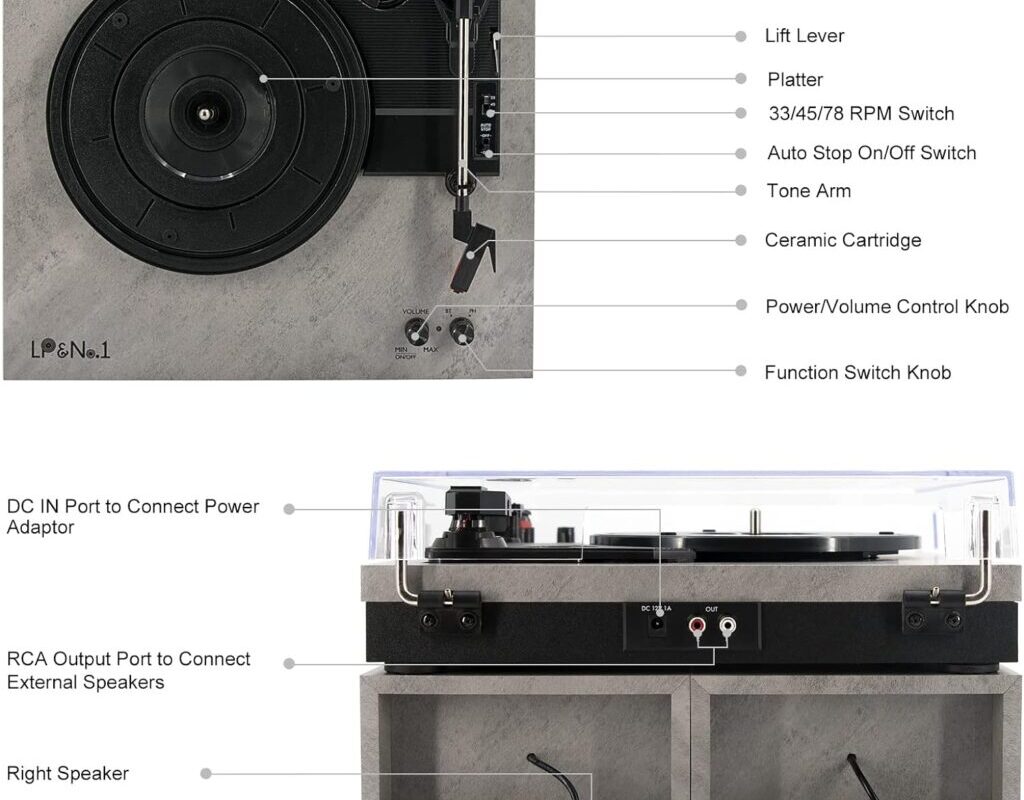
Turntable enthusiasts and casual listeners alike know there’s something magical about the rich sound of vinyl. This beloved device has evolved dramatically since its inception, bridging generations and genres in the music world. With a blend of history, technology, and cultural significance, turntables have found their place not only in the hearts of audiophiles but also in the mainstream, making music listening a tactile and immersive experience.
The fascinating journey of turntables encompasses their evolution from simple mechanical discs to the sophisticated systems we see today. Modern turntables boast advanced technology, making them indispensable for any serious music lover. The cultural implications they carry highlight their role as not just musical instruments but as artifacts that tell the stories of our musical heritage.
Understanding the History of Turntables
Turntables have undergone a remarkable transformation since their origin in the late 19th century. Initially developed as a means of recording and playing back sound, they have evolved into sophisticated devices that are essential to the music industry and culture. Their journey reflects not only technological advancements but also shifts in musical tastes and cultural practices, showcasing their significant role in the history of sound reproduction.
The first turntables emerged with the phonograph invented by Thomas Edison in 1877, which used cylindrical recordings. This was soon followed by Emile Berliner’s flat disc record, leading to the creation of the gramophone. By the 1920s, electric turntables began to appear, dramatically improving audio quality. Throughout the decades, several key innovations played a crucial role in shaping the turntable industry.
Key Innovations in Turntable Design
The evolution of turntables is marked by several groundbreaking innovations that have enhanced their functionality and sound quality.
– Direct Drive Mechanism: Introduced in the 1970s, this technology allowed for more precise speed control and quicker start-up times, making it popular among DJs who needed reliability and performance.
– High-Fidelity Components: The integration of high-quality materials like quartz crystals for speed stabilization and advanced stylus designs has significantly improved sound fidelity and minimized distortion.
– Digital Turntables: The advent of digital technology in the 21st century led to the creation of digital vinyl systems (DVS), allowing DJs to manipulate digital audio files while maintaining the tactile experience of traditional turntables.
– USB Turntables: These modern designs enable direct recording of vinyl to digital formats, bridging the gap between analog and digital music consumption.
Each of these innovations not only improved the user experience but also expanded the possibilities for music production and performance.
The cultural significance of turntables extends beyond their technical advancements; they have profoundly influenced music history and various genres. Initially, turntables were primarily used in homes for recreation, playing classical and popular music. However, with the emergence of jazz, blues, and later rock ‘n’ roll, turntables became vital tools for DJs and producers.
In the late 1970s, the hip-hop movement in the Bronx redefined the turntable as an instrument of expression. DJs began to employ techniques like scratching and beat-matching, transforming the turntable into a centerpiece of the genre. This innovation paved the way for new music styles, including electronic dance music and the resurgence of vinyl in the 21st century.
Turntables symbolize the blend of technology and artistic creativity, representing a cultural artifact that connects generations of music lovers. From their humble beginnings to their place in today’s digital landscape, turntables have left an indelible mark on the music industry and continue to inspire new forms of musical expression.
Exploring Different Types of Turntables
Turntables have evolved significantly, catering to a diverse audience with varying preferences and listening habits. Today’s market offers several types of turntables, each with unique mechanisms and features. Understanding these differences can help both audiophiles and casual listeners choose a model that fits their needs.
The three primary types of turntables are belt-drive, direct-drive, and idler-drive systems. Each design has its own set of characteristics that influence sound quality, ease of use, and maintenance requirements.
Belt-Drive Turntables
Belt-drive turntables utilize a rubber belt to connect the motor to the platter. This design isolates the platter from motor vibrations, often resulting in warmer, more detailed sound. However, belt-drive systems can suffer from speed fluctuations over time due to belt wear.
Advantages:
- Lower noise levels due to isolation from motor vibrations.
- Typically better sound quality for audiophiles, as they produce a warmer sound.
- Often more affordable, making them accessible for beginners.
Disadvantages:
- Speed stability can diminish with belt wear.
- Requires more maintenance, such as belt replacement.
Popular models include the Pro-Ject Debut Carbon and the Audio-Technica AT-LP120XUSB, both known for their excellent build quality and sound performance.
Direct-Drive Turntables
Direct-drive turntables have the motor directly connected to the platter, providing instant start-up times and consistent speed. This makes them favored among DJs and those who engage in scratching.
Advantages:
- Faster start-up times and precise speed stability.
- Less maintenance since there’s no belt to replace.
- Durability and ability to handle heavy usage without degradation.
Disadvantages:
- Potentially more motor noise can affect sound quality.
- Generally higher price points compared to belt-drive models.
Notable models include the Technics SL-1200 series, renowned for its professional quality and reliability, and the Pioneer PLX-1000, which offers excellent performance for both DJs and home listeners.
Idler-Drive Turntables
Idler-drive turntables feature a mechanical idler wheel that connects the motor to the platter. While these turntables were more common in the mid-20th century, they have unique characteristics that some audiophiles appreciate.
Advantages:
- Strong torque, allowing for immediate platter speed.
- Potentially high sound quality when properly maintained.
Disadvantages:
- More mechanical noise compared to other systems.
- Higher maintenance requirements, as idler wheels can degrade.
Examples include the Garrard 401 and the Thorens TD-124, both of which have a loyal following for their vintage sound and aesthetic appeal.
In summary, each type of turntable presents its own set of benefits and limitations. The choice between belt-drive, direct-drive, and idler-drive systems ultimately hinges on individual preferences regarding sound quality, ease of use, and maintenance requirements.
The Essential Components of a Turntable
A turntable is an intricate piece of audio equipment, pivotal for vinyl playback. Each component plays a vital role in determining the sound quality and performance of the turntable, making it essential for audiophiles and casual listeners alike to understand these parts. The interplay between these components can greatly affect the listening experience, ensuring that each note and lyric is delivered as intended.
The primary components of a turntable include the platter, tonearm, cartridge, and motor. Each of these elements contributes uniquely to the overall sound quality and performance. By examining these components, we can appreciate how they work together to create the rich, vibrant sound associated with vinyl records.
Key Turntable Components and Their Functions
Understanding the main components of a turntable is crucial for anyone looking to delve deeper into vinyl playback. Below is a detailed overview of each component, including their function and how they affect sound quality.
| Component | Function | Influence on Sound Quality |
|---|---|---|
| Platter | Holds the vinyl record in place, spins at a consistent speed. | A heavy, well-balanced platter minimizes vibrations, leading to a clearer sound. |
| Tonearm | Holds and moves the cartridge across the record. | The tonearm’s design affects tracking ability; a well-designed tonearm reduces distortion and improves sound clarity. |
| Cartridge | Translates the grooves of the vinyl into an electrical signal. | The quality of the cartridge directly impacts fidelity; high-quality cartridges can capture more detail and nuances in the music. |
| Motor | Drives the platter’s rotation. | A stable motor with low vibration is key to maintaining pitch stability and reducing unwanted noise. |
The platter is often made of materials like glass or heavy metal, which helps to minimize vibrations. Its weight and stability are crucial for maintaining a consistent speed, directly impacting the pitch and overall clarity of the music. When the platter is poorly designed or constructed from lightweight materials, it can result in a wobbly rotation, leading to pitch instability and audible distortion.
The tonearm is designed to move smoothly across the record while maintaining proper tracking. A high-quality tonearm will reduce tracing distortion and improve overall soundstage. If the tonearm is unbalanced or poorly calibrated, it can lead to uneven wear on the vinyl and a loss of audio fidelity.
The cartridge is another critical component. Made up of a stylus (needle) and transducer, it captures the tiny grooves in the vinyl. Cartridges come in various types, such as moving magnet (MM) and moving coil (MC), each affecting sound reproduction differently. A quality cartridge can render more detail and dynamic range, making for a richer listening experience.
Finally, the motor’s role cannot be understated. It must deliver consistent speed without introducing vibrations. A good motor helps maintain correct pitch and timing in the audio playback. Variations in motor performance can result in flutter, affecting sound quality adversely.
This understanding of turntable components allows enthusiasts to make informed decisions about upgrades and enhancements, ultimately leading to an improved audio experience.
Setting Up a Turntable for Optimal Performance
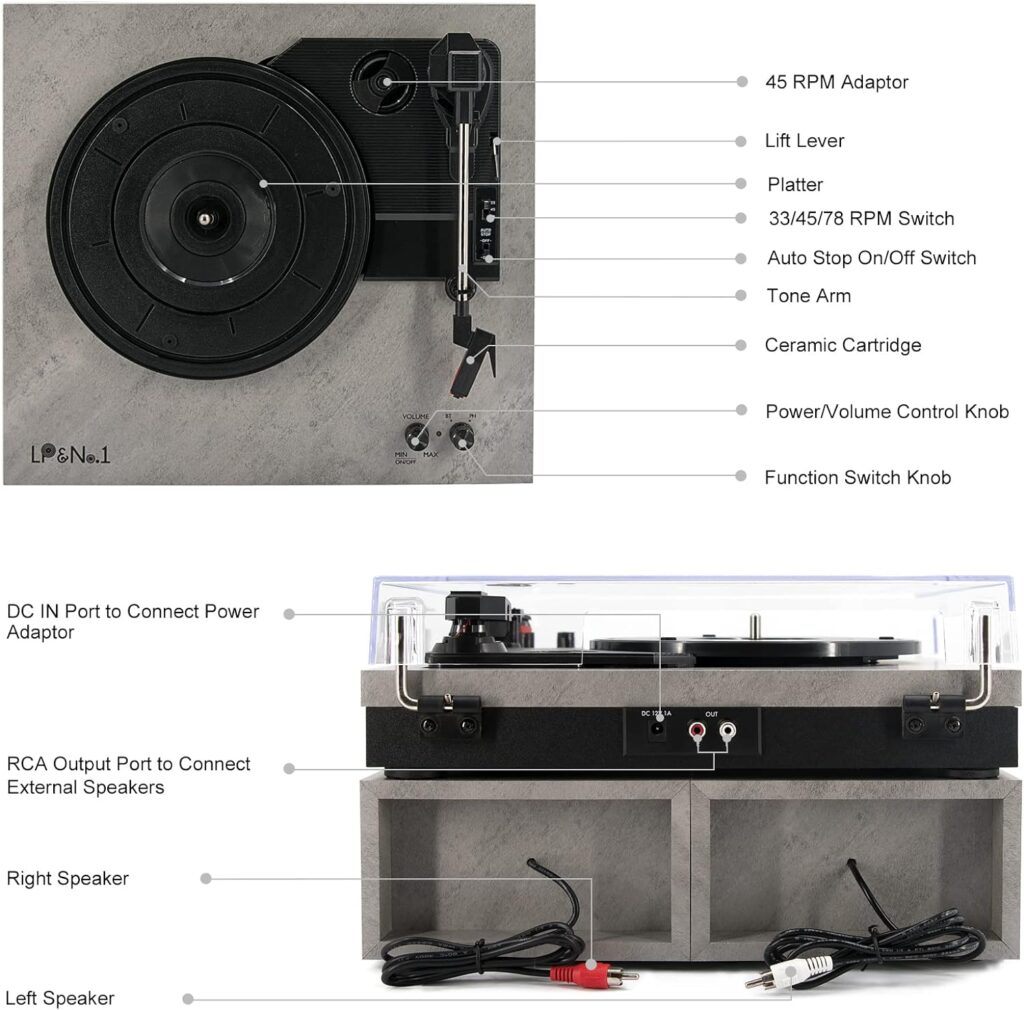
Setting up a turntable correctly is essential for ensuring high-quality sound and the longevity of your equipment. Proper setup involves several crucial steps, including leveling the turntable, aligning the cartridge, and adjusting the tracking force. Each of these steps plays a vital role in both sound quality and the overall performance of your turntable.
To begin with, leveling the turntable is one of the most important aspects of setup. An unlevel turntable can lead to uneven playback and potential damage to the record. It is ideal to use a bubble level to assess how level the platter is. Place the level on the platter and adjust the feet of the turntable until it reads level in both directions. Once the turntable is level, you can proceed to align the tonearm and cartridge.
Alignment and Tracking Force Adjustment
Alignment ensures that the stylus sits correctly in the groove of the record, reducing wear and improving sound quality. Here’s how to perform the alignment and tracking force adjustment:
1. Cartridge Alignment: Use a protractor designed for cartridge alignment.
– Place it on the platter and check that the cartridge is parallel to the grid lines.
– Adjust the cartridge position if necessary to achieve proper alignment.
2. Tracking Force Setting: Tracking force is crucial for optimal performance.
– Consult the cartridge’s specification for the recommended tracking force range.
– Use a tracking force gauge to measure the force while adjusting the counterweight on the tonearm.
3. Anti-Skate Adjustment: This setting helps to balance the tonearm during playback, preventing the stylus from being pulled towards the center of the record.
– Set the anti-skate to match your tracking force for best results.
4. Elevate the Tonearm: After adjustments, gently place the tonearm in its resting position and ensure it floats freely without drifting to one side.
5. Final Checks: Play a test record to evaluate sound quality and clarity, making any necessary adjustments to tracking force and anti-skate settings.
Common mistakes during the setup process can hinder performance and affect sound quality. One major error is neglecting to level the turntable properly, which can cause distortion and uneven wear on records. Another pitfall is incorrect alignment, which can lead to skipping and damage to both the stylus and records. Ensuring the tracking force is set incorrectly can also result in poor sound quality and premature stylus wear.
Maintaining your turntable is equally important for ensuring longevity and sound quality. Regularly clean your records to prevent dust buildup, which can lead to skips and scratches. Additionally, keep the stylus clean using a stylus brush or a specialized cleaning solution. It is also advisable to periodically check and recalibrate the alignment and tracking force, especially if you switch cartridges or notice any decline in sound quality.
Finally, store your turntable in a dust-free environment and consider using a dust cover to shield it from contamination. By following these setup and maintenance guidelines, you can enjoy high-quality sound and preserve the integrity of your records for years to come.
The Role of Vinyl Records and Their Interaction with Turntables
Vinyl records are not just a nostalgic medium for music; they represent a unique interplay of physical and chemical processes that culminate in the rich, warm sounds cherished by audiophiles and casual listeners alike. Understanding how vinyl records work with turntables reveals the artistry behind this analog format, showcasing the intricacies that contribute to its enduring popularity.
In essence, a vinyl record is a disc made from polyvinyl chloride (PVC) that encodes sound through grooves etched into its surface. These grooves are a physical representation of sound waves, modulating in depth and width. When a turntable is employed, the stylus or needle traverses these grooves, vibrating in response to the variations within them. This mechanical movement is then converted into an electrical signal by the cartridge attached to the turntable, which is subsequently amplified and transformed into audible sound.
The interaction between the vinyl and the turntable is not purely mechanical; it also involves chemical properties of the materials used. The stylus is typically made of a hard material, such as diamond, which ensures durability and precision as it contacts the softer vinyl. The friction between the two materials generates minor heat, yet it is essential that the stylus maintains a delicate balance between pressure and tracking ability to avoid damaging the grooves. When stored properly, a well-maintained record can last for decades, highlighting the importance of both the turntable’s mechanics and the vinyl’s chemical resilience.
Record Care and Storage Importance
To preserve the sound quality of vinyl records, careful attention to their care and storage is paramount. Factors such as dust, humidity, and temperature can significantly impact the performance and longevity of records. Proper storage helps to prevent warping, scratches, and dust accumulation, which can all detract from the listening experience.
For optimal record care, consider the following points:
- Keep records stored vertically in a cool, dry place to prevent warping.
- Use protective inner sleeves made of anti-static materials to reduce dust accumulation.
- Avoid exposure to direct sunlight or extreme temperatures, which can warp or degrade the vinyl.
Methods for Cleaning and Preserving Vinyl Records
Maintaining the quality of vinyl records requires regular cleaning and proper maintenance. Dust and debris can cause unwanted noise and affect sound fidelity. Cleaning methods can range from simple home solutions to specialized equipment.
Common methods for cleaning vinyl records include:
- Use a carbon fiber brush to gently remove dust before and after each play.
- Create a cleaning solution using distilled water, isopropyl alcohol, and a few drops of dish soap for deeper cleaning, applying it with a soft microfiber cloth.
- Consider investing in a record cleaning machine that uses vacuum suction to remove dirt and grime from the grooves effectively.
In addition to these cleaning techniques, it’s essential to handle vinyl records with care to prevent fingerprints and smudges. Always hold records by the edges and avoid touching the grooves. This conscientious approach to record care and cleaning will ensure that your vinyl collection remains in excellent condition, allowing you to enjoy the rich sound quality that this medium has to offer for years to come.
How to Choose the Right Turntable for Your Needs
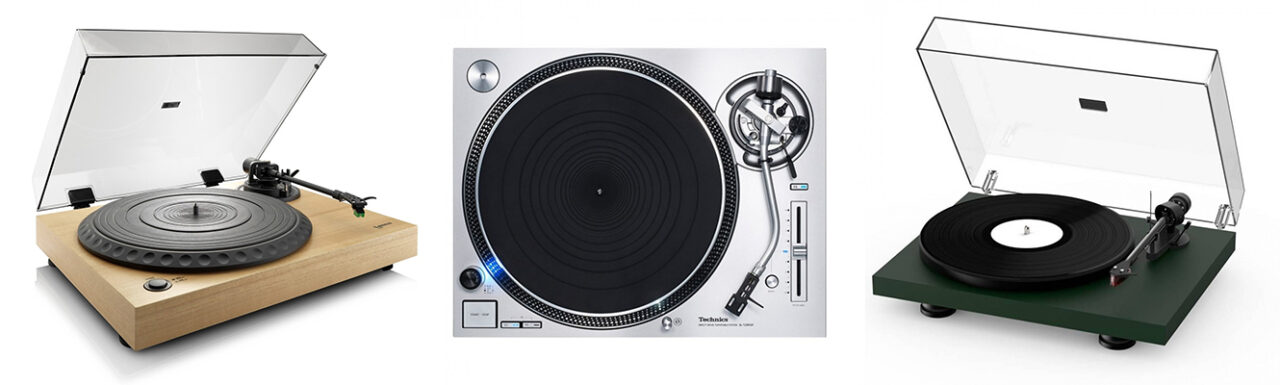
Selecting a turntable can be an exciting yet daunting task, especially with the myriad of options available on the market today. Understanding your needs and preferences is crucial in making an informed decision. Key factors such as budget, sound quality, and features tailored to your listening habits will greatly influence your choice. This guide seeks to clarify those factors and equip you with the necessary information to make a confident purchase.
When considering a turntable, it’s essential to weigh several factors that can significantly impact your experience. First and foremost is your budget. Entry-level options can range from $100 to $300, providing a decent audio experience for casual listeners. In contrast, high-end models can start at $1,000 and escalate well beyond, offering superior sound quality, build materials, and advanced features. Sound quality is another critical element; a higher price often correlates with better components such as cartridges and tonearms, leading to clearer and more accurate playback. Moreover, personal preferences play a vital role; some users prioritize aesthetics, while others might focus on technical specifications or brand reputation.
Comparison of Entry-Level and High-End Models
Entry-level turntables often come with built-in preamps and are designed for ease of use, making them ideal for beginners. They may include features like USB output for digitizing vinyl and automatic operation for simplified setup. However, they can lack in sound quality, using lower-end materials that may not last as long.
On the other hand, high-end models often feature heavier platters, superior tonearms, and higher-quality cartridges, providing an unparalleled listening experience. These models may also allow for customization, enabling users to upgrade components as desired. While they require a larger initial investment, they often prove to be a long-term investment for serious audiophiles.
Here is a checklist to guide potential buyers through their decision-making process:
- Budget: Determine how much you are willing to spend without compromising essential features.
- Sound Quality: Research reviews and listen to demos to assess the sound quality of different models.
- Usage: Identify whether you will use the turntable for casual listening or serious audiophile purposes.
- Features: Consider what features are important, such as USB output, built-in preamp, or automatic vs. manual operation.
- Space: Evaluate where you will place the turntable and ensure it fits your setup.
- Brand Reputation: Research brands that are well-regarded in the industry for reliability and quality.
By following this checklist, you can systematically evaluate different options and choose a turntable that aligns perfectly with your needs and preferences.
The Future of Turntables in the Digital Age
As digital music formats and streaming services dominate the audio landscape, turntables are not being left behind but instead are undergoing significant transformations. This evolution is not just about adapting to a changing environment; it reflects a burgeoning appreciation for the tactile and analog experience that vinyl records provide. With more and more consumers seeking out the nostalgic sounds of vinyl, the future of turntables looks not only secure but vibrant.
The rise of digital music has prompted manufacturers to innovate and incorporate technology that bridges the gap between analog and digital experiences. Modern turntables are now often equipped with Bluetooth connectivity, allowing users to wirelessly connect to speakers and devices without sacrificing sound quality. Additionally, features such as USB outputs make it easier for users to digitize their vinyl collections, seamlessly integrating traditional and contemporary listening habits. This adaptability speaks to a growing trend where high-quality analog experiences can coexist with digital conveniences.
Resurgence of Vinyl and Its Implications
The resurgence of vinyl, which has seen sales increase dramatically in recent years, signifies a cultural shift toward appreciating audio quality and physical media. In 2020, vinyl sales outpaced digital downloads in the U.S. for the first time since the 1980s, highlighting a growing consumer preference for the warmth and depth of analog sound. This revival is not merely about nostalgia; it reflects a desire for a more engaging listening experience that digital formats often fail to provide.
This resurgence brings with it several implications for the future of turntables. Record labels are increasingly releasing limited edition pressings of popular albums, often accompanied by art that enhances the overall experience. Furthermore, dedicated record stores are witnessing a revival, fostering communities around vinyl culture. This trend also prompts turntable manufacturers to invest in higher-quality materials, producing decks that are not only aesthetically pleasing but also designed for optimal sound performance.
Potential Trends and Innovations in Turntable Market
As the turntable market evolves, there are several trends and innovations that are likely to shape its future. One notable trend is the integration of smart technology. Turntables capable of connecting to apps might offer features like automatic track recognition, curated playlists based on user preferences, and even social sharing options directly from the device.
Another trend is the development of hybrid turntables that blend traditional mechanics with modern digital features. These devices can cater to audiophiles seeking authentic sound while also meeting the needs of casual listeners who prefer convenience. The growth of customizable turntables, allowing consumers to personalize their experience with different cartridges, platters, and finishes, is also on the horizon.
In addition, sustainability is becoming an important focus. Manufacturers are exploring eco-friendly materials and production methods to appeal to environmentally conscious consumers. This trend towards sustainability not only reflects changing consumer values but also opens avenues for creativity in design and functionality.
The future of turntables is not only about retaining their classic charm but also about evolving to meet the needs of a modern audience. As technology and artistry continue to collide, turntables may very well become the centerpiece of a new audio renaissance.
Outcome Summary
In conclusion, the turntable represents much more than just a way to listen to music; it embodies a rich history and a thriving culture that continues to evolve. As technology advances and the love for vinyl records surges, turntables will undoubtedly play a pivotal role in how we experience music in the future. Whether you’re a seasoned collector or just starting your journey, understanding the intricacies of turntables enhances your appreciation for the art of sound.
Top FAQs
What is the best turntable for beginners?
A good choice for beginners is a belt-drive turntable from a reputable brand that offers ease of use and decent sound quality, such as the Audio-Technica AT-LP60.
Can I connect a turntable to my Bluetooth speakers?
Yes, many modern turntables feature Bluetooth connectivity, allowing you to pair them with Bluetooth speakers for wireless listening.
How often should I clean my vinyl records?
It’s recommended to clean your vinyl records every time you play them and also maintain a deeper clean every few months to preserve sound quality.
Are all turntables suitable for DJing?
No, not all turntables are suitable for DJing. Direct-drive turntables are typically preferred due to their quick start-up time and durability.
What is the difference between a belt-drive and a direct-drive turntable?
Belt-drive turntables use a belt to spin the platter, which can reduce vibrations, while direct-drive turntables connect the motor directly to the platter for faster start-up and better torque.