
 Zoe Nora
NFC speakers are at the forefront of modern audio technology, offering users seamless and intuitive connectivity like never before. With Near Field Communication (NFC) technology, these speakers provide a user-friendly experience, enabling effortless pairing with smartphones and other devices. This innovative approach not only enhances convenience but also transforms how people enjoy music and audio content in their everyday lives.
As we delve deeper into the realm of NFC speakers, we will explore their historical evolution, unique features, and the significant benefits they bring to users. Understanding the principles behind NFC technology sheds light on its advantages in audio devices, while market trends and popular brands illustrate its growing presence in the industry.
Understanding the Basics of NFC Technology
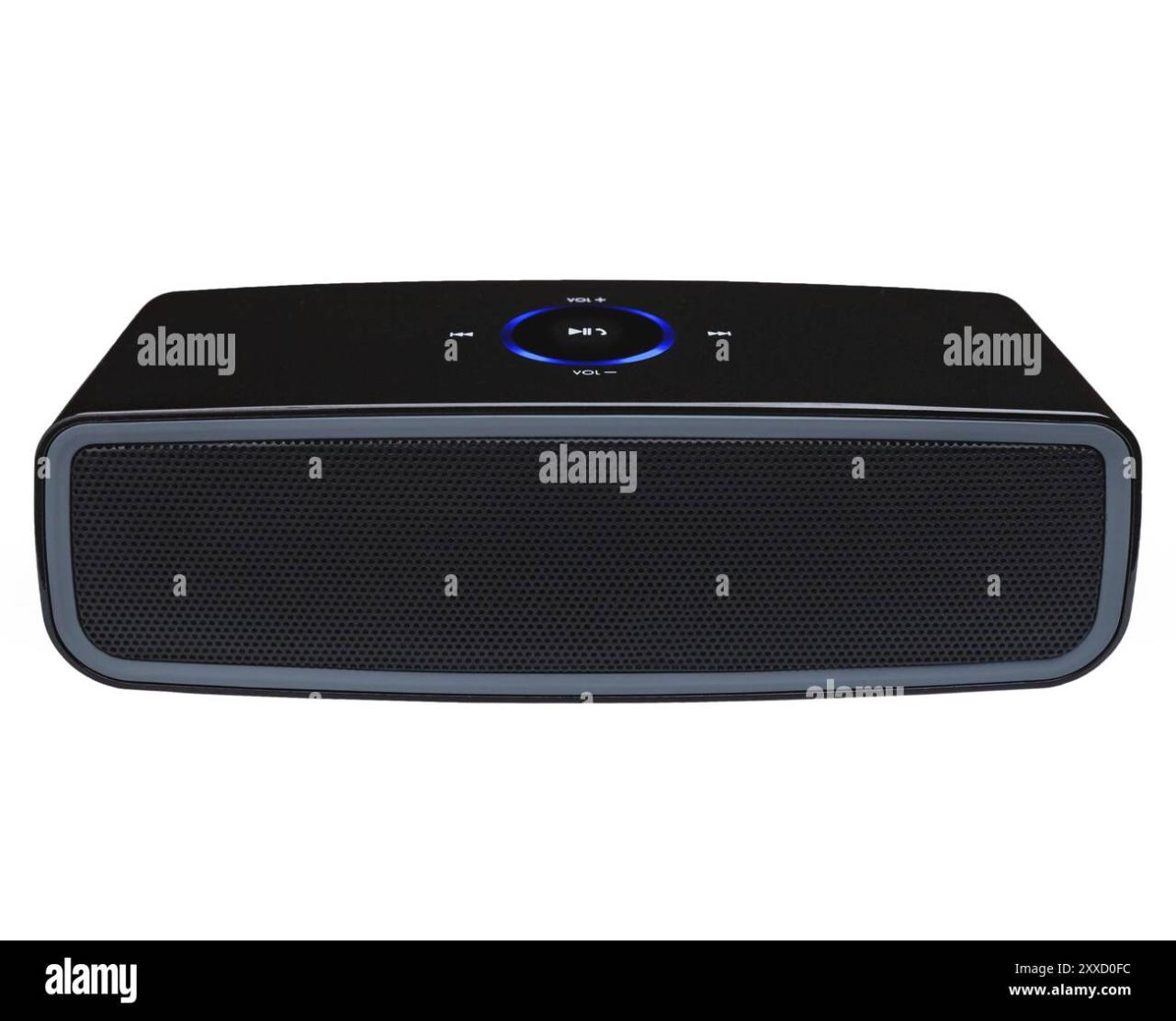
NFC, or Near Field Communication, is a short-range wireless technology that enables communication between devices over distances of typically less than 10 centimeters. It operates on the same principles as RFID (Radio-Frequency Identification), using electromagnetic fields to transfer data between devices. NFC technology has gained popularity due to its convenience and ease of use, especially in mobile payments and connectivity solutions. This technology is becoming increasingly prevalent in various audio devices, such as speakers, enhancing user experience through seamless connectivity.
NFC functions based on a principle of inductive coupling, where two devices equipped with NFC chips communicate through magnetic fields. When an NFC-enabled device, such as a smartphone, is brought close to another NFC-enabled device, the two devices establish a connection without the need for manual pairing or configuration. This process typically occurs in milliseconds, enabling quick access to functionalities like audio streaming or file transfers. The technology supports different modes of operation, including peer-to-peer mode for data exchange, reader/writer mode for reading NFC tags, and card emulation mode for contactless payments.
Advantages of Using NFC in Audio Devices
Incorporating NFC technology in audio devices has revolutionized the way users connect their devices, particularly speakers. The advantages of NFC in this context can significantly enhance the overall user experience.
The primary benefits include:
- Seamless Connectivity: NFC allows users to connect devices simply by tapping them together. This eliminates the often cumbersome process of Bluetooth pairing, where users need to navigate through settings and confirm connections.
- Speed of Connection: Establishing a connection with NFC is almost instantaneous. This rapid connectivity is especially beneficial during scenarios where users want to quickly stream music without delays.
- Low Power Consumption: NFC operates on low energy, making it a suitable option for battery-powered devices. This efficiency ensures prolonged use without draining battery life significantly.
- Enhanced Security: NFC technology supports secure connections through encryption, providing a safer way to transmit data between devices, which is particularly important when dealing with sensitive information.
NFC also enriches the user experience in speakers by enabling features that were previously difficult to access or set up. For instance, users can easily switch between multiple audio sources, such as smartphones, tablets, or laptops, with just a simple tap. This multi-device functionality is especially beneficial in social settings where users may want to share control of the speaker.
Moreover, NFC can streamline access to additional features or services. For example, tapping an NFC-enabled speaker could lead to an application download or access to customized sound settings, enhancing personalization.
“NFC technology not only simplifies the connection process but also enriches the functionalities available at the user’s fingertips.”
In summary, NFC technology not only enhances the convenience of connecting audio devices but also provides a secure and energy-efficient method for an improved overall user experience.
The Evolution of Speakers with NFC Capabilities
The development of NFC (Near Field Communication) technology has significantly transformed the audio industry, particularly in the realm of speakers. Traditional speakers, primarily reliant on wired connections or Bluetooth, faced limitations in terms of connectivity and convenience. The introduction of NFC capabilities has streamlined the user experience, providing a seamless way to connect devices with a simple tap. This evolution has not only enhanced functionality but also influenced consumer preferences and market trends in the audio sector.
The historical development of NFC speakers can be traced back to the early 2010s when NFC technology began to gain traction in consumer electronics. Initially, NFC was utilized in smartphones for contactless payments and data sharing. As the technology matured, manufacturers started recognizing its potential in audio devices. Unlike traditional speakers, which often required multiple steps to establish a connection, NFC speakers enabled users to pair devices effortlessly. This innovation represented a significant shift towards enhancing user convenience and expanding the functionality of portable audio systems.
Key milestones in the advancement of NFC technology in the audio industry include:
Significant Milestones in NFC Speakers Development
The following points highlight crucial developments that have shaped NFC speakers:
- First NFC-enabled Devices (2010): The launch of the first NFC-enabled smartphones marked the beginning of a new era in mobile connectivity, paving the way for audio devices to adopt similar technology.
- NFC Audio Accessories (2012): The introduction of the first NFC-enabled portable speakers showcased the feasibility of quick pairing, which quickly gained popularity among consumers looking for user-friendly options.
- Integration with Smart Devices (2015): As smart homes gained traction, NFC speakers began integrating with smart assistants, allowing users to control music playback and access voice commands with ease.
- Enhanced Audio Quality (2017): Manufacturers started focusing on improving audio quality in NFC speakers, leading to innovations like high-resolution audio streaming and better sound performance, making them competitive with traditional high-fidelity systems.
- Mainstream Adoption (2020): By 2020, NFC speakers had become a staple in the audio market, driven by consumer demand for convenience and the rise of wireless audio streaming services.
Market trends have significantly influenced the popularity of NFC speakers. The increasing consumer preference for wireless solutions, coupled with advancements in streaming technology and mobile devices, has accelerated the adoption of NFC capabilities. Furthermore, the growing trend towards smart home technology has led to a surge in demand for interconnected devices. Consumers appreciate the ease of connecting their smartphones, tablets, and other devices to speakers without the hassle of setting up multiple connections.
“Seamless connectivity is no longer just a luxury; it’s an expectation in today’s fast-paced digital lifestyle.”
Additionally, as portable audio becomes more integral to daily life, manufacturers have focused on creating stylish, compact designs that appeal to a broader audience. The combination of portability, ease of use, and enhanced audio performance has made NFC speakers a preferred choice for consumers seeking versatile audio solutions.
Features and Benefits of NFC Speakers
NFC (Near Field Communication) speakers represent a significant leap in audio technology, providing users with a host of unique features that enhance the listening experience. These innovative devices are designed not only for superior sound quality but also for convenience and ease of use. The integration of NFC technology revolutionizes the way users connect their devices to speakers, making audio playback seamless and enjoyable.
One of the standout features of NFC speakers is their simplified pairing process. Traditionally, connecting devices via Bluetooth can be a cumbersome task that involves navigating through menus and entering passcodes. NFC technology eliminates these steps, enabling users to pair their devices with the speaker simply by bringing them close together. This one-touch pairing feature is particularly beneficial for users who value efficiency and speed. For instance, when you want to share a song from your smartphone, all you need to do is tap your device against the NFC-enabled speaker, and the connection is established almost instantly.
Sound Quality Improvements in NFC Speakers
NFC speakers not only offer ease of connectivity but also typically come with enhanced sound quality compared to their non-NFC counterparts. The advancements in audio technology that accompany NFC-enabled speakers often result in richer, more dynamic sound production. This is largely due to better hardware components, such as high-quality drivers and amplifiers, that work in conjunction with the NFC technology.
Several key factors contribute to the superior sound experience of NFC speakers:
- Advanced Audio Processing: Many NFC speakers incorporate advanced audio processors that can enhance sound clarity and depth. This results in more balanced sound output across different frequencies, making music, podcasts, and movies sound far more engaging.
- Higher Bitrate Support: NFC speakers often support higher bitrate audio files, which means they can transmit high-resolution audio without loss of quality. This allows for a more immersive listening experience, especially for audiophiles who value sound fidelity.
- Improved Bass Response: The design and technology of NFC speakers often enable improved bass response, allowing for a fuller sound. Many models include built-in subwoofers or bass enhancement features, which provide a richer audio experience without distortion.
- Multi-Room Capabilities: Some NFC speakers come equipped with the ability to connect to multiple devices and speakers simultaneously. This allows users to create a comprehensive audio experience throughout their home, with synchronized playback across different rooms.
In summary, the combination of NFC technology and enhanced sound quality features makes these speakers an attractive choice for music lovers and casual listeners alike. Whether for casual listening at home or dynamic parties, NFC speakers provide a reliable and enjoyable audio experience that highlights both innovation and quality.
Popular Brands and Models of NFC Speakers
NFC speakers have gained immense popularity due to their ease of connectivity and portability. Many brands have stepped up to meet consumer demands, offering a range of models that suit various preferences and budgets. This section details some of the leading brands and their flagship models, showcasing their features and specifications.
The following brands are widely recognized for their innovation and quality in the NFC speaker market:
Leading Brands and Their Flagship Models
An overview of popular brands and their flagship NFC speaker models can help consumers make informed choices based on features, specifications, and pricing strategies.
| Brand | Model | Key Features | Price Range | Target Demographic |
|---|---|---|---|---|
| JBL | JBL Charge 5 | Waterproof, 20 hours playtime, power bank feature | $179.95 | Outdoor enthusiasts, casual listeners |
| Bose | Bose SoundLink Revolve+ | 360-degree sound, water-resistant, voice prompts | $329.95 | Quality seekers, frequent travelers |
| Sony | Sony SRS-XB43 | Extra Bass, IP67 rating, LED lights | $249.99 | Party-goers, bass lovers |
| Ultimate Ears | UE Megaboom 3 | 360-degree sound, waterproof, 20 hours battery life | $199.99 | Social users, outdoor activities |
| Anker | Soundcore Motion+ | Hi-Res audio, 15 hours playtime, IPX7 waterproof | $99.99 | Budget-conscious consumers, casual listeners |
The pricing strategies of these brands vary significantly, reflecting their target demographics and the features offered. For instance, JBL and Anker focus on delivering value for money, targeting budget-conscious consumers without compromising on sound quality. In contrast, Bose and Sony cater to a higher-end market, justifying their prices with premium features and build quality.
Different brands appeal to different segments of consumers. JBL and Ultimate Ears target outdoor enthusiasts and social users who enjoy prolonged use during activities. Meanwhile, brands like Bose appeal to frequent travelers who value portability and sound quality. Overall, the NFC speaker market is characterized by diverse offerings that cater to a wide range of preferences and budgets.
Use Cases for NFC Speakers in Daily Life
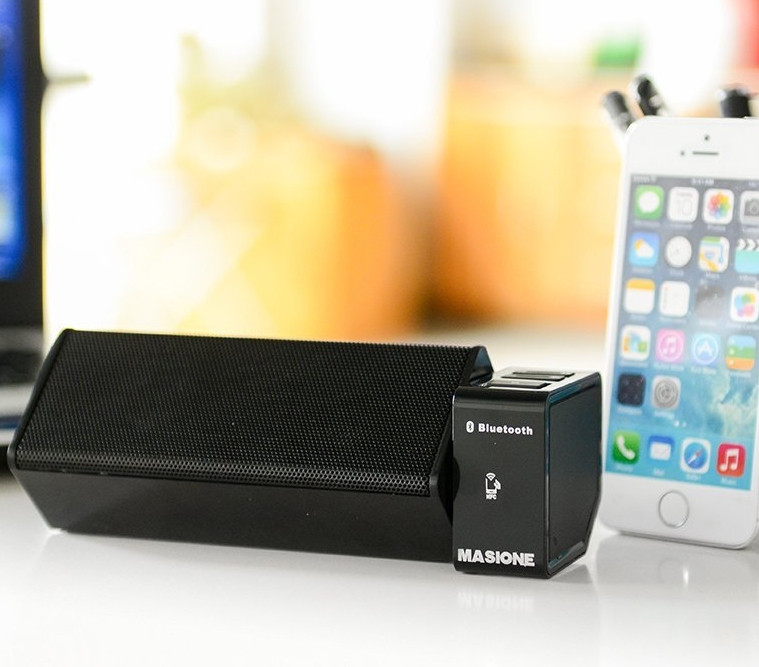
NFC speakers are rapidly becoming an integral part of our daily routines, enhancing the way we interact with sound and technology. Their convenience and ability to connect seamlessly with devices make them ideal for various scenarios. Whether at home or on the go, NFC speakers have diverse applications that can improve our audio experiences and streamline our activities.
One notable use case for NFC speakers is their integration into home automation systems. By connecting NFC speakers with smart home devices, users can control their environment with ease. For instance, an NFC speaker can be paired with smart lights, allowing users to adjust lighting conditions through simple audio commands or by tapping their NFC-enabled devices. This creates a personalized atmosphere for different occasions, such as movie nights or dinner parties. Additionally, integrating NFC speakers with home security systems can enhance safety. Users can receive alerts or listen to live feeds from security cameras directly through the speaker.
Integration with Home Automation Systems
The integration of NFC speakers into home automation systems demonstrates their versatility and convenience. Here are some ways these speakers can be incorporated into smart home environments:
- Voice Control: NFC speakers often come with built-in voice assistants, enabling users to control other smart devices hands-free. This feature allows for seamless interaction with appliances, thermostats, and entertainment systems.
- Multi-Room Audio: NFC speakers can be set up throughout a home to create a multi-room audio experience. This allows users to enjoy their favorite music or podcasts in any room, simply by tapping their devices to the speakers.
- Routine Automation: Users can create customized routines using NFC speakers. For example, a user can set up a morning routine where tapping their phone to the speaker turns on the coffee maker, plays the news, and adjusts the thermostat.
- Security Alerts: Home automation can be enhanced by connecting NFC speakers to security systems, allowing users to receive audio alerts or listen to announcements when someone is at the door.
Outdoor activities can also greatly benefit from portable NFC speakers, making them essential companions for various adventures. These speakers not only provide high-quality sound but are also designed to be durable and water-resistant, making them perfect for outdoor use.
Examples of Outdoor Activities Benefiting from Portable NFC Speakers
Using portable NFC speakers during outdoor activities enhances the experience by providing quality audio in various settings. Here are a few examples:
- Camping: Portable NFC speakers can serve as a source of entertainment around the campfire, playing music or audiobooks while creating a lively atmosphere for gatherings.
- Picnics: Whether at the park or a beach, NFC speakers can amplify the sounds of nature or a curated playlist, making picnics more enjoyable and vibrant.
- Hiking: On longer hikes, having a portable speaker allows hikers to listen to motivational podcasts or music, enhancing their experience as they explore nature.
- Outdoor Sports: Whether playing beach volleyball or having a backyard barbecue, NFC speakers can provide the soundtrack to keep energy levels high and foster a fun environment.
Incorporating NFC speakers into daily life not only streamlines audio interactions but also enhances various activities. Their adaptability in home automation and outdoor settings showcases their utility, making them valuable assets for anyone looking to elevate their audio experience.
Troubleshooting Common Issues with NFC Speakers
NFC speakers have gained immense popularity due to their ease of use and wireless capabilities. However, users may encounter some common issues that can affect their experience. Addressing these problems can not only enhance usability but also prolong the life of the device. Here we’ll delve into frequent issues users face and provide solid solutions to ensure an optimal audio experience.
Common Problems and Solutions
Users often experience a variety of issues with NFC speakers, ranging from connectivity problems to sound quality concerns. Here’s a look at some of the most frequent problems along with practical solutions.
1. NFC Connection Fails: One of the most common issues is when the NFC connection fails, preventing devices from pairing. This can often be resolved by ensuring that both devices—speaker and smartphone—have NFC enabled. Users should also check for any obstructions between the devices and try to bring them closer together. Restarting both devices can often clear temporary glitches that may cause connection issues.
2. Poor Sound Quality: If the sound quality from the NFC speaker is lacking, it may be due to several factors. Users should ensure that their audio source is of high quality (e.g., streaming from a lossless audio service) and that the speaker is not placed in a confined space, which can muffle sound. Cleaning the speaker’s ports and adjusting the equalizer settings on the audio source can also enhance audio performance.
3. Battery Issues: Battery life is a crucial aspect of portable NFC speakers. If users find that their battery drains quickly, it may be beneficial to check if the speaker is running any unnecessary background processes. Keeping the firmware updated can also optimize battery usage. Users should regularly charge their speakers and avoid exposing them to extreme temperatures, which can impact battery performance.
4. Incompatibility with Devices: Sometimes, users may find their NFC speaker is not compatible with their device. It is essential to check for software updates on both the speaker and the connected device. Compatibility issues often arise due to outdated firmware, which can be resolved by visiting the manufacturer’s website for any available updates.
5. Connection Drops: If the connection frequently drops, it could be due to interference from other devices. Users should ensure that the speaker is away from other electronic devices that may cause interference, such as microwaves or other wireless speakers. Additionally, updating the speaker’s firmware can resolve many connection stability issues.
Regular software updates not only introduce new features but also fix existing bugs that may cause performance issues.
Importance of Software Updates and Compatibility Checks
Software updates play a critical role in the performance and longevity of NFC speakers. Manufacturers often release updates to address bugs, improve audio quality, and enhance connectivity options. Ensuring that both the speaker and the device being connected are running on the latest software version can significantly reduce the likelihood of compatibility issues. Users should regularly check the manufacturer’s website or app for any available updates and install them promptly.
Compatibility checks are equally important. Not all devices are compatible with every NFC speaker, and using an incompatible device can lead to connection issues or degraded sound quality. Consulting the user manual or the manufacturer’s support page can provide information on compatible devices, ensuring a smooth and enjoyable user experience.
Maintenance Tips for Optimal Performance
Maintaining NFC speakers requires a combination of regular cleaning, appropriate handling, and proper use. Here are some effective tips for keeping NFC speakers in top condition.
1. Regular Cleaning: Dust and debris can accumulate on the speaker’s surface and ports, affecting sound quality and connectivity. Use a soft, dry cloth to wipe down the exterior and a small brush or can of compressed air for hard-to-reach areas.
2. Avoid Extreme Conditions: Exposure to extreme temperatures, humidity, or moisture can damage your speaker. Always store it in a dry, temperature-controlled environment and avoid using it in wet conditions unless it’s specifically designed to be water-resistant.
3. Careful Handling: Treat your NFC speaker with care. Avoid dropping it or subjecting it to impacts that could damage internal components. Using a protective case can help safeguard the speaker from accidental damage.
4. Proper Charging Practices: To prolong battery life, avoid letting the battery drain completely before recharging. Frequent short charging sessions are preferable over letting the battery deplete and then charging it fully.
By following these guidelines, users can troubleshoot common issues effectively, ensure their NFC speakers operate smoothly, and maintain them for long-lasting enjoyment of high-quality audio.
Future Trends in NFC Technology for Audio Devices
NFC (Near Field Communication) technology has seen significant evolution in recent years, especially in the audio industry. As we look ahead, the potential advancements in NFC technology promise to revolutionize how users interact with audio devices. These changes can enhance user experience and create new opportunities for innovation within the sector.
With the growing demand for seamless connectivity and the need for intuitive interaction, emerging technologies like artificial intelligence (AI) are set to integrate closely with NFC speakers. This convergence can lead to smarter audio devices capable of personalizing listening experiences based on individual preferences. AI algorithms can analyze user behavior, adjusting audio settings automatically for optimal sound quality based on the listener’s environment. For example, an NFC speaker could detect when someone enters a room and automatically play their favorite playlist or adjust its volume based on ambient noise levels.
Integration of AI with NFC Speakers
The integration of AI with NFC technology in audio devices opens up numerous possibilities for enhanced functionality. Here are several noteworthy advancements that could reshape the landscape of NFC speakers:
- Voice Recognition: AI-powered voice assistants can enhance the interaction between users and NFC speakers. Users can activate speakers with voice commands, manage playlists, and control volume without needing to physically interact with the device, which is particularly useful in hands-free situations.
- Personalized Recommendations: By analyzing listening habits and preferences, AI can provide tailored music or podcast suggestions. This feature could elevate the user experience by making it more intuitive and relevant.
- Smart Home Integration: NFC speakers could interact seamlessly with other smart home devices, allowing users to control lighting, temperature, and security through voice commands or NFC-enabled gestures, creating a centralized smart environment.
- Adaptive Sound Technology: AI can help NFC speakers adjust sound profiles based on the room’s acoustics, ensuring optimal audio quality. This is particularly important for users who listen in varying environments, from quiet home settings to noisy public spaces.
User feedback trends are also shaping the next generation of NFC speakers. Manufacturers are increasingly prioritizing customer insights to refine their products. Here are some key trends identified from user feedback:
- Compact Design: Users have expressed a preference for sleek, portable designs that do not sacrifice sound quality. This trend has led manufacturers to develop smaller yet powerful NFC speakers that are easy to transport without compromising performance.
- Battery Life Improvements: There is a growing demand for longer battery life in NFC speakers. Users want devices that can go beyond just a few hours of playback, leading to innovations in battery technology and energy efficiency.
- Multi-Room Audio: The ability to connect multiple speakers throughout a home for synchronized audio playback is increasingly popular. Users appreciate the seamless transition of sound from room to room without interruptions.
- Durable and Weather-Resistant Options: With the rise of outdoor activities, users are looking for NFC speakers that can withstand various elements. Feedback has driven companies to create models that are rugged and suitable for outdoor use.
As NFC technology continues to evolve, its integration with AI and responsiveness to user feedback will undoubtedly shape the future of audio devices, making them more intelligent, intuitive, and user-friendly.
Conclusive Thoughts
In summary, NFC speakers are revolutionizing the way we interact with audio technology, making it simpler and more enjoyable than ever. As we continue to embrace advancements in NFC technology, the future looks bright for audio devices that prioritize user experience and connectivity. With the right combination of features and innovations, NFC speakers are set to elevate our audio experiences and integrate seamlessly into our daily routines.
Essential Questionnaire
What is NFC technology?
NFC, or Near Field Communication, is a wireless communication technology that allows devices to exchange data over short distances, typically within a few centimeters.
How do NFC speakers work?
NFC speakers use NFC technology to establish a quick and easy connection with compatible devices, allowing users to stream audio without the need for complicated pairing procedures.
Are NFC speakers compatible with all devices?
While most modern smartphones and tablets support NFC, not all devices do. It’s essential to check the compatibility of your device before using an NFC speaker.
Can I use NFC speakers for phone calls?
Yes, many NFC speakers come equipped with built-in microphones, enabling users to take phone calls hands-free through the speaker.
Do NFC speakers offer better sound quality?
NFC speakers often provide enhanced sound quality compared to non-NFC models, as they may incorporate advanced audio technologies and better components.