
 Zoe Nora
App-controlled audio is transforming the way we experience sound, merging technology with convenience to create an immersive listening environment. This innovative approach allows users to control their audio settings directly from their smartphones or tablets, providing a seamless integration of music, podcasts, and other audio content into daily life. As we delve into the evolution of audio technology, it becomes clear how app-controlled systems emerged, driven by advancements in wireless connectivity and smart device capabilities.
From streaming services to smart speakers, the rise of app-controlled audio has redefined user interaction with sound. The technology not only enhances audio quality but also offers personalization options that cater to individual preferences. By understanding how these systems function, we can appreciate the multitude of benefits they bring, from ease of use to enhanced sound experiences in various settings.
Understanding the Concept of App-controlled Audio
App-controlled audio refers to audio systems that can be manipulated and controlled through dedicated mobile applications. This technology represents a significant advancement in how we interact with sound, enabling users to manage their audio experiences seamlessly from their smartphones or tablets. With the integration of Wi-Fi and Bluetooth technologies, app-controlled audio systems allow for a broad range of functionalities, including volume adjustments, playlist selections, and even sound quality modifications, all with the touch of a finger.
The evolution of audio technology has been a journey from analog to digital formats, with each advancement paving the way for improved user experiences. Initially, audio systems were purely mechanical, relying on physical controls and manual inputs. With the rise of digital technology in the late 20th century, audio systems transitioned to include CD players and digital audio formats. The introduction of the internet and mobile technology has further transformed this landscape, leading to the development of app-controlled systems that offer unparalleled convenience and functionality. Today, app-controlled audio is at the forefront of the audio revolution, integrating smart technology into everyday life.
Key components that enable app-controlled audio experiences include the following:
Essential Components of App-controlled Audio Systems
Understanding the building blocks of app-controlled audio systems provides insight into their functionality and user appeal. The following components are integral:
- Mobile Applications: These are the user interfaces that allow for remote control of audio devices. They often feature intuitive designs, enabling users to navigate easily through playlists, settings, and various audio sources.
- Wi-Fi and Bluetooth Connectivity: These technologies establish the communication link between the mobile device and the audio system, allowing for wireless streaming and control.
- Digital Signal Processors (DSP): These components enhance sound quality and enable features like equalization, surround sound, and audio effects, ensuring a rich listening experience.
- Smart Speakers: Devices like Amazon Echo or Google Home serve as hubs that integrate with app-controlled audio systems, providing voice command capabilities and smart home integration.
- Streaming Services: Access to platforms like Spotify, Apple Music, or Tidal via the app enhances the music experience by providing vast libraries and personalized recommendations.
The convergence of these technologies not only enhances the listening experience but also aligns it with the modern lifestyle’s demand for connectivity and convenience.
The Benefits of Utilizing App-controlled Audio Systems
App-controlled audio systems represent a significant evolution in audio technology, reshaping how we experience sound in our daily lives. Unlike traditional audio systems, which often require manual adjustments or physical remotes, app-controlled systems provide users with seamless integration and enhanced control through their smartphones or tablets. This innovation not only simplifies the user experience but also offers a range of benefits that cater to modern lifestyles.
One of the primary benefits of utilizing app-controlled audio systems is the convenience they provide. With a simple tap on a smartphone, users can adjust volume levels, switch tracks, and even select different audio sources without needing to move from their current location. For instance, while cooking in the kitchen, one can easily switch from a podcast to a playlist with just a few taps, creating an uninterrupted flow of audio entertainment. Additionally, many app-controlled systems come with features like voice control and automation, allowing users to set schedules for playback or activate playlists just by using voice commands.
Enhanced User Experience Through Versatility
The versatility of app-controlled audio systems dramatically enhances the user experience. These systems often support multi-room audio configurations, enabling users to play different audio in various rooms or synchronize playback across the entire house. This feature is particularly beneficial for gatherings or parties, where each room can have a different ambiance tailored to the mood. For example, the living room can play upbeat music for socializing, while the study can have calming instrumental tracks for those who prefer a quieter environment.
Moreover, app-controlled audio systems frequently integrate with smart home ecosystems. This allows users to control their audio settings alongside other smart devices such as lighting and temperature. Imagine walking into a home where the lights dim, and your favorite playlist begins to play automatically as you enter—this level of integration creates a cohesive and enjoyable atmosphere.
Cost-effectiveness of App-controlled Audio Systems
When considering the cost-effectiveness of app-controlled audio systems compared to traditional setups, it becomes clear that the modern solutions often provide more value. While traditional audio systems may have lower initial costs, the long-term savings and added functionalities make app-controlled systems a more economical choice. For instance, app-controlled speakers often include built-in streaming services, negating the need for additional devices or subscriptions.
Additionally, the scalability of app-controlled systems allows users to start with one speaker and gradually expand their setup as needed, which is often more financially manageable than investing in a complete traditional audio system upfront. Users can also avoid the costs associated with complicated wiring and installation services since many app-controlled systems are designed for easy setup and integration.
In summary, app-controlled audio systems offer unparalleled convenience, enhanced versatility, and long-term cost benefits, making them an ideal choice for both casual listeners and audiophiles alike. By leveraging technology, these systems bring a richer, more customized audio experience that fits seamlessly into the rhythm of everyday life.
Popular Devices and Applications in App-controlled Audio
The rise of app-controlled audio devices has transformed the way we experience sound, providing users with unprecedented control over their audio environments. From smart speakers to advanced home theater systems, these devices enable seamless integration with mobile applications, allowing for effortless management of audio settings and preferences. As technology advances, the variety of devices and applications available continues to expand, offering a wide range of features tailored to different user needs.
Popular App-controlled Audio Devices
A diverse selection of app-controlled audio devices caters to various preferences, ranging from casual listeners to audiophiles. Each device comes with unique features that enhance user experience and convenience.
- Sonos One: This smart speaker combines voice control with exceptional sound quality. Users can easily adjust volume, play music from various streaming services, and group multiple speakers through the Sonos app.
- Bose SoundTouch 30: Known for its rich audio performance, this device connects to the SoundTouch app for personalized music streaming, presets, and multi-room audio capabilities.
- Amazon Echo Studio: A robust smart speaker equipped with Dolby Atmos technology, it allows users to control music playback using voice commands while integrating with the Alexa app for advanced features.
- Google Nest Audio: This speaker provides excellent sound quality and integrates seamlessly with the Google Home app, enabling users to manage their audio settings and connect with other smart devices.
- Apple HomePod mini: This compact smart speaker offers deep integration with Apple Music and Siri, allowing users to control audio playback and smart home devices using the Apple Home app.
- Audioengine B2: A versatile Bluetooth speaker that supports high-resolution audio streaming, the B2 can be controlled via the Audioengine app, providing options for EQ adjustments and playback settings.
Applications for Audio Control
Numerous applications enhance the functionality of app-controlled audio devices, offering features that cater to user preferences across different platforms.
- Spotify: This widely-used music streaming service allows users to create playlists, discover new music, and control playback on various compatible devices through the Spotify app.
- Apple Music: A comprehensive music library that integrates with iOS devices, users can manage their audio settings, listen offline, and personalize playlists through the Apple Music app.
- Sonos App: Specifically designed for Sonos devices, this app allows users to group speakers, control playback, and access multiple music services from one central location.
- Bose Music App: This app provides users with the ability to manage their Bose speakers, customize sound settings, and access a variety of music services.
- Google Home App: Users can manage their Google Nest devices, adjust audio settings, and create routines for smart home integration through this intuitive app.
User Experiences and Testimonials
Many users have shared positive experiences with app-controlled audio devices, often praising the convenience, sound quality, and the seamless integration of features.
“The Sonos One has fundamentally changed how I enjoy music at home. The app is user-friendly, and I love being able to control multiple speakers from one place.” – Jessica R.
“Using the Bose SoundTouch app, I can easily access my favorite playlists and set the mood for any occasion. The sound quality is simply outstanding!” – Mark T.
“The Alexa integration with the Echo Studio makes it easy to play music, check the news, and control my smart home devices without lifting a finger.” – Sarah L.
“I appreciate how the Google Home app allows me to manage my audio settings while also controlling my smart home. It’s all in one place!” – David K.
Security Concerns and Privacy Issues with App-controlled Audio
The rise of app-controlled audio systems has brought convenience to our daily lives, enabling users to control their devices remotely. However, this convenience comes with significant security vulnerabilities and privacy concerns that users must be aware of. The integration of smart audio devices into our homes means that personal data and sensitive information can be exposed to potential cyber threats, making it essential for users to understand these risks and the necessary safeguards.
Potential Security Vulnerabilities
App-controlled audio systems often connect to the internet and utilize cloud services, which can expose them to various security threats. These vulnerabilities can manifest in several ways, including unauthorized access to personal information and control over the device itself. Common security concerns include:
- Weak Passwords: Many users tend to use default passwords or weak combinations, which are easily exploitable by hackers. A strong, unique password is crucial for protecting access to devices.
- Insecure Networks: Connecting devices to unsecured Wi-Fi networks can lead to interception of data packets, allowing cybercriminals to access sensitive information.
- Outdated Software: Failing to regularly update app-controlled audio software can leave devices vulnerable to known exploits. Manufacturers frequently release updates to patch security flaws.
- Data Breaches: App-controlled audio systems often collect user data for functionality improvements. If these systems are compromised, sensitive data can be stolen.
“The security of app-controlled audio devices relies heavily on user awareness and proactive measures.”
Measures to Enhance Security
To mitigate the risks associated with app-controlled audio systems, users can take several proactive measures. Implementing these best practices can significantly enhance the security of such devices:
- Change Default Credentials: Immediately change any default usernames and passwords upon setup. Opt for complex passwords that combine letters, numbers, and symbols.
- Secure Wi-Fi Connections: Use a strong, encrypted Wi-Fi protocol (WPA3, if available) and avoid connecting devices to public Wi-Fi networks.
- Regular Software Updates: Enable automatic updates or regularly check for software updates to ensure devices are protected against known vulnerabilities.
- Use Two-Factor Authentication: Whenever available, enable two-factor authentication for an extra layer of security when logging into app-controlled systems.
Common Privacy Issues
The integration of app-controlled audio systems raises significant privacy concerns that can affect user trust. These issues primarily revolve around data collection and user monitoring. Audio devices may record conversations inadvertently, leading to potential misuse of personal data. Examples of privacy issues include:
- Data Collection: Many app-controlled audio systems continuously collect data to personalize user experience. This data can include voice recordings, user preferences, and search history, potentially leading to breaches of user privacy.
- Third-Party Sharing: Users may unknowingly consent to their data being shared with third-party companies for targeted advertising, which can further erode trust.
- Lack of Transparency: Users may not always be aware of what data is being collected or how it is used. This lack of clarity can deter individuals from fully utilizing smart audio technologies.
“Privacy issues in app-controlled audio systems can significantly undermine the user’s trust in technology.”
The Future of App-controlled Audio Technology
As we look towards the future of app-controlled audio technology, several trends and innovations are expected to emerge over the next five years. This evolution is driven by advancements in connectivity, user experience design, and the integration of artificial intelligence. These developments will not only enhance how users interact with audio systems but also shape the very soundscape of our daily lives.
Predicted Trends in App-controlled Audio
The next five years will witness transformative trends in app-controlled audio that will redefine user experiences. Several key areas are likely to see significant advancements:
- Increased Personalization: Apps will leverage user data to create tailored audio experiences, allowing for customized playlists and recommendations based on individual listening habits.
- Seamless Multi-Device Integration: Future audio systems will effortlessly connect across various devices, enabling users to switch from speakers to headphones without interrupting their listening experience.
- Enhanced Connectivity: The implementation of advanced protocols like Bluetooth 5.0 and Wi-Fi 6 will enable faster, more reliable connections, reducing latency and improving sound quality.
- Expanded Voice Control: Voice assistant integration will become more robust, allowing for complex commands and interactions, making the user experience more intuitive.
- Sustainability in Design: Future apps will focus on eco-friendly practices, such as energy-efficient audio systems and sustainable materials in hardware design, appealing to environmentally conscious consumers.
Artificial Intelligence and Machine Learning’s Role
Artificial intelligence and machine learning are set to be pivotal in shaping the future of app-controlled audio experiences. These technologies will enable systems to learn and adapt to user preferences over time, creating a more engaging listening environment.
“AI algorithms will analyze user interactions to provide predictive recommendations, enhancing the overall audio experience.”
Key applications of AI and machine learning in app-controlled audio include:
- Smart Equalization: AI can automatically adjust audio settings based on the acoustics of the room and user preferences, ensuring optimal sound quality.
- Sentiment Analysis: Future audio applications may use machine learning to analyze the emotional tone of users’ feedback, allowing developers to refine features and improve satisfaction.
- Voice Recognition Improvements: Enhanced voice recognition will allow for more accurate responses to commands, reducing misunderstandings and streamlining user interactions.
- Context-Aware Features: AI will enable audio apps to understand context better, such as automatically adjusting the volume based on ambient noise levels or the user’s activity.
Innovations to Improve User Interaction
Developers are continuously pushing the boundaries to innovate and enhance user interaction with audio systems. The following innovations are key to creating more engaging and user-friendly experiences:
- Gesture Control: Future applications may enable control of audio playback through intuitive gestures, allowing users to interact without needing physical contact with their devices.
- Augmented Reality Integration: Combining AR with audio experiences can create immersive environments where soundscapes adapt as users move through spaces.
- Collaborative Listening Features: Apps will likely introduce features that allow friends to listen to music together remotely, fostering social connections through shared experiences.
- Enhanced User Interfaces: Developers will focus on creating more intuitive and visually appealing user interfaces that simplify navigation and control of audio settings.
User Interface Design Principles for App-controlled Audio Applications

The user interface (UI) design of app-controlled audio applications plays a crucial role in determining the overall user experience. A well-designed UI not only enhances usability but also fosters engagement and enjoyment while using the app. The following design principles, when applied effectively, can significantly improve user experience in audio applications.
One fundamental principle in UI design is simplicity. An intuitive and uncomplicated interface allows users to navigate the app easily without confusion. This can be achieved through clean layouts and minimalistic design, ensuring that essential features are easily accessible.
Essential Design Principles
To effectively enhance user experience in app-controlled audio applications, consider the following design principles:
- Consistency: Using uniform elements throughout the app creates familiarity for the user. For example, Spotify maintains consistent button styles and color schemes, making it easy for users to navigate between different sections.
- Feedback: Providing immediate feedback when users interact with the app helps build trust and enhances engagement. Apple Music, for instance, uses animations and sound effects to confirm actions like adding songs to playlists.
- Accessibility: Designing for accessibility ensures that all users, including those with disabilities, can effectively use the app. SoundCloud offers features like voice commands and adjustable text sizes for enhanced usability.
- Visual Hierarchy: Using size, color, and placement to prioritize content helps users quickly find what they need. For instance, YouTube Music employs a hierarchy in its layout, where album art and song titles are prominently displayed.
- Customization: Allowing users to personalize their audio settings leads to a more tailored experience. Tidal provides users with options to change audio quality and interface colors, enhancing user satisfaction.
When navigating an app-controlled audio application, users should be aware of various features to customize their audio experience effectively.
Customization options can significantly enhance user satisfaction and engagement in audio applications.
Understanding how to utilize these features can lead to a more enjoyable listening experience. For effective navigation, users should explore sections like settings menus, where they can adjust audio quality, equalizer settings, and playback options. Familiarizing themselves with shortcuts and gestures can also streamline their interactions, making the overall experience more fluid and enjoyable.
Troubleshooting Common Issues in App-controlled Audio Systems
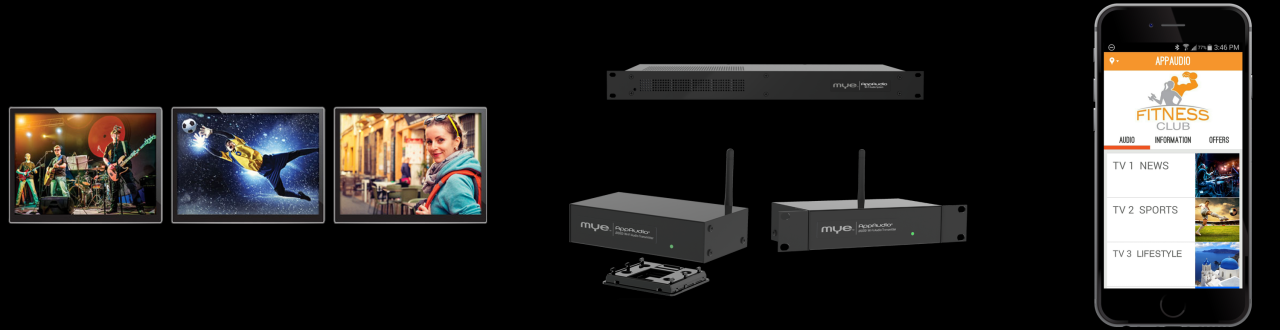
App-controlled audio systems have revolutionized how we experience sound, but they can encounter various issues that might disrupt your listening experience. Understanding these common problems and their solutions can help you enjoy seamless audio streaming. This section will cover typical challenges users face, the importance of regular updates, and additional resources for troubleshooting advanced issues.
Common Problems and Troubleshooting Steps
It’s essential to address issues promptly to maintain a smooth experience with your app-controlled audio system. Below are some of the most frequently encountered problems along with step-by-step solutions.
- Connection Issues: Users often experience difficulty connecting their app to the audio system.
- Ensure your device and audio system are connected to the same Wi-Fi network.
- Restart both the audio device and your smartphone or tablet to reset the connection.
- Check for any network issues or router malfunctions.
- Audio Lag: Delays in audio playback can be frustrating.
- Reduce the distance between your device and the audio system.
- Close any background apps on your device that may be using bandwidth.
- Consider switching from Wi-Fi to a wired connection for better stability.
- App Crashes: The app might crash or become unresponsive.
- Ensure that the app is updated to the latest version available.
- Clear the app cache through your device settings.
- If issues persist, uninstall and reinstall the app.
Importance of Regular Updates and Maintenance
Keeping your app-controlled audio system and its app updated is crucial for optimal performance. Regular updates may introduce new features, improve functionality, and address security vulnerabilities. Maintenance should also include periodic checks on:
- The audio system’s firmware to ensure compatibility with the latest app versions.
- Network settings, as internet speeds and stability can change over time.
- The app’s permissions and settings to make sure they align with user preferences.
“Regular updates not only enhance performance but also protect your device from potential security risks.”
Resources for Advanced Troubleshooting
For users facing complex issues that standard troubleshooting cannot resolve, there are several resources available:
- Manufacturer’s Support Page: Most manufacturers provide comprehensive support sections with FAQs and troubleshooting guides.
- User Forums: Online forums, such as Reddit or specialized audio community sites, are invaluable for sharing experiences and solutions with other users.
- Social Media Groups: Joining groups on platforms like Facebook or Discord can provide real-time help and advice from fellow users.
Final Conclusion
In summary, app-controlled audio stands at the forefront of audio technology, blending convenience with innovation. As we look to the future, the integration of artificial intelligence and machine learning promises to further enhance user experiences, making audio interaction more intuitive than ever. By embracing these advancements, users can enjoy a more tailored and engaging auditory experience, ensuring that the world of sound continues to evolve in exciting ways.
Q&A
What devices support app-controlled audio?
Many devices support app-controlled audio, including smart speakers, headphones, soundbars, and even home theater systems, allowing for a diverse range of audio management options.
How does app-controlled audio improve user experience?
App-controlled audio enhances user experience by offering personalized settings, easy accessibility, and streamlined control over music and audio sources from a mobile device.
Are app-controlled audio systems secure?
While there are potential security vulnerabilities, users can enhance device security by regularly updating software, changing default passwords, and utilizing secure networks.
Can I use multiple apps for app-controlled audio?
Yes, many app-controlled audio systems are compatible with multiple applications, allowing users to choose their preferred platforms for music playback and audio management.
What is the future of app-controlled audio technology?
The future of app-controlled audio technology includes trends like improved user interfaces, integration of AI for smarter sound customization, and advancements in home automation for seamless experiences.