
 Zoe Nora
Diving into the world of home entertainment, the DTS:X soundbar stands out as a revolutionary advancement in audio technology, bringing cinematic sound right into your living room.
With its roots deeply embedded in the evolution of sound technology, DTS:X soundbars utilize cutting-edge immersive audio formats to deliver an unparalleled experience that transforms how we enjoy movies, music, and gaming. From the transition of traditional sound systems to sleek, modern soundbars, this innovation represents a significant leap forward in home theater systems.
The Evolution of Sound Technology Leading to DTS:X
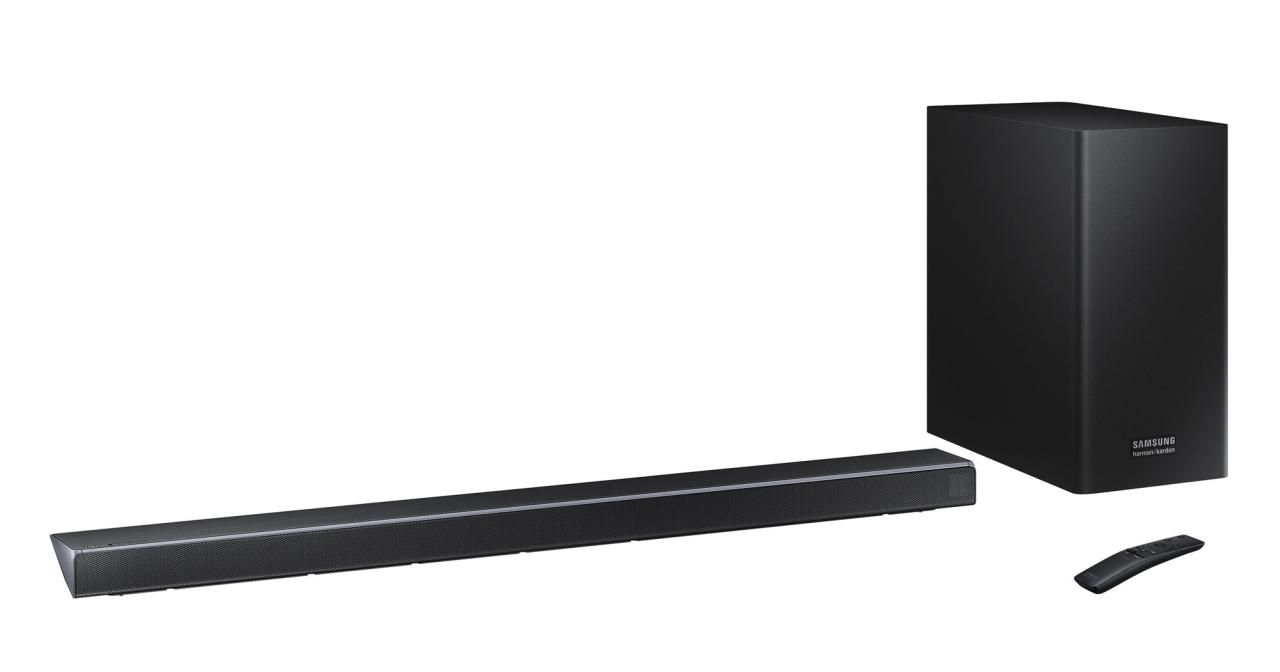
The journey of sound technology in home entertainment has been nothing short of revolutionary, transforming the way we experience audio in our living rooms. Initially dominated by mono sound, the demand for immersive experiences spurred innovations that led to the development of various sound formats, culminating in the advanced capabilities of DTS:X soundbars. This evolution not only reflects technological advancement but also highlights changing consumer expectations in audio fidelity and surround sound experiences.
As home entertainment systems evolved, significant advancements were made in surround sound formats, paving the way for a more immersive audio experience. The introduction of stereo sound in the 1960s was a pivotal moment, allowing for sound to be perceived from different directions. This laid the groundwork for multi-channel audio systems, such as Dolby Surround and later Dolby Digital, which enhanced the home cinema experience. DTS, established in the late 1990s, introduced its own formats to compete, ultimately leading to the creation of DTS:X. This object-based audio technology allows sound designers greater flexibility, enabling audio elements to be placed in a three-dimensional space, thus providing a more realistic and spatial listening experience that traditional surround sound formats could not achieve.
Key Milestones in Sound Technology
Several milestones mark the transition from traditional sound systems to modern soundbars, illustrating the strides in audio technology and design. These milestones include:
- Introduction of Stereo Sound: The shift from mono to stereo in the 1960s initiated the first significant change in audio perception, making sound more immersive.
- Development of Multi-Channel Formats: The 1990s saw the rise of multi-channel audio formats like Dolby Digital and DTS, enhancing the home theater experience.
- Emergence of Object-Based Audio: DTS:X introduced object-based audio technology, allowing sound to be placed and moved around in a three-dimensional space, revolutionizing audio design.
- Advent of Soundbars: The early 2000s saw the introduction of soundbars, providing a sleek, space-saving alternative to traditional surround sound systems while offering improved audio quality.
- Integration of Wireless Technology: The incorporation of Bluetooth and Wi-Fi in soundbars has made them more versatile, allowing for seamless connectivity with various devices.
The significance of these milestones is underscored by the shift in consumer preferences towards compact, powerful audio solutions that do not compromise on sound quality. DTS:X soundbars exemplify this trend, offering an impressive audio experience without the complexity of multi-speaker setups.
“The evolution of audio technology has redefined the home entertainment experience, merging convenience with high-fidelity sound.”
Understanding the Technical Specifications of DTS:X
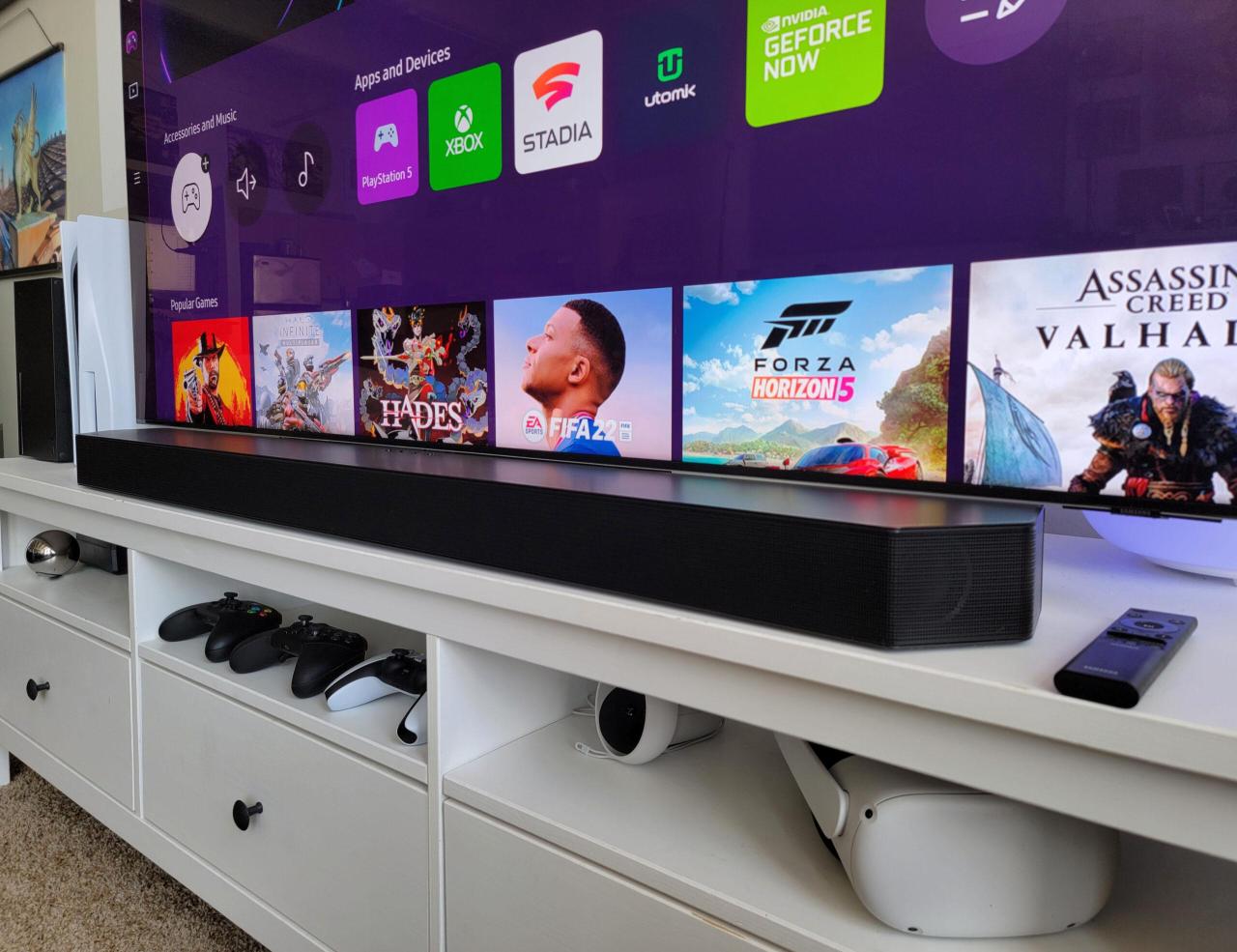
DTS:X soundbars represent a leap forward in audio technology, designed to bring a cinematic experience into the comfort of your home. These soundbars utilize advanced audio processing to deliver immersive audio that transcends traditional stereo sound. Understanding the technical specifications of these devices is crucial for consumers looking to elevate their home entertainment systems.
One of the major advancements in audio technology is the development of immersive audio formats, with DTS:X being a standout example. This format allows sound to be treated as a three-dimensional object, providing an audio experience that matches the intensity of visuals. Unlike conventional surround sound systems, which are channel-based, DTS:X creates a more natural sound environment by placing audio elements in a three-dimensional space.
Essential Technical Features of DTS:X Soundbars
When considering a DTS:X soundbar, it’s important to look at the specifications that define their performance. Below is a discussion of essential technical features:
- Audio Channels: DTS:X soundbars typically feature multiple audio channels, allowing for a more expansive and immersive soundstage. Popular configurations include 3.1.2 and 5.1.2 setups, where the numbers indicate the number of channels and subwoofers used.
- Dolby Atmos Compatibility: Many DTS:X soundbars also support Dolby Atmos, enhancing the immersive experience by adding height channels that create a sound from above.
- Built-in Subwoofers: Integrated subwoofers provide powerful bass response without requiring additional components, making setup more convenient.
- Wireless Connectivity: Features such as Bluetooth and Wi-Fi allow for easy streaming from various devices, enhancing usability and flexibility.
- Room Calibration Technology: Many soundbars include automatic calibration systems that analyze the room acoustics and adjust the audio output for optimal performance.
Comparative Analysis of Popular DTS:X Soundbars
To help you make an informed decision, here’s a comparison of several popular DTS:X soundbars currently available on the market. This comparison highlights their key features and specifications.
| Model | Channels | Power Output | Connectivity | Special Features |
|---|---|---|---|---|
| Samsung HW-Q950A | 11.1.4 | 546W | Wi-Fi, Bluetooth, HDMI eARC | Adaptive Sound, Q-Symphony |
| Sonos Arc | 5.0.2 | 300W | Wi-Fi, HDMI eARC | Trueplay, Voice Control |
| LG SN11RG | 7.1.4 | 770W | Wi-Fi, Bluetooth, HDMI eARC | AI Sound Pro, Meridian Technology |
“DTS:X allows for sound to be experienced as a three-dimensional object, enhancing the listener’s immersion in their audio journey.”
Exploring the Benefits of DTS:X Soundbars for Home Theater Systems
Integrating a DTS:X soundbar into a home theater system significantly elevates the audio experience, making it a prime choice for both casual viewers and audiophiles alike. This immersive sound technology offers a multi-dimensional audio environment, which can transform your living room into a cinema-like experience. With DTS:X, sound is no longer just heard; it envelops you, creating a more engaging and realistic atmosphere.
DTS:X soundbars leverage object-based audio technology, allowing sounds to be placed and moved anywhere in a three-dimensional space. This contrasts sharply with traditional sound systems, which typically rely on channel-based audio. The result is a more lifelike auditory experience, whether you’re watching an action-packed blockbuster or enjoying your favorite music playlist. For instance, during a movie scene where an airplane flies overhead, the DTS:X soundbar can create the sensation of the aircraft actually passing above you, enhancing the overall engagement with the film.
Advantages of DTS:X Soundbars
When considering the incorporation of a DTS:X soundbar into your home theater setup, several key advantages stand out. These benefits help highlight why this technology is an excellent investment for any modern entertainment system:
- Immersive Audio Experience: The ability to create a multi-dimensional sound environment invites viewers into the story, making them feel as if they are part of the action. This is especially notable in films with intricate sound design, where every element, from whispers to roars, can be distinctly placed in the sound field.
- Versatility: DTS:X soundbars are designed to work with various types of content, including movies, music, and games. In music playback, for example, the sound can wrap around the listener, providing a concert-like feel that traditional stereo systems cannot achieve.
- Ease of Setup: Setting up a DTS:X soundbar is generally straightforward and user-friendly. Many models feature wireless connectivity options, making installation a seamless experience without the need for complex wiring. Most soundbars can be easily mounted on walls or placed on a shelf, complementing the living space.
- Adaptive Sound Technology: DTS:X adjusts the audio output based on the acoustics of the room. This means that regardless of where you’re seated, you will experience consistent, high-quality sound. This feature benefits both small and large rooms, ensuring you receive the best audio experience possible.
- Future-Proofing: As content continues to evolve with advancements in audio technology, investing in a DTS:X soundbar ensures compatibility with upcoming audio formats and services. This longevity makes it a sound investment for any home theater enthusiast.
In summary, the incorporation of a DTS:X soundbar transforms home audio systems into immersive environments that enhance movie watching, music enjoyment, and gaming. With its user-friendly setup and adaptability to various content types, this technology provides significant advantages over traditional sound systems.
Comparing DTS:X Soundbars to Other Audio Formats
DTS:X soundbars have emerged as a competitive audio format, especially when juxtaposed with alternatives like Dolby Atmos. Understanding the distinctions and unique features of these systems can significantly enhance your audio experience depending on your media consumption preferences.
DTS:X stands out for its object-based audio technology, which allows sounds to be placed and moved in a three-dimensional space, creating an immersive listening experience. This technology contrasts with traditional channel-based formats, where sound is limited to specific speaker outputs. DTS:X does not require specific speaker configurations, giving users the freedom to enjoy spatial audio in various setups. In contrast, Dolby Atmos, another leading format, requires a specific speaker layout to deliver its full potential.
Unique Features of DTS:X
DTS:X incorporates several distinctive features that differentiate it from competitors, enhancing its appeal to various audiences.
One key distinction is the flexibility in speaker placement. Unlike Dolby Atmos, which typically benefits from a more complex installation involving ceiling speakers or upward-firing modules, DTS:X can function effectively with standard surround sound setups. This makes it accessible for users who may not want to invest in extensive audio equipment.
Another notable feature is the ability to adjust audio elements based on user preferences. DTS:X includes a feature called “DTS:X Neural:” which allows for upmixing traditional stereo or surround audio into an immersive experience without altering the original sound quality. This capability ensures that users can enjoy a wide range of content, including older films and music, with enhanced audio fidelity.
The ability to personalize the audio experience adds to DTS:X’s attractiveness, making it suitable for various types of media consumption. For instance:
- Movies and TV Shows: For cinematic experiences, DTS:X excels in action-packed films that utilize its object-based audio for dynamic soundscapes.
- Music: Music lovers can appreciate the upmixing feature, which enriches stereo tracks by positioning instruments and vocals in a three-dimensional sound field.
- Gaming: Gamers benefit from DTS:X’s immersive audio capabilities, allowing for realistic sound placement during gameplay, enhancing situational awareness.
“The immersive capabilities of DTS:X can elevate your media experience, regardless of the type of content being consumed.”
In conclusion, while both DTS:X and Dolby Atmos offer immersive audio experiences, the flexibility and personalization of DTS:X make it a compelling option for a variety of media consumption needs, particularly for those who prioritize ease of setup and versatility.
Installation and Setup Tips for DTS:X Soundbars
Setting up a DTS:X soundbar can significantly enhance your audio experience by immersing you in 3D sound. This guide will provide you with step-by-step instructions for installation, common obstacles you might encounter, and recommended configurations for various room sizes to achieve optimal performance.
Step-by-Step Installation Guide
Installing a DTS:X soundbar is a straightforward process, but it requires attention to detail to ensure the best audio quality. Here are the steps to follow:
1. Choose the Right Location: Select a spot near your TV and electrical outlet, ideally at ear level when seated for the best sound experience.
2. Mounting the Soundbar: If you plan to mount it, use the appropriate wall brackets. Ensure the soundbar is securely fixed and level.
3. Connect to Power: Plug in the power adapter to the soundbar and connect it to a nearby electrical outlet.
4. Connect to TV: Use an HDMI cable to connect the soundbar to the HDMI ARC port on your TV. Alternatively, you can use an optical cable if your TV does not support HDMI ARC.
5. Configure Audio Settings: Access your TV’s audio settings and set the audio output to the soundbar to ensure the best sound quality.
6. Connect Other Devices: If you have other devices (like a gaming console or Blu-ray player), connect them to the soundbar through the available HDMI inputs.
7. Run Calibration: Use any built-in calibration tools in the soundbar to optimize audio settings for your room.
Common Installation Issues and Resolutions
While installing your DTS:X soundbar, you may run into several issues. Here are some common problems and their solutions:
– No Sound Output: Check that the soundbar is set as the default audio output in your TV settings and that all connections are secure.
– Audio Sync Issues: If audio lags behind the video, adjust the lip-sync settings on your soundbar or TV to align the audio with the video.
– Interference with Wireless Connections: Ensure the soundbar is not too close to other electronic devices that might cause interference. Consider relocating your router or soundbar if issues persist.
Recommended Configurations for Optimal Audio Performance
The configuration of your soundbar can greatly influence audio quality, especially in different room sizes. Here’s how to optimize performance based on room dimensions:
– Small Rooms (up to 200 sq ft): Place the soundbar directly in front of your seating area, and consider using a wall-mount for enhanced sound clarity. Configure the soundbar to emphasize dialogue for better vocal clarity.
– Medium Rooms (200-400 sq ft): Position the soundbar at ear level and adjust the surround sound settings to create a balanced audio environment. Using DTS:X height channels will improve immersive sound experience.
– Large Rooms (over 400 sq ft): Utilize a combination of the soundbar with additional speakers for a fuller soundstage. Ensure that the soundbar is positioned centrally and use a subwoofer to handle low frequencies effectively.
“For best performance, always ensure that your soundbar software is updated.”
Real-World User Experiences with DTS:X Soundbars
DTS:X soundbars have transformed the audio experience for many users, offering immersive sound quality that enhances both casual listening and critical audio analysis. From movie lovers to avid gamers, feedback from a variety of users highlights the versatility and effectiveness of these soundbars in multiple settings.
The real-world application of DTS:X soundbars reveals a wealth of user experiences that underscore the technology’s benefits. Users praise the spatial audio capabilities that create a more engaging environment for viewing movies or playing games. This section explores firsthand testimonials and case studies that illustrate how DTS:X soundbars have made a significant impact on audio experiences in diverse scenarios.
User Testimonials and Case Studies
Many users report that their DTS:X soundbar has dramatically enriched their home entertainment systems. A common theme among testimonials is the clarity and depth of sound. For instance, one user noted:
“Watching action movies with my DTS:X soundbar feels like I’m in the middle of the action. The sound moves around me, making every explosion feel real.”
This immersive experience is particularly beneficial for gamers. One avid gamer shared:
“In competitive gaming, the directionality of sound is crucial. With DTS:X, I can hear enemies sneaking up from behind, giving me a competitive edge.”
The adaptability of DTS:X soundbars is evident in various use cases, including:
- Home Theater Experience: Users transitioning from standard audio setups to DTS:X configurations have reported a significant upgrade in their viewing experiences, particularly for movies with surround sound effects.
- Music Listening: Audiophiles have expressed satisfaction with the depth and clarity of music playback, noting that DTS:X enhances the nuances of their favorite tracks.
- Multi-Use Environments: Users appreciate that DTS:X soundbars can seamlessly switch between different types of content, making them versatile for anything from streaming shows to hosting parties with background music.
Feedback from both casual listeners and audiophiles indicates that the DTS:X soundbars cater to a wide range of preferences. Casual users often cite the convenience of setup and the immediate improvement in audio quality, while audiophiles delve into the technical aspects, discussing the precision of soundstage and fidelity.
Overall, the experiences shared by DTS:X soundbar users illustrate that this innovative audio technology not only meets but often exceeds expectations in enhancing sound quality across various applications. The positive responses underscore the growing appreciation for immersive audio solutions in today’s entertainment landscape.
Future Trends in Soundbar Technology and DTS:X
The landscape of soundbar technology is continuously evolving, driven by advancements in audio processing, connectivity, and consumer demand for immersive entertainment experiences. As DTS:X capabilities become more prevalent, the next generation of soundbars is set to redefine how we experience sound at home. Innovations in this area promise not only to enhance audio fidelity but also to integrate seamlessly with modern home entertainment systems.
Emerging trends in soundbar technology point towards increased integration of artificial intelligence and machine learning. These advancements will enable soundbars to optimize audio settings automatically based on the content being played and the acoustics of the room. Additionally, soundbars are expected to incorporate advanced spatial audio processing techniques that enhance the DTS:X experience, allowing for a more realistic sound environment.
Integration of Streaming Services and Immersive Audio
As streaming services continue to gain popularity, their influence on soundbar technology is undeniable. With the rise of platforms offering Dolby Atmos and DTS:X content, soundbars that support these formats will become increasingly essential. This trend reflects a broader shift in consumer behavior, as audiences demand high-quality audio experiences that match the visual quality of their favorite shows and movies.
The importance of streaming services in shaping the future of audio technology can be seen through several key points:
- Increased demand for high-resolution audio content will drive manufacturers to improve soundbar capabilities, ensuring compatibility with advanced audio formats.
- Streaming services are likely to invest in original content produced in immersive formats, prompting soundbar producers to enhance their offerings to attract consumers.
- Collaborations between soundbar manufacturers and streaming platforms can lead to exclusive features, such as optimized sound profiles for specific shows or genres.
“The growth of streaming platforms is reshaping how we engage with audio technology, pushing boundaries for immersive sound experiences.”
As soundbars evolve, consumers can expect enhanced wireless connectivity options. The integration of technologies such as Wi-Fi 6 and Bluetooth 5.0 will facilitate better streaming quality and connectivity with multiple devices, ensuring an uninterrupted audio experience. Moreover, advancements in multi-room audio technology will allow users to create a fully immersive sound environment throughout their homes, further enhancing the attractiveness of DTS:X soundbars.
The convergence of smart home technology with soundbar capabilities represents another significant trend. Features like voice control and integration with smart assistants will not only enhance user convenience but also provide opportunities for personalized audio experiences. As users become more accustomed to controlling their devices through voice commands, soundbars equipped with these features will likely lead the market.
In summary, the future of soundbar technology and DTS:X developments is poised to create a more immersive and accessible audio experience for consumers. With innovations in streaming, connectivity, and smart technology, the demand for high-quality soundbars will continue to grow, shaping the home entertainment landscape for years to come.
Ultimate Conclusion
In conclusion, the DTS:X soundbar not only enhances your audio experience but also simplifies the setup process, making it accessible to everyone from casual listeners to audiophiles. As we look to the future, advancements in sound technology promise to further elevate our home entertainment experiences, ensuring that the DTS:X soundbar remains a vital component in audio innovation.
FAQ Guide
What is the difference between DTS:X and Dolby Atmos?
While both DTS:X and Dolby Atmos are immersive audio formats, DTS:X offers greater flexibility in sound placement, allowing for more customized audio experiences based on room acoustics.
Can I use a DTS:X soundbar with my existing audio system?
Yes, a DTS:X soundbar can typically be integrated with existing audio systems, but optimal performance is achieved when it is used as the primary sound source.
Do I need a special TV to use a DTS:X soundbar?
No, a special TV is not required for a DTS:X soundbar; however, for the best experience, a compatible device that supports DTS:X is recommended.
Are DTS:X soundbars compatible with streaming services?
Yes, most DTS:X soundbars are designed to work with popular streaming services that support immersive audio formats, enhancing your viewing experience.
How do I optimize my DTS:X soundbar for my room?
To optimize your DTS:X soundbar, consider the placement of the soundbar, ensuring it is positioned correctly relative to your seating area, and adjust the settings based on room size and acoustic properties.