
 Zoe Nora
Satellite speakers play a crucial role in elevating your audio setup, providing crisp, clear sound while taking up minimal space. These compact speakers are designed to deliver high-quality sound, making them a popular choice for home theater systems and music enthusiasts alike. Understanding the fundamentals of satellite speakers unlocks their potential to dramatically improve your listening experience.
By focusing on their technology, placement, and integration with other audio components, you can harness the full power of satellite speakers. In this exploration, we’ll delve into their various types, installation processes, and how they outperform traditional speakers, allowing you to create an immersive sound environment tailored to your needs.
Understanding the Basics of Satellite Speakers
Satellite speakers are a vital component of many modern audio systems, designed to enhance sound quality and provide an immersive listening experience. These compact speakers are specifically engineered to deliver high-frequency sounds, making them an essential addition to any surround sound setup. The term “satellite” refers to their role as secondary speakers that complement a primary subwoofer, creating a balanced audio environment.
The fundamental components of satellite speakers include the driver, cabinet, and crossover network. The driver is responsible for converting electrical signals into sound waves and typically consists of a woofer for bass and a tweeter for treble. The cabinet design affects sound quality; materials like MDF (Medium Density Fiberboard) are commonly used for their acoustic properties. The crossover network plays a crucial role as it divides the audio signal, directing high frequencies to the tweeter and low frequencies to the woofer, ensuring that each speaker operates within its optimal range.
Types of Satellite Speakers
Understanding the various types of satellite speakers is essential for selecting the right setup for your audio needs. Here are some common types with their specific features:
- Bookshelf Speakers: Compact and versatile, these speakers can be placed on shelves or stands. They typically offer full-range sound and can be used in both stereo and surround sound systems.
- Wall-Mounted Speakers: Designed for space-saving installations, these speakers can be mounted on walls. They often have a sleek design and are ideal for smaller rooms.
- Active Satellite Speakers: These include built-in amplifiers, simplifying setup as they do not require an external receiver. They are popular for their convenience and ease of use.
- Passive Satellite Speakers: These require an external amplifier or receiver to function. They are often chosen by audiophiles looking for customizable sound options.
The advantages of using satellite speakers compared to traditional speakers are noteworthy. Satellite speakers are typically smaller and more flexible, allowing for easy integration into diverse spaces without sacrificing sound quality. Their ability to work in conjunction with a subwoofer enhances low-frequency response, providing a richer audio experience. Additionally, the overall setup can often be more aesthetically pleasing, as satellite configurations allow for more controlled placement and design flexibility.
“Satellite speakers provide an immersive sound experience while blending seamlessly into modern living spaces.”
The Role of Satellite Speakers in Home Theater Systems
Satellite speakers play a crucial role in enhancing the audio experience of home theater systems, making them an indispensable component for any serious cinephile. Unlike traditional floor-standing speakers, satellite speakers are compact and can be strategically placed around a room, allowing for a more immersive sound experience. They are typically designed to handle a specific range of frequencies, primarily the midrange and high frequencies, complementing larger speakers that handle the bass. This distribution of sound frequencies creates a more balanced audio experience that captures the nuances of dialogue, music, and sound effects in movies and shows.
The integration of satellite speakers into home theater setups can significantly elevate the listening experience. By positioning them at optimal locations around the viewing area, users can create a surround sound environment that envelops the audience. This configuration helps to achieve a more realistic and engaging audio experience, allowing viewers to feel as if they are part of the action on screen. The ability to place satellite speakers in various locations means that they can be mounted on walls, placed on shelves, or even integrated into furniture, providing flexibility in design without compromising on audio quality.
Comparison Between Satellite Speakers and Soundbar Systems
When considering audio solutions for home theater systems, it’s essential to understand the differences between satellite speakers and soundbar systems. While both aim to enhance sound quality, they do so in fundamentally different ways.
Satellite speakers offer a more detailed and immersive soundstage due to their ability to deliver precise audio from multiple directions. They work best in setups that include a separate subwoofer, which is responsible for deep bass, thus allowing satellite speakers to focus on midrange and high frequencies. This separation of frequencies leads to a richer sound experience that can reproduce complex audio tracks accurately.
In contrast, soundbar systems are designed to provide a more simplified audio solution. They typically contain multiple speaker drivers within a single elongated enclosure, aimed at providing stereo sound in a user-friendly package. While modern soundbars often come equipped with virtual surround sound technology, they can lack the depth and clarity associated with a multi-speaker setup. A soundbar can be a more convenient option for smaller spaces or for users seeking a minimalist approach, but it may not match the immersive qualities of satellite speakers.
Integration of Satellite Speakers with Existing Home Theater Components
Integrating satellite speakers into an existing home theater setup can greatly improve audio performance. The process generally involves connecting them to an AV receiver, which manages the audio signals sent to each speaker. Here are some key considerations for successful integration:
– Placement: Position satellite speakers at ear level or slightly above for optimal sound. Ideally, they should be placed to the sides or behind the main viewing area to create a surround sound effect.
– Calibration: Most modern receivers come with calibration tools that help balance the sound levels between all speakers. This ensures that satellite speakers blend seamlessly with other components in the system.
– Wiring: Ensure high-quality speaker wire is used to connect the satellite speakers to the receiver. Proper gauge wire can minimize signal loss and improve overall audio quality.
– Subwoofer Integration: If a subwoofer is present, make sure it is set to complement the satellite speakers effectively. Adjusting crossover settings on the receiver can help distribute the low frequencies efficiently.
By paying attention to these aspects, users can maximize the potential of their satellite speakers, resulting in a more engaging and immersive home theater audio experience.
Installation and Placement of Satellite Speakers
Installing satellite speakers correctly is crucial for achieving the best sound quality and an immersive audio experience. With the right placement and installation techniques, you can enhance your home audio setup significantly. This guide will provide a comprehensive step-by-step approach for proper installation and discuss the significance of speaker placement concerning room acoustics.
Step-by-Step Guide for Installation
The installation of satellite speakers involves several key steps to ensure optimal performance. Begin by gathering the necessary tools, which may include mounting brackets, screws, a stud finder, a drill, and speaker wire.
1. Choose the Right Location: Select a location for your satellite speakers that allows for optimal sound dispersion. Ideally, speakers should be placed at ear level when seated.
2. Use a Stud Finder: Locate wall studs to ensure secure mounting of the speakers. Avoid hollow areas to prevent the speakers from falling.
3. Mark Mounting Points: After determining the desired height, mark the locations for the mounting brackets on the wall.
4. Drill Holes: Carefully drill holes where you marked, ensuring not to damage any electrical wires or plumbing behind the wall.
5. Attach Mounting Brackets: Securely attach the mounting brackets to the wall using screws and anchors if necessary.
6. Connect Speaker Wires: Run speaker wires from your audio source to each satellite speaker. Ensure to maintain a clean and organized look by securing wires along the wall.
7. Mount Speakers: Finally, connect the speakers to the brackets and adjust angles for the best sound projection.
Importance of Speaker Placement
Speaker placement plays a vital role in achieving quality sound in any room. The arrangement influences how sound waves interact with surfaces and listeners. Properly placed speakers can minimize sound distortion and enhance clarity. Speakers positioned too close to walls may cause muddiness, while those too far apart can result in a lack of coherence in sound.
To optimize sound quality, consider the following:
– Distance from Walls: Maintain a distance of at least 2-3 feet from walls to reduce reflections.
– Angle and Height: Aim speakers towards the listening area and keep them at ear level, typically around 3-4 feet off the ground.
Avoiding Common Installation Pitfalls
While installing satellite speakers, several common mistakes can hinder performance. Recognizing these pitfalls allows you to achieve better results:
1. Ignoring Room Acoustics: Failing to account for room acoustics can lead to subpar sound quality. Always take note of furniture, wall materials, and room shape.
2. Improper Wiring: Using insufficient wire gauge may result in power loss. For most home setups, 16-gauge wire is recommended.
3. Incorrect Height: Mounting speakers too high or too low can affect sound immersion. Ensure they’re at a suitable height.
4. Poor Cable Management: Disorganized wiring can detract from the aesthetic of your space. Use cable clips or raceways for a neat appearance.
By following these guidelines and being mindful of common mistakes, you can optimize your satellite speaker installation for superior audio quality and an enhanced listening experience.
Performance and Sound Quality Factors of Satellite Speakers
Satellite speakers are designed to deliver high-quality audio in compact packages, making them an essential component of any sound system, especially in home theaters and surround sound setups. To understand their performance and sound quality, it is crucial to delve into the various factors that influence how these speakers operate. Key elements such as material composition, design, and associated equipment like amplifiers and receivers play significant roles in determining the overall audio experience.
Influence of Enclosure Materials on Sound Performance
The materials used in satellite speaker enclosures significantly impact sound quality and performance. Enclosure design affects the resonance characteristics of the speaker, which can enhance or diminish audio clarity. Common materials used for speaker enclosures include MDF (Medium-Density Fiberboard), plywood, and plastic.
- MDF is favored for its excellent acoustic properties, providing a dense structure that minimizes unwanted vibrations and distortions. This results in clearer sound reproduction.
- Plywood offers a balance of strength and weight, often used in higher-end models for its natural resonant qualities. It contributes to a more dynamic sound profile.
- Plastic enclosures are lightweight and cost-effective but may lack the acoustic dampening properties found in wood-based materials. This can lead to muddier sound if not designed properly.
The choice of enclosure material is fundamental in ensuring that sound waves are managed effectively, enhancing the listening experience.
Role of Amplifiers and Receivers in Enhancing Performance
Amplifiers and receivers are critical components that can significantly enhance the performance of satellite speakers. Their primary function is to boost audio signals to levels that can be effectively handled by the speakers, ensuring maximum output without distortion.
- Quality amplifiers improve sound clarity and dynamic range by providing clean power, enabling satellite speakers to deliver detailed sound across various frequencies.
- Receivers, which often include integrated amplifiers and audio processing features, help optimize the signal sent to satellite speakers. They can adjust settings like bass management and equalization to suit the listening environment.
- Modern receivers also support surround sound processing, ensuring that the audio is well-distributed across all connected speakers, including satellites.
The synergy between satellite speakers and their associated amplification systems is vital for achieving optimal audio performance. Properly matched equipment can elevate the sound quality, allowing for a richer and more immersive listening experience.
“The quality of the amplifier and receiver can make a significant difference in how well satellite speakers perform, impacting everything from clarity to volume levels.”
Enhancing Audio Experience with Satellite Speaker Systems
Satellite speaker systems can elevate your audio experience significantly, especially when paired with the right components and settings. These compact speakers are designed to deliver high-quality sound without taking up much space, making them ideal for various listening environments. To optimize the performance of your satellite speakers, it’s essential to consider the placement, calibration, and integration with other audio equipment.
One effective method to enhance audio quality is to position the satellite speakers at ear level, ideally forming an equilateral triangle with the listening position. This arrangement ensures that sound reaches your ears simultaneously, creating a more immersive audio experience. Additionally, utilizing speaker stands or wall mounts can minimize vibrations from surfaces, further improving sound clarity. Calibration is another crucial aspect; using an audio calibration tool or software can help set the correct levels for each speaker, ensuring a balanced sound profile.
Benefits of Using Subwoofers with Satellite Speakers
Integrating a subwoofer with satellite speakers can significantly enhance the overall audio experience by providing deeper bass frequencies that satellite speakers might struggle to deliver due to their smaller size. Subwoofers are designed to handle low-frequency sounds, enriching the listening experience, particularly in music and movie playback. The presence of a subwoofer allows satellite speakers to focus on mid and high frequencies, which leads to a clearer and more balanced sound output.
Incorporating a subwoofer also creates a more dynamic range of sound, making it easier to appreciate nuanced audio details. This combination is especially beneficial for genres like hip-hop, electronic, and cinematic soundtracks, where deep bass is essential. Furthermore, a well-placed subwoofer can fill in the gaps in audio that satellite speakers alone cannot reach, resulting in a fuller soundstage.
To optimize your audio settings for various environments, consider the following recommended settings based on typical listening scenarios:
- Living Room: Set the crossover frequency of the subwoofer around 80Hz, adjust the volume to blend seamlessly with the satellite speakers, and experiment with speaker placement to find the sweet spot.
- Home Theater: Use a crossover of 100Hz for a more cinematic experience, and enable the surround sound feature on your AV receiver to enhance the spatial effects of movies.
- Bedroom: Set a lower volume to avoid disturbing others, and adjust the equalizer to favor mid and high frequencies, as lower bass might not be necessary in a smaller space.
- Outdoor Settings: Increase the volume slightly to compensate for ambient noise and ensure that speakers are positioned away from walls to prevent sound reflection.
By understanding these audio settings and benefits, you can create a tailored listening experience that fully leverages the capabilities of your satellite speaker system and subwoofer.
Choosing the Right Satellite Speakers for Your Needs
Selecting the appropriate satellite speakers can significantly enhance your audio experience, whether you’re using them for home theater systems, music listening, or gaming. The right choice depends on various factors, including sound quality, size, and compatibility with other equipment. Understanding your specific needs and preferences will guide you through this process, ensuring you make an informed decision.
Criteria for Selecting Satellite Speakers
When choosing satellite speakers, several key criteria should be considered to ensure they meet your requirements:
1. Sound Quality: Look for speakers with high sensitivity ratings and a frequency range that suits your listening preferences. Speakers with a wider frequency range can reproduce a fuller sound.
2. Size and Design: Consider where you’ll place the speakers. Smaller models may be ideal for compact spaces, while larger models can provide more robust sound but require more room.
3. Power Handling: Evaluate the RMS power rating and peak power of the speakers. Higher ratings often indicate the ability to produce sound at higher volumes without distortion.
4. Connectivity: Ensure compatibility with your audio system. Check for wired versus wireless options and any specific connections needed (e.g., HDMI, RCA, Bluetooth).
5. Brand Reputation and Reviews: Research brands known for quality sound products. User reviews can provide insights into performance and durability.
6. Budget: Determine your budget range. Quality satellite speakers are available at various price points, but balancing quality with your budget is crucial.
Entry-Level vs. High-End Satellite Speaker Options
Entry-level satellite speakers typically offer decent sound quality at an affordable price, making them perfect for casual listeners or those just starting. Examples include brands like Polk Audio and JBL, which provide good performance without breaking the bank. On the other hand, high-end satellite speakers from brands like Bowers & Wilkins or KEF focus on superior sound quality, design, and build materials, often catering to audiophiles or serious home theater enthusiasts. The investment in high-end models generally results in better clarity, depth, and overall listening experience.
Checklist for Evaluating Satellite Speaker Models
Potential buyers can utilize the following checklist to evaluate different satellite speaker models effectively:
– Sound Quality: Check for clarity, bass response, and overall tonal balance.
– Build Quality: Assess the materials used in construction, which can affect durability and sound.
– Brand and Model Reputation: Look up reviews and ratings.
– Size and Aesthetic Fit: Ensure the size fits your space and matches your décor.
– Connectivity Options: Confirm they connect easily with your existing system.
– Warranty and Customer Support: Consider models with good after-sale service.
– Price Point: Compare models within your budget while considering sound quality.
By carefully evaluating these aspects, you’ll be better equipped to select satellite speakers that truly align with your audio needs and preferences.
Maintenance and Care for Satellite Speakers

To ensure your satellite speakers deliver exceptional sound quality for years to come, proper maintenance and care are essential. These compact speakers, often used in home theater systems, require attention to detail to avoid common pitfalls and to maintain their aesthetic appeal. Here’s a guide to help you keep your satellite speakers in optimal condition.
Guide to Prolong Their Lifespan
Maintaining satellite speakers involves regular checks and simple maintenance routines. Here are some effective strategies to prolong their lifespan:
- Positioning: Ensure that your speakers are positioned correctly away from direct sunlight and moisture. This will help prevent damage to both the electronic components and the exterior finish.
- Cable Management: Keep speaker wires organized and untangled to avoid stress on connections. Using cable ties can help manage this effectively.
- Volume Control: Avoid turning the volume up to maximum levels for extended periods. This can cause overheating and damage to the speaker’s drivers.
- Power Surges: Use a surge protector to shield your speakers from voltage spikes that can occur during electrical storms or power outages.
Troubleshooting Common Issues
Satellite speakers may encounter several common issues that can be resolved with some basic troubleshooting techniques. Understanding these issues can save you time and ensure you enjoy uninterrupted audio experiences.
- No Sound Output: Check all connections first. Ensure that the speaker wires are securely connected to both the speakers and the audio source. If the connections are intact, test with another audio device to identify if the issue lies within the speaker or the source.
- Distorted Sound: If you notice distortion, it could stem from overdriving the speakers. Lowering the volume can alleviate this. Additionally, check for any potential obstructions around the speaker that may interfere with sound quality.
- Unbalanced Audio: Ensure that your audio settings are correctly adjusted. Sometimes, issues arise from improper balance settings in your audio receiver or sound system.
Cleaning and Preserving Appearance
Keeping your satellite speakers looking great is just as important as maintaining their functionality. Regular cleaning can prevent dust buildup and preserve their aesthetic appeal.
- Dusting: Use a microfiber cloth to gently remove dust from the surface. Avoid using abrasive materials which can scratch the finish.
- Grille Maintenance: If your speakers have removable grilles, take them off and clean them separately. Use a vacuum with a brush attachment to eliminate dust without damaging the fabric.
- Spot Cleaning: For stains or marks on the cabinet, use a damp cloth with a mild soap solution. Always dry the surface immediately to avoid moisture damage.
“A little care and attention can significantly enhance the lifespan and performance of your satellite speakers.”
Future Trends in Satellite Speaker Technology
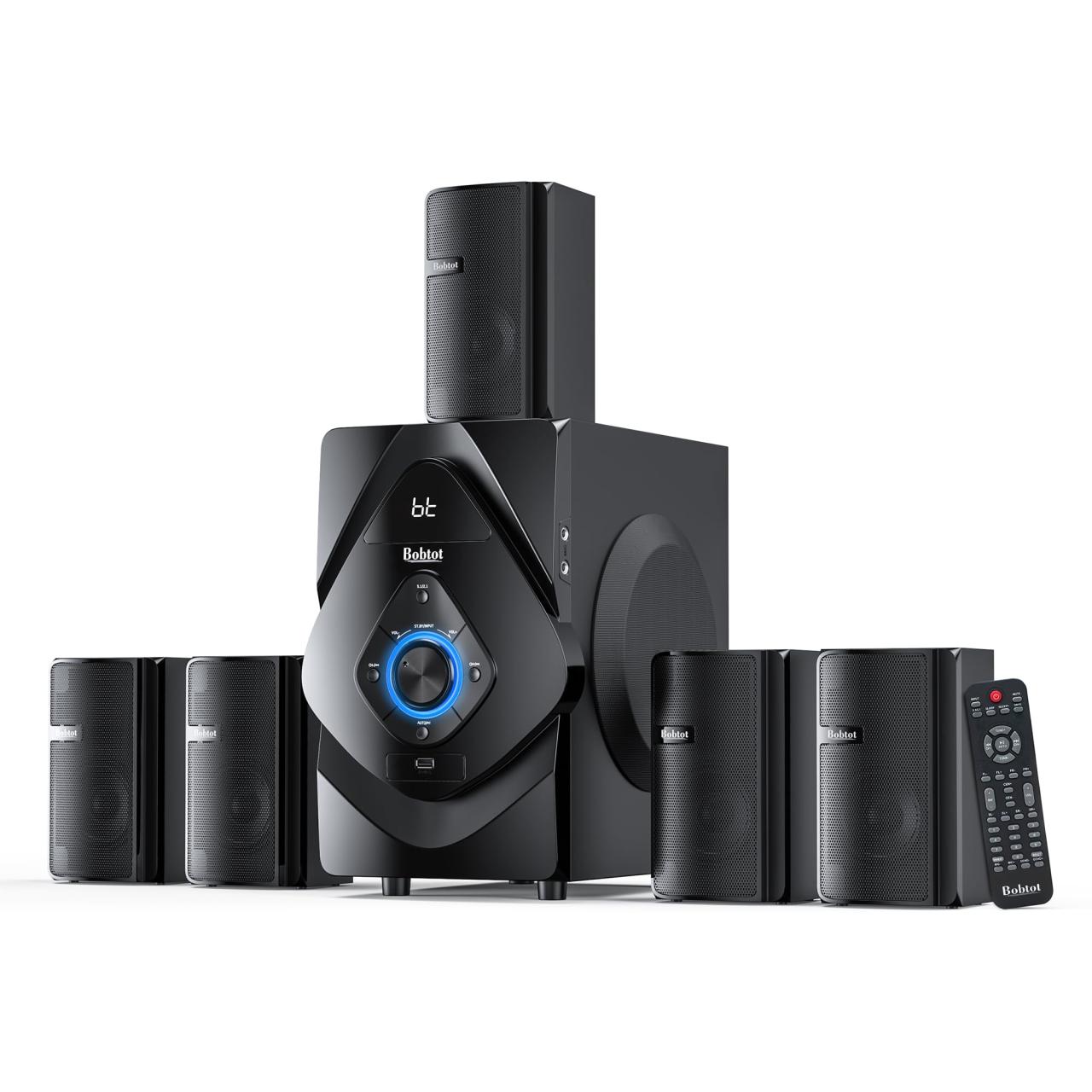
The landscape of satellite speaker technology is rapidly evolving, marked by innovative trends that promise to enhance user experience and audio performance. As we venture into the future, it’s vital to recognize the emerging technologies that are anticipated to shape satellite speaker advancements, as well as the increasing integration of smart technologies and the evolving preferences of consumers.
Emerging Technologies Impacting Satellite Speakers
Several emerging technologies are poised to significantly influence the development of satellite speakers. One notable trend is the advancement in wireless audio transmission technologies, such as Wi-Fi 6 and Bluetooth 5. These technologies facilitate higher bandwidth and lower latency, allowing for seamless streaming of high-resolution audio. Additionally, developments in digital signal processing (DSP) are enabling satellite speakers to deliver superior sound quality with enhanced clarity and precision.
Another important technology is the incorporation of 3D audio capabilities, such as Dolby Atmos. This immersive sound experience creates a multidimensional audio landscape, making it possible for users to enjoy a more engaging listening experience. Furthermore, advancements in miniaturization are allowing manufacturers to design smaller, more compact satellite speakers without compromising on sound quality.
The rise of sustainable materials also plays a crucial role in future trends, as more brands are prioritizing eco-friendly components in their products. This not only appeals to environmentally conscious consumers but also pushes the industry towards greater sustainability.
Integration of Smart Technology
The integration of smart technology with satellite speaker systems is reshaping how users interact with audio equipment. Many upcoming satellite speakers are incorporating voice assistant capabilities, such as Amazon Alexa or Google Assistant, allowing users to control their audio experience hands-free. This integration enhances convenience, enabling voice commands for music selection, volume adjustments, and more.
Moreover, smart satellite speakers are increasingly compatible with home automation systems. This allows users to integrate their audio devices into a broader smart home ecosystem, enabling functionalities like synchronized sound across multiple rooms or creating customized audio profiles based on user preferences.
Consumer Preferences Shaping Developments
Consumer preferences are an ever-evolving factor that significantly shapes the direction of satellite speaker development. With an increasing emphasis on portability, modern consumers are demanding lightweight, battery-operated satellite speakers that can deliver quality audio on the go.
Moreover, the trend towards personalized audio experiences is gaining traction, with consumers seeking customizable sound profiles that cater to their specific listening preferences. Brands are likely to respond by creating more adaptive technologies that allow users to modify their audio settings effortlessly.
Lastly, consumers are becoming increasingly aware of the aesthetic aspects of their audio devices. Design plays a critical role in purchasing decisions; thus, manufacturers are focusing on stylish, modern designs that blend seamlessly with contemporary home décor. This shift underscores the importance of balancing functionality with visual appeal to meet consumer expectations.
Final Review
In conclusion, satellite speakers are an essential investment for anyone seeking to enhance their audio experience. With their compact design, impressive sound quality, and versatility in home theater setups, they offer remarkable advantages over traditional models. By understanding their features and proper installation, you can maximize the potential of your satellite speaker system, ensuring a captivating auditory experience for any occasion.
Answers to Common Questions
What are satellite speakers?
Satellite speakers are compact speakers designed to deliver high-quality sound and are typically used in conjunction with a subwoofer in audio systems.
How are satellite speakers different from standard speakers?
Satellite speakers are smaller and often used for high-frequency sounds, while standard speakers may cover a wider range of audio frequencies.
Do satellite speakers require a separate amplifier?
Yes, satellite speakers usually need an external amplifier or receiver to power them effectively.
Can I use satellite speakers for music listening?
Absolutely! Satellite speakers are great for music as they provide clear highs and can be paired with a subwoofer for enhanced bass.
Do satellite speakers work well in small rooms?
Yes, their compact size makes them ideal for small rooms, where they can deliver impressive sound without taking up much space.