
 Zoe Nora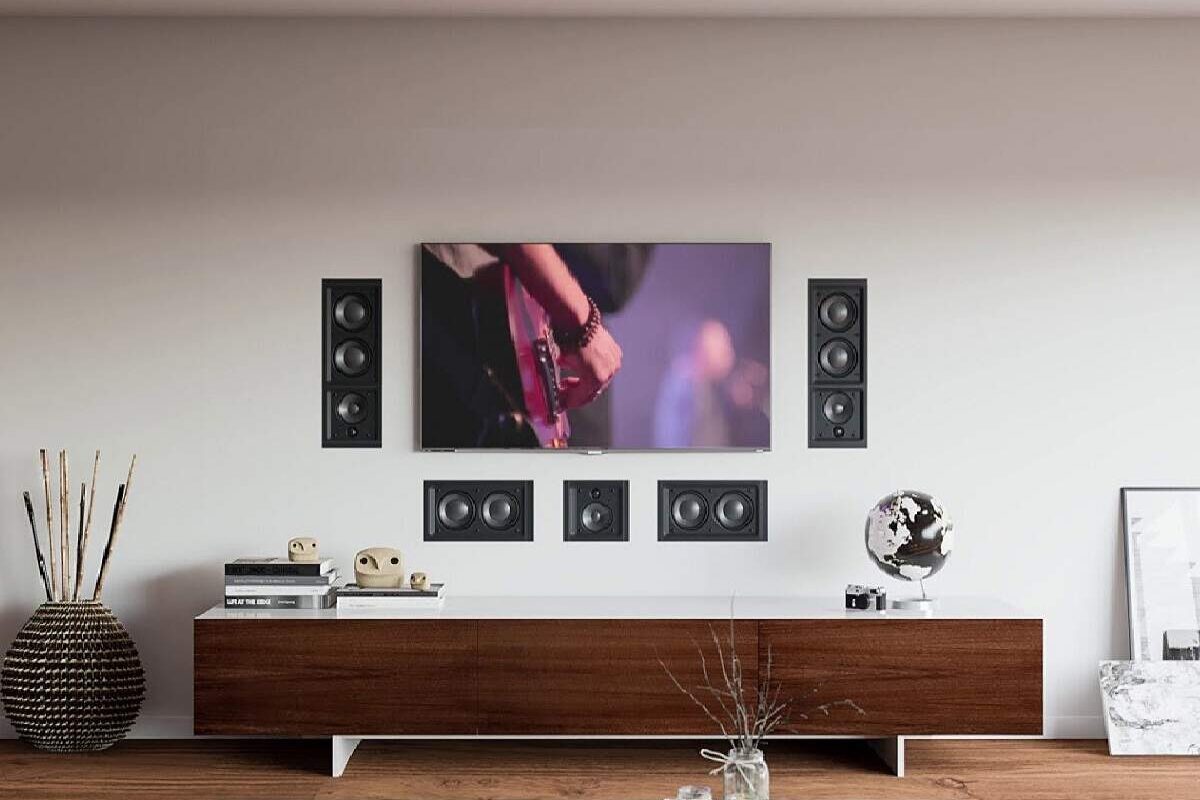
In-wall speakers are a game changer for those looking to elevate their audio experience while maintaining a clean and stylish home environment. They seamlessly integrate into your walls, providing immersive sound without the clutter of traditional speakers. This innovative approach not only enhances your listening pleasure but also adds an aesthetic appeal to your living space.
Whether you’re a movie buff, a music lover, or someone who enjoys hosting gatherings, in-wall speakers deliver quality sound that enhances every occasion. Their ability to blend into your home’s decor while producing exceptional audio makes them a popular choice among homeowners and audiophiles alike.
In-wall speakers versus traditional speakers
In the ever-evolving world of audio technology, the debate between in-wall speakers and traditional speakers is an engaging one. While both types serve the primary purpose of delivering sound, their designs, functionalities, and installation processes differ significantly. Understanding these differences can help consumers make informed decisions based on their specific needs and preferences.
The design of in-wall speakers is sleek and unobtrusive, allowing them to blend seamlessly into home interiors. These speakers are mounted within the walls, making them an ideal choice for minimalist aesthetics or for homeowners who prefer a clean look without visible equipment cluttering their spaces. Traditional speakers, on the other hand, are typically freestanding or bookshelf models. They come in various designs, sizes, and colors, providing distinct sound performance but also requiring floor space or shelf placement. Functionally, in-wall speakers often feature built-in amplification and are designed to deliver surround sound without dominant physical presence, while traditional speakers generally focus on high-fidelity sound quality and might require additional components like receivers or amplifiers for optimal performance.
Installation process variations
The installation process for in-wall speakers and traditional speakers varies considerably, each with its unique requirements and considerations. Installing in-wall speakers involves cutting precise holes into drywall or plaster to accommodate the speakers, and careful attention must be paid to the speaker’s placement for optimal sound distribution. This process typically requires tools like a stud finder, drywall saw, and possibly wiring tools, especially if new speaker wires need to be run through walls. Furthermore, in-wall speakers need to be connected to an audio system, which may involve additional electrical work depending on the existing infrastructure.
In contrast, the installation of traditional speakers is generally more straightforward. They are often plug-and-play devices, requiring only a suitable surface for placement and a connection to an audio source. While some models may need mounting brackets or stands, this process doesn’t involve any wall modifications. Here’s a brief comparison of scenarios that may influence the decision between in-wall and traditional speakers:
- In-wall speakers are preferred in spaces where aesthetics are a priority, such as modern homes or apartments with open floor plans.
- Traditional speakers are often chosen by audiophiles who value sound quality and prefer the versatility of moving speakers to different locations.
- In-wall speakers are ideal for home theaters where a surround sound experience is desired without compromising design.
- Traditional speakers may be more suitable for casual listening scenarios, such as living rooms or dedicated music rooms, where visual presence matters less.
Choosing the right speaker type can significantly affect not only sound quality but also the overall ambiance and functionality of your living space.
Acoustic considerations for in-wall speakers
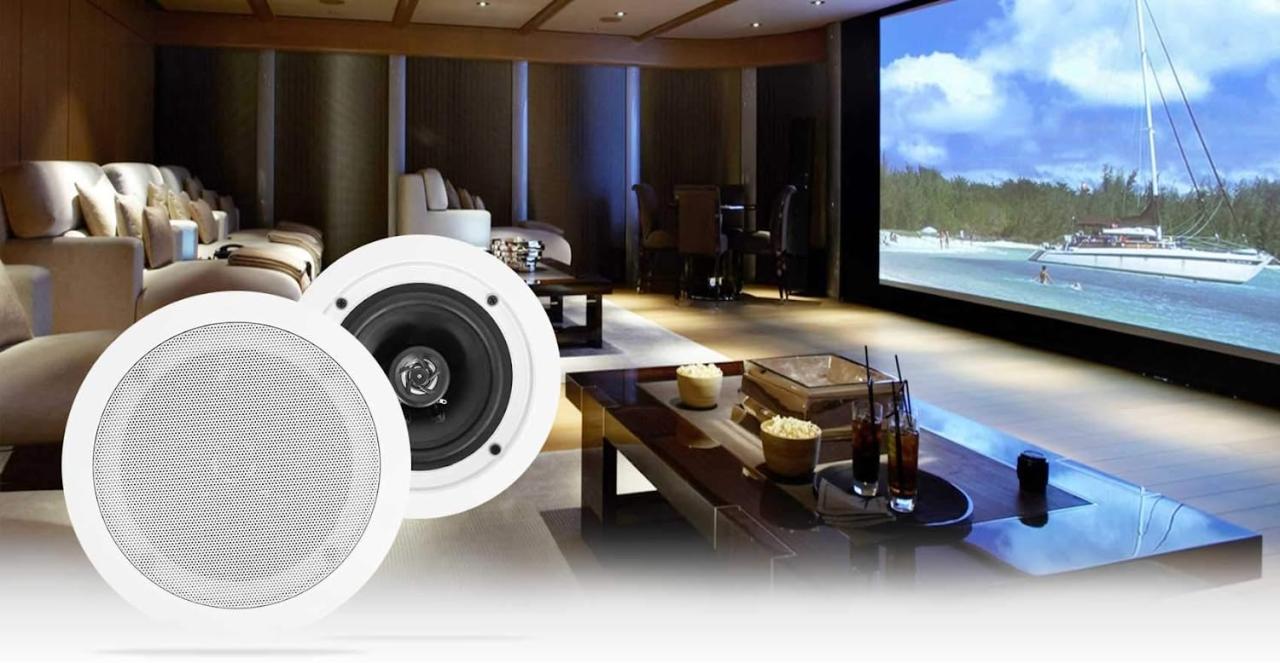
In-wall speakers are a popular choice for audio enthusiasts seeking a seamless integration of sound systems into their living spaces. However, achieving optimal sound quality requires a careful consideration of various acoustic factors. Understanding how the space where the speakers are installed interacts with sound will help you make informed decisions that enhance audio performance.
The acoustic properties of wall materials and the dimensions of the room play a significant role in determining sound quality. Different wall materials, such as drywall, concrete, or wood, have varying densities and acoustic characteristics that can affect sound transmission and absorption. For instance, drywall tends to allow sound to pass through more readily than concrete, which can lead to sound reflections that alter the listening experience. Meanwhile, the dimensions of the room—such as height, width, and length—impact how sound waves travel and interact with surfaces. A room that is too small may produce excessive bass, resulting in a muddy sound, while overly large spaces can lead to sound dispersion, reducing clarity. Room shape also influences acoustics; irregular shapes can help diffuse sound waves, while rectangular rooms may create standing waves, leading to audio imbalances.
Recommended placement strategies for optimal acoustics
Proper placement of in-wall speakers is crucial for achieving balanced sound. Below is a detailed list of strategies to maximize acoustic performance:
- Position at ear level: Aim to install speakers so that the drivers are aligned with the listener’s ear height when seated. This ensures that sound reaches the listener directly, improving clarity.
- Avoid corners: Installing speakers too close to corners can amplify bass frequencies excessively, leading to a boomy sound. Aim for at least a foot away from corners to minimize this effect.
- Consider symmetry: Place speakers symmetrically in relation to the main listening position to create an even sound stage. This helps ensure that sound is perceived uniformly across the listening area.
- Use wall materials wisely: If possible, use sound-absorbent materials in the room (like carpets and curtains) to reduce echo and enhance clarity, especially in larger spaces.
- Angle the speakers: If the speakers are adjustable, angle them toward the primary listening area to direct sound more effectively.
- Test positioning: Before finalizing installation, consider temporarily placing the speakers and testing sound quality from various locations, allowing for adjustments based on listening experience.
The installation process of in-wall speakers
Installing in-wall speakers can significantly enhance your home audio experience, providing a clean and unobtrusive sound solution. With careful planning and the right tools, the installation process can be straightforward and rewarding. This guide Artikels the essential steps and considerations for a successful in-wall speaker installation.
Step-by-step installation guide
The installation of in-wall speakers involves several key steps. Here’s a comprehensive breakdown of the process, along with the tools and materials you’ll need:
1. Gather necessary tools and materials: Before starting, ensure you have the following items:
– In-wall speakers
– Speaker wire (appropriate gauge)
– Stud finder
– Pencil
– Level
– Drywall saw
– Fish tape
– Screwdriver
– Wire strippers
– Electrical tape
2. Choose the speaker location: Use a stud finder to identify the studs in your wall. Mark the desired location for the speakers, ensuring they are positioned at ear level for optimal sound.
3. Cut the speaker hole: Using a drywall saw, carefully cut along the Artikel of the speaker template provided by the manufacturer. Ensure the hole is clean and precise to avoid any issues during installation.
4. Run speaker wire: Measure the distance from your audio source to the speaker location. Use fish tape to guide the speaker wire through the wall. Make sure to comply with local building codes, especially regarding fire safety.
5. Connect the speakers: Strip the ends of the speaker wire and connect them to the corresponding terminals on the in-wall speakers. Ensure a secure connection and wrap with electrical tape for added safety.
6. Mount the speakers: Insert the speakers into the cutout holes and secure them according to the manufacturer’s instructions. Use a level to ensure they are straight before tightening.
7. Test the setup: Once all speakers are installed, connect them to your audio system and conduct a sound test. Adjust the placement or wiring as needed to achieve the best audio performance.
Expert tips for a professional installation
To achieve a clean and professional installation, consider these expert tips:
– Plan your layout: Take time to plan the layout of your speakers for balanced sound and aesthetics. Consider the room’s acoustics and speaker placement relative to furniture and walls.
– Label your wires: Label each wire as you run them to avoid confusion later. This will save time during the connection phase and help in troubleshooting if issues arise.
– Use a cable management system: To keep wires organized and out of sight, consider using a cable management system. This not only enhances the appearance but also protects the wiring.
Common pitfalls to avoid during installation
While installing in-wall speakers can be straightforward, there are common pitfalls that can complicate the process. Being aware of these can help you avoid mistakes:
– Ignoring wall structure: Failing to locate studs or not checking for pipes and electrical wires can lead to damaging existing structures. Always double-check before cutting.
– Incorrect wire gauge: Using a wire gauge that is too thin can lead to poor audio quality and even damage your equipment. Refer to the speaker specifications for the recommended wire gauge.
– Neglecting sound testing: Skipping the sound test can result in subpar performance. Always test the speakers after installation to ensure they are functioning correctly and delivering the desired sound quality.
“A successful in-wall speaker installation merges aesthetics with functionality, ensuring your space remains tidy while delivering top-notch audio.”
Choosing the right in-wall speakers for your home
Selecting the appropriate in-wall speakers for your home can significantly enhance your audio experience. It involves evaluating a variety of factors that contribute to sound quality, aesthetics, and overall performance. This guide aims to provide you with a comprehensive understanding of the essential criteria for choosing the right in-wall speakers.
Criteria for Selecting In-Wall Speakers
When selecting in-wall speakers, several key criteria should be considered to ensure optimal performance and compatibility with your home audio system. Below are the vital factors to keep in mind:
- Sound Quality: Look for speakers that offer clear sound reproduction with a good balance of bass, mids, and highs. High sensitivity ratings and frequency response range are indicators of better sound quality.
- Size and Placement: Consider the dimensions of the space where the speakers will be installed. The size of the speaker should match the room’s acoustics and layout to avoid overpowering smaller spaces.
- Power Handling: Assess the power handling capacity of the speakers. Higher wattage ratings can lead to better performance without distortion at higher volumes.
- Impedance: Choose speakers with suitable impedance that matches your amplifier or receiver. Most home audio systems work well with 4 to 8-ohm speakers.
- Design and Aesthetics: Consider the design of the speakers, including the grille style and color, to ensure they blend seamlessly with your home decor.
Pros and Cons of Popular Brands and Models
Several brands and models dominate the in-wall speaker market, each with its strengths and weaknesses. Understanding these can help you make an informed decision.
| Brand/Model | Pros | Cons |
|---|---|---|
| Klipsch R-1650-C | Exceptional sound clarity, efficient design, good for larger rooms. | Higher price point compared to budget models. |
| Polk Audio RC85i | Great bass response, moisture-resistant, ideal for various environments. | Installation may require more effort due to size. |
| Sonos In-Ceiling by Sonance | Seamless integration with Sonos system, excellent sound quality. | More expensive and requires a Sonos hub for full functionality. |
| Yamaha NS-IW360C | Balanced sound performance, affordable price point. | May lack the high-end clarity of more expensive models. |
Matching Speakers with Your Home Audio System
For a harmonious audio experience, matching in-wall speakers with your home audio system is essential. The following points highlight the importance of compatibility:
- Amplifier Compatibility: Ensure that your amplifier can adequately drive the speakers you choose. Mismatched power levels can lead to sound distortion or damage.
- Speaker Configuration: Decide on the configuration of your speakers, whether stereo or surround sound, and how they will work together to create an immersive experience.
- Room Acoustics: Assess the acoustics of your room. In-wall speakers should be positioned to take advantage of the room’s natural sound properties for optimal performance.
- Subwoofer Integration: If you are using a subwoofer, ensure the in-wall speakers can complement its output without overwhelming it or suffering from distortion.
“The right in-wall speakers can redefine your audio experience, transforming your space into an immersive sound environment.”
Aesthetic benefits of in-wall speakers
In-wall speakers are a transformative addition to modern home design. They provide an elegant solution for audio delivery while enhancing the overall aesthetics of living spaces. By concealing speakers within the walls, homeowners can maintain a clean and uncluttered look, which is increasingly sought after in contemporary interiors. This integration allows for a seamless blend of technology and design, ensuring that sound quality does not come at the expense of style.
In-wall speakers significantly reduce visual clutter often associated with conventional speakers. When strategically placed, they create an unobtrusive audio experience that complements the room’s décor rather than detracting from it. This minimalist approach aligns with the growing trend towards open-concept living, where every element counts and contributes to a cohesive atmosphere. To achieve the best results, homeowners should consider a few key design elements when integrating in-wall speakers into their spaces.
Design considerations for speaker integration
When integrating in-wall speakers, several considerations can enhance both functionality and aesthetics. Here are some important aspects to keep in mind:
- Speaker Placement: Optimal placement is crucial for achieving the best sound quality. Common locations include living rooms, home theaters, and even kitchens, where sound can be evenly distributed without taking up floor space.
- Color and Finish: Choosing speakers that match or complement wall colors and finishes helps them blend seamlessly. Many speakers come with paintable grilles, allowing homeowners to customize them further.
- Room Layout: Consider the room’s layout and design style. In-wall speakers should enhance the space and not interfere with furniture arrangements or decor themes. Aligning them with architectural features can create a harmonious look.
Creative installation ideas
Creative installations of in-wall speakers can elevate a room’s design while ensuring superb audio performance. Here are three innovative ideas for blending speakers seamlessly into your home:
- Behind Artwork: Install in-wall speakers behind framed art or decorative panels. This not only conceals the speakers but also adds a unique touch by transforming them into a part of the artwork, allowing sound to emanate without visual disruption.
- In Shelving Units: Integrate speakers within built-in shelving units. This approach allows for an organized look, as the speakers can be placed alongside books or decorative items, making them part of the overall decor.
- In Ceilings: For a truly unobtrusive experience, consider ceiling-mounted in-wall speakers. This installation is especially effective in open spaces, providing surround sound without any visible equipment, thus maintaining the clean lines of the room.
“In-wall speakers not only offer high-quality sound but also enhance the aesthetic appeal of any room with their discreet design.”
Maintenance tips for in-wall speakers
In-wall speakers are a fantastic way to integrate sound into your home without compromising aesthetics. However, like all audio equipment, they require regular maintenance to ensure optimal performance and longevity. Understanding how to care for these speakers, troubleshoot common issues, and establish a maintenance routine will keep your in-wall speakers sounding great for years to come.
To extend the lifespan of in-wall speakers, adhere to some common maintenance practices. Regularly check for dust accumulation on the speaker grilles and gently clean them using a soft cloth or a vacuum with a brush attachment. Avoid using harsh chemicals or cleaners that could damage the finish. Additionally, inspect the wiring connections periodically to ensure they are tight and free from corrosion.
For troubleshooting common issues that may arise with in-wall setups, consider the following aspects. One frequent problem is a lack of sound, which can stem from various factors such as disconnected wires, blown fuses, or issues with the audio source. First, check the audio source to ensure it’s functioning correctly. Next, inspect the wires behind the wall plate and confirm they are securely connected. If the speakers still do not produce sound, test them with a different audio source to rule out any issues with the amplifier or receiver.
Another common issue is distortion or muffled sound quality. This could indicate that the speaker is improperly installed, or obstructed by furniture or other items. Ensure that there are no obstructions near the speaker and that it is securely mounted in the wall. If issues persist, consider adjusting the equalizer settings on your audio source or amplifier for better sound clarity.
Maintaining in-wall speakers can be simplified with a maintenance checklist. Following this checklist will help ensure that your speakers continue to deliver high-quality audio while extending their lifespan.
Maintenance checklist for in-wall speakers
Implementing a regular maintenance routine is essential for preserving the performance of your in-wall speakers. Below is a checklist to guide homeowners through the maintenance process:
- Inspect speaker grilles for dust and debris; clean gently with a soft cloth.
- Check wiring connections behind the wall plate for tightness and signs of corrosion.
- Test speaker functionality with multiple audio sources to identify possible issues.
- Ensure speakers are not obstructed by furniture or other objects.
- Adjust amplifier settings and equalizer for optimal sound quality.
- Regularly review and update your audio equipment to ensure compatibility and performance.
- Consider professional inspections every few years to catch potential issues early.
“Regular maintenance not only enhances audio quality but also prolongs the life of your in-wall speakers.”
The impact of technology on in-wall speaker systems
The evolution of in-wall speaker technology has been remarkable, with significant advancements shaping how we experience audio in our homes. From the early days of basic speaker installations to the sophisticated systems we have today, technology has played a crucial role in enhancing sound quality, ease of use, and overall functionality.
The advancements in in-wall speaker technology are notable, with innovations that have transformed both performance and installation processes. The introduction of high-fidelity sound systems has allowed for better sound dispersion and clarity. Additionally, materials have improved, with manufacturers utilizing lightweight and durable substances that reduce vibration and enhance acoustics. Furthermore, the integration of digital signal processing (DSP) has elevated audio performance, enabling more precise sound tailoring to suit specific room acoustics.
Wireless versus Wired In-wall Speakers
The debate between wireless and wired in-wall speakers continues to be a pivotal topic among audio enthusiasts. Each option offers its unique set of benefits, influencing user preferences and installation choices. Understanding these advantages can help consumers make informed decisions regarding their audio setups.
– Flexibility and Easy Installation: Wireless in-wall speakers eliminate the need for extensive wiring, allowing for easier installation, especially in existing homes where retrofitting might be challenging.
– Reduced Clutter: Wireless systems minimize visible cables, providing a cleaner aesthetic that can enhance the overall look of a room.
– Portability: Wireless speakers can be repositioned or moved without the constraints of wiring, making it simpler to adapt audio setups for different occasions.
– Potential for Interference: Wired systems generally provide a more stable connection and are less susceptible to interference, ensuring consistent audio quality.
The choice between wired and wireless ultimately depends on individual preferences, installation scenarios, and desired audio fidelity.
Smart Home Integration
Smart home integration has fundamentally altered the functionality of in-wall speakers, allowing for seamless connectivity and control through various devices. This capability enables users to incorporate their audio systems into broader smart home ecosystems, enhancing convenience and user experience.
The impact of smart home integration includes:
– Voice Control: Many in-wall speakers now work with voice assistants like Amazon Alexa and Google Assistant, enabling hands-free control over music playback and volume adjustments.
– Multi-Room Audio: Smart technology allows for synchronization of audio across different rooms, providing a cohesive sound experience throughout the home. Users can easily control which speakers play sound and adjust settings via apps on their smartphones or tablets.
– Streamlined Streaming: Integration with music streaming services enables users to access their favorite tracks and playlists directly through their in-wall speakers, reducing the need for additional devices or remotes.
– Enhanced Automation: Smart in-wall speakers can be programmed to respond to various triggers, such as time of day or presence detection, automatically adjusting settings to suit the environment.
These advancements highlight how technology has not only improved sound quality but also transformed the way consumers interact with and enjoy audio in their living spaces.
Sound distribution and coverage with in-wall speakers
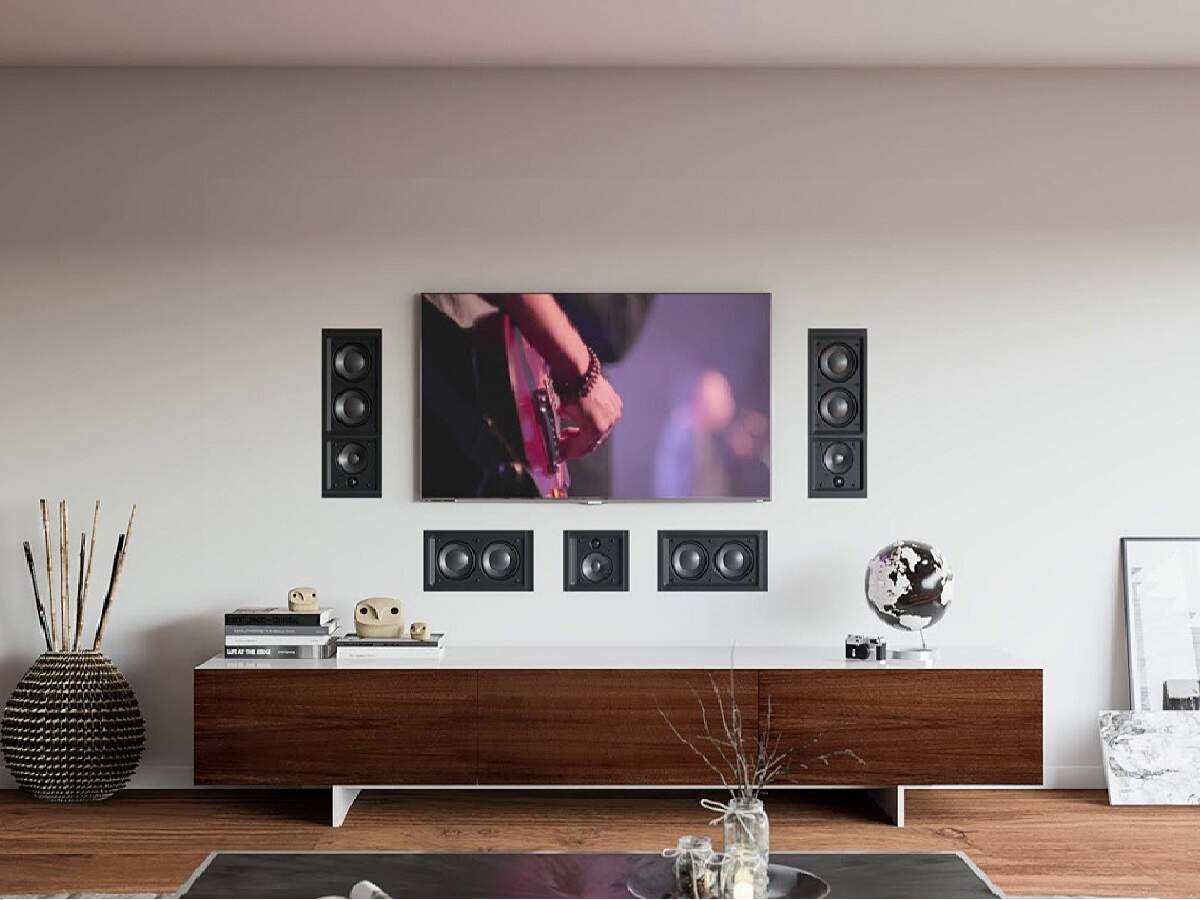
Sound distribution is a vital aspect of any audio setup, particularly in residential spaces where audio quality can significantly impact the overall listening experience. In contrast to traditional speakers, in-wall speakers offer a streamlined aesthetic while providing extensive sound coverage across a room. This integration not only helps in maintaining the aesthetic appeal of the environment but also enhances sound quality by distributing audio evenly throughout the space. Proper sound distribution ensures that all areas of a room receive a balanced audio signal, minimizing dead zones where sound may be too quiet or overly loud.
Assessing the number of in-wall speakers required for a room involves considering both the size and layout of the space. A fundamental guideline is to factor in the room’s dimensions, furniture arrangement, and intended use. For example, larger rooms or open concepts often require more speakers to achieve balanced sound levels, while smaller spaces may need only one or two strategically placed units. The general recommendation is to position speakers at least 8 to 10 feet apart and to use at least one speaker for every 100 square feet of space. Here’s a straightforward formula to help calculate the number of speakers:
Number of Speakers = (Room Area in sq. ft. / 100) + Additional Speakers for Coverage
This formula allows for a basic estimation, but adjustments might be necessary depending on the furnishings and wall placements that could obstruct sound pathways. A room with high ceilings may also require additional speakers or subwoofers to maintain sound clarity and depth.
Evaluating sound coverage in different areas of the home can be accomplished through various methods. One effective technique is to perform a sound check by playing a range of audio at various volumes and walking through the space to listen for inconsistencies. Pay close attention to corners and areas behind furniture where sound waves may be blocked or reflected. Moreover, advanced tools like sound level meters or smartphone apps can help measure decibel levels across different spots in the room, providing a quantifiable assessment of sound distribution.
Experimenting with speaker placement is also key to achieving the best sound coverage. In-wall speakers should ideally be mounted at ear level when seated, which enhances the listening experience. Using speaker placement software or consulting with an audio specialist can provide further insights into optimizing speaker locations for the best possible sound distribution throughout your home.
Ultimate Conclusion
In summary, in-wall speakers provide a unique blend of functionality and aesthetic appeal, making them an excellent choice for various home audio needs. With the right installation, placement, and maintenance, these speakers can significantly enhance your overall sound experience while keeping your space looking sleek and organized. Embracing this technology not only transforms your listening environment but also aligns with modern design trends that prioritize both form and function.
Helpful Answers
What are in-wall speakers?
In-wall speakers are audio devices installed directly into the walls of a room, designed to provide a clean look while delivering high-quality sound.
Can in-wall speakers be used for surround sound?
Yes, in-wall speakers can be configured to create a surround sound system, offering an immersive audio experience in home theaters.
How do I know if my walls can accommodate in-wall speakers?
You should check for sufficient space within the walls, consider the wall material, and ensure there are no electrical or plumbing issues that could hinder installation.
Are in-wall speakers weatherproof?
Standard in-wall speakers are not designed for outdoor use, but there are weatherproof options available specifically for outdoor installations.
Can I install in-wall speakers myself?
While some homeowners may choose to install them, it is recommended to hire a professional to ensure proper installation and avoid common pitfalls.
What is the typical lifespan of in-wall speakers?
With proper maintenance, in-wall speakers can last anywhere from 10 to 20 years or more, depending on the quality and usage.