
 Zoe Nora
Active speakers have revolutionized the way we experience sound, merging technology and design to deliver an unparalleled audio experience. Unlike traditional passive speakers, these units come equipped with built-in amplifiers and sophisticated components that optimize sound quality and performance. This innovation not only simplifies setup but also enhances audio output, making them a popular choice for home theaters, music studios, and personal listening spaces.
As we delve deeper into the world of active speakers, we will explore their operational principles, advantages over passive models, and the various settings where they shine. From their technical specifications to user experiences, understanding active speakers provides valuable insights into modern audio solutions that cater to diverse listening needs.
Active speakers defined and their operational principles
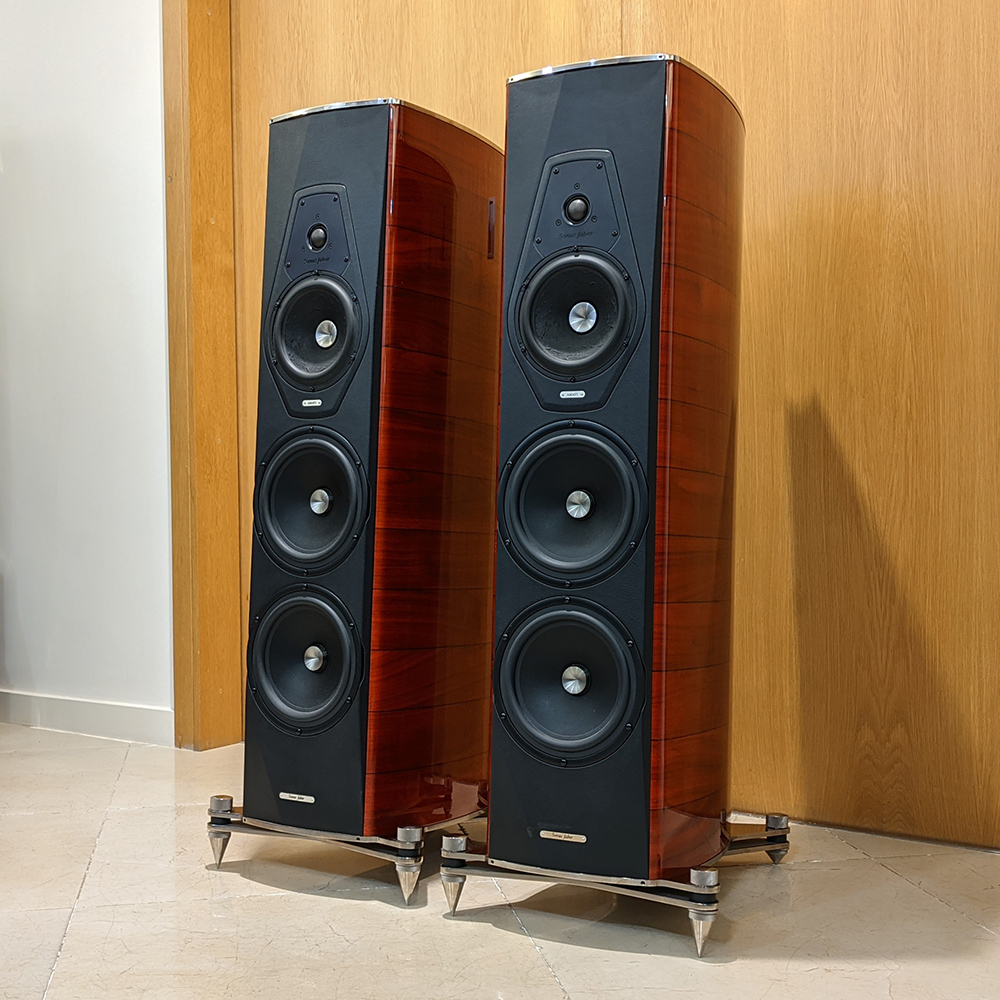
Active speakers are a popular choice in audio technology, primarily due to their convenience and superior sound quality. Unlike passive speakers, active speakers come with built-in amplifiers and other necessary components, making them self-sufficient and easy to use. This integrated design streamlines the audio setup process, allowing users to simply plug them into a power source and connect them to a sound source, such as a computer or smartphone.
Active speakers operate on a straightforward principle: they amplify audio signals internally. Each speaker unit incorporates a power amplifier specifically tailored to the speaker’s drivers, which are the components that convert electrical signals into sound. The active speaker design typically includes a crossover network that directs specific frequency ranges to the appropriate drivers—usually woofers for low frequencies and tweeters for high frequencies. This configuration enhances audio quality by ensuring that each driver operates within its optimal range, leading to clearer and more dynamic sound reproduction.
Examples of active speakers in various settings
Active speakers are utilized in a wide array of environments, from home audio systems to professional sound setups. The following examples illustrate their versatility:
- Home Theater Systems: Many modern home theater setups feature active speakers, providing enhanced audio for movies and music without the need for additional amplifiers. These systems often include subwoofers to augment bass response.
- Studio Monitors: In music production, active studio monitors are preferred due to their accurate sound reproduction. They allow audio engineers to make precise mix decisions by offering an uncolored sound profile.
- Portable Bluetooth Speakers: Many portable speakers are active, offering the convenience of battery power and Bluetooth connectivity. These speakers are designed for casual listening, making them perfect for outdoor use or small gatherings.
- Public Address Systems: Active speakers are commonly found in PA systems. Their built-in amplification simplifies setup, making them suitable for events, conferences, or outdoor announcements.
Active speakers stand in contrast to passive speakers, which lack built-in amplification and require external power sources. The primary differences between these two types include:
– Amplification: Active speakers include an internal amplifier, while passive speakers rely on external amplifiers.
– Setup Complexity: Active speakers are typically easier to set up due to their all-in-one nature, whereas passive speakers require additional components.
– Sound Quality Control: Active speakers often come with equalization controls, allowing users to adjust sound output according to room acoustics, which is not usually available in passive setups.
Active speakers provide a seamless audio experience with built-in amplification and optimized sound reproduction.
The advantages of using active speakers in modern audio setups
In the ever-evolving landscape of audio technology, active speakers have emerged as a powerful solution for both casual listeners and professional environments. Unlike traditional passive speakers, which require an external amplifier, active speakers come equipped with built-in amplifiers, offering a range of benefits that enhance performance and convenience. As audio setups continue to modernize, the advantages of active speakers become increasingly evident.
Active speakers offer several key benefits over their traditional counterparts. One of the most significant advantages is the integration of an internal amplifier that is specifically designed to match the speaker drivers. This results in optimized sound quality, as the amplifier is tailored to provide the ideal power and performance for the speakers. Additionally, active speakers often feature digital signal processing (DSP), which allows for precise tuning of frequency response and sound shaping. This enhanced control over sound reproduction leads to improved clarity, dynamics, and a more immersive listening experience.
Performance in Various Scenarios
Active speakers excel in a variety of settings, making them a versatile choice for different audio applications. Their compact design and built-in amplification make them particularly suitable for home theaters, where space can be at a premium. In these environments, active speakers can easily be integrated into a surround sound system, offering rich, immersive audio without the clutter of external amplifiers and cables. Moreover, many active speakers come with wireless capabilities, allowing for seamless connectivity with various audio sources such as smartphones, tablets, and streaming devices.
In professional studio environments, active speakers are often favored for their accuracy and reliability in reproducing sound. They provide sound engineers and producers with an honest representation of audio, which is crucial when mixing and mastering tracks. The precision offered by active speakers allows for better decision-making during the production process, ensuring that the final product translates well across different listening systems. Furthermore, many studio monitors feature adjustable settings for room acoustics, allowing sound professionals to tailor their listening experience based on the specific characteristics of their workspace.
As cities become more densely populated, the demand for quality audio setups in limited spaces grows. Active speakers cater to this need by providing high-quality sound in smaller packages. They are often equipped with features such as Bluetooth connectivity, allowing users to stream music directly from their devices without the hassle of wires. This makes them an excellent choice for modern households where simplicity and performance are valued.
In summary, active speakers stand out in modern audio setups due to their built-in amplification, superior sound quality, and versatility across different environments. Their ability to seamlessly integrate into home theaters and professional studios, along with their compact design, makes them an ideal choice for anyone seeking an enhanced audio experience.
Popular brands and models of active speakers on the market
Active speakers have gained tremendous popularity in both professional and casual audio settings due to their built-in amplification and enhanced sound quality. Understanding the leading brands and their standout models is crucial for anyone looking to invest in high-quality audio equipment. This overview covers five top brands, their flagship models, and key specifications that set them apart in the competitive market.
Leading Brands and Their Flagship Models
Several brands dominate the active speaker market, each offering unique features and specifications tailored to different user needs. Below is a look at five prominent brands and their flagship active speaker models:
- Yamaha – Yamaha HS8
- Power: 75W (60W LF + 15W HF)
- Frequency Response: 38Hz – 30kHz
- Driver Size: 8-inch woofer, 1-inch tweeter
- Room Control and High Trim Response controls for acoustic tailoring
- KRK – KRK Rokit 5 G4
- Power: 55W (40W LF + 15W HF)
- Frequency Response: 43Hz – 40kHz
- Driver Size: 5-inch woofer, 1-inch tweeter
- Built-in DSP-driven graphic EQ with 25 settings
- JBL – JBL Professional 305P MkII
- Power: 82W (65W LF + 17W HF)
- Frequency Response: 49Hz – 24kHz
- Driver Size: 5-inch woofer, 1-inch tweeter
- Image Control Waveguide for superior stereo imaging
- Audioengine – Audioengine A5+
- Power: 150W total peak power
- Frequency Response: 50Hz – 22kHz
- Driver Size: 5-inch woofer, 0.75-inch tweeter
- Built-in DAC and Bluetooth for wireless streaming
- Focal – Focal Alpha 65 Evo
- Power: 105W (70W LF + 35W HF)
- Frequency Response: 40Hz – 22kHz
- Driver Size: 6.5-inch woofer, 1-inch tweeter
- Front bass ports for improved low-frequency response
Comparative Analysis of Features
The essential specifications of the highlighted speaker models can be conveniently summarized in the following table, showcasing their distinctive features:
| Brand | Model | Power Output | Frequency Response | Driver Size | Notable Features |
|---|---|---|---|---|---|
| Yamaha | HS8 | 75W | 38Hz – 30kHz | 8-inch woofer, 1-inch tweeter | Room Control, High Trim Response |
| KRK | Rokit 5 G4 | 55W | 43Hz – 40kHz | 5-inch woofer, 1-inch tweeter | DSP-driven graphic EQ |
| JBL | 305P MkII | 82W | 49Hz – 24kHz | 5-inch woofer, 1-inch tweeter | Image Control Waveguide |
| Audioengine | A5+ | 150W | 50Hz – 22kHz | 5-inch woofer, 0.75-inch tweeter | Built-in DAC, Bluetooth |
| Focal | Alpha 65 Evo | 105W | 40Hz – 22kHz | 6.5-inch woofer, 1-inch tweeter | Front bass ports |
Customer Reviews and Feedback
Customer feedback provides valuable insights into the performance and user satisfaction associated with these active speaker models. Reviews often highlight the following points:
- Yamaha HS8: Users appreciate the accurate sound reproduction and versatility in various environments, particularly for mixing and mastering.
- KRK Rokit 5 G4: The DSP and EQ settings receive praise for adaptability, making them suitable for different room acoustics.
- JBL 305P MkII: Customers often comment on the impressive stereo imaging and clarity, making them ideal for home studios.
- Audioengine A5+: The Bluetooth capability and overall build quality are frequently mentioned, appealing to both casual listeners and audiophiles.
- Focal Alpha 65 Evo: Reviewers note the rich low-end response and detail in the highs, making them a favorite for music production.
Installation and setup tips for maximizing performance of active speakers
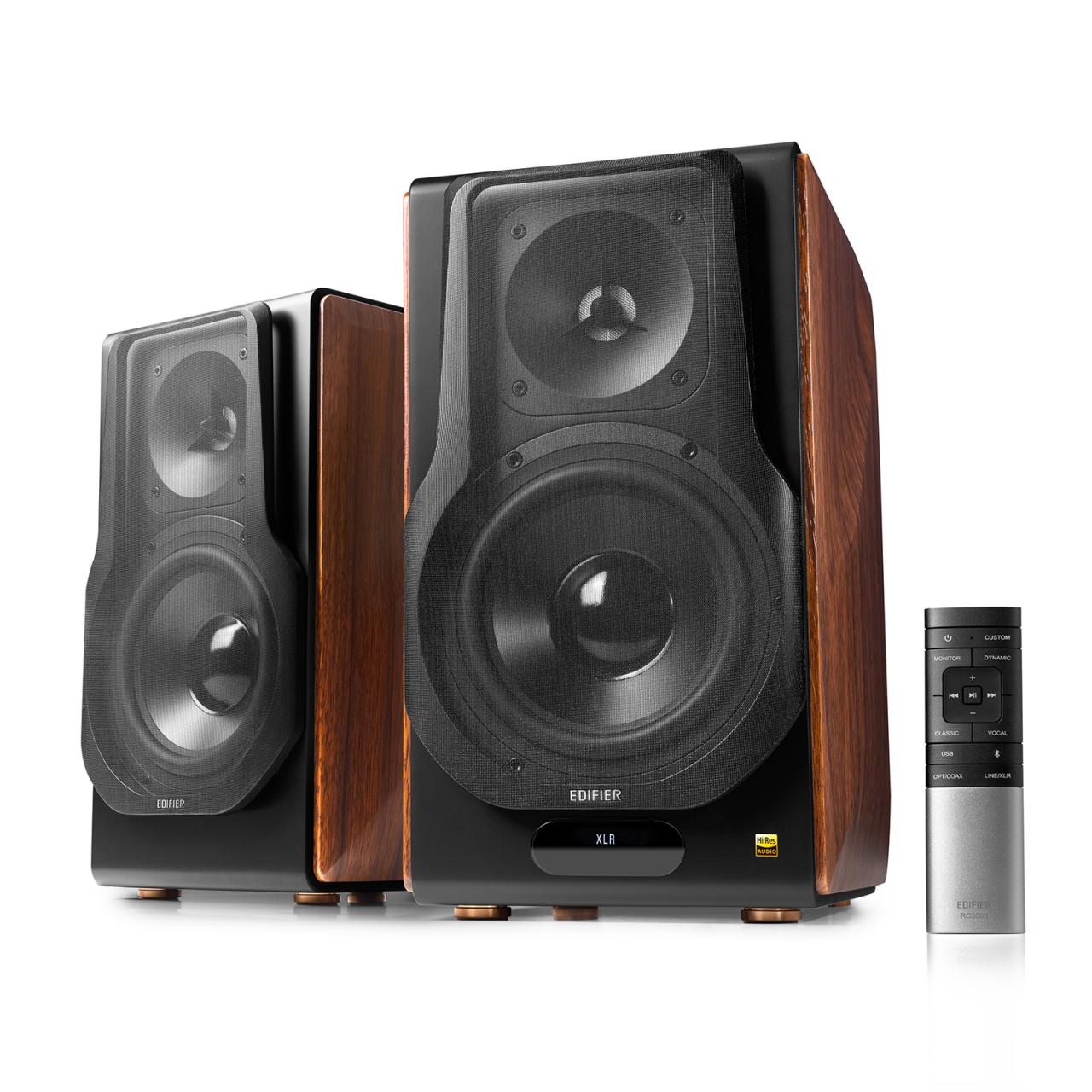
Proper installation and setup of active speakers is crucial for achieving the best audio performance. Active speakers, which incorporate built-in amplifiers and signal processing, require careful attention to their placement and connections. This ensures that the speakers deliver optimal sound quality and performance in your listening environment. By following specific guidelines, you can enhance the acoustic experience and enjoy your music or audio content to the fullest.
Optimal placement and connection methods for active speakers
The placement of active speakers plays a significant role in sound quality. Positioning them correctly can help minimize unwanted reflections and enhance stereo imaging. Here are some essential tips for speaker placement:
1. Distance from walls: Position your speakers at least two feet away from walls to reduce bass resonance and prevent muddiness in sound reproduction. This distance allows for better sound dispersion and clarity.
2. Tweeter height: The tweeters (the high-frequency drivers) should be at ear level when seated. This alignment ensures that you receive the most accurate sound representation without any tonal coloration.
3. Equilateral triangle arrangement: Place the speakers and your listening position in an equilateral triangle formation. The distance between the speakers should be equal to the distance from each speaker to your listening spot. This setup allows for a balanced stereo image and a more immersive listening experience.
4. Avoiding corners: Keep active speakers away from corners or enclosed spaces, as this can lead to excessive bass buildup, negatively impacting sound quality.
5. Use of isolation pads: Implement isolation pads or stands to decouple the speakers from surfaces. This can help reduce vibrations that lead to distortion and improve overall sound clarity.
For connecting your active speakers, it’s important to use high-quality cables to minimize signal loss. Ensure that you are using balanced cables (like XLR or TRS) when possible, especially in professional or home studio settings.
Essential tools and accessories needed for setup
To ensure a smooth installation and optimal performance of your active speakers, it’s important to have the right tools and accessories on hand. Below is a checklist of essential items that will aid in the setup process:
– High-quality speaker cables: Use appropriate length cables for connecting your speakers to the audio source, ensuring they are durable and well-shielded.
– Isolation pads or stands: These can help improve sound quality by minimizing vibrations and ensuring proper height and angling.
– Power strips and surge protectors: Protect your equipment from power surges and provide adequate outlets for your active speakers and other devices.
– Calibration microphone: A calibration microphone can assist in fine-tuning speaker placement and audio settings for various environments.
– Acoustic panels: Consider using absorption panels or diffusers to improve room acoustics and reduce echo or reverb.
Adjusting settings for different listening environments
Adjusting your active speakers’ settings based on the listening environment can significantly enhance audio performance. It’s important to consider room size, furniture placement, and overall acoustics. Here are a few strategies to optimize performance:
1. Equalization settings: Use the built-in equalizer settings on your speakers to adapt to your room’s acoustics. You might need to boost or cut certain frequencies based on how sound interacts with the space.
2. Volume levels: Start with a moderate volume level when setting up and gradually adjust based on the environment. Ensure that the volume remains within the optimal range to avoid distortion or damage to the speakers.
3. Room correction software: If available, use room correction software that can analyze your listening area and make automatic adjustments to your speakers’ settings for optimal performance.
4. Listening tests: Periodically conduct listening tests with different genres of music or audio content to determine if further adjustments are necessary. Pay attention to clarity, balance, and how the sound fills the room.
By carefully considering placement, connections, and environment-specific adjustments, you’ll be able to maximize the performance of your active speakers and enjoy an enhanced audio experience.
Maintenance and troubleshooting common issues with active speakers
Active speakers are a staple in modern audio setups, whether for personal use or professional applications. To ensure they perform optimally and maintain their longevity, regular maintenance and keen awareness of potential issues are essential. This guide delves into effective maintenance practices, common problems users might encounter, and the significance of firmware updates.
Routine maintenance practices for active speakers
Maintaining your active speakers not only prevents issues but also enhances their sound quality and lifespan. Regular upkeep can be straightforward and involves several key practices:
1. Cleaning: Dust and dirt can accumulate on speaker surfaces and vents, which can hinder performance. Use a soft, dry microfiber cloth to wipe down the exterior regularly. For hard-to-reach areas, a can of compressed air can effectively remove dust from vents.
2. Check Connections: Ensure that all connections are secure and free from corrosion. Loose cables can lead to sound distortion or complete audio loss. Regularly inspect cables and connectors for wear and replace them if necessary.
3. Monitor Volume Levels: Keeping the volume levels within a reasonable range prevents distortion and protects the speaker’s components. Avoid consistently driving the speakers to their maximum capacity.
4. Cooling: Active speakers can generate heat, especially when used for extended periods. Ensure they are placed in a well-ventilated area to prevent overheating, which can damage components over time.
5. Storing Properly: If not in use, store the speakers in a dry environment away from direct sunlight and humidity. Utilizing covers can also help protect against dust and accidental impacts.
Common problems and step-by-step solutions
Users may encounter several common issues with active speakers. Understanding how to troubleshoot these can save time and resources:
– No Sound Output:
– Check power connections to ensure the speaker is powered on.
– Inspect the audio source and connections. Confirm that the input source is functioning properly and that cables are securely connected.
– Distorted Sound:
– Lower the volume to see if distortion persists. If it does, check the source material for quality.
– Inspect cables for damage or interference. Replacing faulty cables can resolve the issue.
– Intermittent Sound:
– Wiggle the input connections while playing audio to identify any loose wires.
– Try a different audio source to rule out issues with the original source.
“Regular maintenance not only prevents issues but also enhances sound quality and lifespan.”
Importance of firmware updates
Firmware updates play a critical role in enhancing the performance and capabilities of active speakers. Manufacturers periodically release updates that can address bugs, improve sound quality, and introduce new features. Here are some key reasons why keeping firmware up to date is essential:
– Enhanced Compatibility: Updates can ensure compatibility with new audio formats and devices, expanding the speaker’s functionality.
– Improved Performance: Many updates include optimizations that can improve audio fidelity and response times, leading to an overall better listening experience.
– Bug Fixes: Firmware updates often address known issues, reducing the likelihood of encountering performance problems.
It’s advisable to check the manufacturer’s website or use any included software to stay informed about available updates, ensuring that your active speakers run efficiently and effectively throughout their lifespan.
The role of active speakers in professional audio production
Active speakers, also known as powered speakers, play a crucial role in professional audio production by providing an accurate and reliable sound representation. These speakers come equipped with built-in amplifiers and are designed to deliver clear audio signals, essential in both recording studios and live sound environments. Their significance lies not only in their ability to reproduce sound faithfully but also in their influence on the overall quality of audio production, making them indispensable tools for sound engineers and producers alike.
In recording studios, the precision of sound reproduction is paramount. Active speakers are engineered to provide a flat frequency response, ensuring that what the engineer hears is true to the original sound. This accuracy allows for critical listening during mixing and mastering, helping professionals make informed decisions about sound adjustments. The integration of active speakers with digital audio workstations and other studio equipment simplifies the setup by eliminating the need for external amplifiers, reducing overall setup complexity. Moreover, the consistency in sound quality across different environments is vital; thus, many studios opt for well-regarded brands that are known for their reliability and performance.
Factors influencing the choice of active speakers by sound engineers
Selecting the right active speakers for specific applications involves several key factors. Sound engineers consider various aspects to ensure that the speakers meet their production needs effectively. The following points highlight the main criteria that influence their choices:
- Room Size: The dimensions of the studio or venue play a significant role in determining the speaker size and power needed. Larger spaces often require more powerful speakers to fill the area with sound, while smaller rooms may benefit from compact, less powerful models.
- Frequency Response: Active speakers with a wide frequency range are preferred as they can reproduce both low and high frequencies accurately. This characteristic is crucial for genres that emphasize bass or treble, ensuring a balanced mix.
- Portability: For live sound environments, the ease of transportation can influence speaker selection. Compact and lightweight options are favorable for touring sound engineers who need to set up and dismantle equipment frequently.
- Connectivity Options: Active speakers often come with various inputs, including XLR, TRS, and RCA connections. Sound engineers must ensure that the speakers are compatible with their existing audio equipment to facilitate seamless integration.
- Brand Reputation: Renowned brands are often favored due to their history of reliability and performance. Sound engineers tend to trust established companies that have consistently produced high-quality audio equipment.
The quality of active speakers has a direct impact on audio mixing and production outcomes. High-quality speakers allow for more accurate sound translation, enabling sound engineers to make precise adjustments. For instance, if a speaker exaggerates certain frequencies, the mixing engineer could mistakenly boost those frequencies, leading to a poorly balanced mix. This risk underscores the importance of investing in quality monitors that reflect the true sound of recordings.
In essence, active speakers are a foundational element in professional audio production, influencing everything from the initial recording to the final mix. The choice of active speakers not only affects the quality of sound but also the overall workflow within studios and live environments, making their selection a critical decision for sound professionals aiming for excellence.
Future trends and innovations in active speaker technology
Active speakers are evolving rapidly, driven by advancements in technology and changing consumer preferences. As we look toward the future, several key trends and innovations are poised to reshape the landscape of active speaker design and functionality. This evolution encompasses a variety of emerging technologies that not only enhance audio performance but also integrate seamlessly into modern lifestyles.
One of the most significant trends is the integration of wireless connectivity and smart technology into active speakers. This shift transforms traditional audio systems into sophisticated multi-functional devices. The advent of protocols such as Bluetooth 5.0 and Wi-Fi 6 enables speakers to deliver higher quality audio with lower latency, facilitating a more immersive listening experience. Consumers can expect to see features like multi-room audio, where speakers can connect and synchronize with each other over a home network, allowing users to enjoy music throughout their space without the need for cumbersome wiring.
Impact of smart technology on active speaker design
The incorporation of artificial intelligence (AI) and machine learning into active speakers marks another significant trend. AI-driven speakers can learn user preferences over time, adjusting equalization settings and suggesting playlists based on listening habits. This personalization of audio experiences enhances user engagement and satisfaction, setting a new standard for home audio systems.
In addition, voice recognition technology is becoming a staple in active speaker design. With smart assistants like Amazon Alexa, Google Assistant, and Apple’s Siri being integrated into speakers, users can control their audio environment hands-free. The convenience of voice commands is changing how consumers interact with their audio systems, making it essential for manufacturers to prioritize this technology in their designs.
One of the most exciting innovations is the development of spatial audio technology. This technology allows sound to be perceived in three-dimensional space, providing a more realistic and immersive listening experience. Companies like Apple and Dolby have begun to implement spatial audio in their products, and as this technology matures, we can expect active speakers to incorporate advanced spatial audio algorithms that deliver an unparalleled sound experience.
The role of augmented reality (AR) and virtual reality (VR) in enhancing audio experiences is also noteworthy. As these technologies gain traction, the demand for active speakers that can deliver high-fidelity audio in VR and AR environments is likely to rise. This could lead to innovations in speaker design, including smaller, more portable models that can easily adapt to different environments while providing rich soundscapes.
The industry is also witnessing a shift towards sustainability, with manufacturers increasingly focusing on eco-friendly materials and energy-efficient designs. This trend reflects growing consumer awareness regarding environmental impact, prompting companies to innovate with recyclable materials and energy-saving technologies that minimize carbon footprints.
In summary, the future of active speakers is set to be shaped by a confluence of wireless connectivity, smart technology, and sustainability. As these trends continue to evolve, consumers can expect products that not only enhance audio quality but also offer greater convenience, personalization, and environmental responsibility. With the ongoing advancements in technology, the possibilities for active speakers seem limitless, paving the way for a new era in audio experiences.
Final Summary
In summary, active speakers represent a significant advancement in audio technology, combining convenience, efficiency, and superior sound quality. As we move forward, the innovations in speaker design and functionality promise to enhance our audio experiences even further. Whether you’re setting up a home theater or a professional studio, choosing the right active speakers can make all the difference in how you enjoy and engage with sound.
FAQ Resource
What are active speakers?
Active speakers are audio systems with built-in amplifiers that enhance sound quality and eliminate the need for external amplification.
Can active speakers be used for professional audio production?
Yes, active speakers are widely used in recording studios and live sound environments due to their precise sound reproduction and ease of integration.
Do I need any special equipment to connect active speakers?
Typically, you only need standard audio cables and a compatible audio source. However, some setups may require additional equipment for optimal performance.
How do I maintain active speakers?
Routine maintenance includes regular cleaning, checking connections, and keeping firmware updated to ensure longevity and performance.
Are there wireless active speakers available?
Yes, many active speakers now come with wireless capabilities, allowing for seamless connectivity and reduced cable clutter.
What should I consider when placing active speakers?
Optimal placement involves considering room acoustics, distance from walls, and the listening position to achieve the best sound quality.