
 Zoe Nora
Subwoofers play a crucial role in enhancing our audio experiences, delivering the deep, resonant sounds that make music and movies truly immersive. From their humble beginnings to the cutting-edge designs we see today, the evolution of subwoofers showcases significant advancements in technology and audio engineering. As we dive into this topic, we will explore their history, functionality, and the impact they have on various audio genres, providing insights into why a good subwoofer can make all the difference.
Whether you are an audiophile seeking the perfect home theater setup or a casual listener wanting to improve your music experience, understanding subwoofers can help you make informed choices. We will discuss how to select the right model, integrate it into your audio system, and even tackle DIY projects for those interested in building their own.
The History and Evolution of Subwoofers
The subwoofer has become an essential component of modern audio systems, enhancing the depth and richness of sound across various genres of music and multimedia. Its journey from a novel idea to a staple in home and professional audio setups is a fascinating tale of innovation and technical advancement. This exploration delves into the origins of subwoofers, their evolution over the decades, and key milestones that have shaped their technology.
The concept of a subwoofer emerged in the 1960s as engineers sought to address the limitations of traditional speaker systems, particularly in reproducing lower frequencies. The initial designs focused on creating a dedicated speaker that could handle bass sounds effectively, which conventional speakers struggled to reproduce accurately. Early subwoofers were often large, cumbersome, and designed for specific audio environments, but advancements in materials and technology began to transform their design.
Key Milestones in Subwoofer Technology
Several notable milestones in the development of subwoofers have significantly impacted audio experiences over the years. Understanding these milestones helps appreciate the advancements in sound technology:
- The Advent of the Woofer (1960s): The first subwoofers were typically referred to as “woofers” and were introduced to enhance the low-frequency sound in audio systems, with models like the Acoustic Research AR-3 paving the way.
- Introduction of Active Subwoofers (1970s): The 1970s saw the rise of active subwoofers featuring built-in amplifiers, such as the JBL L100, allowing for better control over sound output and performance.
- Home Theater Revolution (1980s): The proliferation of home theater systems led to the growing popularity of subwoofers, with models like the Velodyne F-1200 providing deep bass for cinematic experiences.
- Digital Signal Processing (1990s): The integration of digital signal processing (DSP) in subwoofers during the 1990s, exemplified by the Bowers & Wilkins DB1, allowed for precise tuning and optimization of bass response in various room environments.
- Wireless Technology (2000s): The introduction of wireless subwoofers, such as the Sonos Sub, marked a significant shift in design, offering flexibility in placement without the need for cumbersome wiring.
Throughout these decades, the evolution of subwoofers has been characterized by a relentless pursuit of better sound quality and user experience. Notable examples of subwoofers like the Klipsch R-120SW and the SVS SB-3000 continue to push the boundaries of what is possible in audio reproduction, providing powerful, immersive experiences for music lovers and movie enthusiasts alike.
“In sound reproduction, bass is not just an option; it’s a fundamental element that shapes the entire audio experience.”
The Science Behind Subwoofer Functionality
Subwoofers are essential components in audio systems that reproduce low-frequency sounds, typically ranging from 20 Hz to 200 Hz. Understanding the technical principles of how subwoofers operate reveals not only their importance in delivering deep bass but also the intricate science behind sound reproduction. This exploration highlights the physics involved in their design and the various types of drivers that influence audio performance.
The core principle of subwoofer functionality lies in the conversion of electrical signals into sound waves. This process involves the use of a driver, which consists of a diaphragm that moves back and forth within a magnetic field. When an electrical signal is passed through the voice coil of the driver, it generates a magnetic field that interacts with the permanent magnet, causing the diaphragm to vibrate. These vibrations produce low-frequency sound waves that we perceive as deep bass. The enclosure design further enhances these sound waves, utilizing principles such as resonance to amplify the bass response.
Types of Subwoofer Drivers
Various types of subwoofer drivers are designed to optimize performance for specific audio applications. Each type has distinct characteristics that affect how low frequencies are produced and perceived.
The following are common types of subwoofer drivers and their functions:
- Dynamic Drivers: The most widely used type in consumer subwoofers, dynamic drivers rely on an electromagnet to move the diaphragm. Their design allows for high excursion, which is essential for producing powerful bass.
Dynamic drivers excel in handling large amounts of power, making them suitable for home theater systems.
- Passive Radiators: These drivers do not have their own power source but instead rely on the movement of air within the enclosure. When active drivers produce sound, passive radiators vibrate in response, enhancing the bass output without requiring additional power.
Passive radiators can extend low-frequency response while minimizing distortion.
- Bandpass Subwoofers: These utilize a combination of sealed and ported enclosures, allowing for selective frequency filtering. This design can enhance efficiency and produce louder bass within a specific frequency range.
Bandpass designs are often used in competitive audio settings due to their impactful bass output.
- Sealed (Acoustic Suspension) Drivers: Sealed enclosures provide tight and accurate bass response. They rely on the air trapped inside the enclosure to control the movement of the diaphragm, resulting in precise sound reproduction.
Sealed drivers are known for their agility and transient response.
Each driver type contributes uniquely to the overall audio experience, making the choice of subwoofer critical for achieving desired sound characteristics in various listening environments. The physics involved in their operation, combined with careful design considerations, ultimately defines the quality and impact of bass sounds in audio playback.
Choosing the Right Subwoofer for Your Needs
Selecting the right subwoofer is essential for achieving the desired audio experience, whether you’re setting up a home theater or a professional studio. A subwoofer’s ability to deliver deep bass can greatly enhance movie soundtracks, music, and sound effects, making your listening experience more immersive and enjoyable. Understanding your specific needs and the environment in which the subwoofer will be used is crucial to making the right choice.
When choosing a subwoofer, several factors come into play, including room size, purpose, budget, and personal preference regarding sound profile. Different settings may require distinct characteristics from a subwoofer. For instance, a home theater might prioritize impactful bass for cinematic experiences, while a studio may require accuracy and clarity for music production.
Factors to Consider When Selecting a Subwoofer
To ensure that you select the ideal subwoofer for your needs, consider the following factors:
- Room Size: The size of your room will impact the type of subwoofer you need. Larger rooms may require larger subwoofers or multiple units to fill the space with adequate bass.
- Type of Use: Identify whether the subwoofer will be used primarily for home theater, music production, or casual listening. This will influence the performance specifications you should prioritize.
- Budget: Subwoofers come in a wide range of prices. Setting a budget can help narrow down options significantly without sacrificing quality.
- Power Rating: Look for subwoofers with appropriate power ratings (measured in watts). A higher wattage typically means deeper and more powerful bass, but it’s important to match this with your room and listening preferences.
- Driver Size: The size of the driver (usually measured in inches) influences the frequency response. Larger drivers can produce lower frequencies, whereas smaller drivers may excel in higher ranges.
- Ported vs. Sealed: Ported subwoofers offer louder and deeper bass at lower frequencies, while sealed subwoofers provide a tighter and more accurate sound, making them suitable for different musical styles.
- Connectivity Options: Ensure the subwoofer has the appropriate inputs and outputs to connect with your existing audio equipment, including RCA, XLR, or wireless options.
Comparison of Subwoofer Brands and Models
Choosing from various brands and models can be overwhelming, so it’s helpful to compare them based on performance, price, and user reviews. Below are some popular subwoofers along with a brief comparison.
| Brand/Model | Performance | Price Range | User Ratings |
|---|---|---|---|
| SVS SB-2000 Pro | Excellent deep bass, compact design | $599 – $699 | 4.8/5 |
| Klipsch R-120SW | Powerful bass, good for movies | $399 – $499 | 4.6/5 |
| Polk Audio PSW10 | Balanced sound quality, budget-friendly | $199 – $299 | 4.4/5 |
| Yamaha NS-SW300 | Good for music and movies, stylish design | $499 – $599 | 4.5/5 |
These comparisons indicate the performance capabilities and price ranges that might suit your needs based on your budget and usage. User ratings provide insight into the experiences of others, helping you to make a more informed decision.
Essential Features to Look for in a Subwoofer Purchase
Before finalizing your subwoofer purchase, it’s crucial to ensure it has the right features to meet your needs. Here’s a checklist of essential features:
- Adjustable crossover frequency to tailor bass response according to your system.
- Phase control for better integration with your main speakers.
- Built-in amplification for optimal power handling and efficiency.
- Room calibration technology to optimize sound based on your room’s acoustics.
- Quality construction materials for durability and sound performance.
- Manufacturer’s warranty and support for peace of mind.
Investing in a quality subwoofer that fits your environment and listening habits can significantly enhance your audio experience, making it worthwhile to take the time to choose wisely.
Integrating Subwoofers into Your Audio System
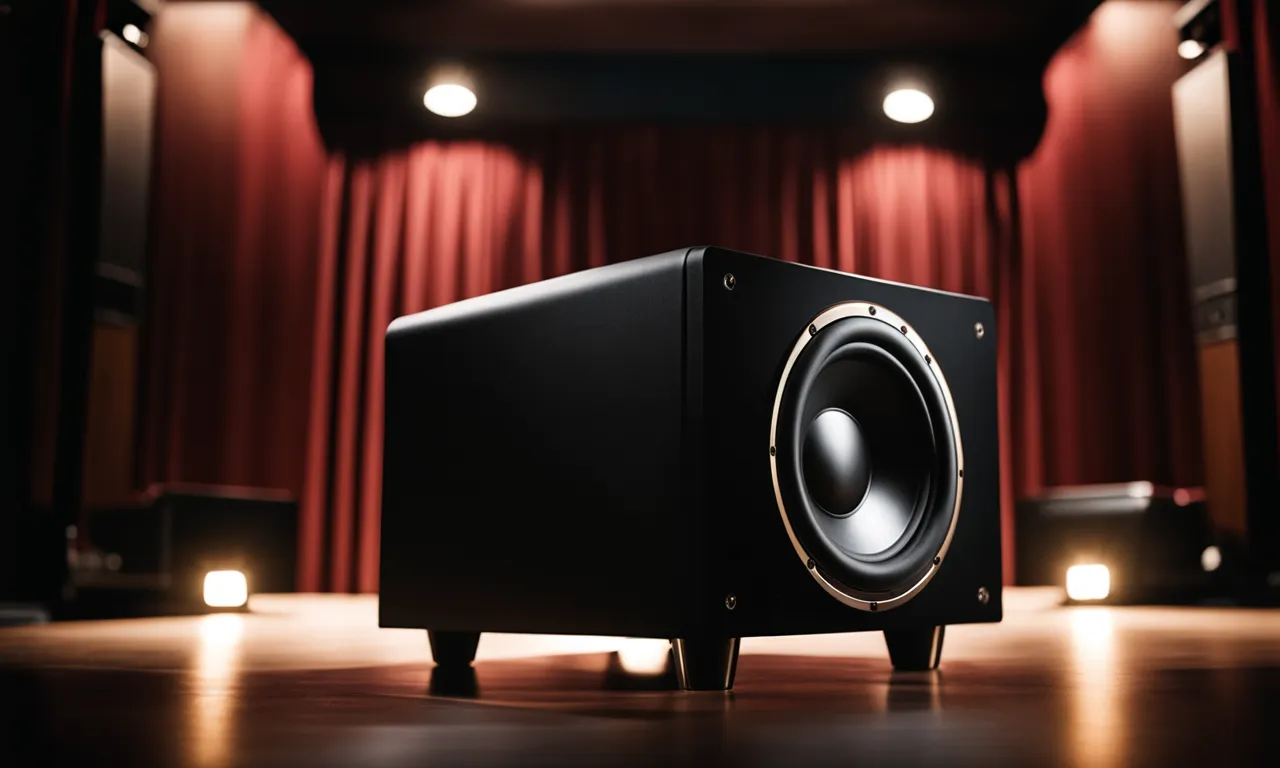
Integrating subwoofers into your audio system requires a thoughtful approach to ensure optimal sound quality and a balanced listening experience. This process is more than just adding a speaker; it involves strategic placement, understanding room acoustics, and addressing common challenges to achieve the best results.
The placement of subwoofers and the acoustics of the room play critical roles in delivering a satisfying audio experience. Subwoofers are unique in that they produce low-frequency sounds that can interact with the room’s dimensions and surfaces in ways that higher frequencies do not. Proper integration can enhance the overall sound, while poor placement can lead to issues like boomy or uneven bass.
Best Practices for Subwoofer Setup
To effectively integrate subwoofers into your audio system, it’s essential to follow best practices that optimize sound quality. Here are some key considerations:
- Placement: Ideally, place the subwoofer in a corner of the room to amplify its output. However, experimenting with placement away from walls can help reduce unwanted reflections and create a smoother bass response.
- Room Acoustics: Assess the room’s acoustics by considering factors like furniture, wall materials, and window placements. Soft furnishings can absorb sound and reduce echoes, leading to a more balanced audio output.
- Crossover Settings: Adjust the crossover frequency on your subwoofer to match the capabilities of your main speakers. A typical crossover setting is around 80 Hz, but this can vary based on the audio system configuration.
- Phase Alignment: Ensure that the subwoofer is phase-aligned with the main speakers. This adjustment allows for coherent sound waves, enhancing the integration of low frequencies with the rest of the audio spectrum.
- Calibration: Utilize room calibration features or software to measure and adjust your system’s frequency response. This process can help in identifying and correcting any frequency imbalances.
Challenges in Subwoofer Integration
When integrating subwoofers, several common challenges can arise. Understanding these issues can help in developing effective solutions.
Some frequent challenges include:
- Phase Issues: If the subwoofer is out of phase with the main speakers, it can result in cancellation of sound waves at certain frequencies. Adjusting the phase setting on the subwoofer can resolve this.
- Room Modes: Low-frequency sounds can create standing waves, leading to peaks and dips in bass response. Moving the subwoofer or adjusting its settings can help mitigate these effects.
- Overpowering Bass: Sometimes, subwoofers can overpower the rest of the audio system, leading to an unbalanced sound. Using a more moderate volume setting and ensuring proper crossover can help maintain balance.
“Successful integration of subwoofers not only enhances the listening experience but also showcases the full potential of your audio system.”
By applying these best practices while being mindful of common integration challenges, you can significantly improve your audio experience and enjoy deep, immersive sound that complements your entire audio setup.
The Role of Subwoofers in Various Audio Genres
Subwoofers play a crucial role in enhancing the audio experience across different music genres and cinematic audio. By delivering deep bass frequencies, they enrich the soundscape and create an immersive listening environment, making them essential for audiophiles and casual listeners alike. In this section, we will explore how subwoofers enhance various audio experiences, the distinct requirements for their performance across different genres, and notable examples that showcase their capabilities.
Enhancement of Listening Experience
Subwoofers significantly enhance the listening experience by providing impactful bass that supports and complements the overall sound. This enhancement is particularly noticeable in genres characterized by deep, resonant low frequencies. The ability of subwoofers to reproduce these frequencies allows listeners to feel the music in a visceral way, creating an engaging atmosphere whether at home or in a live setting.
-
In rock music, subwoofers deliver the thumping basslines and powerful kick drums that drive the energy of the tracks, making songs like “Kashmir” by Led Zeppelin an exhilarating experience.
-
In electronic music genres, such as house and techno, the pulsating beats are elevated by subwoofers, creating a full-bodied sound that is essential for tracks like “Titanium” by David Guetta featuring Sia.
-
For classical music, subwoofers emphasize the lower strings and percussion, enriching pieces like “The Rite of Spring” by Igor Stravinsky, where the deep notes add depth to the orchestral performance.
Performance Requirements in Different Genres
Different music genres have specific requirements for subwoofer performance to ensure that the audio is delivered accurately and powerfully. The design, power handling, and frequency response of subwoofers must be tailored to match the characteristics of each genre.
-
Rock music often requires subwoofers that can produce quick, punchy bass to keep up with fast tempos and dynamic changes.
-
Electronic music demands subwoofers that can reach very low frequencies without distortion, allowing the deep basslines to resonate throughout the listening environment.
-
Classical music benefits from subwoofers that provide clear, low-end reproduction to capture the depth of orchestral arrangements, enhancing the overall richness of the sound.
Iconic Tracks and Films Utilizing Subwoofers
Certain tracks and films showcase the capabilities of subwoofers, demonstrating how they can elevate the audio experience. These examples highlight the importance of deep bass in enhancing emotional engagement and immersive storytelling.
-
The film “Mad Max: Fury Road” uses subwoofers to create an intense auditory experience, with explosive action sequences heavily reliant on deep bass effects to enhance the visuals.
-
The track “Lose Yourself” by Eminem effectively utilizes subwoofers to amplify the driving beat and emotional weight of the lyrics, making it a powerful listening experience.
-
The soundtrack of “Inception” features compositions by Hans Zimmer that utilize low frequencies to build tension, with subwoofers enhancing the dramatic moments throughout the film.
Advanced Subwoofer Technologies and Innovations
The world of subwoofers has seen remarkable advancements, driven by the continuous evolution of technology. These innovations not only enhance audio performance but also improve user convenience and interactivity. As we delve into the latest trends in subwoofer technology, it’s important to understand how these developments impact both the sound experience and the overall usability for consumers.
Emerging Technologies in Subwoofer Design
The integration of wireless connectivity and smart features into subwoofers represents a significant shift in design and functionality. These advancements allow subwoofers to connect seamlessly with other audio devices, eliminating the clutter of wires and offering greater flexibility in placement.
- Wireless Connectivity: Modern subwoofers often utilize Bluetooth or Wi-Fi for connectivity, enabling users to stream music directly from their devices without physical connections.
- Smart Features: With the rise of smart home technology, subwoofers are increasingly being designed to integrate with home automation systems. Features like voice control, adaptive sound settings, and compatibility with smart assistants enhance the user experience significantly.
Active vs Passive Subwoofers
The distinction between active and passive subwoofers plays a crucial role in user experience. Active subwoofers come with built-in amplifiers, making them easy to set up and use. They are often preferred for home theater systems due to their efficiency and convenience.
Passive subwoofers, on the other hand, require external amplification, which can lead to more complex installations but may offer superior sound quality for audiophiles.
Active subwoofers provide a plug-and-play experience, while passive versions allow for customizable setups and potentially better performance in high-end audio systems.
Comparing Traditional and Modern Innovations
Traditional subwoofers typically relied on analog technology and wired connections, which limited placement options and integration capabilities. In contrast, modern subwoofers leverage digital signal processing (DSP) and advanced materials, resulting in better sound accuracy and power handling.
- Material Innovations: The use of composite materials in speaker cones improves durability and sound quality.
- DSP Technology: DSP allows for fine-tuning of sound profiles, enabling subwoofers to adapt to different room acoustics and personal preferences.
Future Trends in Subwoofer Technology
Looking ahead, the future of subwoofer technology is poised for further advancements. As audio technology evolves, we can anticipate even more integration with smart home systems and improvements in sound quality. Some potential trends include:
- Enhanced Wireless Formats: New wireless audio formats could offer higher fidelity and lower latency, making streaming even more appealing.
- Eco-Friendly Designs: The industry may shift towards sustainable materials and energy-efficient designs, reflecting growing environmental concerns.
These innovations are set to redefine how we experience sound in our homes, making subwoofers not just components of audio systems but integral parts of our connected environments.
DIY Subwoofer Building Techniques
Building a subwoofer from scratch can be a rewarding project, allowing you to customize sound quality to fit your personal preference and space. With the right materials and techniques, you can create a powerful subwoofer that outperforms many commercially available options. This guide provides a detailed step-by-step approach to constructing your own subwoofer, along with insights into the advantages of a custom build and tips for optimizing sound performance.
Materials and Tools Needed
Before starting your DIY subwoofer project, you need to gather the necessary materials and tools. Having everything on hand will streamline the construction process and help avoid interruptions.
- Materials:
- Subwoofer driver (woofer)
- Speaker enclosure (MDF, plywood, or particle board)
- Acoustic insulation (polyester or foam)
- Ports (if designing a ported enclosure)
- Wiring and connectors
- Wood glue or screws
- Finish (paint or veneer)
- Tools:
- Table saw or circular saw
- Drill and drill bits
- Wood clamps
- Measuring tape
- Router (optional for rounded edges)
- Screwdriver set
- Multimeter (for testing connections)
Step-by-Step Guide to Building a Subwoofer
The construction process involves several key steps that should be followed to achieve the best results. Each step is critical in ensuring that your subwoofer performs optimally.
- Design the Enclosure: Calculate the internal volume required for the subwoofer based on the driver specifications. A cubic design often works well for optimal performance.
- Cut the Panels: Use the table saw to cut the MDF or plywood panels to the required dimensions, ensuring clean and precise edges.
- Assemble the Enclosure: Join the panels using wood glue and screws for a sturdy build. Use clamps to hold the panels in place while the glue dries.
- Install the Driver: Cut a hole in the front panel for the driver, then secure the driver with screws. Ensure it’s airtight to prevent sound leakage.
- Add Insulation: Line the interior walls of the enclosure with acoustic insulation to minimize standing waves and enhance sound clarity.
- Finish the Surface: Paint or veneer the outer surface of the enclosure for aesthetic appeal, ensuring that it complements your home décor.
- Connect the Wiring: Wire the driver to the amplifier, making sure to maintain proper polarity to ensure the driver moves in the correct direction.
Advantages of Custom-Built Subwoofers
Creating a subwoofer from scratch offers several advantages over purchasing a commercial product. Custom builds allow for personalization in sound quality, design, and functionality.
- Tailored Performance: Design parameters can be adjusted to suit specific acoustic needs, such as room size and desired bass response.
- Cost-Effectiveness: Often, building a subwoofer can be more affordable than buying a similar quality unit from a store, especially when using budget-friendly materials.
- Learning Experience: The process of building enhances understanding of audio technology, sound dynamics, and electronics.
- Quality Control: You have full control over the materials and craftsmanship, ensuring a higher standard compared to mass-produced options.
Tips for Optimizing Sound Performance
To achieve outstanding sound quality from your DIY subwoofer, consider the following tips and tricks that can enhance performance.
- Placement: Position the subwoofer in a corner or against a wall to amplify bass response through boundary reinforcement.
- Tuning the Enclosure: If using a ported design, experiment with port dimensions to find the best tuning frequency for your driver.
- Use Isolation Pads: Place the subwoofer on isolation pads to minimize vibrations transmitted to the floor and improve sound clarity.
- Calibration: After installation, use a sound level meter to calibrate the subwoofer with your main speakers for balanced sound.
- Regular Maintenance: Check connections and driver condition periodically to maintain optimal performance over time.
“Building a subwoofer allows for unparalleled customization, ensuring you can achieve the perfect sound tailored to your listening environment.”
Common Problems and Maintenance Tips for Subwoofers

Subwoofers play a crucial role in enhancing audio experiences, creating deep, resonant bass that brings music and movies to life. However, users often encounter various problems that can hamper performance. It’s essential to recognize these issues and address them promptly to maintain the quality of sound. Furthermore, regular maintenance can extend the lifespan of your subwoofer, ensuring that you continue to enjoy rich audio for years to come.
Typical Issues Faced by Subwoofer Users
Understanding the common problems associated with subwoofers can help users troubleshoot effectively. Here are some of the most frequent issues experienced:
- Distorted Sound: This often results from improper settings or damaged components. Ensure volume levels are appropriately set, and inspect the subwoofer for any physical damage.
- No Sound Output: This could be due to a loose connection or power supply issues. Check all cables and connections, and ensure the subwoofer is powered on.
- Overheating: Prolonged use at high volumes may cause overheating. Ensure your subwoofer has adequate ventilation and avoid excessive volume levels.
- Subwoofer Buzzing or Humming: This issue may be due to ground loops or interference. Consider using a ground loop isolator or repositioning the subwoofer to reduce interference.
Routine Maintenance Practices
By implementing routine maintenance practices, you can significantly prolong the lifespan and performance of your subwoofer. Regular care ensures optimal performance and minimizes the likelihood of encountering technical difficulties.
- Regular Cleaning: Dust and debris can accumulate in and around your subwoofer, affecting sound quality. Periodic cleaning with a soft cloth and compressed air can prevent buildup.
- Check Cables and Connections: Inspect all cables for wear and tear. Replace damaged cables to avoid sound issues or signal loss.
- Monitor Settings: Periodically review your audio settings on both the subwoofer and the connected audio source. Adjust levels to match your listening environment and preferences.
- Professional Servicing: If you notice persistent issues, consider having your subwoofer serviced by a professional. They can identify underlying problems that may not be immediately apparent.
User Testimonials Highlighting Successful Solutions
Real-world experiences often provide valuable insights into addressing common subwoofer problems. Here are some testimonials from users who successfully resolved issues:
“I faced a buzzing noise from my subwoofer, which was driving me crazy. After a bit of research, I discovered it was due to a ground loop. Installing a ground loop isolator worked wonders!” – Alex T.
“My subwoofer stopped working one day, and I was convinced it was broken. It turned out that a cable was loose. Just tightening it up brought everything back to life!” – Jamie R.
“I learned the hard way about overheating. I used to crank up the volume for hours. Now, I always make sure to give it breaks and keep it well-ventilated, and it’s been running perfectly ever since.” – Sam L.
Closing Notes
In conclusion, subwoofers are more than just speakers; they are the heartbeat of any audio system, bringing music and sound effects to life like nothing else. By understanding their evolution, functionality, and the best practices for choosing and integrating them, you can elevate your listening experience to new heights. Whether you’re enjoying the latest blockbuster or your favorite album, the right subwoofer ensures that every note resonates and every moment is felt.
Common Queries
What is a subwoofer?
A subwoofer is a specialized speaker designed to reproduce low-frequency sounds, typically below 200 Hz, enhancing the depth and richness of audio.
Do I need a subwoofer for my audio system?
While not essential, a subwoofer greatly improves the audio experience by adding depth and clarity to bass frequencies, especially for music and movies.
Can I use a subwoofer for music and movies?
Absolutely! Subwoofers enhance both music and movie audio, providing a fuller sound that enhances the overall experience for various genres and formats.
What should I consider when positioning my subwoofer?
Consider room acoustics, subwoofer placement relative to walls, and the seating position for optimal bass response and sound quality.
How do I maintain my subwoofer?
Routine maintenance includes checking connections, keeping it clean, and ensuring it’s properly calibrated within your audio system.