
 Zoe Nora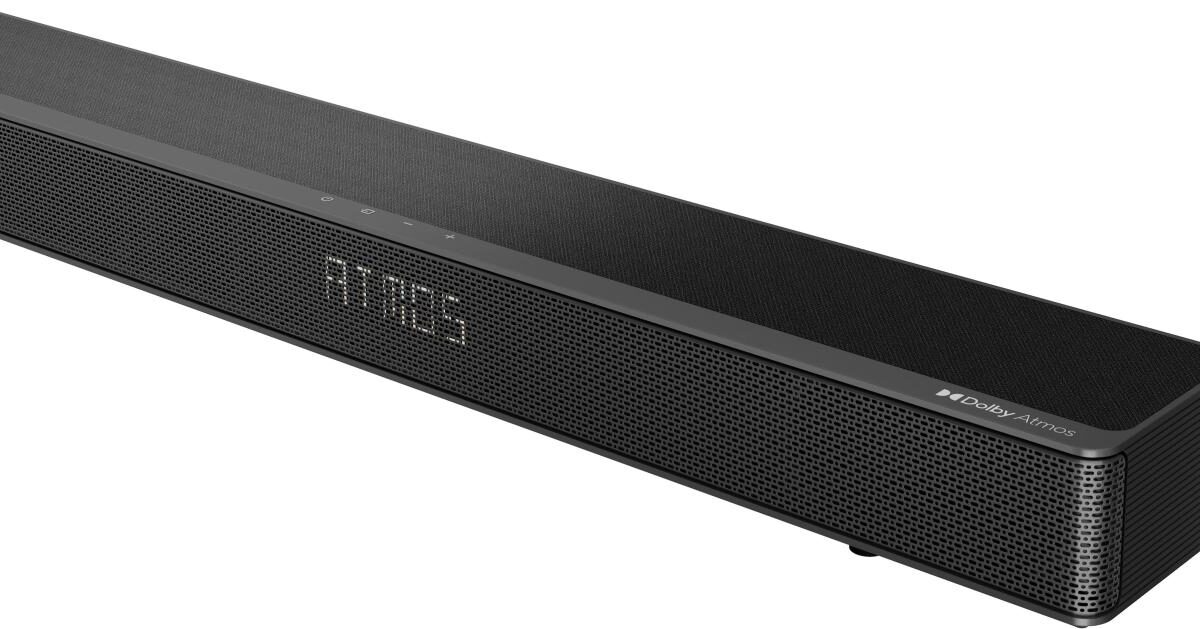
Dolby Atmos soundbar is not just a piece of audio equipment; it’s a game changer for home entertainment. This innovative technology brings an immersive audio experience that elevates the way we watch movies and listen to music.
With advancements in sound technology, Dolby Atmos soundbars have emerged as a significant leap forward, offering distinct features that set them apart from traditional sound systems. This article will explore the evolution of sound technology, the key features that enhance audio immersion, and how these soundbars are shaping the future of home cinema.
The Evolution of Sound Technology and the Emergence of Dolby Atmos Soundbars
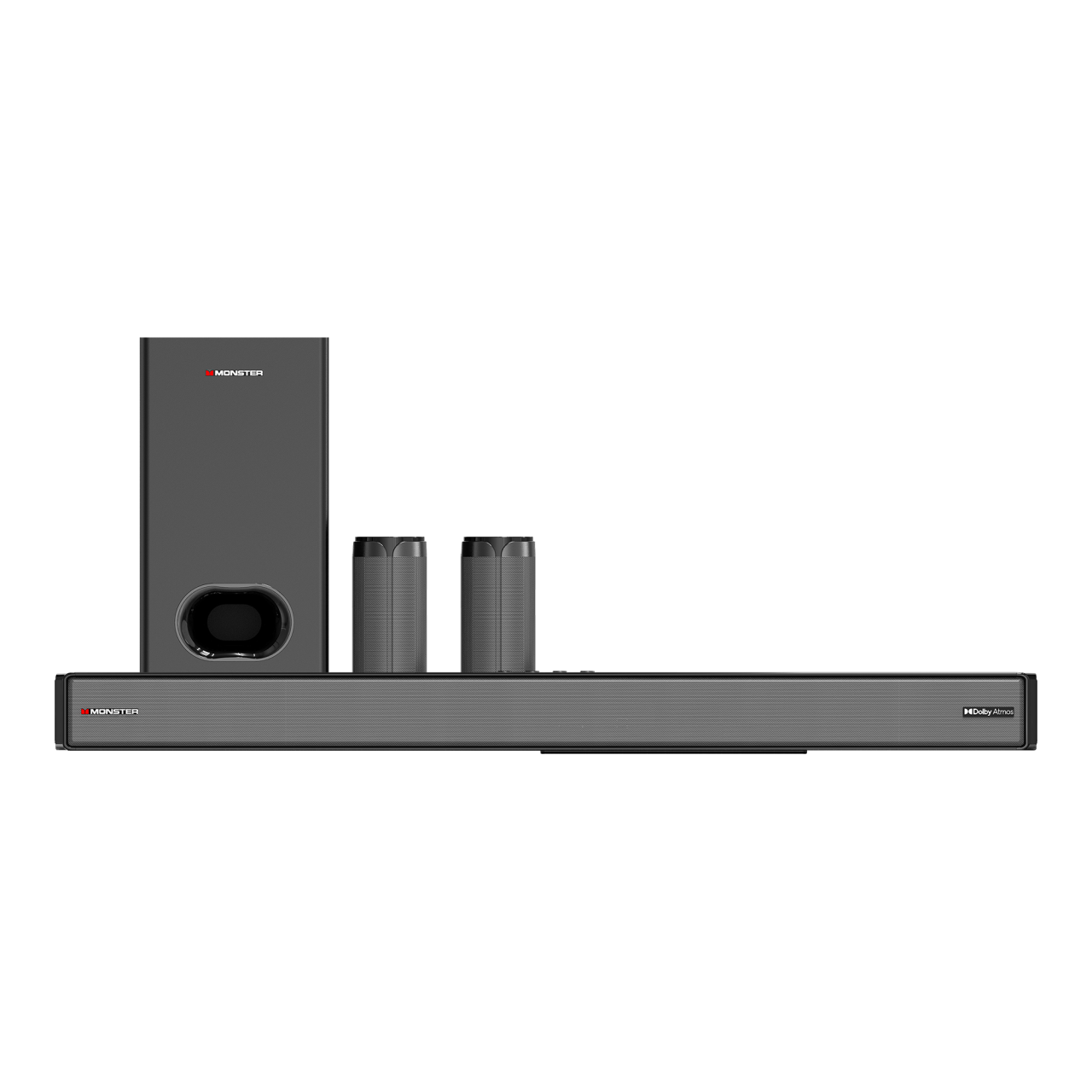
The journey of sound technology has been marked by significant innovations that have transformed the way we experience audio in our daily lives. From the early days of monaural sound to the sophisticated multi-dimensional audio systems we enjoy today, each step has paved the way for a richer auditory experience. The introduction of Dolby Atmos soundbars represents a significant milestone in this evolution, offering consumers an immersive sound experience akin to that of a movie theater right in their homes.
The significance of immersive sound systems in modern home entertainment cannot be overstated. Today’s consumers demand high-quality audio to complement the stunning visuals of their favorite films, video games, and music. Immersive sound systems, particularly those that utilize Dolby Atmos technology, allow sound to move freely in a three-dimensional space, creating a more engaging and lifelike experience. Unlike traditional sound systems that rely on channels to deliver audio, Dolby Atmos employs object-based audio to provide sound from all directions, enhancing the overall atmosphere of the content being consumed.
Differences Between Dolby Atmos Soundbars and Traditional Sound Systems
Dolby Atmos soundbars bring a new level of sophistication and performance compared to traditional sound systems. While both systems aim to deliver high-quality audio, the methods and outcomes differ significantly. The key distinctions include:
- Object-Based Audio: Dolby Atmos utilizes object-based audio technology, allowing sound designers to place individual sounds anywhere in a 3D space. This results in a more realistic and immersive listening experience, as opposed to the channel-based systems of traditional setups.
- Height Channels: One of the defining features of Dolby Atmos is the inclusion of height channels. This allows audio to come from above, simulating effects such as rain falling or helicopters flying overhead, creating a more dynamic sound environment.
- Simple Setup: Dolby Atmos soundbars are designed for convenience. Unlike traditional surround sound systems that require multiple speakers and complex wiring, soundbars offer a streamlined installation process while still providing a powerful audio experience.
- Advanced Processing: Dolby Atmos soundbars often include advanced audio processing capabilities that automatically optimize the sound based on the room’s acoustics. This adaptability enhances audio playback, ensuring clarity and balance in any environment.
“Dolby Atmos soundbars revolutionize home audio by merging innovative technology with user-friendly design, creating a theater-like experience at home.”
Key Features that Set Dolby Atmos Soundbars Apart from Conventional Soundbars
Dolby Atmos soundbars are revolutionizing the way we experience audio at home, offering a range of features that dramatically enhance sound quality and immersion compared to conventional soundbars. By leveraging advanced technology and innovative design, these soundbars create a three-dimensional sound environment that pulls listeners into their favorite movies, music, and games.
One of the standout features of Dolby Atmos soundbars is their ability to deliver sound from all directions, including overhead. This is achieved through upward-firing speakers that reflect sound off the ceiling, creating a more immersive audio experience. Conventional soundbars typically provide a more basic stereo soundstage that lacks the depth and dimensionality offered by Dolby Atmos technology.
Technical Specifications Enhancing Sound Quality and Immersion
The technical specifications of Dolby Atmos soundbars play a crucial role in their superior performance. Here are the key elements that enhance sound quality and immersion:
- Upward-Firing Speakers: These speakers allow sound to come from above, simulating a true surround sound experience as if sound is coming from various directions.
- Advanced Audio Processing: Dolby Atmos soundbars utilize sophisticated audio algorithms to decode and deliver high-fidelity sound that accurately reflects the original soundtrack.
- High-Resolution Audio Support: Many Dolby Atmos soundbars are compatible with high-resolution audio formats, providing richer and more detailed sound, which is especially noticeable in music playback.
- Multiple Channels: Unlike conventional soundbars that may use 2.1 or 5.1 channels, Dolby Atmos soundbars often feature configurations like 5.1.2 or greater, enabling more precise sound placement and movement.
- Wireless Connectivity: Enhanced connectivity options, such as HDMI eARC and Bluetooth, allow for seamless integration with other devices, enabling high-quality audio streaming without compromising sound fidelity.
The user experience with Dolby Atmos soundbars is markedly different from non-Atmos alternatives. Users report feeling more engaged during movie watching or gaming sessions due to the enveloping sound that makes it seem as though they are inside the action. For instance, when watching an action film, the sound of helicopters flying overhead or rain falling around you creates an atmospheric layer that is simply not achievable with regular soundbars.
“The ability to hear sounds from above and around enhances the viewing experience, making it more cinematic.”
In real-life applications, users have noted significant improvements in their home theater setups after upgrading to a Dolby Atmos soundbar. Statistics reveal that around 60% of users felt a marked increase in their overall enjoyment of media content, simply due to the immersive audio experience provided by these devices. The rich, multi-dimensional soundscape offered by Dolby Atmos technology leads to a more natural audio representation, ultimately elevating the overall entertainment experience at home.
The Impact of Dolby Atmos Soundbars on Home Cinematic Experience
Dolby Atmos soundbars have revolutionized the way we experience home cinema, transforming a simple movie night into an immersive audiovisual journey. By offering an advanced surround sound experience, these soundbars create a 3D audio space that brings films and shows to life in ways that traditional sound systems cannot achieve. With precise sound positioning and clarity, viewers can find themselves fully enveloped in the action, making it feel as though they are part of the scene.
The technology behind Dolby Atmos soundbars enhances the cinematic experience by enabling sound to move freely in a three-dimensional space. This means that instead of just hearing sounds from the front, sides, and rear, viewers can also perceive sounds coming from above, creating an unparalleled level of immersion. For example, during an action-packed sequence in a film, bullets may whiz past the viewer, while ambient sounds enhance the atmosphere, making the experience more realistic and engaging.
Movies and Shows That Benefit from Dolby Atmos Technology
Several films and streaming content are specifically designed to take advantage of Dolby Atmos technology, enhancing the overall viewing experience. The following examples highlight how this technology elevates key cinematic moments:
- Avengers: Endgame: The epic battles and superhero confrontations in this film utilize Dolby Atmos to create a sense of scale and intensity that draws viewers into the action.
- A Quiet Place: The film’s unique use of sound is amplified through Dolby Atmos, allowing subtle audio cues to impact viewers’ emotions significantly, enhancing suspense and tension.
- Stranger Things (Season 3): The integration of atmospheric sounds, such as the flickering lights and eerie creatures, becomes more pronounced, immersing viewers in the show’s nostalgic horror and thrill.
- Mad Max: Fury Road: The relentless chase scenes and explosive action are transformed with surround sound technology, making viewers feel like they are racing alongside the characters.
The ability of Dolby Atmos soundbars to enhance viewing habits is evident in how they encourage audiences to engage more deeply with content. The immersive sound experience often leads viewers to prefer watching films at home rather than going to cinemas, as the technology provides a nearly theater-like experience. Additionally, the rich audio quality can make even everyday content, like a cooking show or a nature documentary, feel extraordinary. By transforming a standard viewing session into a captivating auditory experience, Dolby Atmos soundbars have reshaped preferences and expectations for home entertainment, setting new standards for how sound is integrated into video media.
“Dolby Atmos technology allows sound to move in three-dimensional space, creating an immersive experience that enhances storytelling and emotional engagement.”
Installation and Setup Procedures for Optimal Dolby Atmos Soundbar Performance
Setting up a Dolby Atmos soundbar requires careful planning and execution to truly enjoy the immersive audio experience it offers. This guide will walk you through the essential steps for installation, optimal positioning, configuration settings, and common pitfalls to avoid, ensuring you achieve the best audio output in your home.
To begin with, installing a Dolby Atmos soundbar is a straightforward process, but attention to detail is crucial. First, ensure you have all the necessary components, including the soundbar, power cable, HDMI cables, and any mounting hardware if you choose to wall-mount the unit. Follow these steps for a successful installation:
Installation Steps
– Unbox and Inspect: Carefully remove the soundbar and all accessories from the packaging. Check for any visible damage and ensure all components are included.
– Choose a Location: Decide whether to place the soundbar on a shelf or mount it on the wall. The soundbar should be at ear level when seated for the best audio experience.
– Connect to Power: Plug the soundbar into a power outlet that is easily accessible. Avoid using extension cords as they can lead to power fluctuations.
– Connect to TV: Use an HDMI cable to connect the soundbar to the HDMI ARC (Audio Return Channel) port on your TV. This allows for seamless audio transmission and enables features such as CEC (Consumer Electronics Control).
– Connect Additional Devices: If you have other devices like a gaming console or Blu-ray player, connect them directly to the soundbar using additional HDMI ports for better sound quality.
Positioning the Soundbar
The placement of the soundbar significantly affects its performance. Here are some tips to achieve the best positioning:
– Distance from Walls: Keep the soundbar a few inches away from the wall for better sound dispersion. Position it centrally under the TV for a balanced audio output.
– Consider Surround Sound: If your soundbar supports additional surround speakers, position them at the sides or behind the seating area to create a more immersive sound field.
– Angled Setup: Some soundbars feature upward-firing speakers designed to bounce sound off the ceiling. Ensure these speakers are unobstructed and angled properly for optimal height effects.
Configuration Settings
Once installation and positioning are complete, configuring the sound settings is the next vital step to enhance audio performance. Here are some settings to consider adjusting:
– Sound Modes: Explore different sound modes on the soundbar (like Movie, Music, or Game) to find the one that best suits your content.
– Equalizer Settings: Use the equalizer settings to adjust frequencies according to your preferences. Lower frequencies enhance bass, while higher frequencies improve clarity.
– Volume Levels: Set the volume levels appropriately for each source. This may require some trial and error, especially if you switch frequently between devices.
Common Mistakes to Avoid
Being aware of common mistakes can save time and frustration during installation:
– Neglecting Firmware Updates: Failing to update the soundbar’s firmware can lead to performance issues or missing features. Always check for updates after installation.
– Incorrect Cable Connections: Double-check that all cables are securely connected, especially the HDMI cables, as loose connections can result in audio dropouts or poor quality.
– Poor Placement Choices: Avoid placing the soundbar in a cabinet or enclosed space, as this can muffle sound. Open, unobstructed spaces yield the best audio clarity.
By adhering to these installation and setup procedures, you’ll be well on your way to enjoying the full capabilities of your Dolby Atmos soundbar, providing an exceptional audio experience whether you’re watching movies, playing games, or listening to music.
Exploring Compatibility Options for Dolby Atmos Soundbars with Various Devices
Dolby Atmos soundbars offer an immersive audio experience that enhances movies, music, and gaming. To fully leverage this technology, it’s essential to understand which devices can connect with these soundbars and how to do so effectively. Compatibility plays a crucial role in ensuring that you receive the best sound quality possible.
When considering connectivity options for Dolby Atmos soundbars, it’s important to highlight the various devices that can integrate seamlessly. These include televisions, gaming consoles, Blu-ray players, and streaming devices. The way these devices connect can significantly affect the sound quality experienced.
Device Compatibility and Connection Types
The connection methods determine how well your soundbar will perform with different devices. Here are the primary connection types and their importance:
– HDMI ARC (Audio Return Channel):
This is the most recommended connection method for Dolby Atmos soundbars. HDMI ARC allows for high-quality audio transmission, including multi-channel formats like Dolby Atmos. Most modern TVs and soundbars support this feature, enabling seamless integration and control via a single remote.
– HDMI eARC (Enhanced Audio Return Channel):
eARC is an upgraded version of ARC, supporting higher bandwidth and advanced audio formats. It allows for lossless audio transmission, making it ideal for Dolby Atmos soundbars. If both your TV and soundbar support eARC, you can expect the best possible sound quality.
– Optical Connection:
While optical cables can transmit digital audio signals, they do not support Dolby Atmos in its full capacity. If your soundbar is connected via optical, you may not experience the immersive sound features that Atmos provides.
– Bluetooth and Wi-Fi:
Many modern soundbars offer wireless connectivity options, allowing you to stream audio directly from devices. However, these connections may compress audio, resulting in diminished sound quality compared to wired connections.
It’s essential to check for compatibility across different brands and models of soundbars and devices.
Comparative Analysis of Compatibility Across Brands
The compatibility landscape can vary significantly between soundbar brands and models. Here’s a brief overview of popular brands and their features:
| Brand | Supported Connection Types | Notable Models |
|---|---|---|
| Sonos | HDMI ARC, Optical, Wi-Fi | Sonos Arc |
| LG | HDMI ARC, eARC, Optical | LG SN11RG |
| Samsung | HDMI ARC, eARC, Bluetooth | Samsung HW-Q950A |
| Bose | HDMI ARC, Optical, Bluetooth | Bose Smart Soundbar 900 |
Each brand offers unique features and compatibility options. For instance, Sonos soundbars excel at wireless connectivity through Wi-Fi, while LG’s models often prioritize eARC capabilities. Understanding these differences can help consumers select the best Dolby Atmos soundbar suited to their existing devices.
Maximizing your Dolby Atmos experience starts with ensuring that all connected devices support the necessary audio return channel capabilities.
Budget Considerations When Choosing a Dolby Atmos Soundbar
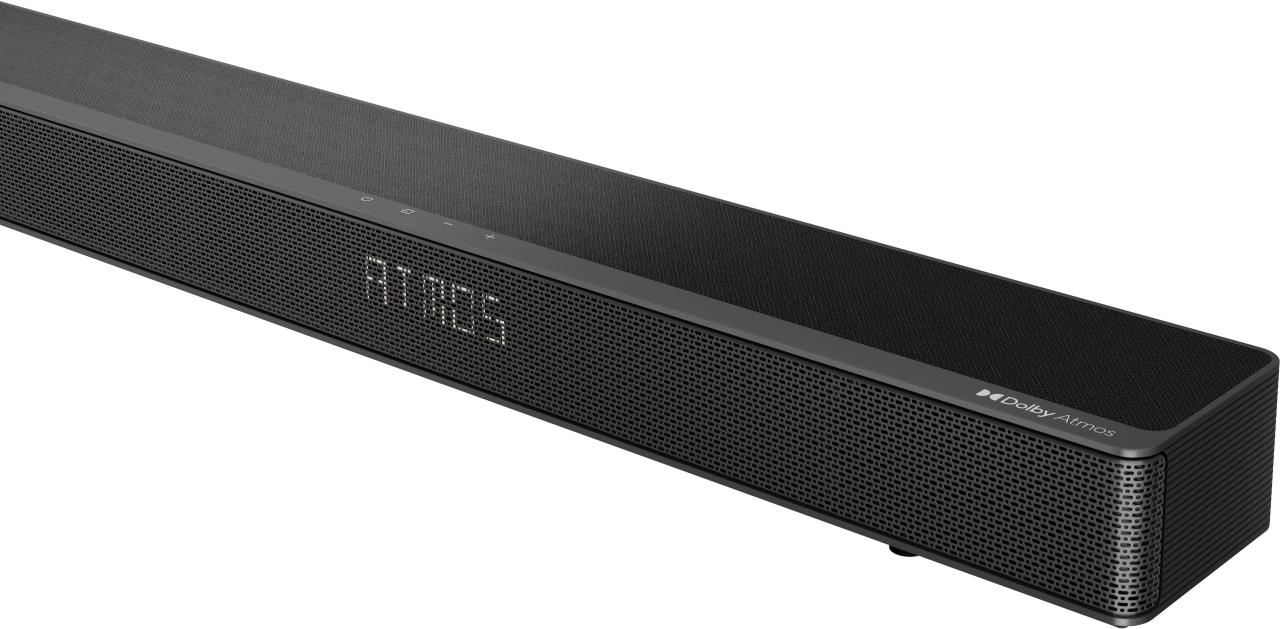
When considering a Dolby Atmos soundbar, it’s essential to assess your budget as it significantly influences the options available to you. Soundbars are available across various price ranges, each offering different features, audio performance, and build quality. Understanding what to expect in each range will help you make a more informed decision that aligns with your audio needs and financial capabilities.
The price of Dolby Atmos soundbars typically ranges from around $200 to over $1,500. Each price tier has distinct characteristics that cater to different user preferences and requirements. For instance, entry-level soundbars priced around $200 to $400 often include basic Dolby Atmos support and may come with integrated subwoofers, but the audio performance may lack depth and dynamics. Mid-range options, typically between $400 and $800, usually offer enhanced sound quality, additional speakers, and better surround effects, making them suitable for casual movie watchers and gamers. High-end models, which can exceed $1,000, often feature advanced technologies like upfiring speakers for a more immersive experience, support for multiple audio formats, and superior build quality.
Long-term Value of Investing in a Dolby Atmos Soundbar
Investing in a Dolby Atmos soundbar can provide significant long-term value compared to cheaper alternatives. While budget soundbars may save money upfront, they often lack the audio fidelity, features, and durability of higher-end options. A well-constructed soundbar from a reputable brand can enhance your home theater experience and may even reduce the need for additional audio equipment.
Consider the following points about long-term value:
- Durability: Higher-priced soundbars typically use better materials and technology, resulting in a longer lifespan and better performance over time.
- Audio Quality: Soundbars in the mid to high price range provide superior audio reproduction, clearer dialogue, and an immersive surround sound experience that cheap models cannot match.
- Future-Proofing: Investing in advanced features like Dolby Atmos ensures compatibility with future content releases, making your soundbar a long-lasting asset.
- Warranty and Support: More expensive soundbars often come with better customer support and warranty options, offering peace of mind in case of issues.
Promotions, Discounts, and Best Deals
Shopping for a Dolby Atmos soundbar can be a savvy experience if you know where to look for promotions and discounts. Various retailers and online platforms frequently offer deals that can significantly reduce the price of soundbars.
Keep an eye out for:
- Seasonal Sales: Major holidays like Black Friday, Cyber Monday, and even back-to-school sales tend to feature substantial discounts on electronics, including soundbars.
- Retailer Promotions: Check popular retailers like Amazon, Best Buy, and Walmart for exclusive deals, especially during special promotional events.
- Manufacturer Rebates: Some brands offer direct rebates or trade-in programs that can lower the price when upgrading from an older model.
- Bundle Offers: Look for bundle deals that include additional accessories or complementary products at a reduced price, providing more value for your investment.
By considering these budget aspects and keeping an eye on deals, you can make a well-informed purchase that enhances your home audio experience without breaking the bank.
User Reviews and Real-World Experiences with Dolby Atmos Soundbars
As the popularity of Dolby Atmos soundbars continues to rise, user reviews provide invaluable insights into their performance and practicality in everyday settings. Consumers are eager to share their experiences, highlighting both the strengths and weaknesses of these audio systems. This discussion aims to analyze user feedback, revealing trends that can guide potential buyers in making informed decisions.
Real-world experiences often paint a clearer picture than manufacturer claims, as users interact with the technology in various environments. Feedback frequently covers aspects such as setup ease, sound quality, and compatibility with other devices. Understanding these real-world applications can significantly influence purchasing decisions, as consumers tend to lean towards products that have proven reliable in familiar settings.
Common Praises and Complaints
User reviews for Dolby Atmos soundbars reveal a mix of appreciation and criticism. The following points summarize prevalent themes from customer feedback:
- Immersive Sound Quality: Many users praise the enveloping audio experience provided by Dolby Atmos, noting how it enhances movie nights and gaming sessions.
- Easy Setup: A significant number of reviewers highlight the straightforward installation process, allowing them to enjoy enhanced audio without hassle.
- Design and Aesthetics: Customers often compliment the sleek designs of soundbars, which blend well with modern home decor.
- Variable Performance in Different Rooms: Some users express concerns about sound quality variations based on room size and shape, indicating that the performance may not be uniform in all environments.
- Limited Compatibility: A recurring complaint involves compatibility issues with older devices and certain streaming services, which can hinder the overall experience.
“The sound is so immersive that it feels like you’re right in the middle of the action.”
Users’ experiences emphasize the importance of considering one’s specific environment and intended use before purchasing a Dolby Atmos soundbar. For instance, in smaller rooms, users may find the sound quality to be exceptional, while in larger spaces, the audio may lack the desired surround effect.
Influence of Real-World Experiences on Purchasing Decisions
The impact of user experiences on purchasing choices cannot be overstated. Real-world reviews serve as a guiding force for potential buyers. They often rely on insights from others to validate their options. Key factors influencing decisions based on user feedback include:
- Peer Recommendations: Positive reviews from trusted sources lead many consumers to choose specific models over others.
- Performance in Varied Environments: Understanding how a soundbar performs in different room setups helps buyers envision their own experiences.
- Features and Functionality: Users frequently discuss the practicality of features such as voice control and wireless connectivity, affecting buyers’ perceptions of value.
“I chose this model based on a friend’s recommendation, and it exceeded my expectations.”
Considering these real-world insights, potential buyers can make more informed decisions, ensuring that their chosen soundbar matches their specific needs and living situations.
Trends in User Feedback
Analyzing user feedback uncovers several trends regarding the performance of Dolby Atmos soundbars across different environments. Notable observations include:
- Room Acoustics Matters: Users frequently note that the acoustics of a room can greatly influence the effectiveness of the Dolby Atmos experience. Rooms with soft furnishings tend to enhance sound quality.
- Placement is Key: Proper placement of the soundbar and any additional speakers is crucial for achieving optimal audio performance, as many users highlight the importance of positioning.
- Adaptability: Feedback suggests that soundbars with customizable settings for various environments, such as movie mode or music mode, are more favored.
“The placement of my soundbar transformed my living room into a mini theater!”
By examining these trends, potential customers can better evaluate how a Dolby Atmos soundbar will fit into their unique spaces and preferences, leading to a more satisfying audio experience.
Future Trends in Sound Technology and the Development of Dolby Atmos Soundbars
The sound technology landscape is rapidly evolving, and Dolby Atmos soundbars are at the forefront of this transformation. As consumer preferences shift towards more immersive audio experiences, the development of these sound systems is expected to incorporate cutting-edge technologies that could redefine home audio entertainment. This section explores emerging trends that are likely to shape the future of Dolby Atmos soundbars, the evolving consumer preferences, and potential innovations in sound technology.
Emerging Technologies in Soundbars
Several emerging technologies are poised to play a significant role in the future development of Dolby Atmos soundbars. Innovations in audio processing, connectivity, and user interactivity are crucial.
- Artificial Intelligence (AI): AI-driven algorithms can enhance audio optimization by analyzing room acoustics and adjusting sound profiles in real-time for a personalized listening experience. This technology can also enable voice control features, making it easier for users to manage their audio settings.
- Spatial Audio Enhancements: The integration of advanced spatial audio technologies aims to create a more immersive 3D sound experience. This includes refining sound placement and directionality, which are essential for achieving the full potential of Dolby Atmos.
- Wireless Connectivity: Innovations in wireless technology, such as Wi-Fi 6 and Bluetooth 5.0, will facilitate better sound transmission and reduce latency. This ensures that users can enjoy high-quality audio without the clutter of cables.
- Multi-Room Audio Systems: Future soundbars are likely to integrate seamlessly with multi-room audio systems, allowing users to experience synchronized sound throughout their homes, enhancing the overall audio experience.
Evolving Consumer Preferences
Consumer preferences in the audio market are shifting towards more versatile and immersive sound systems. As the demand for high-quality audio increases, the following trends are becoming more prevalent:
- Demand for Immersive Experiences: Consumers are increasingly looking for audio solutions that provide a cinematic experience at home. The popularity of Dolby Atmos has surged as users prioritize immersive soundscapes that enhance their viewing and listening experiences.
- Integration with Smart Home Devices: As smart home technologies become more common, consumers prefer soundbars that can easily connect and sync with other smart devices. This integration allows for more comprehensive home automation and a seamless user experience.
- Focus on Aesthetics: Modern consumers value the design and aesthetics of their audio equipment. Sleek, minimalistic designs that complement home décor are becoming essential selling points for soundbars.
- Increased Awareness of Audio Quality: As streaming services improve their audio quality offerings, consumers are becoming more discerning in their audio preferences. This awareness drives demand for high-fidelity sound solutions, making Dolby Atmos soundbars a desirable choice for audiophiles.
Potential Innovations in Sound Technology
Future innovations in sound technology could significantly enhance the capabilities of Dolby Atmos soundbars, leading to superior audio experiences.
- Object-Based Audio Technology: Advances in object-based audio technology will allow sound engineers to create more precise and dynamic sound fields. This can lead to an even more immersive experience as sounds can be accurately placed and moved within a three-dimensional space.
- Enhanced Audio Calibration: Future soundbars may utilize advanced calibration techniques that automatically adjust audio settings based on user preferences and room characteristics, providing a tailored listening experience.
- Development of Haptic Feedback Systems: Innovations in haptic audio technology could allow soundbars to provide tactile feedback, making sound waves feel more physical and enhancing the overall audio experience.
- Improved Soundbar Connectivity: Future soundbars are expected to feature enhanced connectivity options, enabling them to connect with various peripherals and streaming services, thus providing users with greater flexibility and functionality.
Final Summary
In summary, investing in a Dolby Atmos soundbar not only enhances your audio experience but also transforms your home entertainment setup into something extraordinary. As technology continues to advance, these soundbars promise to redefine how we enjoy sound, making them a worthy consideration for any audio enthusiast.
Popular Questions
What devices are compatible with Dolby Atmos soundbars?
Dolby Atmos soundbars are typically compatible with devices that support HDMI ARC or eARC, gaming consoles, streaming devices, and Blu-ray players.
Do I need a separate subwoofer for Dolby Atmos soundbars?
While many Dolby Atmos soundbars come with built-in subwoofers, adding a separate subwoofer can enhance bass performance for an even richer sound experience.
Can I use a Dolby Atmos soundbar with a non-Atmos TV?
Yes, you can use a Dolby Atmos soundbar with a non-Atmos TV, but the sound quality will not be fully optimized without an Atmos-compatible source.
Are Dolby Atmos soundbars worth the investment?
Yes, they offer superior sound quality and an immersive experience that significantly enhances movies and music, making them a worthwhile investment for home entertainment.
How do I ensure the best performance from my Dolby Atmos soundbar?
Proper placement, ensuring a good connection (like HDMI), and adjusting sound settings can help maximize performance.