
 Zoe Nora
Surround sound speakers have revolutionized the way we experience audio, transforming traditional setups into immersive soundscapes that engulf listeners. With the evolution of audio technology, these speakers have become integral to home theaters, providing a cinematic experience from the comfort of your living room.
From mono and stereo systems to the sophisticated surround sound configurations available today, advancements in technology have significantly improved sound quality and speaker design. This overview will explore the different types of surround sound setups, their configurations, and how to choose the best option tailored to your preferences and space.
The evolution of surround sound speakers from traditional audio systems to modern home theaters
The journey of surround sound speakers has significantly transformed how we experience audio, moving from basic mono setups to complex, immersive home theater systems. This evolution is not just about adding more speakers; it’s about enhancing the overall auditory experience, making it more lifelike and engaging. Key milestones in audio technology have played a crucial role in this transformation, facilitating advancements that have forever changed our interaction with sound.
Key Milestones in Audio Technology
The development of surround sound speakers is marked by several important technological innovations that have progressively improved audio experiences. Some key milestones include:
- Mono Sound (Early 20th Century): The first audio systems were mono, utilizing a single channel to produce sound. This limited the listening experience, as it lacked depth and spatial awareness.
- Stereo Sound (1930s): The introduction of stereo sound added a second channel, allowing for a more immersive experience. Listeners could perceive a sense of directionality in sound, enhancing the realism of music and audio playback.
- Quadraphonic Sound (1970s): The 1970s saw the advent of quadraphonic sound, which utilized four channels for audio output. This setup provided a more enveloping experience, although it struggled with standardization and consumer acceptance.
- Digital Surround Sound (1990s): The transition to digital technology brought formats like Dolby Digital and DTS. These advancements enabled multi-channel sound systems, paving the way for modern surround sound setups.
- High-Definition Formats (2000s): The introduction of formats such as Dolby TrueHD and DTS-HD Master Audio allowed for lossless audio quality, significantly improving the fidelity of home theater systems.
- Wireless Surround Sound (2010s): Advances in wireless technology made it possible to set up surround sound systems without the clutter of cables. This innovation allowed for more flexible speaker placements and simplified installations.
Differences Between Mono, Stereo, and Surround Sound Setups
Understanding the distinctions between mono, stereo, and surround sound setups is essential for appreciating the evolution of audio technology. Each of these configurations serves a different purpose and provides a unique listening experience:
- Mono: A single channel with one speaker. Sound is delivered uniformly, lacking spatial orientation and depth.
- Stereo: Two channels, typically through left and right speakers, creating a sense of space and directionality. This setup enhances music and audio playback by allowing listeners to hear nuances from different angles.
- Surround Sound: Multiple channels (usually five or more) that provide an immersive audio experience. This configuration places speakers around the listener, delivering sound from various directions, simulating a three-dimensional environment.
Impact of Advancements in Technology on Sound Quality and Speaker Design
Technological advancements have dramatically influenced sound quality and speaker design, marking significant progress in audio engineering. These advancements can be categorized into several key areas:
- Driver Technology: Modern speakers utilize advanced driver designs that improve clarity and reduce distortion, allowing for a richer sound experience across all frequencies.
- Materials Innovation: High-quality materials such as Kevlar and aluminum have been employed to construct speaker cones and enclosures, enhancing durability and sound fidelity.
- Room Calibration Technologies: Systems like Audyssey and YPAO automatically adjust speaker output based on the acoustics of a room, optimizing sound quality in various environments.
- Smart Technology Integration: Many contemporary surround sound systems incorporate smart technology, enabling voice control and integration with smart home systems, enhancing user convenience and functionality.
- Compact and Aesthetic Designs: Modern speakers are designed to be visually appealing and compact, aligning with contemporary home decor while providing powerful sound performance.
“Advancements in technology have transformed audio experiences, enabling listeners to engage with sound in ways that were once unimaginable.”
The various types of surround sound speaker configurations available in the market
Surround sound speaker configurations provide an immersive audio experience that enhances movies, music, and gaming. As technology evolves, consumers have a variety of options to consider based on their space, budget, and audio preferences. The most common configurations include 5.1, 7.1, and Dolby Atmos setups, each offering unique features and benefits.
Common Surround Sound Configurations
Understanding the differences between various surround sound configurations assists consumers in selecting the best option for their needs. Below are three popular configurations along with their unique characteristics.
| Configuration | Speaker Setup | Benefits | Drawbacks |
|---|---|---|---|
| 5.1 Surround Sound | 5 speakers (left, center, right, left surround, right surround) + 1 subwoofer |
|
|
| 7.1 Surround Sound | 7 speakers (all 5.1 speakers + 2 additional rear speakers) + 1 subwoofer |
|
|
| Dolby Atmos | Traditional 5.1 or 7.1 setup + overhead speakers or upward-firing speakers |
|
|
Choosing the right surround sound configuration can greatly enhance your audio experience, making it essential to consider your room size, budget, and audio needs.
When selecting a surround sound configuration, consumers should consider several critical factors. Room size is paramount; smaller spaces may be overwhelmed by a 7.1 or Dolby Atmos setup, while larger areas can benefit from the multi-channel experience. Additionally, the type of content consumed—whether movies, gaming, or music—can influence the choice, as certain configurations enhance specific formats better. Budget constraints also play a significant role, as some setups require more investment in both equipment and installation. Lastly, compatibility with existing audio systems or streaming services should be evaluated to ensure seamless integration.
The importance of speaker placement for optimal surround sound experience
Proper speaker placement is crucial in achieving an immersive surround sound experience in your home theater. The way speakers are positioned can significantly affect sound quality, clarity, and the overall auditory experience, making it essential to consider their placement carefully. Understanding the ideal setup can enhance your movie nights or gaming sessions, creating a more engaging atmosphere.
Ideal placement for surround sound speakers in a typical home theater setup
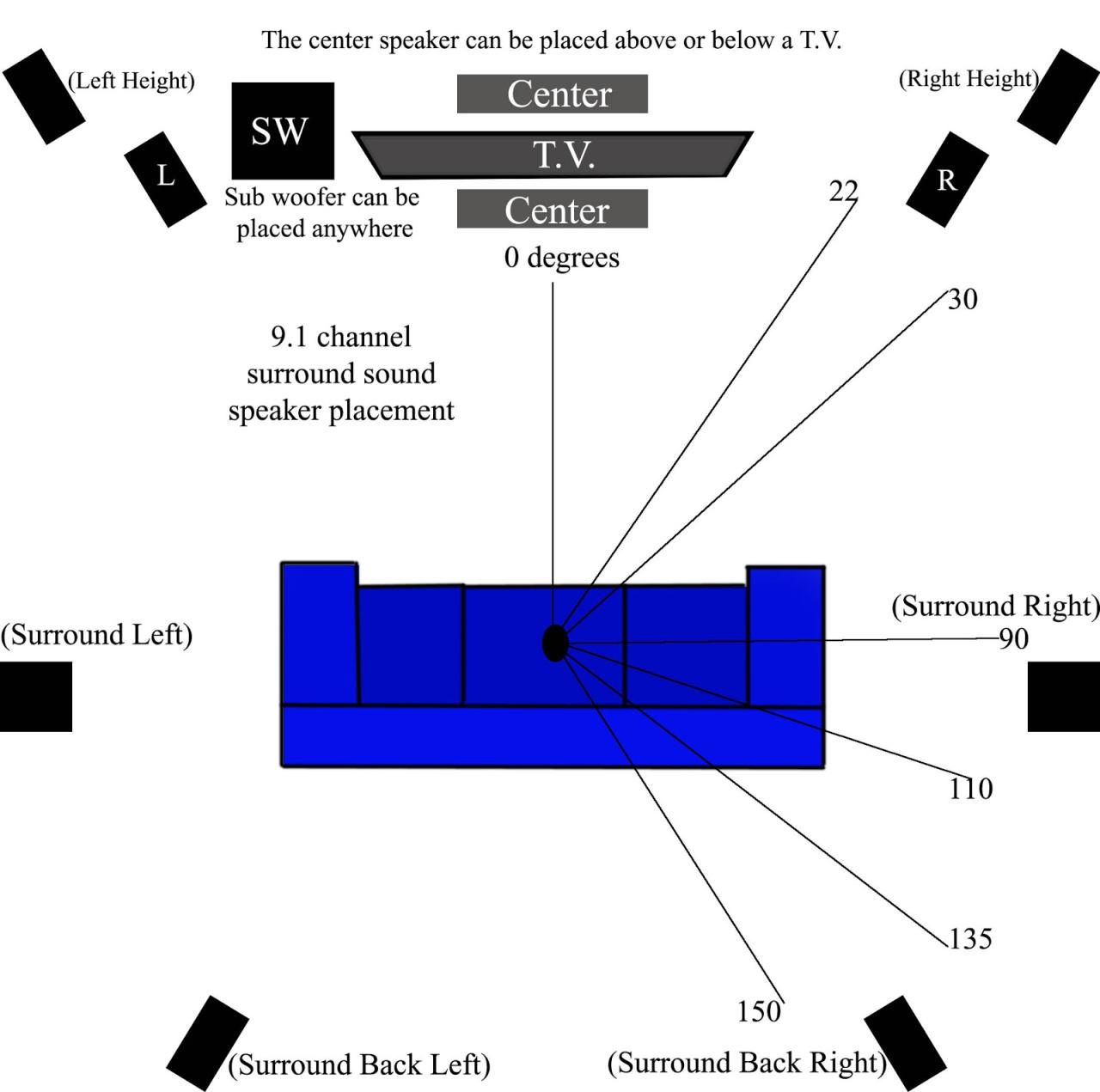
In a standard 5.1 surround sound setup, the arrangement of speakers plays a vital role in delivering an enveloping audio experience. The configuration typically includes five speakers and one subwoofer, arranged as follows:
- Front Left and Right Speakers: Placing these speakers at ear level, about 22 to 30 degrees from the center, delivers a wide soundstage.
- Center Channel Speaker: This speaker should be positioned directly above or below the screen, aligning with the listener’s ear height for clear dialogue reproduction.
- Surround Left and Right Speakers: These should be placed slightly above ear level, approximately 90 to 110 degrees from the listening position, allowing for a more immersive experience.
- Subwoofer: The placement of the subwoofer can vary; it can be positioned in a corner or along a wall, but experimenting with its location is crucial to find the right balance of bass response.
The impact of room acoustics on speaker performance and sound quality is significant. Room dimensions, furnishings, and materials can either enhance or hinder sound clarity. For instance, a room filled with soft furnishings will absorb sound, reducing echo and promoting a more balanced audio experience. In contrast, a room with hard surfaces can create unwanted reflections, leading to muddiness in sound.
Adjusting speaker placement based on room size and shape
The size and shape of your room can necessitate adjustments in speaker placement for optimal sound performance. It’s essential to consider the following aspects when setting up your speakers:
- Room Size: In larger rooms, you may need to space speakers wider apart to maintain sound coherence, while smaller rooms can benefit from tighter placements.
- Room Shape: Rectangular rooms may require different configurations than square rooms; for example, placing surround speakers along the longer wall can help create a more immersive experience.
- Acoustic Treatment: Adding rugs, curtains, or acoustic panels can significantly improve sound quality by minimizing reflections and ensuring clearer audio.
By taking the time to analyze your space and adjusting speaker positions accordingly, you can greatly enhance your surround sound experience, ensuring that every cinematic moment is as impactful as intended.
How to choose the best surround sound speakers according to your personal preferences and budget
Selecting the right surround sound speakers can significantly enhance your audio experience, whether you’re watching movies, playing video games, or listening to music. With a variety of options available, it’s crucial to consider your personal preferences and budget. Understanding specific criteria can help you make an informed decision that aligns with your needs.
When choosing surround sound speakers, several key factors should be taken into account to ensure you get the best match for your audio preferences. The most important criteria include sound quality, brand reputation, and price. Sound quality is paramount, as it directly impacts your listening experience. Look for speakers that provide clarity, depth, and a balanced sound profile. Brand reputation can also guide you in selecting reliable options; longstanding manufacturers often have a proven track record of quality and innovation. Finally, price is a significant consideration; establish a budget that aligns with your expectations for performance and longevity.
Comparison of speaker options based on budget tiers
Understanding the distinctions between entry-level, mid-range, and high-end surround sound speakers can help you navigate your choices more effectively. Each category offers unique benefits and limitations.
– Entry-Level Speakers: These options typically cost between $100 and $300 and are ideal for budget-conscious consumers or those new to surround sound. They often come with basic features and satisfactory sound quality for small spaces. Brands like Yamaha and Polk Audio offer reliable entry-level systems that can deliver decent performance without breaking the bank.
– Mid-Range Speakers: Ranging from $300 to $800, mid-range speakers provide a balance between cost and performance. They often feature enhanced audio technologies, better build quality, and larger drivers for improved sound. Brands such as Klipsch and JBL are well-regarded in this category, offering systems that elevate the home theater experience with richer soundscapes.
– High-End Speakers: For audiophiles willing to invest $800 and above, high-end surround sound speakers deliver exceptional sound quality and advanced features. These systems often incorporate premium materials, cutting-edge technology, and extensive customization options. Brands like Bowers & Wilkins and Sonos are renowned for their high-end offerings, catering to consumers who prioritize superior audio fidelity and immersive experiences.
When making a purchase, warranty and customer support can significantly influence your decision. A robust warranty can provide peace of mind, ensuring that if something goes wrong, you have recourse without incurring additional costs. Customer support quality can also affect your satisfaction; responsive and knowledgeable support teams can assist with setup and troubleshooting, enhancing your overall experience with the product.
“Investing in quality surround sound speakers not only improves your listening experience but also adds value to your home entertainment system.”
The role of subwoofers in enhancing the surround sound experience
Subwoofers play a crucial role in delivering a full-bodied audio experience in surround sound setups. They are specifically designed to reproduce low-frequency sounds, such as bass and deep rumbling effects, which are essential for a more immersive listening experience. By adding depth to soundtracks and special effects, subwoofers not only enhance the overall audio quality but also provide a sense of realism that is often missing in standard speaker setups.
A subwoofer is a specialized speaker that focuses on the reproduction of low-frequency sound waves, typically ranging from 20 Hz to 200 Hz. These frequencies are responsible for the thumping bass in music and the rumbling explosions in movies. The significance of a subwoofer in a surround sound setup lies in its ability to deliver these low frequencies, which many standard speakers struggle to reproduce effectively. Without a subwoofer, audio can feel flat or lacking in impact, especially in cinematic experiences where bass plays a pivotal role.
Active subwoofers vs. Passive subwoofers
Understanding the different types of subwoofers is essential for optimizing a surround sound system. Subwoofers can be categorized mainly into two types: active and passive.
- Active Subwoofers: These come with a built-in amplifier, allowing them to receive a low-level audio signal and amplify it before sending it to the speaker driver. This eliminates the need for an external amplifier and makes installation simpler. Active subwoofers often include adjustable volume and crossover settings, providing users with better control over sound output.
- Passive Subwoofers: Unlike active models, passive subwoofers require an external amplifier to function. They do not have built-in power sources and rely on an external amp to drive the speaker. While they can offer a more customizable setup, they require additional components and can be more complex to configure.
The placement of a subwoofer significantly impacts the overall sound experience. Proper positioning can enhance bass response and minimize distortions. Here are some key considerations for optimal subwoofer placement:
- Room Size and Shape: The size and configuration of your room can affect how sound waves interact. In larger rooms, placing a subwoofer in a corner may amplify bass, while a smaller room might require a different approach to avoid overwhelming the space.
- Distance from Walls: Subwoofers should generally be placed away from walls to prevent excessive reflections that can muddy the sound. However, positioning them too far from boundaries can result in weaker bass response.
- Listening Position: The best spot for a subwoofer often depends on the main listening position. A common practice is to use the “subwoofer crawl” method, where you temporarily place the subwoofer at the listening spot and move around the room to find the best bass response before finalizing its location.
“Optimal subwoofer placement can dramatically enhance the listening experience, providing richer, more accurate sound reproduction.”
Overall, subwoofers are essential for anyone looking to achieve a complete surround sound experience. They contribute not only depth and richness to audio but also create a dynamic listening environment perfect for music, movies, and gaming.
The integration of surround sound speakers with smart home technology
As smart home technology evolves, the integration of surround sound speakers into these systems enhances the overall audio experience while providing seamless control and automation. This synergy allows users to enjoy high-quality sound that complements their smart devices, enriching entertainment options and convenience.
Surround sound speakers can connect effortlessly with various smart devices and home automation systems, enabling users to control audio settings and create immersive audiovisual experiences through a single interface. This integration typically involves the use of Wi-Fi or Bluetooth technology, allowing speakers to communicate with smartphones, tablets, and smart home hubs.
Benefits of Wireless Surround Sound Systems in Smart Homes
Wireless surround sound systems offer distinct advantages in a smart home environment, enhancing both functionality and user experience. Here are some key benefits:
- Flexibility in Placement: Wireless systems eliminate the need for complex wiring, allowing for easy placement of speakers anywhere in the home without the constraints of physical connections.
- Simple Setup: Setting up a wireless surround sound system is typically straightforward, often requiring just a power source and a Wi-Fi connection, making it accessible for users of all tech levels.
- Enhanced Connectivity: These systems can connect with a wide range of smart devices, such as TVs, smartphones, and streaming services, allowing users to play audio from various sources effortlessly.
- Multi-Room Audio: Many wireless surround sound systems support multi-room audio capabilities, enabling playback throughout the home for a cohesive sound experience.
Popular Smart Surround Sound Speaker Brands and Models
A variety of brands and models cater to the needs of users seeking high-quality surround sound integrated with smart technology. Some of the most recognized include:
- Sonos: Known for its premium sound quality, the Sonos Arc is a soundbar that supports Dolby Atmos, offering a cinematic experience with voice control compatibility via Alexa and Google Assistant.
- Yamaha: The Yamaha MusicCast series allows for multi-room streaming with models like the MusicCast 20, providing users with flexibility and excellent sound quality.
- Bose: The Bose Soundbar 700, compatible with the Bose Music app, integrates smoothly with other smart devices and offers exceptional audio performance alongside voice control features.
- Google Nest: The Nest Audio speakers can be grouped together to create a surround sound experience, easily controlled through Google Assistant for a hands-free experience.
“Integrating surround sound speakers with smart home technology not only elevates the audio experience but also enhances the convenience and connectivity of home entertainment systems.”
Troubleshooting common issues with surround sound speakers
Surround sound systems can enhance your audio experience significantly, but like any electronic device, they may encounter issues over time. Understanding these common problems and their solutions can help you maintain a high-quality listening environment. Below are frequently faced issues along with potential causes and resolutions that can improve your surround sound experience.
Identifying common problems with surround sound systems
Users often experience a range of problems with surround sound systems, which can stem from various factors. Common issues include:
– No sound from speakers: This could be due to incorrect connections or settings.
– Poor sound quality: Distorted or muffled audio is often a result of interference or low-quality cables.
– Speakers not syncing properly: When there’s a delay in sound from different speakers, it disrupts the immersive experience.
These issues can often be traced back to setup mistakes, faulty equipment, or even software settings.
Step-by-step solutions for resolving issues
Addressing these common problems requires a systematic approach. Below is a general guide to troubleshoot and resolve the issues effectively:
1. Check Connections: Ensure all cables are securely connected to the correct ports on both the receiver and the speakers.
2. Adjust Settings: Access the audio settings on your AV receiver or television to confirm that surround sound is enabled and configured correctly.
3. Test with Different Sources: Play audio from various sources to determine if the problem lies with a specific device.
4. Inspect Cables: Look for any visible damage or wear on the cables. Swapping them out for new ones can resolve sound quality issues.
5. Firmware Updates: Check for any firmware updates for your AV receiver or speakers, as updates can enhance compatibility and performance.
A methodical approach can often lead to quick resolutions and a better audio experience.
Checklist for maintaining surround sound speakers
Regular maintenance is essential for ensuring long-lasting performance of surround sound speakers. Below is a checklist to help keep your system in optimal condition:
– Monthly Inspection: Check all connections and cables for any signs of wear or damage.
– Dust Cleaning: Regularly dust the speakers and receiver to prevent overheating and maintain sound clarity.
– Volume Levels: Avoid consistently playing audio at maximum volume to protect the speakers from damage.
– Placement Adjustments: Periodically reassess the placement of speakers to ensure they’re optimized for sound distribution in the room.
– Professional Calibration: Consider having your system professionally calibrated annually to ensure it’s performing at its best.
By adhering to this checklist, users can enhance the longevity and performance of their surround sound systems.
The future of surround sound technology and what to expect in the coming years
As technology continues to advance at an unprecedented pace, surround sound technology is poised for significant evolution. The trends emerging in this field are not just about enhancing audio quality; they are about creating immersive experiences that engage listeners on a deeper level. We are entering an era where sound can be perceived in three-dimensional space, fundamentally changing how we consume media.
New developments in surround sound technology, particularly in spatial audio and immersive sound experiences, are setting the stage for a transformative future. Spatial audio creates a more realistic sound environment by simulating the way people hear sounds in the real world, making it possible to identify the exact source of sounds around us. For example, Apple’s Spatial Audio technology leverages Dolby Atmos to deliver height channels, allowing sounds to move around the listener in a three-dimensional space. Similarly, platforms like Dolby’s Atmos Music are changing the way music is experienced, where artists can craft soundscapes that envelop listeners.
Influence of Streaming Services on Surround Sound
The advancements in streaming services play a crucial role in shaping the future of surround sound. As consumer demand for high-quality audio content rises, streaming platforms are increasingly adopting advanced audio formats. This evolution is essential for providing an immersive experience that matches the cinematic quality of films and live performances.
Streaming giants are now offering content that supports surround sound formats, which enhances the overall viewing experience. For instance, Netflix and Disney+ have begun to incorporate Dolby Atmos into their offerings, ensuring that audiences can enjoy films and series in a rich audio environment. The convenience of streaming combined with high-fidelity sound means that listeners can enjoy a cinema-like experience right in their homes.
Consumer Preferences and Product Development
Consumer preferences are pivotal in driving the development of new products in the surround sound category. The growing trend towards home entertainment systems that cater to individual preferences leads manufacturers to innovate continuously.
As consumers seek out more personalized audio experiences, manufacturers are responding by creating products that incorporate advanced features such as:
- Wireless connectivity: Consumers prefer seamless integration with their devices, leading to the rise of wireless surround sound systems that eliminate clutter.
- Smart home compatibility: Surround sound systems are increasingly designed to work with smart home devices, allowing users to control audio settings through voice commands.
- Customizable sound profiles: Brands are tapping into personalization, enabling users to tailor audio settings based on their preferences, such as adjusting bass levels or soundstage width.
This shift towards customization and user-friendly technology is indicative of a market that values flexibility and user engagement.
“The future of surround sound technology is not just about better audio; it is about creating an immersive experience that transforms how we interact with media.”
Last Recap
In summary, surround sound speakers not only enhance audio clarity but also create a more engaging listening experience, whether for movies, music, or gaming. By understanding the various configurations, placements, and integration with smart technology, you can elevate your audio journey and enjoy the true potential of surround sound.
Commonly Asked Questions
What is the difference between active and passive surround sound speakers?
Active speakers have built-in amplifiers, while passive speakers require an external amplifier to function.
Can I use surround sound speakers with my TV?
Yes, most modern TVs support surround sound systems either directly or through external receivers.
Do I need a receiver for surround sound speakers?
Yes, a receiver is typically required to decode audio signals and distribute them to the speakers.
How can I improve the sound quality of my surround sound setup?
Improving sound quality can involve optimizing speaker placement, adjusting settings on your receiver, and ensuring your room acoustics are suitable.
What is Dolby Atmos, and how does it differ from traditional surround sound?
Dolby Atmos adds height channels to create a three-dimensional sound experience, unlike traditional surround sound which typically uses a flat plane.