
 Zoe Nora
Did you know over 80% of home audio systems miss their full potential because low-frequency output poorly matches the room? An immersive soundstage needs more than raw power; it also requires precision and balance. Whether upgrading a home theater, gaming rig, or compact music setup, choosing the right subwoofer remains critical.
We judge each unit by bass extension, clarity, and smooth system integration, not wattage alone. Your ideal choice depends on room size, priorities, and budget; this guide covers essential specifications, setup, and maintenance tips. If you also want to improve your vehicle’s audio, explore our best car subwoofer recommendations for high-quality road performance.
Key Takeaways
- Focus on room coverage and clarity instead of just high wattage.
- Match your equipment to your specific room size and listening environment.
- Proper placement is vital for achieving deep, distortion-free bass.
- Consider connectivity options to ensure smooth integration with existing speakers.
- Regular maintenance and the right accessories can significantly extend the life of your gear.
Understanding the Role of a Subwoofer
People often focus on high-end speakers, but low frequencies form the foundation of balanced sound. A dedicated unit handles deep bass, so main speakers can focus on clear midrange and treble. Finding the best subwoofer for your space helps create a full, rich audio profile.
What Does a Subwoofer Do?
This device manages the lowest frequencies that standard speakers struggle to produce. It relieves main speakers from reproducing demanding bass energy, preventing distortion during loud passages.
Many people mistakenly believe wattage is the only measure of performance. In reality, deep bass depends on air displacement, calculated by multiplying cone area by one-way excursion. A well-engineered best subwoofer moves air more efficiently, producing tighter, more accurate sound.
Importance of Deep Bass in Audio
Controlled low-frequency output changes how we experience media. Whether you watch an action movie or hear complex music, deep bass adds physical impact. It makes audio feel immersive and alive.
When integrated correctly, a high-quality unit adds weight to effects and instruments without hiding dialogue or fine details. You can hear subtle film-score textures and a snare drum’s crisp snap beside a cinematic explosion’s deep rumble.
Types of Subwoofers Explained
Your room and listening habits should guide your design choice. We group these units by power source and enclosure style, helping you find the best subwoofer for your needs:
- Active Subwoofers: These feature a built-in amplifier, making them easy to integrate into most home theater systems.
- Passive Subwoofers: These require an external amplifier to power the driver, offering more flexibility for custom setups.
- Sealed Designs: Known for tight, precise bass, these are ideal for music enthusiasts who prioritize accuracy.
- Ported Designs: These use a vent to increase output, providing the high volume often desired for movie effects.
- Wireless Models: These offer convenient placement options by eliminating the need for long cable runs across your floor.
Key Features to Consider When Buying
Finding the right subwoofer speaker means balancing its technical features with your room’s limits. Look past marketing claims, and focus on hardware that suits your space.
Speaker Size and Power Output
The driver’s size often shapes the scale of your listening experience. An eight-inch model suits a desktop or small bedroom when space is limited. By contrast, a 12-inch subwoofer speaker can fill a larger living room with deep, resonant sound.
Always value RMS power more than peak ratings when comparing models. RMS shows the continuous power the unit can handle, making it a better guide for daily use. Peak power measures only short bursts, so it can mislead during long listening sessions.
Frequency Response Range
Read frequency response claims with healthy skepticism. Manufacturers may list impressive numbers without showing how much volume drops at extreme ends. A capable subwoofer speaker should deliver steady output across its rated range.
Low-frequency performance depends greatly on driver excursion and enclosure tuning. A unit rated for 20Hz may produce little audible sound there without heavy distortion. Check independent reviews to see whether performance matches the manufacturer’s technical data.
Ported vs. Sealed Designs
Enclosure design greatly changes how bass sounds. Ported models use a vent to boost low-end output, making them efficient for movies and large spaces. Sealed models provide tighter, more accurate sound, which many music fans prefer for its musicality and precision.
| Feature | Sealed Subwoofer | Ported Subwoofer |
|---|---|---|
| Bass Character | Tight and Precise | Deep and Powerful |
| Efficiency | Lower | Higher |
| Best Use Case | Critical Music Listening | Home Theater Effects |
| Size | Compact | Larger Footprint |
Your main goal should guide this choice. If you want film explosions, a ported subwoofer speaker often delivers the stronger impact. If you prefer subtle bass-guitar textures, a sealed model will likely serve you better.
Best Subwoofers for Home Theaters
In a home theater, the subwoofer acts as the heartbeat of the audio experience. Choosing the right subwoofer for home theater balances power with precise control, so movies sound as the director intended.
We prioritize clean extension and room-filling power, so explosions and subtle rumbles feel authentic. Reliable integration with your AV receiver or soundbar also helps maintain a seamless soundstage.
High-End Recommendations
Large spaces need premium hardware for uncompromising performance. We favor models with deep, distortion-free output that can pressurize a room without losing detail.
- Seaton Sound JS12: This powerhouse is designed for massive impact, making it a top-tier choice for dedicated cinema rooms.
- Sonos Sub 4: An excellent choice for users already invested in a wireless ecosystem, offering deep bass that integrates effortlessly with compatible soundbars.
“The goal of a high-end home theater is to create a sense of scale that makes the viewer feel physically present in the scene.”
Budget-Friendly Options
You do not need to spend a fortune to improve your audio quality. Many entry-level models offer controlled bass in compact designs for small living rooms or desktop setups.
The Edifier T5 is a budget-friendly subwoofer for home theater for enthusiasts needing tight, accurate response in smaller spaces. When selecting an affordable unit, focus on these key performance metrics:
| Feature | Budget Focus | Why It Matters |
|---|---|---|
| Frequency Range | 38Hz – 200Hz | Ensures clear dialogue clarity |
| Power Output | 70W RMS | Sufficient for small rooms |
| Integration | Crossover Control | Matches your main speakers |
Ultimately, the best choice depends on your room dimensions and your preferred setup. You may prefer a wireless, streamlined setup or a high-output, wired configuration. These factors can help you achieve professional-grade sound at home.
Top Picks for Music Enthusiasts
We believe the best subwoofers for music should disappear into the soundstage, not draw attention. True musical accuracy needs excellent transient control and low distortion. Our top subwoofers keep bass tight and blend it smoothly with your main speakers.
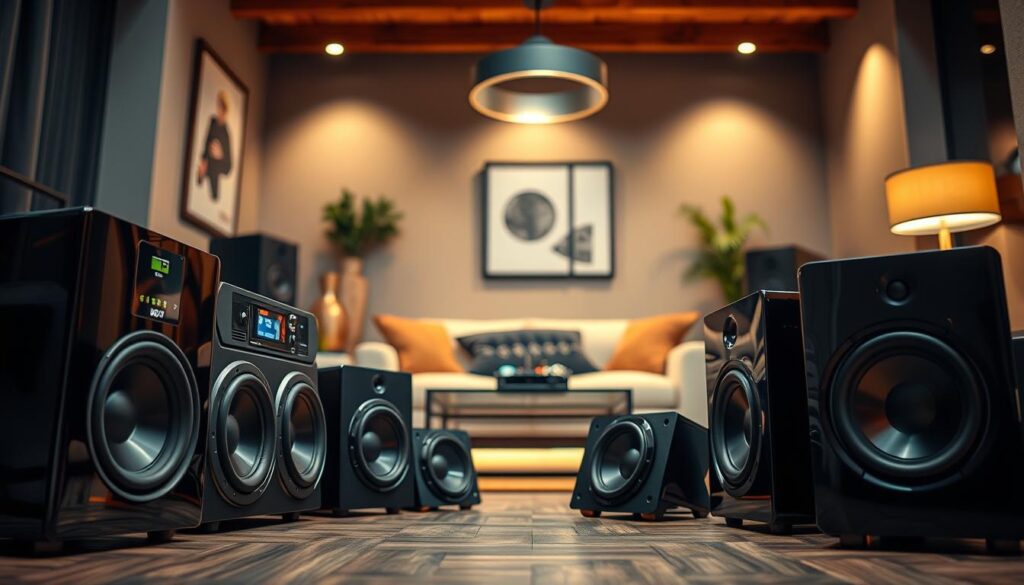
Many listeners choose models that value raw output over speed. Too much volume can create boomy, disconnected sound that muddies vocals and instruments. Instead, choose designs that value musicality and precision to protect your audio source.
Best Subwoofers for Streaming
Streaming services offer vast libraries of high-quality audio that need responsive low-end sound. The RSL Speedwoofer 10S MKII suits listeners who want detailed bass for fast-paced tracks. The Polk Signature Elite ES12 also delivers refined sound for two-channel systems.
- Tight transient response for clear, punchy bass lines.
- Low distortion levels to keep vocals sounding natural.
- Seamless integration with bookshelf or floor-standing speakers.
Options for Vinyl Lovers
Vinyl enthusiasts often want a more tactile, controlled listening experience. The SVS 3000 series ranks among our top subwoofers because it offers incredible precision. Its dedicated app lets you adjust crossover, phase, and equalizer settings easily.
These adjustments help match the sound to your room acoustics. Fine-tuning them lets deep frequencies support records without overpowering the delicate midrange. Investing in these top subwoofers helps your analog collection sound rich and detailed, as the artist intended.
Subwoofers for Gaming Setups
When building a high-performance gaming station, strong bass matters as much as your monitor’s refresh rate. A well-integrated subwoofer adds physical weight to every digital action. Some users may repurpose a car subwoofer for their desk, but automotive units suit small, pressurized cabins, not open rooms.
Immersive Experience with Surround Sound
A dedicated gaming subwoofer makes virtual environments feel truly alive. Explosions, vehicle engines, and environmental effects gain depth that standard speakers cannot match. This extra audio detail helps you track enemy movements through low-frequency cues.
Proper integration keeps bass from muddying the soundstage. Adjust your crossover settings carefully to keep spoken dialogue crisp while preserving cinematic impact. This balance helps you maintain a competitive edge during intense multiplayer sessions.
Compact Models for Small Spaces
If you game in an apartment or small bedroom, a massive unit may overwhelm your space. We recommend compact, powered subwoofers made for near-field listening. These models provide tight, punchy bass without unwanted vibrations in your walls or furniture.
When setting up in a tight area, placement helps prevent boomy, distorted audio. Try placing your unit near your desk or beneath your primary gaming chair. Unlike a car subwoofer, which needs specific mounting, these home-friendly units usually offer plug-and-play setup.
| Feature | Compact Gaming Sub | Standard Home Theater Sub | Automotive Subwoofer |
|---|---|---|---|
| Ideal Room Size | Small/Bedroom | Large/Living Room | Vehicle Cabin |
| Power Output | Moderate | High | Variable |
| Installation | Plug-and-Play | Wired/Wireless | Custom Wiring |
| Primary Focus | Near-field Clarity | Room-filling Impact | Space Efficiency |
Comparing Wireless vs. Wired Subwoofers
Choosing between wireless subwoofer technology and wired connections can shape your room’s look and listening experience. Both methods deliver deep, resonant bass, but they differ in flexibility and signal reliability. These differences help you choose based on your room layout and equipment.
Advantages of Wireless Subwoofers
A wireless subwoofer makes installation much easier. Without long floor cables, you can place it where the bass sounds best and avoid tripping hazards.
- Flexible Placement: Move your unit anywhere near a power outlet to find the best bass response.
- Clean Aesthetic: Eliminate cable clutter for a modern, minimalist look in your living room.
- Easy Setup: Most modern kits pair automatically with your receiver, saving you time and effort.
Considerations for Wired Models
Wireless models offer convenience, but wired models remain the gold standard for audiophiles who want a predictable signal path. High-quality RCA or LFE cables keep audio stable and reduce interference or latency. Wired connections are usually universal, so they avoid brand-specific ecosystems and proprietary transmitters.
With a wired system, plan cable routes carefully to keep your space organized. This takes more effort at first, but it creates a strong connection for almost any AV receiver.
| Feature | Wireless | Wired |
|---|---|---|
| Installation | Very Easy | Moderate |
| Signal Stability | Good | Excellent |
| Compatibility | Limited | Universal |
Choose a wireless subwoofer for a clean room and simple setup. Choose a wired connection for reliable signal integrity and less concern about possible latency.
How to Properly Set Up Your Subwoofer
Great sound often comes from careful final calibration. A well-configured subwoofer sound system brings movies and music to life. It adds impact that smaller speakers cannot match. Follow a clear process to help your equipment perform at its best.
Placement Tips for Optimal Sound
Choosing the right spot is the most important installation step. Room boundaries, including walls and corners, naturally boost low frequencies. These effects can improve or harm your audio quality, so explore effective subwoofer placement techniques.
If you are unsure where to begin, try the subwoofer crawl method. Place the unit in your primary listening chair, play a bass-heavy track, and crawl across the floor. Find where the bass sounds tightest and most accurate, then move the unit there.
Adjusting Settings for Different Rooms
After positioning the hardware, calibrate its settings for your room. Large rooms often need higher volume, while smaller spaces need careful tuning to prevent muddy or overwhelming bass. Follow these steps to create a balanced subwoofer sound system:
- Crossover Selection: Set your crossover frequency to match your main speakers’ low-end roll-off, typically between 80Hz and 100Hz.
- Phase Alignment: Adjust the phase switch so your sub’s sound waves reach your ears with the main speakers.
- Volume Calibration: Start with the gain at halfway, then adjust until the bass blends smoothly with the rest of your audio.
- Room Correction: If your receiver includes automatic room correction software, run it to correct acoustic problems in your space.
Finish with a listening test using familiar movie scenes or music tracks. If the bass feels disconnected or boomy, make small volume or phase adjustments until it sounds cohesive. A properly tuned subwoofer sound system should deliver deep, clean power without distracting from your other speakers.
Maintenance Tips for Longevity
A high quality subwoofer needs regular care to perform well. Simple routines help it deliver deep, clean bass for many years. Proper handling protects your investment and internal components.
Keeping Your Subwoofer in Top Condition
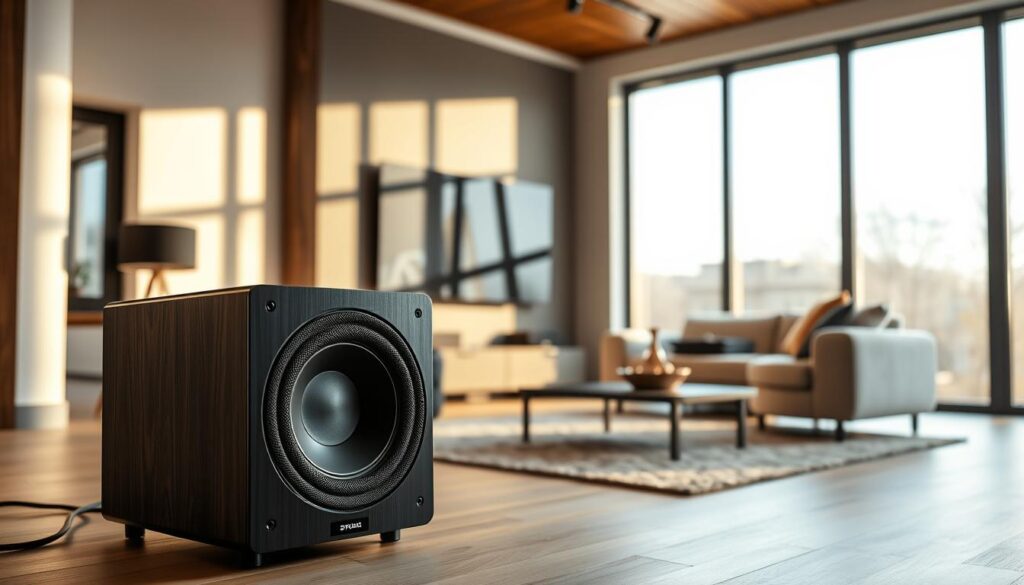
Regular maintenance starts with keeping the unit clean and well-ventilated. Dust can collect on the driver cone or inside the ports, affecting sound quality. Use a soft, dry cloth on the exterior, and gently remove dust from the grille.
Placement plays a vital role in your gear’s lifespan. Keep the unit on a stable, level surface to prevent mechanical stress. Adequate ventilation is critical because the internal amplifier creates heat that must escape.
Finally, watch your listening levels. While a high quality subwoofer can handle much power, extended use at its limit can cause thermal damage. Moderate levels keep audio crisp and free from distortion.
“The secret to great sound is not just the equipment you buy, but how well you look after it over time.”
Common Issues and Troubleshooting
Even with good care, you may encounter occasional performance problems. If there is no sound, check the power connection and input selection on your receiver. Often, a loose cable or muted channel causes a silent system.
If you notice humming, distortion, or rattling, inspect cables for interference or damage. Check your crossover settings and phase alignment against your room acoustics. These changes often fix weak bass or muddy output without professional repairs.
Wireless models can experience signal dropouts from other household electronics. Try moving the transmitter or clearing the path between the devices. Advanced DSP and vibration-canceling construction improve performance, but they cannot replace proper physical handling or room placement.
Enhancing Your Subwoofer with Accessories
Even an affordable subwoofer can reach its full potential with a few strategic upgrades. Focus on integration tools that improve how your hardware works with your room. These small adjustments often yield significant improvements in overall sound quality.
Best Cables for Optimal Performance
The foundation of clean sound starts with your connection. We suggest using high-quality, properly shielded RCA or LFE cables to prevent electromagnetic interference from harming your audio. A well-shielded cable keeps low-frequency signals pure and free from unwanted hum.
Beyond cabling, consider adding isolation feet to your setup. These accessories separate the cabinet from the floor, reducing vibrations and preventing muddy sound. If you struggle with cable management, a high-quality wireless adapter can provide flexibility without sacrificing your affordable subwoofer‘s performance.
Using Equalizers for Better Sound
Room acoustics often create peaks and dips that can ruin your listening experience. Using an equalizer or Digital Signal Processing (DSP) lets you smooth these irregularities for balanced output. These tools help manage crossover overlap and address tonal problems caused by your room’s dimensions.
We encourage you to make conservative adjustments when using these tools. Start by making small changes and listen carefully to how they affect the soundstage. Over-processing can cause clipping or unnatural bass, so prioritize natural, clean sound for your affordable subwoofer setup.
Frequently Asked Questions About Subwoofers
Choosing the right audio equipment raises common questions about setup and compatibility. We explain these technical points to help you build your ideal sound system.
What Size Subwoofer Do I Need?
Your room size helps determine the ideal driver size. Small rooms suit 8-inch or 10-inch models like the SVS SB-1000 Pro, while larger spaces need 12-inch or 15-inch units. Also consider listening volume and your desired deep bass extension for movies or music.
Can I Use a Subwoofer with My TV?
Compatibility depends on your specific hardware. Most modern televisions need a soundbar or AV receiver to bridge the connection. Check for a dedicated subwoofer output or HDMI ARC port so your equipment communicates properly.
How to Connect a Subwoofer to Different Systems
Standard setups use RCA cables for a direct LFE connection to an amplifier. Wireless kits offer flexibility when avoiding messy floor wires, and some brands like Sonos use proprietary ecosystem connections that simplify pairing. Choose the method matching your existing gear for high-quality audio performance.
Investing time in these details helps your home theater or music room deliver the impact you expect. We hope this guide helps you refine your audio journey with confidence.